Layering for Rim Country Temperature Swings
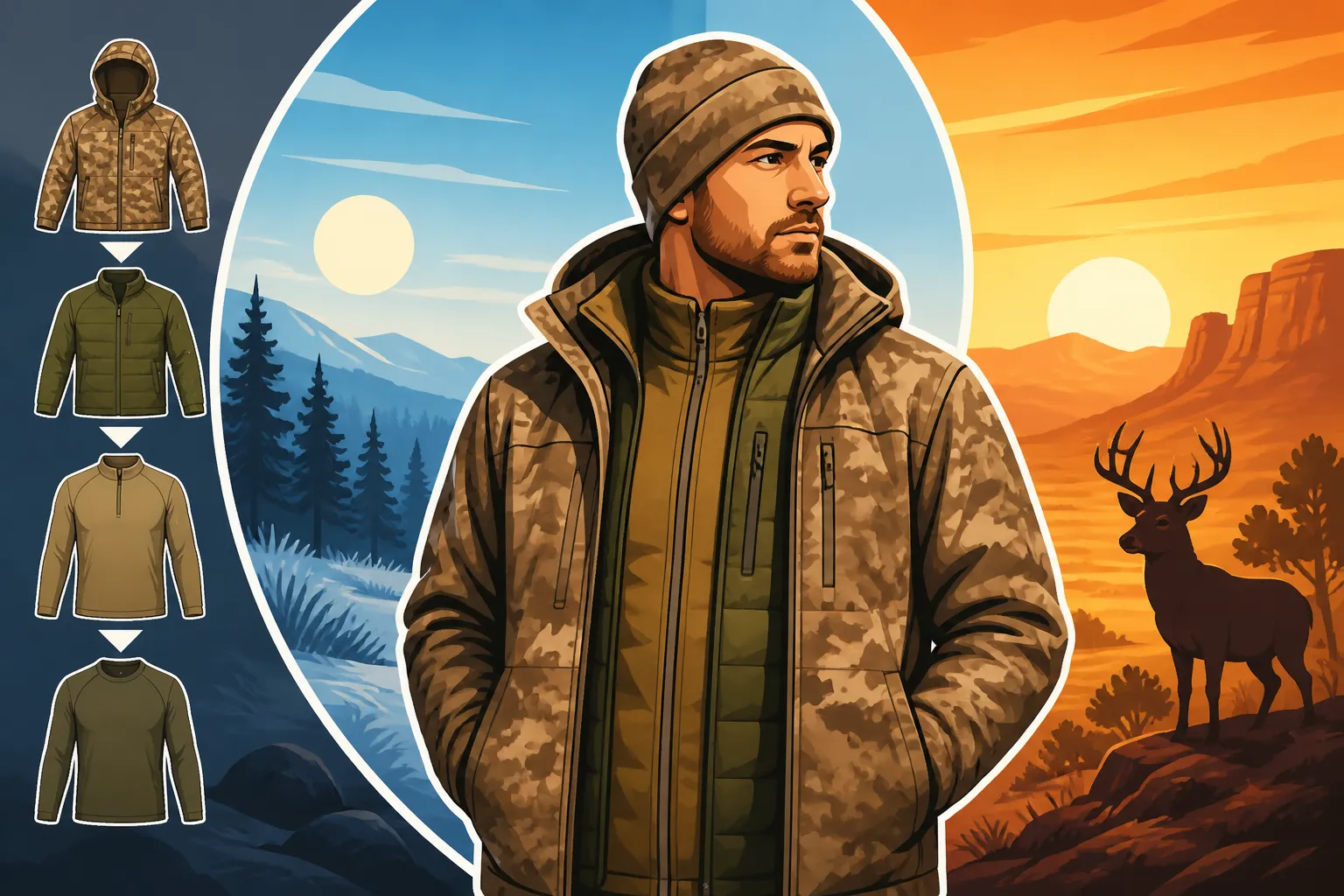
If you've spent any time planning a hunting trip to Arizona's high country, particularly the Mogollon Rim, you know the struggle is real: you wake up to frosty air that bites at your exposed skin, only to find yourself shedding layers by mid-morning as the sun climbs high and temperatures soar. This drastic swing, sometimes 40 degrees or more in a single day, isn't just uncomfortable; it can lead to dangerous dehydration, hypothermia, or at best, an inefficient and frustrating hunt. This comprehensive guide will arm you with the knowledge and strategies to master layering for Rim Country's unpredictable temperature swings, keeping you comfortable, focused, and ready for whatever the Arizona wilderness throws your way.
Understanding Rim Country's Unique Climate Challenges
Arizona's Rim Country, encompassing vast areas like the Mogollon Rim, the White Mountains, and the high plateaus of the Coconino and Apache-Sitgreaves National Forests, isn't your typical desert hunting experience. While the lower elevations roast, these higher grounds experience a distinct four-season climate, though even here, the daily temperature fluctuations can be extreme. It’s this unique combination of elevation, arid air, and clear skies that sets the stage for such dramatic shifts, demanding a smart approach to what you wear.
The Daily Temperature Rollercoaster
The reason for these wild temperature swings lies in the region's geography and atmospheric conditions. At elevations often ranging from 5,000 to over 9,000 feet, the air is thinner and holds less moisture. This means that while the sun's rays can quickly warm the ground and air during the day, that heat dissipates just as rapidly once the sun sets or dips behind a ridge. It’s not uncommon to start an October elk hunt near Payson or Pine with temperatures hovering around freezing, sometimes even dipping into the low 20s, only to be shedding down to a base layer by noon as the mercury climbs into the 60s or even 70s. This rapid heating and cooling cycle is a defining characteristic of hunting in areas like The Mogollon Rim as Arizona Elk Country, and it means that a static outfit just won't cut it.
Furthermore, hunters often exert themselves greatly in the mornings, hiking into position, climbing steep grades, or packing out game. This physical activity generates internal heat, making it easy to overheat and sweat even when ambient temperatures are low. If that sweat then cools as you stop to glass or sit for an extended period, you're at serious risk of getting chilled to the bone. This isn't just about comfort; it's about maintaining core body temperature and preventing fatigue that can lead to poor decision-making or even dangerous situations in remote terrain. Effective layering is your best defense against both overheating and hypothermia, ensuring you stay focused on the hunt.
Seasonal Nuances and Microclimates
Beyond the daily swings, Rim Country's climate also varies significantly with the seasons, and even within specific areas, microclimates can throw you for a loop. An early archery elk hunt in late August or early September, for instance, might still see afternoon highs in the 80s, but those crisp mornings will still dip into the 40s or 50s. Fast forward to a late November rifle deer hunt, and you could be looking at mornings well below freezing, potentially with snow on the ground, and afternoon highs that barely break 40 degrees. Understanding these seasonal tendencies is crucial when you're E-Scouting an Arizona Unit Before the Season, as different times of year demand different layering priorities.
Even within a specific unit, the terrain itself creates microclimates. Shady canyons and north-facing slopes, particularly those with dense timber, will remain significantly cooler and retain moisture longer than exposed ridges or south-facing hillsides. When you're Glassing Arizona's Sky Islands for Coues Deer, a south-facing slope might be pleasant in the morning, but as you transition into a deep, dark canyon to make an approach, the temperature can drop noticeably. Similarly, areas near permanent water sources might feel cooler due to evaporation. These localized conditions mean you can't just set it and forget it with your clothing; you need to be constantly aware of your surroundings and ready to adjust. Using detailed mapping tools like those from GoHunt can help you identify these topographical features and plan your layering strategy accordingly, knowing where you might encounter colder, shadier spots versus exposed, warmer areas throughout your planned route.
The Foundational Layers: Next-to-Skin Essentials
Your base layer is arguably the most critical component of any effective layering system, especially when facing the extreme temperature shifts of Arizona's Rim Country. This is the garment that sits directly against your skin, and its primary job is to manage moisture. Get this wrong, and the rest of your expensive, high-tech gear won't matter much.
Prioritizing Moisture-Wicking Fabrics
The golden rule for base layers in any hunting scenario, but particularly in environments with significant temperature swings, is: absolutely no cotton. Cotton absorbs moisture like a sponge, and once it's wet from sweat, it loses all its insulating properties, leaving you cold and clammy – a recipe for hypothermia when you stop moving in chilly air. This is especially true when you're exerting yourself, like during a rigorous climb while Calling Bulls on Arizona's Mogollon Rim.
Instead, you want to invest in high-quality moisture-wicking fabrics that pull sweat away from your skin and spread it across the fabric's surface, allowing it to evaporate quickly. Merino wool is often considered the gold standard for base layers. It's incredibly soft, naturally antimicrobial (meaning it resists odor build-up, a huge plus on multi-day hunts), and surprisingly effective at regulating temperature – keeping you warm when it's cold and cool when it's warm. The natural crimp in its fibers creates tiny air pockets that trap warmth, even when damp. Synthetic fabrics, typically made from polyester or polypropylene, are another excellent option. They're generally more affordable, extremely durable, and excel at wicking moisture. Many hunters prefer synthetics for high-output activities due to their faster drying times. The choice between merino and synthetic often comes down to personal preference for feel, durability, and budget, but either is a vast improvement over cotton.
Base Layer Weights and Considerations
Just like you wouldn't wear a heavy winter coat in the summer, base layers come in different weights designed for varying conditions and activity levels. Understanding these weights is crucial for customizing your system to Rim Country's diverse hunting seasons and the intensity of your hunt.
Lightweight base layers are ideal for early season hunts, such as early archery deer or elk, where mornings might be cool but afternoons are still quite warm. Their main purpose is moisture management, and they offer minimal insulation, making them perfect for high-exertion activities like stalking or aggressive hiking. Think of them as your first line of defense against sweat, allowing you to regulate your temperature more effectively. Mid-weight base layers strike a balance, offering good moisture-wicking properties combined with a decent amount of insulation. These are often the most versatile choice for the core of many Arizona hunting seasons, providing enough warmth for chilly mornings without causing you to overheat too quickly during the day. Finally, heavy-weight base layers are reserved for the coldest conditions, like late-season rifle hunts where temperatures rarely climb above freezing. They offer maximum insulation and are best suited for periods of low activity in frigid weather, though they can quickly lead to overheating if you're hiking hard. Considering your planned activity level is key; if you anticipate lots of strenuous movement, even in cold weather, a mid-weight base layer might be more appropriate than a heavy one to avoid excessive sweating.
Mid-Layers for Insulation and Versatility
Once your base layer is effectively managing moisture against your skin, your mid-layers step in to provide the crucial insulation that traps warmth. This is where you really start to dial in your comfort levels, as mid-layers offer the most flexibility for adjusting to Rim Country's infamous temperature fluctuations.
The Role of Insulating Mid-Layers
The primary purpose of a mid-layer is to create dead air space between your base layer and outer shell. Trapped air is an excellent insulator, preventing your body heat from escaping and the cold air from penetrating. When temperatures drop dramatically, as they often do when you stop to glass a distant ridge or sit patiently at a water source, you'll be incredibly grateful for the warmth a good mid-layer provides.
Fleece is a classic and highly effective mid-layer material. It comes in various weights (100, 200, 300 gram) and offers excellent warmth-to-weight ratio, decent breathability, and quick drying times. A lightweight fleece jacket is often a go-to for many hunters because it's easy to layer and provides instant warmth. For even more insulation, especially in colder conditions or for periods of low activity, puffy jackets filled with synthetic insulation or down are invaluable. Synthetic fills (like Primaloft or Thinsulate) perform well even when damp, making them a reliable choice in case of unexpected rain or heavy exertion. Down, while offering superior warmth-to-weight and compressibility, loses its insulating power when wet, so it's best reserved for dry, cold conditions or as a 'puffy' to wear under a waterproof shell. The key is to choose materials that will effectively hold warmth without being excessively bulky, allowing for freedom of movement and easy packing.
Balancing Warmth, Packability, and Breathability
The true art of mid-layering in Arizona's diverse conditions lies in choosing pieces that offer the right balance of warmth, packability, and breathability. You'll be taking these layers on and off throughout the day, so they need to be easy to manage. A heavy, bulky mid-layer that takes up half your pack and is a pain to don and doff will quickly become a liability, especially when you're Preparing Physically for a Desert Hunt that demands agility and minimal gear fuss.
Look for mid-layers that compress easily into a small space, allowing you to stash them in your pack when you're moving hard and quickly deploy them when you stop. Many puffy jackets come with their own stuff sacks for this exact reason. Breathability is also paramount; even a warm mid-layer needs to allow some moisture vapor to escape to prevent you from getting clammy. Modern fleece and synthetic insulated jackets are designed with this in mind, often featuring breathable side panels or lighter insulation in strategic areas. Think about a scenario where you're climbing a steep canyon wall to get to a good vantage point for Calling Bulls on Arizona's Mogollon Rim. You'll likely shed your mid-layer for the ascent to avoid sweating out your base layer. But once you reach the top and settle in to glass, the wind can pick up, and your core temperature will quickly drop, making that easily accessible, warm mid-layer a life-saver. This dynamic adjustment is what makes a versatile mid-layer system so effective.
Outer Layers: Protection from the Elements
Your outer layer is your shield against the harsh realities of the Arizona wilderness. It's not primarily for warmth, but for keeping the elements—wind, rain, and snow—from compromising the insulation of your inner layers and, by extension, your core body temperature. In a region where weather can change swiftly, a reliable outer layer is non-negotiable.
Shell Jackets and Pants: The Weather Barrier
When we talk about outer layers, we're largely referring to shell jackets and pants. These are designed to be waterproof and windproof, creating a protective barrier that keeps moisture out while preventing chilling winds from cutting through your insulation. The importance of this cannot be overstated. A sudden monsoon shower during an early fall hunt, or unexpected snow squall in late season, can turn an otherwise manageable cold day into a dangerous one if your inner layers get soaked.
Many premium shell garments utilize advanced membrane technologies like Gore-Tex, eVent, or various proprietary brand versions. These membranes have microscopic pores that are too small for liquid water to pass through but large enough for water vapor (sweat) to escape, offering that crucial balance of protection and breathability. For hunting in Arizona, durability is a huge factor. The rugged, often brushy terrain—think prickly pear, catclaw acacia, and sharp rocks—can quickly tear through flimsy fabrics. Look for shells made from robust nylon or polyester fabrics with reinforced shoulders, elbows, and knees. Even if it's not actively raining, a windproof shell is invaluable on exposed ridges or during long glassing sessions, as wind chill can rapidly reduce your perceived temperature and sap your body heat, especially if you're not moving much.
Soft Shells vs. Hard Shells
Deciding between a soft shell and a hard shell for your outer layer often depends on the specific conditions you anticipate and your activity level. Both have their place in an Arizona hunter's kit.
Hard shells, typically made with fully waterproof and windproof membranes, offer the highest level of protection against rain, snow, and severe wind. They are essential for hunts where precipitation is a real possibility or in extremely windy conditions, such as those found on exposed peaks or wide-open plains. The trade-off is often in breathability and flexibility; while modern hard shells are much better than their predecessors, they still can feel a bit "clammy" during high exertion compared to soft shells. They also tend to be a bit stiffer and noisier. However, if you're facing a serious storm front, a good hard shell is your best friend.
Soft shells, on the other hand, prioritize breathability and flexibility. They are often water-resistant and wind-resistant rather than fully waterproof, meaning they can handle light rain or snow but will eventually wet out in a prolonged downpour. Their stretchy fabric and better breathability make them much more comfortable for active pursuits where you need maximum freedom of movement and efficient sweat evaporation. They are often quieter than hard shells and provide a bit more warmth due to their denser weave or light fleece backing. For many days in Rim Country, where the primary concern might be wind and light moisture rather than heavy rain, a soft shell can be an excellent choice. It provides just enough protection without hindering your ability to stay cool and dry during strenuous climbs or long stalks. A good strategy might be to use a soft shell for most days and pack a lightweight, packable hard shell for emergencies or when heavy precipitation is forecast, especially when considering the seasonal variation of Early Against Late Arizona Elk Rifle Hunts.
Putting It All Together: Dynamic Layering Strategies
The key to mastering Rim Country's temperature swings isn't just about having the right gear; it's about actively managing that gear throughout your hunt. This "add and subtract" mentality is what keeps you comfortable, efficient, and ultimately, successful in the field.
The "Add and Subtract" Mentality
Think of your layering system as a dynamic toolbox, not a fixed outfit. As soon as your activity level changes, or the sun emerges from behind a cloud, or you step from a sheltered draw into a windy exposure, you should be thinking about adjusting your layers. This means being proactive. If you're about to embark on a steep climb, shed a mid-layer before you start sweating heavily. If you're stopping for a long glassing session, pull on that puffy jacket before you feel the chill. The goal is to avoid getting too hot and sweating excessively, and equally, to avoid getting too cold and having your core temperature drop.
This constant adjustment sounds like a chore, but it becomes second nature with practice. Experienced hunters are always subtly adjusting zippers, pulling on or shedding hats, or adding and removing vests. It's about maintaining a comfortable, steady body temperature, which conserves energy and keeps you focused on the task at hand. For instance, when you're stalking a wary Coues deer through oak brush or closing the distance on an elk in the pines, you want maximum freedom of movement and minimal noise. This might mean shedding all but your base layer and a very light outer shell. But as soon as that stalk goes sideways, or you find yourself waiting for the animal to clear an obstruction, that insulation needs to go back on quickly.
Specific Scenario Planning
Let's walk through some common Rim Country hunting scenarios to illustrate how dynamic layering works in practice. Understanding these situations can help you visualize and plan for your own hunt, especially when accessing remote spots through Mogollon Rim Access for Arizona Hunters.
- Morning Glassing in a Chilly Canyon (Pre-Dawn to Sunrise): You've hiked into your glassing spot well before light, likely in temperatures hovering around freezing. You're sitting still, so insulation is paramount. You'd likely start with a mid-weight merino wool base layer, a heavy fleece or synthetic puffy mid-layer, and a windproof/waterproof hard shell jacket to block any biting wind. A warm hat, insulated gloves, and a neck gaiter would also be essential to protect extremities. You might even have a second, heavier puffy jacket you pull out specifically for these stationary, cold periods. For your lower body, a mid-weight base layer under robust hunting pants, potentially with a light soft shell pant over them for wind protection, would be appropriate.
- Mid-Day Stalk Uphill (Mid-Morning to Early Afternoon): The sun is high, temperatures have climbed, and you're actively hiking up a steep incline. You're generating a lot of body heat. This is the time to shed. You might be down to just your lightweight synthetic base layer and a light, breathable soft shell jacket. Your heavy mid-layer and hard shell are now stowed in your pack. You'd also likely swap your warm beanie for a baseball cap to help dump heat, and trade insulated gloves for light liner gloves or no gloves at all. Choosing Boots for Rocky Desert Ground is also important, as good ventilation in your footwear can help keep your feet from overheating.
- Evening Pack Out (Late Afternoon to Dusk): You've harvested an animal, and now you face the strenuous task of quartering and packing it out as the sun begins to set and temperatures drop rapidly. This is a period of high exertion followed by potential periods of standing still. You might start the pack out shedding layers as you climb, similar to the mid-day stalk, but keep your mid-layers readily accessible. As you get closer to the truck, or if you have to stop for a breather, you’ll want to quickly pull on that fleece or puffy jacket before the cold seeps in, especially considering the rapid temperature drop common in Units Near Payson Within a Day Trip. You'll likely also put your warm hat and gloves back on. It's all about anticipating the shift and being ready to react.
Companies like GoHunt provide valuable mapping and weather data that can help you anticipate these shifts even before you leave camp. Their tools can show you elevation changes, prevailing winds, and historical weather patterns for your specific hunting unit, allowing you to fine-tune your layering strategy with a higher degree of confidence.
Accessorizing for Comfort and Safety
While base, mid, and outer layers form the core of your system, don't overlook the importance of accessories. These small items can make a massive difference in your overall comfort and safety, especially when you consider how much heat can be lost through your head and extremities.
Always carry a variety of headwear: a warm beanie for cold mornings, a ball cap for sun protection, and possibly a wide-brimmed hat for extended exposure. A neck gaiter is incredibly versatile, providing warmth for your neck and face, or even functioning as an impromptu hat or balaclava. For your hands, a three-tiered approach often works best: thin liner gloves for dexterity and light warmth, a mid-weight insulated glove for general use, and a heavy, waterproof glove or mitten for extreme cold or wet conditions. Having a spare pair of moisture-wicking socks is also a smart move. There's nothing worse than cold, wet feet, and a fresh, dry pair can make a world of difference for comfort and preventing blisters, especially when you're hiking long miles in challenging terrain. Remember, your body prioritizes blood flow to your core, so keeping your extremities warm is key to staying comfortable and minimizing overall heat loss.
Disclaimer
Please remember that hunting is an inherently risky activity. The information provided in this guide is for informational purposes only and should not be considered a substitute for professional instruction, thorough preparation, or adherence to all applicable hunting regulations and safety guidelines. Always prioritize your safety and consult with local authorities for the most current rules and conditions.