Why Arizona Runs a Winter and Summer Draw
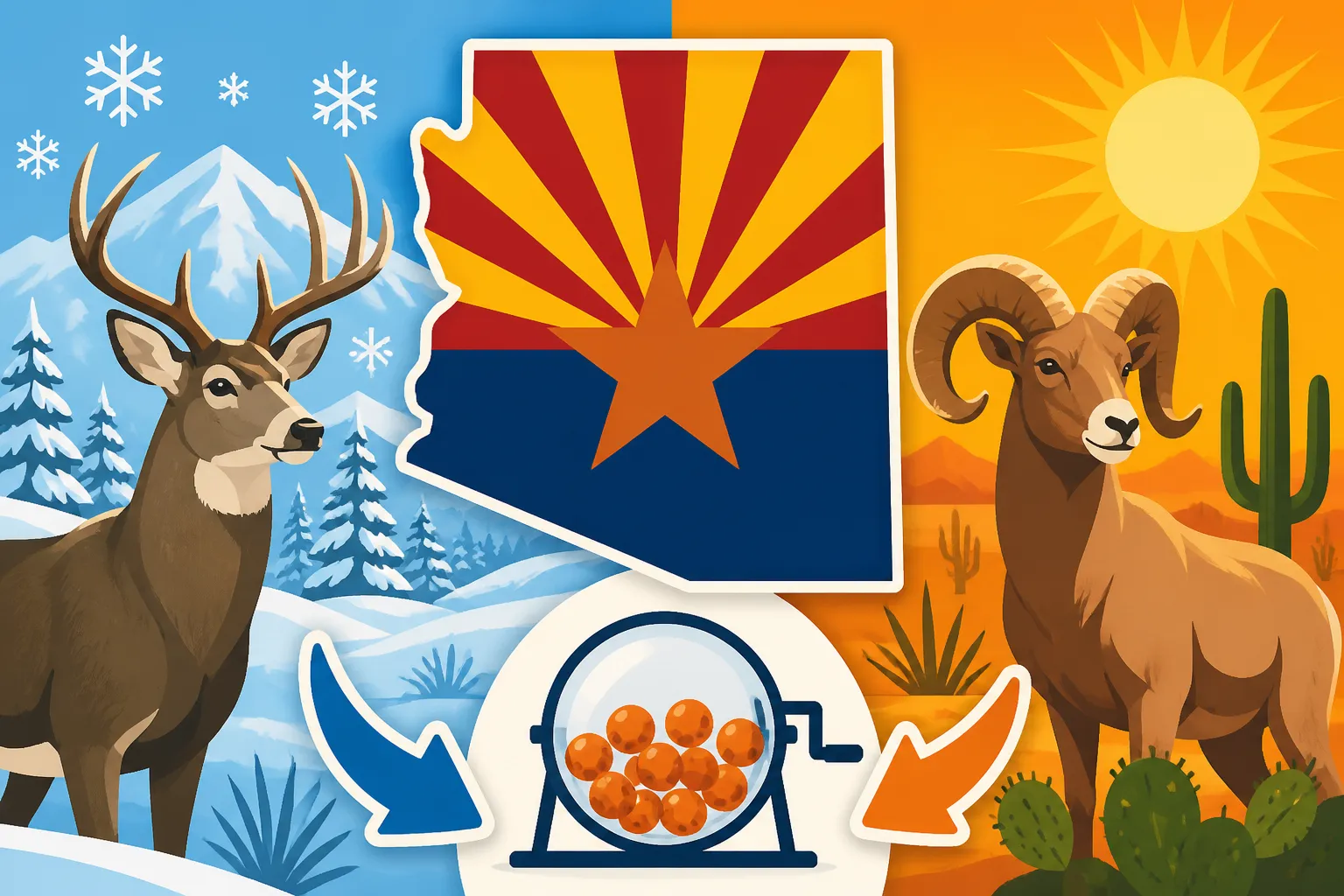
For many hunters, especially those new to the Grand Canyon State or coming from areas with a single, unified application period, Arizona's system of running two separate big game draws each year can feel like trying to solve a puzzle with missing pieces. It's completely understandable to wonder why Arizona Game and Fish Department (AZGFD) segments their draws, creating a "winter" and "summer" application cycle. This guide will meticulously break down the rationale, species, and strategic implications behind why Arizona chooses to operate its highly coveted big game draw in two distinct phases, helping you navigate the system with greater clarity and confidence.
The Logic Behind Arizona's Split Draw System
Arizona isn't just one type of landscape; it's a tapestry of diverse ecosystems, from scorching low deserts to high-elevation pine forests and alpine peaks. This incredible variety allows for a wide array of big game species, each with unique biological needs, rut cycles, and ideal hunting windows. Trying to cram every single species into one annual application period would create a logistical nightmare and could compromise sound wildlife management principles.
Managing Diverse Species and Seasons
Think about it: an Arizona elk hunt, often timed around the fall rut, requires a significant lead time for hunters to plan, scout, and prepare for a physically demanding high-country expedition. Their biological cycles dictate a September-October hunting season. Now, consider a late-season mule deer hunt in the lower desert, which might not even begin until December or January, or a spring bison hunt which happens even later. If all these species were on a single draw, you'd have to apply either too early for species with late seasons or too late for those with early seasons. This staggered approach allows the AZGFD to align the application and tag issuance process much more closely with the actual timing of the hunts, optimizing for factors like animal health, breeding cycles, and hunter success rates. It's about giving each species and their associated seasons the attention and planning window they deserve.
Furthermore, this separation provides AZGFD biologists with more flexibility. They can analyze harvest data, population surveys, and environmental conditions (like rainfall, which drastically affects forage and water availability in Arizona) from the previous season to make more informed decisions about hunt quotas and unit recommendations for each draw. This responsive management helps ensure sustainable populations and quality hunting opportunities, rather than locking into decisions too far in advance based on potentially outdated information.
Balancing Hunter Demand and Administrative Efficiency
Imagine the sheer volume of applications, financial transactions, and customer service inquiries if every single big game tag in Arizona—from trophy elk to desert javelina—were processed during one brief window. It would be a monumental undertaking, potentially leading to system overloads, delays, and a less-than-ideal experience for applicants. By dividing the process into two distinct draws, AZGFD effectively spreads out this immense administrative workload, ensuring a smoother operation for both the department and the hunters.
This staggered approach also benefits hunters by giving them more breathing room. Instead of having to research, select units, and apply for every desired species all at once, they can focus their energy on elk and pronghorn during the winter draw, and then shift their attention to deer, bighorn sheep, and bison in the summer. This can lead to more thoughtful application choices, as hunters aren't rushing to beat a single, overwhelming deadline. It also gives hunters a distinct "second chance" in a calendar year to draw a big game tag if they were unsuccessful in the first draw cycle.
Understanding the February (Winter) Draw Cycle
The February draw is often seen as the "big one" for many Arizona hunters, primarily because it encompasses the state's most sought-after species. If you're dreaming of a trophy bull elk or a plains-running pronghorn, this is the application period you absolutely cannot miss.
Key Species and Their Hunt Timing
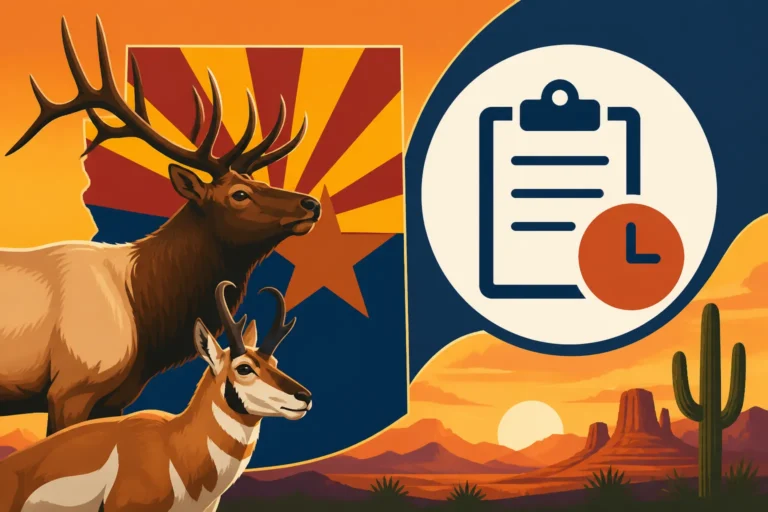
The February draw primarily focuses on elk and pronghorn. Applications typically close around the second Tuesday of February, though it’s always wise to confirm the exact dates on the AZGFD website as they can shift slightly. The reasoning for this early application is deeply rooted in the biology and timing of the hunts for these species.
Elk hunts, especially those coveted early archery and rifle seasons, are designed to coincide with the elk rut in September and October. To issue tags, notify successful applicants, and allow hunters adequate time for planning, scouting, and potentially booking an outfitter, the draw needs to happen significantly earlier in the year. This ensures that by late March or early April, when results are usually posted, hunters have several months to prepare for their fall adventures. For a detailed look at when to get your application in, refer to The Arizona Elk and Antelope Application Deadline.
Similarly, pronghorn hunts often take place in late summer or early fall. These fast-moving prairie inhabitants require careful population management, and the early draw allows AZGFD to allocate tags well in advance. The biological data from the previous year, including herd health and fawn recruitment, is thoroughly analyzed before the quotas for these hunts are finalized, contributing to responsible wildlife stewardship. Knowing Which Species Fall in the February Cycle is the first step to a successful application strategy.
Planning Ahead for Fall Hunts
A crucial aspect of the February draw is the lead time it provides. When hunt results for elk and pronghorn are typically posted by late March or early April, hunters who drew tags have a comfortable window—often five to six months—to finalize their hunt plans. This isn't just about packing a bag; it's about studying maps, scouting units, securing lodging or camping permits, and ensuring your gear is in top shape.
For those dedicated to maximizing their chances, researching draw odds and unit specifics begins long before the application period. Tools like GoHunt's insider platform are incredibly popular among serious hunters, providing data-driven insights that can help applicants make more strategic choices, especially when trying to build those ever-important bonus points. Understanding How the Arizona Bonus Point Pass Works is critical, as these points significantly influence your chances over time. When those anticipated results finally land, often notified via email, you'll want to know When Arizona Posts Draw Results so you can jump into preparation immediately. Even if you don't draw, the knowledge gained from the application process is valuable for future years.
Decoding the June (Summer) Draw Cycle
While the February draw garners a lot of attention, the June draw is equally vital for many species and offers another fantastic opportunity to pursue big game in Arizona. This cycle caters to different biological timelines and provides a valuable second chance for hunters in a calendar year.
Species Covered and Their Later Seasons
The June draw is primarily dedicated to deer (both Mule Deer and Coues Deer), bighorn sheep (Desert and Rocky Mountain), and bison. The application deadline for these species typically falls in mid-June. The timing here makes perfect sense when you consider the seasons for these animals.
Many Arizona deer hunts, particularly for mule deer, occur later in the fall and often extend into the winter, sometimes even into January, coinciding with the rut in certain regions. Coues deer, Arizona's "grey ghosts," also have seasons that stretch into December and January, making a summer draw perfectly aligned with the need for sufficient lead time before these later hunts begin. For specifics, you'll want to review The Arizona Deer, Sheep and Bison Deadline.
Bighorn sheep and bison hunts also tend to be scheduled later in the year, or even into the following spring for some specialized bison hunts. This later application window ensures that AZGFD can set quotas based on the most current data, allowing for adjustments that reflect population dynamics and habitat conditions throughout the preceding year. This is particularly important for species with limited tags like bighorn, where precise management is paramount. Knowing Which Species Fall in the June Cycle ensures you don't miss out on these fantastic opportunities.
Strategic Considerations for Later Draws
Hunters who apply in the June draw usually receive their hunt results by late July or early August. This provides roughly three to five months for successful applicants to plan and prepare for their hunts, which often take place from late October through December, or even into early spring for some bison hunts. While a slightly shorter window than the February draw, it's still plenty of time for scouting and making necessary arrangements. When the time comes, it’s always exciting to know How Arizona Notifies Successful Applicants.
This second draw cycle presents a strategic advantage: it's a distinct opportunity to draw a coveted big game tag, even if you were unsuccessful in the February draw. It allows hunters to spread out their financial commitments for application fees and provides a fresh slate for researching different units and strategies. Experienced hunters often leverage resources like GoHunt to analyze draw odds for various deer units, using their advanced filters and data to pinpoint potentially higher-probability draws for the June application. This kind of detailed research can be the difference between drawing a tag and waiting another year.
Practical Implications for Arizona Hunters
Understanding Arizona's two-draw system isn't just about knowing deadlines; it's about crafting a smart, multi-year strategy to maximize your chances of harvesting a big game animal in this incredible state.
Maximizing Your Draw Odds Across Both Cycles
The existence of two distinct draws means two separate chances to apply for big game tags within a single calendar year. However, it's crucial to remember that Arizona's bonus points are species-specific. This means the points you accrue for elk in the February draw do not carry over or influence your chances for deer in the June draw. This system mandates a thoughtful approach to accumulating points and choosing which species to prioritize each year. For a full breakdown of how points work, consider reading Do Points Carry Across Arizona Species?.
You can, and many experienced hunters do, apply for elk and pronghorn in February, and then apply for deer, bighorn, and bison in June. This effectively doubles your chances of drawing a big game tag in a given year, even if it's not the same species. It's a fantastic way to keep yourself in the game and stay engaged with the draw process. Just be mindful of your overall hunting budget and time commitment if you happen to draw multiple tags! It’s also important to be aware of What Happens to Arizona Points When You Draw, as that affects your future applications.
Strategic Planning for Nonresidents and Residents
For nonresidents, the two-draw system is particularly significant due to Arizona's nonresident tag cap, which limits them to a maximum of ten percent of the tags issued for any given hunt. This makes every application incredibly competitive. Nonresidents often rely on robust scouting and detailed draw odds analysis—resources like GoHunt are invaluable here—to pinpoint units where their points might have a better chance, even with the stricter caps. Understanding The Nonresident Tag Cap in Arizona is essential for nonresidents to set realistic expectations and apply strategically.
Residents, while not subject to the same percentage cap, also benefit from the staggered approach. It allows them to spread out the cost of application fees and the time investment required for research and planning. Whether resident or nonresident, the two-draw system ultimately provides greater flexibility and opportunity to engage with Arizona's diverse big game offerings throughout the year.
The Role of Over-the-Counter Tags
It's also important to remember that not all hunting in Arizona is subject to the draw system. The state boasts some incredibly generous over-the-counter (OTC) opportunities that can complement any draw application strategy. Perhaps the most popular is the five-month archery deer season, which allows hunters to purchase a tag directly without going through the draw. You can learn more about this exciting opportunity in Arizona's Over-the-Counter Archery Deer Tag Explained.
Additionally, Arizona offers year-round OTC archery tags for javelina, making them one of the most accessible big game species in the state. If you're looking for an immediate hunting opportunity or a backup plan if you don't draw a coveted tag, these OTC options are fantastic. For all the details, check out Arizona Javelina Tags Are Available All Year. These non-permit tags ensure that there's always an adventure to be had in Arizona's expansive wildlands, regardless of your luck in the draw.
Arizona Big Game Draw Cycles at a Glance
For a quick reference, here's a summary of the key differences between Arizona's two big game draw cycles:
| Draw Cycle | Primary Species | Application Deadline (Approx.) | Results Posted (Approx.) | Hunt Timing (Typically) | Rationale for Timing |
|---|---|---|---|---|---|
| February | Elk, Pronghorn | Mid-February | Late March / Early April | Fall (Sep-Oct) | Early planning for prime rut hunts; biological data review and longer prep |
| June | Deer, Bighorn, Bison | Mid-June | Late July / Early August | Late Fall / Winter | Later seasons, allows for second application opportunity and spread workload |
Disclaimer
Please note that hunting regulations, seasons, and application deadlines are subject to change. Always consult the most current Arizona Game and Fish Department regulations and official publications before making any hunting plans or submitting applications.