Buying an Arizona Point Without Applying to Hunt
It's a familiar scenario for many Arizona hunters: life gets in the way, a season passes by, or you simply aren't ready to commit to a full hunt application, but you still want to keep building your bonus points. Missing out on a year can feel like you're losing ground in the long game of drawing coveted tags, especially for sought-after species. This guide will walk you through the often-overlooked process of securing an Arizona bonus point without actually applying for a hunt, ensuring you keep your dreams of a big game tag alive and well for future seasons.
Understanding Arizona's Bonus Point System
The Arizona Game and Fish Department (AZGFD) employs a bonus point system designed to reward consistent applicants, giving them a better chance at drawing premium tags over time. It's not a true preference point system, where the person with the most points automatically draws, but rather a hybrid that ensures loyalty is recognized. Many hunters get confused, thinking they must apply for a hunt every year to gain a point, which simply isn't the case. You can absolutely build points even when you know you won't be in the field.
Each bonus point you accumulate for a specific species essentially gives you an extra entry into the draw. For example, if you have five elk points, your name theoretically goes into the hat six times (your current application plus five bonus points). This system helps level the playing field a bit for those who've been trying for years, while still leaving a chance for new applicants to draw through the random pass. It's a balance designed to keep everyone engaged, but it certainly favors those who consistently build points. If you're looking to understand the full mechanics, diving into how the Arizona's Bonus Point Pass Awards the First Twenty Percent is incredibly insightful. There are also a few different ways to earn an Arizona Bonus Point, beyond just applying annually.
Why Points Matter in the Arizona Draw
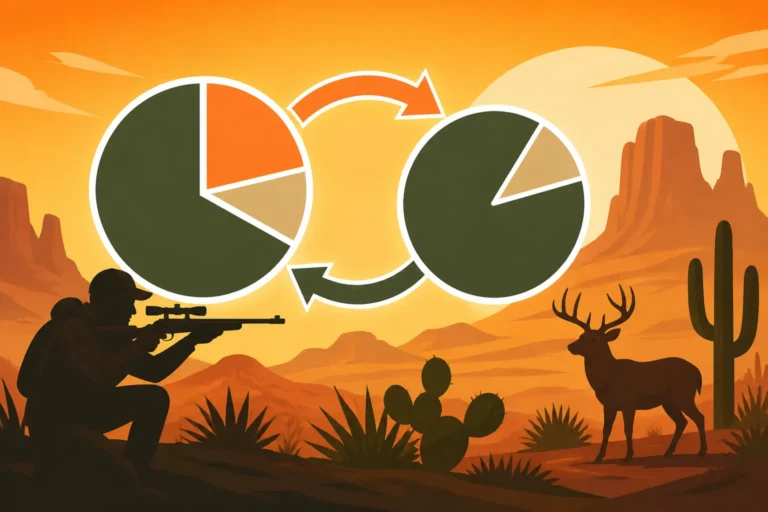
Arizona's draw system operates in two distinct phases: the Bonus Point Pass and the Random Pass. Understanding these is key to appreciating the value of your accumulated points. During the Bonus Point Pass, 20% of the available tags for a given hunt unit and species are allocated to applicants based primarily on their bonus point totals. This is where those diligently collected points truly shine. The more points you have, the higher your chances of being selected in this initial allocation. After the Bonus Point Pass, the remaining 80% of tags are distributed in the Random Pass, where everyone has an equal chance, regardless of their point total. However, even in the Random Pass, your bonus points still grant you additional chances in the hat, further increasing your odds. For a deeper dive into the specifics, read more about how the Arizona Bonus Point Pass Works.
It's also critical to remember that Arizona bonus points are species-specific. This means your hard-earned elk points will not help you draw a deer tag, nor will your javelina points contribute to your bighorn sheep application. Each species is treated as a separate category, requiring its own dedicated point accumulation strategy. This means if you're serious about hunting multiple species in Arizona, you need to be consistently applying for a point (or a tag) for each one you're interested in. This specificity is why Arizona Bonus Points Never Cross Species, making a targeted approach essential for long-term success.
The "Point Only" Application Process
If you're not planning to hunt but want to keep your point streak alive, Arizona Game and Fish offers a straightforward "point only" option. This is a crucial feature for anyone playing the long game for those trophy units or simply managing their hunting budget and time constraints. The process is designed to be relatively simple, but like anything involving government applications, it requires attention to detail. You'll need an active Arizona hunting license and access to the AZGFD online portal.
The key is to select the "point only" option for the specific species you're interested in, rather than applying for a hunt number. This ensures you pay the application fee and accrue a point without actually being entered into the lottery for a tag. The deadlines for "point only" applications are the same as the regular hunt application deadlines. For instance, if you're targeting elk or antelope, you'll need to submit your point-only application by the Arizona Elk and Antelope Application Deadline, typically in February. Similarly, deer, sheep, and bison applications, including point-only submissions, adhere to the Arizona Deer, Sheep and Bison Deadline, usually in June. Staying on top of these dates, perhaps by using a service like GoHunt, is paramount to ensure you don't miss out on adding another point to your total.
Navigating the AZGFD Online Portal for Points
The Arizona Game and Fish Department's online portal is your primary tool for managing your hunting applications, including applying for points only. While it might seem a bit daunting at first, it's fairly intuitive once you get the hang of it. First, you'll need to log into your AZGFD portal account. If you don't have one, you'll need to create one and ensure your contact information is up to date.
Once logged in, look for the "Draw Applications" or similar section. You'll initiate a new application, just as you would for a hunt. The crucial step comes when you're prompted to select your species and hunt choices. Instead of picking specific hunt numbers, you'll see an option to apply for "Bonus Point Only" for each species. Select this option for the species you wish to accrue a point for, such as elk, deer, pronghorn, bighorn sheep, or bison. You'll confirm your choice, and the system will then prompt you for payment of the non-refundable application fee. It's a quick process once you know what you're looking for, but double-checking that you've selected "point only" is vital to avoid being entered into a draw you didn't intend to participate in. Many hunters find resources like GoHunt incredibly helpful for navigating these complexities, offering step-by-step guides and reminders to ensure they don't make a mistake.
Required Costs and Licenses for a Point Only Application
Applying for a bonus point in Arizona, even without applying for a hunt, isn't entirely free. There are two primary costs you'll need to account for: a valid Arizona hunting license and the species-specific application fee.
First, you absolutely must possess a current Arizona hunting license to apply for a bonus point. This isn't just for actual hunting; it's the gateway to participating in the draw system in any capacity, including point-only applications. For nonresidents, the Arizona hunting license price is a significant but necessary investment that lasts for one year from the date of purchase. Residents, of course, have different pricing structures, but the requirement remains the same. Without a valid license on file, your point-only application will be rejected.
Second, there's a non-refundable application fee for each species you apply for a point. These Arizona Application Fees Per Species are relatively modest but add up if you're building points for multiple animals. The good news is that when you select the "point only" option, you are not charged the full tag fee, which can be hundreds of dollars for coveted species like elk or bighorn sheep. You are only paying for the privilege of being entered into the point-building system.
Let's break down the typical costs with a quick comparison:
| Application Type | Arizona Hunting License (e.g., Nonresident) | Species Application Fee | Tag Fee (if successful) | Total Initial Cost (approx.) |
|---|---|---|---|---|
| Hunt Application | Required (~$160) | Required (~$15) | Required (if drawn) | ~$175 + Tag Fee |
| Point Only Application | Required (~$160) | Required (~$15) | Not charged | ~$175 |
This table clearly illustrates the cost savings when simply applying for a point, making it a very accessible way to continue building your equity in the Arizona draw system without the full financial commitment of a potential tag.
Strategic Considerations for Building Points
Accumulating bonus points in Arizona is a long-term strategy, particularly for popular big game species. It's not about immediate gratification, but rather about patience and persistence. Understanding which species benefit most from this approach, and how your points interact with drawing a tag, is essential for a successful long-term plan.
When considering which species to apply for points, focus on those with notoriously low draw odds, such as elk, bighorn sheep, and pronghorn antelope. These are the species where accumulating a significant number of points can dramatically improve your chances over many years. For more common, over-the-counter (OTC) tags or those with higher draw odds like javelina or often-available bear tags, a "point only" strategy might not be as impactful since you could potentially draw a tag without many points anyway. To truly play the odds, checking Arizona Draw Odds Before You Apply, often facilitated by services like GoHunt, is a smart move. This data helps you prioritize your point applications and understand the realistic timeline for drawing a particular tag in a specific unit.
A critical piece of information that many new hunters miss is what happens to your points once you draw a tag. For the species you successfully draw a permit for, your bonus points for that specific species will reset to zero. This is a crucial detail to factor into your strategy. If you draw an elk tag, for example, all your hard-earned elk points disappear, and you start accumulating them again from scratch the following year. However, your points for other species (deer, sheep, etc.) remain untouched. It's vital to understand what Happens to Arizona Points When You Draw to avoid disappointment and plan your future applications accordingly.
Long-Term Point Strategy and Patience
Building a substantial bank of bonus points in Arizona for premier species requires a significant commitment to patience. For an elk tag in a top-tier unit, for example, it's not uncommon for resident hunters to need 10-20+ points, and nonresidents often need even more due to allocation limits. This translates to many years of consistently applying, whether for a tag or point only. Think of it as an investment in your future hunting opportunities.
This long-term perspective means that even if you can't hunt this year, or even next, applying for a point-only is a savvy move. Each year you add a point, you're increasing your statistical probability for that dream hunt down the road. It might seem like a small annual fee for no immediate return, but that single point could be the difference-maker years from now. Utilizing tools like GoHunt for their comprehensive draw odds and application strategy breakdowns can help you stay motivated and informed, showing you the realistic path to drawing a high-demand tag. They often provide historical data that vividly illustrates how many points it actually takes to draw certain units, helping you set realistic expectations and stick to your strategy.
The "Permanent" Bonus Points Alternative
While annual point-only applications are the most common way to build points, Arizona also offers a couple of opportunities to earn a "permanent" bonus point, which doesn't reset when you draw a tag. These are fantastic opportunities to further boost your draw odds without the annual financial commitment beyond the initial effort.
The first way to earn a permanent point is by successfully completing an Arizona Hunter Education course. This course is mandatory for certain young hunters and is highly recommended for all new hunters, regardless of age. Not only does it teach essential safety and ethics, but it also awards you one permanent bonus point. You can read more about The Permanent Arizona Point From Hunter Education and its specific requirements.
The second permanent point can be earned by completing the "Ethically Hunting Arizona" online course. This course focuses on hunter ethics, conservation principles, and responsible hunting practices unique to Arizona's landscapes. Similar to the Hunter Education point, this one also becomes a permanent fixture on your AZGFD profile, offering another lifelong boost to your draw odds for all species. Discover more about how The Ethically Hunting Arizona Course Earns a Permanent Point and why it's a valuable pursuit for any Arizona hunter. These two permanent points are in addition to any points you accrue annually through the application process, making them excellent foundational boosts for your hunting journey.
Common Mistakes and Best Practices
Even with a seemingly simple "point only" application, there are a few common pitfalls that hunters fall into. Being aware of these can save you a lot of frustration and ensure your efforts to build points are successful.
One of the most frequent mistakes is simply forgetting the deadline. The application periods for points align exactly with the hunt application periods, and AZGFD is notoriously strict with these dates. Missing the deadline means you miss out on that year's point, effectively pushing your potential draw date even further into the future. Setting calendar reminders, signing up for email notifications from AZGFD, or relying on organized platforms like GoHunt that send timely reminders can prevent this costly oversight.
Another critical error is failing to purchase a valid Arizona hunting license before applying for a point. As mentioned, the license is a prerequisite for any participation in the draw system. If your license has expired, or you simply don't have one, your point application will be deemed invalid. Always double-check your license status well in advance of the application period.
Accidentally applying for a hunt tag instead of the "point only" option is another scenario that can cause headaches. While it might seem obvious to select "point only," the online portal can sometimes be confusing, especially if you're rushing. If you accidentally apply for a hunt and are drawn, you'll be on the hook for the full tag fee, which can be substantial, and your points for that species will reset. Always take your time, review your selections carefully before submitting, and ensure you've picked the correct "bonus point only" option.
Finally, not fully understanding that bonus points are species-specific can lead to misallocated effort. Don't assume your elk points will help with deer; they won't. Plan your point-building strategy for each species independently. Leveraging comprehensive resources, such as those provided by GoHunt, which often include detailed guides and tools for managing multi-species point strategies, can be incredibly beneficial. By following best practices and staying informed, you can effectively build your Arizona bonus points, paving the way for those dream hunts in the years to come.
Disclaimer
Please note that hunting regulations, license fees, and application procedures can change. While every effort has been made to provide accurate and up-to-date information in this guide, it is ultimately the hunter's responsibility to verify all current regulations with the Arizona Game and Fish Department (AZGFD) before applying or hunting. This guide is for informational purposes only and should not be considered legal advice.