The Arizona Elk Application Deadline Date
The anxiety of missing a crucial application deadline for a dream hunt in Arizona can be absolutely agonizing, especially when you’re talking about a species as coveted as elk. It’s a feeling many of us know all too well – that knot in your stomach wondering if you checked the calendar correctly, or if you accidentally overlooked a critical detail. This comprehensive guide is here to put those worries to rest, walking you through everything you need to know about the Arizona elk application deadline to ensure your name is in the hat for a chance at a highly sought-after tag.
Understanding the Arizona Elk Application Deadline
For many hunters, a bull elk tag in Arizona represents the pinnacle of Western big game hunting. The state is renowned for its trophy potential, from the towering Ponderosa pines of the Mogollon Rim to the high elevations of the White Mountains. But getting one of those coveted tags isn't just about luck; it starts with knowing and respecting the application process, particularly the all-important deadline. Missing it means waving goodbye to an entire year of opportunity, and no hunter wants that.
The Critical February Deadline for Elk and Antelope
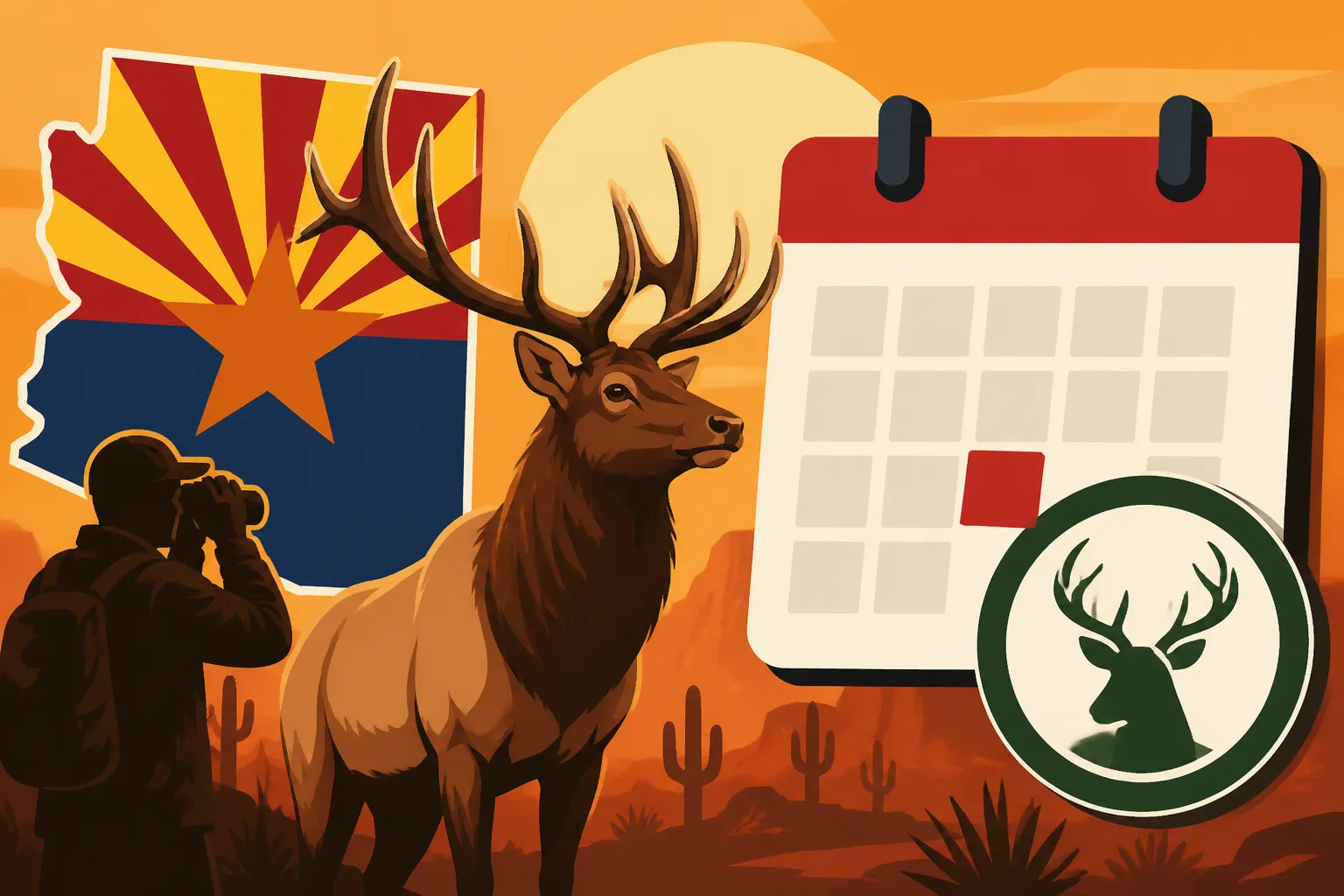
The Arizona Game and Fish Department (AZGFD) operates on a couple of distinct draw cycles throughout the year, but for elk and antelope, there's one date that stands above the rest: the second Tuesday in February. This specific day marks the close of the application period for the state's highly anticipated elk and antelope hunts. It’s not just a suggestion; it’s a hard, immovable cutoff. While other species might have different application windows, for the grand prize of an Arizona elk tag, February is your month. Make sure it's prominently marked on every calendar you own – digital, physical, mental – because this is the date when applications for the general, limited weapon (HAM), and archery-only elk seasons are due. The deadline for submitting your application for these hunts is typically at 11:59 PM Arizona Time on that second Tuesday in February. Knowing this specific date, often referred to as The Arizona Elk and Antelope Application Deadline, is the absolute foundation of your Arizona elk hunting journey.
Why This Deadline Matters So Much for Arizona Elk
The significance of this February deadline cannot be overstated, particularly when you consider the sheer demand for Arizona elk tags. Arizona is consistently at the top of many hunters' wish lists due to the quality of its elk herds and the potential for true giants. This popularity, however, translates directly into incredibly tough draw odds. Every single application for a limited-entry elk tag, whether you're a resident or a nonresident, must be submitted by this deadline. There are no extensions, no late applications, and no second chances once that clock strikes midnight.
For nonresidents, the stakes are even higher. Arizona adheres to a strict rule where Arizona Caps Nonresidents at Ten Percent of Every Hunt, meaning only a small fraction of the total available tags go to out-of-state hunters. This makes every application even more precious, and missing the deadline essentially removes you from consideration for any of those limited nonresident tags for the entire year. It’s not just about earning a bonus point for the next year; it’s about a lost opportunity for the current season. The department receives tens of thousands of applications for these hunts, and each one submitted before the deadline represents a dream and a significant investment of time and money in research.
Navigating the Arizona Draw Cycle for Elk Applications
Understanding the specific deadline is just the first step; truly navigating the Arizona draw cycle involves comprehending the broader application process and what goes into a successful submission. It's a system designed to be fair, but it demands careful attention to detail from every applicant.
Arizona's Distinct Draw Cycles and the February Priority
Arizona, unlike some other Western states, splits its big game draw into two primary cycles. The first, and most critical for elk and antelope, has its application period culminating in that February deadline. The second cycle, typically in June, is for species like deer, bighorn sheep, and bison. This distinction is crucial because it means you can't apply for an elk tag during the deer draw, and vice-versa. As covered in Arizona Runs Two Draw Cycles, February and June, each species has its own designated application window.
For elk, the February draw is the main event. It’s where the vast majority of tags for the upcoming fall and winter seasons are allocated. Even if you're not planning to hunt until later in the year, any limited-entry elk hunt—archery, muzzleloader, or rifle—will typically be part of this initial February application process. This staggered approach helps manage the workload for the AZGFD and allows hunters to focus their efforts on one set of species at a time, but it also means hunters need to be acutely aware of which cycle their target species falls into.
Preparing Your Application Before the Deadline Hits
The application process isn't something you can just rush through on the last day. It requires thoughtful preparation. First and foremost, you need an active Arizona hunting license, which must be purchased before you can apply for a tag. This license acts as your entry ticket into the draw. It’s a common mistake for new applicants to wait until the last minute, only to find themselves scrambling to buy a license and then complete the application.
Next, it's about research. Deciding which unit and hunt code to apply for is probably the most time-consuming and critical part of the process. You'll want to thoroughly scout units, understand their elk populations, draw odds, and specific hunt dates. Resources like GoHunt's insider information and mapping tools become invaluable here, allowing you to dive deep into unit statistics, harvest success rates, and bonus point trends. Many experienced Arizona hunters spend months poring over data and maps, often linking to information like Arizona Elk Hunt Codes Explained to decipher the nuances of specific hunt periods and weapon types. Creating a solid application strategy, including your first, second, and third choice hunt numbers, is vital. Remember, simply applying earns you Earning an Arizona Point by Applying if you don't draw, which is a key component of the state's bonus point system.
The Consequences of Missing the Arizona Application Deadline
Let's be blunt: missing the Arizona elk application deadline means you're out of luck for that year's draw, plain and simple. There's no appeal, no special consideration, and no way to sneak in a late application. This harsh reality is precisely why so many hunters stress over this date. If you miss it, you miss the opportunity to hunt elk in Arizona for the upcoming season, and you lose out on accumulating a bonus point for that year's draw, which could be critical for drawing a premium tag down the line.
The Arizona Game and Fish Department operates on a strict timeline to process tens of thousands of applications, conduct the draw, and notify successful applicants. Any deviation from the established deadline would create chaos and undermine the fairness of the system. Therefore, the best and only advice is to treat that second Tuesday in February as a hard stop. For a deeper dive into the exact repercussions, you might want to look at resources like What Happens If You Miss the Arizona Deadline.
Strategies to Avoid Missing This Critical Date
Given the high stakes, developing a robust strategy to ensure you never miss the Arizona elk application deadline is paramount. It’s not just about remembering a date; it’s about building habits and utilizing tools that protect your application.
Multiple Reminders and Digital Alerts
One of the simplest yet most effective strategies is to set up multiple reminders across various platforms. Don’t rely on a single sticky note or a fleeting thought.
- Calendar Alerts: Immediately add the deadline to your digital calendar (Google Calendar, Outlook, Apple Calendar) with reminders set for a month out, two weeks out, a week out, and the day before. Make these recurring annual events.
- Smartphone Notifications: Use dedicated reminder apps on your phone. Many apps allow for location-based reminders or persistent notifications that won't go away until you dismiss them.
- Email Reminders: Sign up for email newsletters from AZGFD or trusted hunting resources like GoHunt. They often send out timely reminders as deadlines approach.
- Physical Calendar: For those who still use them, mark it boldly on a wall calendar in a high-traffic area of your home.
The goal is redundancy. The more places and ways you’re reminded, the less likely you are to let the date slip by unnoticed amidst the hustle and bustle of daily life. This proactive approach ensures that by the time the actual deadline arrives, you've had ample opportunity to prepare and submit your application.
Utilizing Scouting Tools for Application Success
Beyond just remembering the deadline, successful application hinges on making informed choices. Modern scouting tools and platforms offer incredible advantages for researching units and understanding draw dynamics. Websites and apps like GoHunt provide detailed draw odds, unit profiles, and filtering tools that allow you to compare various hunt codes and assess your chances based on your bonus points. This research is best done well in advance of the deadline, allowing you to refine your choices without last-minute pressure.
By using these tools to analyze past draw data and success rates, you can tailor your application to your specific goals, whether that's drawing any elk tag or holding out for a trophy unit. Information on topics such as Checking Arizona Draw Odds Before You Apply is readily available through these platforms and can significantly impact your strategy. Don't underestimate the power of thorough research; it's what separates a hopeful applicant from a strategic one. You can also leverage these platforms to help you with Scouting an Arizona Unit Before the February Deadline, giving you insights into terrain, access, and game concentrations long before you ever set foot on the ground.
The Arizona Time Zone: A Critical Detail
Here’s a detail that often trips up nonresident hunters: Arizona does not observe Daylight Saving Time. This means that for much of the year, Arizona Time (MST) is effectively Pacific Daylight Time (PDT) during the summer months, and Mountain Standard Time (MST) during the winter. For the February elk application deadline, Arizona will be on Mountain Standard Time (MST). However, depending on where you are applying from, this can still mean a difference of one, two, or even three hours compared to your local time.
Always ensure you are submitting your application by 11:59 PM MST, not your local time zone. If you are on Eastern Standard Time, for example, 11:59 PM MST would be 1:59 AM EST the next day. This might seem like a small detail, but countless hunters have missed deadlines by miscalculating the time difference. Always double-check Which Time Zone Arizona Deadlines Use to be absolutely certain you are within the legal window. The AZGFD system is unforgiving, and a few minutes past midnight Arizona Time is considered a missed deadline, regardless of your personal time zone.
After the Deadline: What Comes Next?
Once you’ve successfully submitted your application by the February deadline, the hardest part—the waiting—begins. But even in this period, there are important steps to understand and actions you can take.
When to Expect Arizona Draw Results
The Arizona Game and Fish Department works diligently to process applications and conduct the draw as efficiently as possible. While there isn't an exact, fixed date for when results are released, they typically become available sometime in late April or early May for the February draw cycle. This can feel like an eternity when you're anxiously awaiting news, but it's important to be patient. The department will announce when results are available, usually through their website and social media channels. You can also refer to resources that track these patterns, such as When Arizona Posts Draw Results, to get a general idea of the timeline.
Checking Your Application Status
When the results are released, you won't necessarily get an email notification right away. The primary method for checking your application status is through your AZGFD portal account. This is the same online system you used to purchase your license and submit your application. Simply log in, navigate to your draw history or application status, and you'll be able to see whether you drew a tag, gained a bonus point, or were unsuccessful.
It's a moment filled with anticipation, a mix of hope and dread. If you drew, congratulations! The real planning for your hunt begins. If not, don't despair. You'll have earned a bonus point, which significantly increases your odds in future draws for Arizona elk. The key is to check your account promptly when results are announced, so you can begin planning your next steps, whether that's preparing for your hunt or strategizing for next year's application. A comprehensive guide like A Walkthrough of the Arizona Hunt Portal can help you navigate the system effectively.
Here's a quick reference for the Arizona elk application cycle:
| Event | Typical Month(s) | Key Detail |
|---|---|---|
| Application Period Opens | December / January | Begin researching units and strategies |
| Application Deadline | Second Tuesday in February | Crucial: Must submit by 11:59 PM Arizona Time |
| Draw Results Posted | Late April / Early May | Check your AZGFD portal account online |
| Successful Applicants Notified | Immediately upon results | Tags mailed shortly after results are posted |
| Unsuccessful Applicants | Receive bonus point | Begin planning for next year's draw and unit choices |
Disclaimer
Please remember that hunting regulations and application deadlines can change. While every effort has been made to provide accurate and up-to-date information, it is always your responsibility to consult the official Arizona Game and Fish Department regulations and website for the most current rules, dates, and requirements before applying or heading afield.