A Walkthrough of the Arizona Hunt Portal
Navigating the labyrinthine world of Arizona hunting applications can feel like an annual endurance test, leaving even seasoned hunters scratching their heads trying to keep up with deadlines, hunt codes, and bonus points. It's a common frustration, but thankfully, the Arizona Game and Fish Department (AZGFD) Hunt Portal is designed to streamline much of this process. This comprehensive guide will walk you through every critical step, from setting up your account to managing your applications, licenses, and vital bonus points, making your next Arizona hunt application a breeze.
Setting Up Your Account on the Arizona Game and Fish Portal
Before you can even dream of drawing that coveted Arizona elk tag or securing an over-the-counter deer license, you'll need to establish your presence on the AZGFD Hunt Portal. This isn't just a simple login; it's your digital identity within the Arizona hunting system, linking all your applications, licenses, and bonus points to one central profile. Think of it as your personal hunting command center. The process can seem a little daunting at first, especially if you're new to the Arizona Game and Fish system, but it's straightforward once you know the steps.
Initial Account Creation Steps
For first-time users, the journey begins with creating a new account. You'll head to the AZGFD website and look for the "Hunt Portal" or "Draw Application" section. There will be a clear option to "Create an Account." It’s crucial to use accurate information here, as this data will be cross-referenced with various state systems. You'll typically be asked for your full legal name, date of birth, and contact information. Take your time entering these details to avoid future headaches. The system might also ask if you've ever held an Arizona hunting license or applied in the past. If you have, even years ago, it's vital to try and link to that existing record to ensure your historical data, like bonus points, carries over. If you're unsure, it's better to contact AZGFD customer service to prevent creating duplicate profiles, which can cause significant issues down the line with your application history. This initial setup is truly the foundation for all your future hunting endeavors in Arizona. If you're looking for a more detailed step-by-step, our guide on Setting Up an Arizona Portal Account offers an even deeper dive.
Essential Information for Your Hunter Profile
Once you've cleared the initial account creation hurdle, you'll be prompted to complete your hunter profile. This involves providing more specific details that help AZGFD manage your hunting records and communicate with you effectively. You'll need to input your physical address, mailing address (if different), email, and phone number. It’s a good idea to use an email address you check regularly, as this is how AZGFD will send important notifications, including draw results. Beyond personal contact information, you'll also be asked about your residency status. This is a critical distinction because nonresident Arizona hunting licenses and tags come with different pricing structures and draw odds. If you've completed a hunter education course, you'll want to add that information too, especially if it was an Arizona-approved course, as it can factor into earning an important bonus point for future draws. For those with physical disabilities, there are often specific permits and considerations, such as the CHAMP permit, so make sure to accurately update that section if it applies to you. Keeping your profile meticulously updated ensures you receive all relevant communications and that your eligibility for various hunts and permits is correctly assessed.
Navigating the Application Process for Big Game Draws
The Arizona big game draw is where the real excitement and, for many, the real anxiety begins. It's the gateway to pursuing species like elk, mule deer, and bighorn sheep. Understanding the mechanics of this system is paramount to maximizing your chances. The AZGFD Hunt Portal acts as the central hub for all draw applications, allowing you to select hunt units, manage your choices, and monitor your application status. It's not just about filling out a form; it's about making informed strategic decisions based on your hunting goals and accumulated bonus points.
Understanding the Draw Cycles and Deadlines
Arizona operates on a split draw system, with different species falling into distinct application cycles. This means you can't apply for everything all at once. The primary draws include the spring cycle, typically for spring turkey, javelina, and some bear hunts, and the fall cycle, which covers highly sought-after species like elk, deer, pronghorn, and bighorn sheep. Missing a deadline means missing out entirely for that year, a frustration many hunters have experienced. For instance, the deadline for elk and antelope applications usually falls in early February, while deer, sheep, and bison applications generally close in early June. Staying on top of these dates is crucial. Many hunters use external tools like GoHunt to track these deadlines and research past draw odds, helping them plan their applications well in advance. Having a clear calendar reminder and double-checking the official AZGFD regulations each year is non-negotiable. Our article on The Arizona Elk and Antelope Application Deadline or The Arizona Deer, Sheep and Bison Deadline provides specific dates and details for these major draws.
Applying for Specific Hunt Codes and Species
When you're ready to apply, you'll navigate to the "Draw Application" section within the portal. Here, you'll select the species you wish to hunt and be presented with a list of available hunt codes. Each hunt code specifies the unit, weapon type (archery, muzzleloader, general rifle), and dates for a particular hunt. This is where research truly pays off. You'll typically be able to list up to five hunt choices in order of preference. It's not uncommon for hunters to spend hours pouring over unit data, success rates, and draw odds, sometimes using platforms like GoHunt's Insider service, to make these critical decisions. For example, if you're after a trophy mule deer, you might prioritize a unit like the Arizona Strip, but you'll need to understand the extreme difficulty of drawing such a tag. Conversely, for an over-the-counter archery deer tag, the portal allows for direct purchase without the draw, providing a different path. Always double-check your chosen hunt codes against the current year's regulations to ensure they align with your hunting strategy and eligibility. The detail you put into these selections can directly impact your hunting opportunities for the season.
Checking Application Status and Draw Results
After the application deadline passes, the waiting game begins. The AZGFD Hunt Portal is your primary source for checking the status of your application. Initially, it will show as "submitted" or "pending." Once the draw is conducted, which typically takes several weeks, the status will update to either "successful" or "unsuccessful." You’ll also usually receive an email notification if you've drawn, but checking the portal directly is often the quickest way to find out. Many hunters eagerly await these updates, often refreshing the page multiple times on the expected release dates. If you were successful, congratulations! The portal will then guide you through the process of purchasing your tag. If you were unsuccessful, don't despair. Your bonus points (which we'll discuss next) will accumulate, and you'll receive your refund if applicable. Remember, patience is a virtue in the Arizona draw, and using resources like the AZGFD portal to stay informed is key. To understand more about the notification process, read How Arizona Notifies Successful Applicants.
Managing Your Licenses, Tags, and Bonus Points
Once you're familiar with the application process, the next layer of portal mastery involves managing your existing licenses, purchasing over-the-counter opportunities, and, perhaps most importantly, tracking your hard-earned bonus points. These elements are critical for any long-term hunting strategy in Arizona, particularly for coveted big game species. The portal consolidates all this information into one easy-to-access location, making it much simpler than keeping track of paper records from years past.
Purchasing Over-the-Counter Tags and Licenses
While the big game draws get most of the attention, Arizona offers a fantastic array of over-the-counter (OTC) hunting opportunities that don't require going through the lottery system. Species like archery deer, javelina, bear, and mountain lion often have OTC tags available. The AZGFD Hunt Portal is where you'll purchase these. You simply log in, navigate to the "Licenses and Permits" section, and select the desired tag or license. This includes your general hunting license, which is a prerequisite for all hunting activities in Arizona, whether draw-based or OTC. The process is much like any online retail purchase: add to cart, check out, and you'll typically receive a printable tag or a digital record. It’s always important to carry proof of your license and tags while in the field. This ease of access for OTC tags makes Arizona a popular destination for those who want to guarantee a hunt each year, even if they don't draw a premier elk tag.
Tracking Your Bonus Point Accumulation
Bonus points are the currency of the Arizona draw system, giving you an advantage in future applications. You earn a bonus point for each year you apply for a species and are unsuccessful. These points essentially increase your odds in subsequent draws, as a portion of the tags are allocated to applicants with the highest point totals. The AZGFD Hunt Portal provides a clear, concise record of your accumulated points for each species. You can log in, go to your profile or a dedicated "Bonus Points" section, and see your current tally. This is invaluable for strategizing future applications. For example, if you have many elk points, you might be targeting a premium unit, whereas with fewer points, you might focus on units with higher general draw odds. Many hunters use third-party tools, like those provided by GoHunt, in conjunction with the official portal data to better understand what their current point totals mean in terms of draw success. Remember, points are species-specific; your elk points won't help you draw a deer tag. You can also purchase a bonus point without applying for a hunt, ensuring your accumulation continues even if you can't commit to hunting that year. Our article on Earning an Arizona Point by Applying explains this process in more detail.
Updating Personal Information and Preferences
Life happens, and sometimes your address or contact information changes. Keeping your hunter profile updated on the AZGFD Hunt Portal is not just good practice; it's essential for receiving critical information. If your mailing address changes, for example, your physical tags (if mailed) might go to the wrong place. If your email changes, you could miss important draw notifications or regulatory updates. The portal allows you to easily edit your personal details, ensuring AZGFD can always reach you. Beyond basic contact info, you can often update communication preferences, such as opting in or out of newsletters, or managing your payment information for future applications. Regularly reviewing your profile, perhaps once a year before the main draw cycles, is a small effort that can prevent significant headaches down the road.
Beyond the Draw: Resources and Tools on the Portal
The Arizona Hunt Portal isn't just about applying for tags; it's a treasure trove of information and tools designed to help you plan and execute your hunts. From official regulations to interactive maps, the portal serves as a critical resource that goes far beyond the application process. Utilizing these features can significantly enhance your understanding of Arizona's diverse hunting landscape and regulations.
Accessing Regulations and Hunt Information
One of the most vital resources on the portal is direct access to the official Arizona hunting regulations. Every year, AZGFD publishes a detailed booklet outlining season dates, bag limits, weapon restrictions, legal shooting hours, and much more for all game species. The portal typically hosts a digital version of this document, often sectioned off for easy navigation. Instead of sifting through physical papers or outdated online versions, you can always find the most current regulations directly through your account. This is crucial for staying legal and informed, as regulations can change from year to year. Whether you need to know Why Arizona Requires Broadheads Wider Than 7/8 Inch or the specific legal shooting hours, the portal has the official answers. Always consult the current year's regulations before heading afield; relying on past knowledge can lead to unintentional violations.
Utilizing Mapping and Unit Data
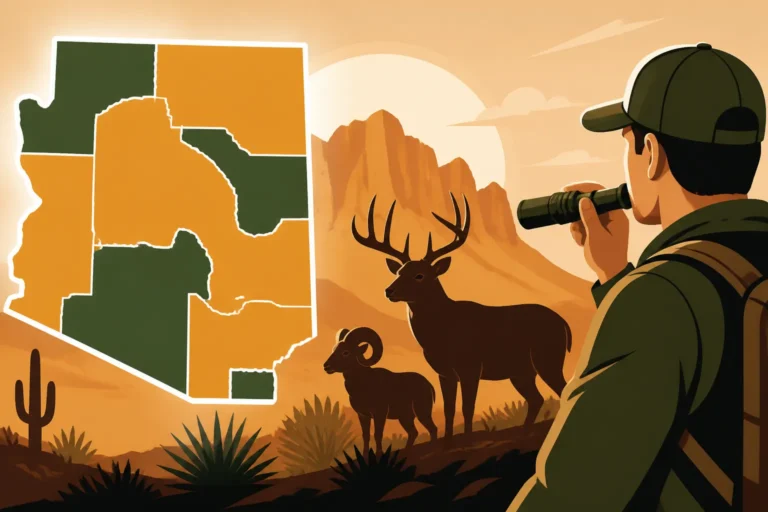
Beyond regulations, the AZGFD Hunt Portal often provides links or direct access to mapping resources and unit data that are invaluable for planning. While detailed topographic maps and private land boundaries are usually best viewed through dedicated mapping apps like onX Hunt or through services like GoHunt that integrate this data, the portal often provides fundamental information about game management units (GMUs). You can find unit boundaries, descriptions, and sometimes even links to harvest statistics or population reports. Understanding Reading an Arizona Game Management Unit Map is fundamental to effective hunting. This data helps you visualize the terrain, identify potential access points, and understand the general characteristics of a unit before you even set foot in it. For those who enjoy in-depth research before applying, pairing the portal's information with advanced mapping tools can provide a powerful advantage when deciding which units to apply for or which areas to scout. This foundational mapping data helps hunters make informed decisions about where to focus their efforts, whether they're drawing a tag or looking for over-the-counter opportunities.
Disclaimer
Please remember that hunting regulations, deadlines, and portal features can change. Always consult the official Arizona Game and Fish Department website and the most current annual hunting regulations for the most accurate and up-to-date information before planning or participating in any hunting activity. This guide is for informational purposes only.