Hunter Education Is Required Under 14 in Arizona
It can be incredibly confusing for parents and guardians trying to navigate the rules and regulations around youth hunting in Arizona, especially with the ever-changing landscape of requirements. Many worry about accidentally breaking a rule or not properly preparing their young hunter for a safe and ethical experience afield. This comprehensive guide is here to unravel the specifics of Arizona's hunter education mandate for hunters under 14, ensuring clarity and confidence for your family's outdoor adventures.
Understanding Arizona's Youth Hunter Education Mandate
The Grand Canyon State is a fantastic place to introduce youngsters to the hunting tradition, but like any responsible state, Arizona has specific requirements to ensure safety and ethical conduct. For many families, figuring out who needs what, and when, can feel like a labyrinth. It’s not just about getting a license; it’s about fostering a deep understanding of wildlife, firearms, and the environment.
Who Exactly Needs Hunter Education in Arizona?
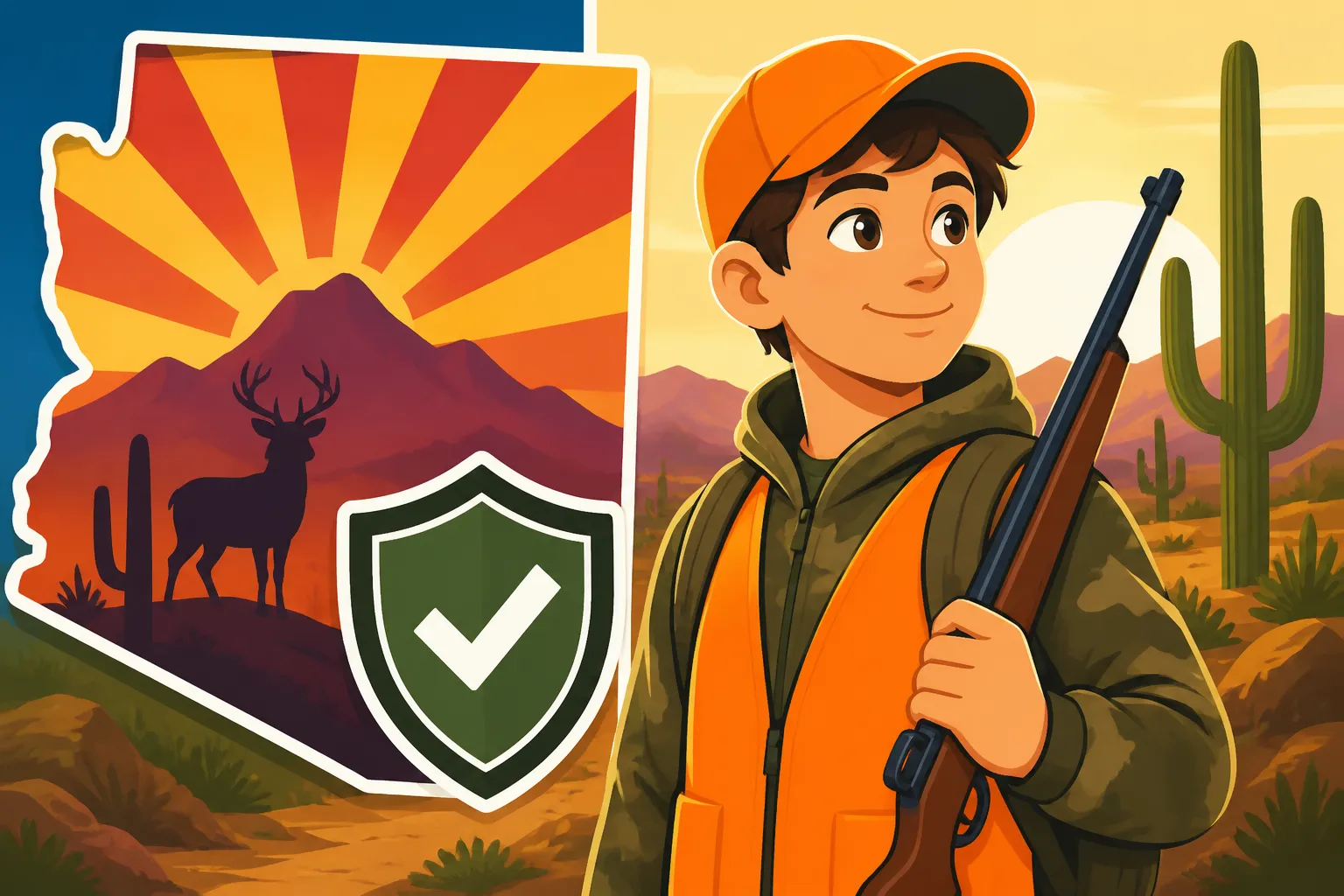
Let's cut through the confusion right away. In Arizona, any person under 14 years of age must complete an approved hunter education course before they can obtain a hunting license to hunt big game. This is a crucial distinction that often trips up new hunting families. While younger children might be able to participate in certain small game hunts under direct supervision, the big game draw and subsequent licensing process necessitate that formal education. It's a foundational step to ensure that when they finally carry a tag for a deer or an elk, they're equipped with more than just enthusiasm.
Furthermore, it's not just the under-14 crowd that benefits. Even adults who are new to hunting, or those coming from other states with different regulations, often find immense value in taking an Arizona-specific course. It covers local laws, unique species, and desert-specific challenges that might not be part of a generic hunter education curriculum. The state prioritizes safety, and this education is designed to instill responsible practices from the very start, which benefits everyone in the field.
The Specifics of the Age Requirement
The "under 14" rule means that once a hunter turns 14, they are no longer mandated to have hunter education to purchase a license. However, if they want to earn the permanent bonus point offered through the "Ethically Hunting Arizona" course, or if they just want a refresher, they are still welcome to take a course. For those below 14, this requirement isn't just a suggestion; it's a hard rule set by the Arizona Game and Fish Department (AZGFD). The certification card issued upon completion serves as proof of this requirement.
It’s important to clarify that this age restriction applies to obtaining the actual hunting license for big game. This means that if your child is, say, 12 years old and wants to apply for a deer tag, they must have completed hunter education before that tag can be issued to them. This ensures that by the time they step into the field with a big game weapon, they've been formally taught about safe handling, shot placement, and game recovery, minimizing risks for both the hunter and the wildlife. Understanding this specific window is key for parents planning their child’s first big game hunt. For a more detailed look into what that course covers, you might be interested in topics like Hunter Education From Age Nine in Arizona.
Why Hunter Education Matters Beyond Just Compliance
While compliance with state regulations is undoubtedly a primary driver for taking hunter education, the real value extends far beyond simply checking a box. These courses are designed to cultivate a deep sense of responsibility, safety, and respect for wildlife and the environment. They teach not just how to shoot, but when to shoot, and more importantly, when not to. This ethical foundation is what truly makes a responsible hunter.
Consider the intricacies of hunting Arizona's unique landscapes, from the Sky Islands to the vast deserts. Understanding animal behavior, tracking skills, and even basic survival techniques are all components often integrated into these programs. It fosters a connection to nature that goes beyond the harvest, instilling conservation principles that will last a lifetime. Ultimately, hunter education is about developing well-rounded, thoughtful outdoorsmen and women who contribute positively to the rich tradition of hunting.
Navigating the Arizona Hunter Education Course Options
Once you understand the mandate, the next step is figuring out the best way for your young hunter to complete the course. Arizona offers flexible options to accommodate different learning styles and schedules, but each has its own nuances. It's not a one-size-fits-all situation, and choosing the right path can make a big difference in how much your child learns and retains.
Online vs. In-Person: Which Is Best for Your Young Hunter?
Arizona provides two primary avenues for hunter education: online courses and traditional in-person classroom settings. Each has distinct advantages and disadvantages. Online courses offer unparalleled flexibility, allowing students to learn at their own pace from the comfort of home. This can be ideal for busy families or children who thrive in self-directed learning environments. Many reputable platforms offer interactive modules, quizzes, and engaging content that can keep a young hunter's attention. However, online learning often requires a high degree of self-discipline and parental involvement to ensure the material is truly understood, not just rushed through.
In contrast, in-person courses provide direct interaction with certified instructors and fellow students. This setting is often better for kinesthetic learners who benefit from hands-on activities, direct Q&A, and the social aspect of a classroom. These courses typically include practical field exercises, which are invaluable for learning safe firearm handling, muzzle control, and proper shooting stances under expert supervision. The structured environment can also ensure that critical safety lessons are thoroughly absorbed. The downside, of course, is the fixed schedule and location, which may not always align with family commitments. When exploring options, a platform like GoHunt can sometimes list available courses or provide links to official AZGFD resources to help you locate a class that fits your family's needs.
What the Arizona Hunter Education Course Covers
Regardless of whether you choose an online or in-person format, the core curriculum for Arizona hunter education is comprehensive and designed to cover all essential aspects of safe and ethical hunting. Students will delve into topics such as firearm safety rules (the four main rules are constantly reinforced!), basic marksmanship, ammunition types, and proper field carries. They'll learn about wildlife identification, biology, and conservation principles, understanding the role hunters play in managing healthy populations.
Beyond the technical skills, the course also focuses heavily on ethical hunting practices. This includes understanding fair chase principles, shot placement for quick, humane harvests, and crucial game recovery techniques. Environmental responsibility, such as Leave No Trace principles and respecting private property, is also a significant component. Legal aspects, including hunting laws, regulations specific to Arizona, and tagging requirements, are thoroughly reviewed to ensure new hunters are fully compliant. This broad scope ensures that young hunters develop a holistic understanding of their responsibilities as participants in the outdoor community.
The Field Day Requirement
For those who opt for an online hunter education course, a mandatory in-person field day is typically required to complete the certification. This isn't just an optional add-on; it's a critical component designed to bridge the gap between theoretical knowledge and practical application. The field day is where students demonstrate their understanding of safe firearm handling, participate in live-fire exercises on a shooting range, and engage in practical scenarios that simulate real-world hunting situations.
During a field day, certified instructors observe students directly, providing immediate feedback and correcting any unsafe habits. They'll cover topics like safe zone-of-fire awareness, crossing obstacles with a firearm, and practicing different shooting positions. This hands-on experience is invaluable for developing confidence and competence with a hunting weapon. It's also an opportunity to reinforce the ethical lessons learned in the online portion, emphasizing responsible decision-making in the field. Without successfully completing this field day, an online course alone will not result in full hunter education certification in Arizona.
| Course Type | Format | Key Advantages | Typical Requirements | Ideal For |
|---|---|---|---|---|
| Online | Self-paced digital modules | Flexibility, learn at home, often interactive | Requires in-person field day, strong self-discipline | Busy families, self-motivated learners |
| In-Person | Traditional classroom instruction | Hands-on experience, direct instructor interaction, peer learning | Fixed schedule/location, can be less flexible | Kinesthetic learners, those seeking direct mentorship |
Exemptions, Apprentice Licenses, and Other Paths Afield
While hunter education is a cornerstone for youth hunting in Arizona, there are specific provisions and alternative paths that can allow young or new hunters to get out into the field under careful supervision before they've completed the full course. Understanding these options is crucial for families eager to introduce their children to hunting without missing a beat.
The Apprentice Hunting License: A Stepping Stone for Young Hunters
Arizona offers an "Apprentice Hunting License" which serves as a fantastic entry point for new hunters, including youth who haven't yet completed hunter education. This license allows individuals to hunt under the direct supervision of an experienced, licensed hunter (who must be 18 years or older). The beauty of this program is that it provides a way for new hunters to gain practical experience in the field, learn from a mentor, and participate in hunts before fulfilling the formal education requirement. For more on what this license entails, check out The Apprentice License and What It Excludes.
However, it’s vital to understand the limitations. An apprentice license holder must always be within arm's length of their mentor, and the mentor is fully responsible for the apprentice's actions. Also, while an apprentice license allows participation in general small game and certain big game seasons, it does not bypass the hunter education requirement for big game draw tags if the hunter is under 14. So, it's a great tool for initial exposure and building skills, but for serious big game pursuits for minors, hunter education is still the ultimate destination.
Supervising Unlicensed Youth: Rules and Responsibilities
Even without an apprentice license, very young children can often accompany a licensed hunter and participate in limited ways, especially for small game. Arizona law allows licensed adult hunters to take up to two unlicensed children under the age of 10 afield for small game hunting. This is an incredible opportunity for parents to introduce the next generation to the outdoors, teaching them about wildlife, tracking, and the joy of the hunt in a low-pressure environment. It’s an informal mentorship that often plants the seeds for future dedicated hunters. You can learn more about this by reading Taking Two Unlicensed Children Afield.
The key here is "supervision." The licensed adult is responsible for the safety and actions of the children and must ensure they understand and follow all hunting laws. This isn't a scenario for the children to independently hunt; rather, it's an educational outing where they observe and learn. It's a chance to build comfort with the outdoor setting, understand the natural world, and absorb the ethics of hunting through direct experience with a trusted adult. This early exposure can be incredibly formative, building a strong foundation long before formal hunter education begins.
When Hunter Education Isn't Required for Small Game
It's important to distinguish between big game and small game requirements. While the "under 14" rule strictly applies to obtaining a big game license, hunter education is generally not required for any hunter (youth or adult) pursuing small game species like quail, dove, or rabbits, as long as they possess a valid Arizona hunting license. This makes small game hunting an excellent entry point for new hunters, offering abundant opportunities and less stringent prerequisites.
For youth hunters, this means they can get their feet wet with a valid general hunting license (and an apprentice license if they are over 10 but still need supervision) and begin honing their field skills on more accessible species. The fast-paced nature of quail or dove hunting, for instance, provides immediate feedback and teaches quick target acquisition in a relatively safe, open environment. While formal hunter education is still highly recommended for all new hunters for safety and ethical reasons, the regulatory hurdle is lower for small game, making it a perfect starting point for many young adventurers.
Beyond the Basics: Advanced Ethics and Lifelong Learning
Once the foundational hunter education course is complete, the journey of learning about hunting and conservation in Arizona is far from over. In fact, the state provides additional incentives and opportunities for hunters to deepen their knowledge and commitment to ethical practices, fostering a culture of continuous improvement and responsible stewardship.
The Ethically Hunting Arizona Course: Earning a Permanent Bonus Point
Arizona goes a step further in promoting ethical hunting by offering "The Ethically Hunting Arizona Course." This isn't just another hunter education course; it's a specialized program designed for all hunters, regardless of age or experience level, to delve deeper into the ethical dimensions of hunting. The really exciting part? Successfully completing this course earns you a permanent bonus point in the Arizona draw system. This is a significant incentive, as bonus points are crucial for improving your odds of drawing coveted tags for species like elk or mule deer. You can find more details about this valuable course here: The Ethically Hunting Arizona Course Explained.
This course often explores advanced topics such as shot selection under pressure, understanding game recovery challenges in Arizona’s diverse terrain, and making tough ethical decisions in the field. It reinforces the values of respect for wildlife, fair chase, and leaving a positive legacy. For any hunter serious about maximizing their draw odds and becoming an even more responsible conservationist, this course is an absolute must. Think of it as an honors program for dedicated Arizona hunters. Earning a permanent bonus point from this course is a fantastic benefit, and you can learn precisely How a Course Earns You a Permanent Bonus Point.
Mentorship: The Critical Role of Experienced Hunters
Beyond formal courses, one of the most powerful and enduring forms of hunter education comes through mentorship. Experienced hunters play an absolutely vital role in passing down not just technical skills, but also the intangible wisdom, respect, and passion for the outdoors that cannot be taught in a classroom. A good mentor models ethical behavior, teaches patience, explains the "why" behind rules, and fosters a deep appreciation for the land and its wildlife.
This one-on-one guidance can cover everything from reading wind on a Sky Island stalk to understanding the nuanced behavior of a rutting bull elk on the Mogollon Rim. It's about learning subtle cues, field craft, and developing a hunter's intuition that only comes with time and shared experience. Parents, family friends, or even local hunting groups can serve as invaluable mentors, shaping young hunters into responsible and knowledgeable participants in the tradition. This transfer of knowledge ensures that hunting's rich heritage continues to thrive and evolve with each new generation.
Continuing Education: Staying Current with Regulations
The world of hunting regulations is dynamic, and what was true last year might have changed this season. Staying current with Arizona's hunting laws, season dates, and unit-specific rules is an ongoing responsibility for all hunters, regardless of how many years they've been in the field. The Arizona Game and Fish Department frequently updates its regulations booklet, and it's essential for hunters to review these changes annually.
This "continuing education" isn't about taking another formal course, but rather about proactive engagement. This could involve regularly checking the AZGFD website, subscribing to their newsletters, or utilizing digital platforms like GoHunt which often provide up-to-date regulation summaries and unit data. Being informed prevents accidental violations, ensures fair chase, and contributes to the overall conservation effort. A truly responsible hunter understands that learning never stops, especially when it comes to protecting Arizona's incredible wildlife resources.
Practical Considerations for Young Hunters and Their Families
Getting a young hunter ready for their first big game hunt in Arizona involves much more than just completing a course and drawing a tag. There are practical steps, equipment considerations, and thoughtful decisions to be made that can significantly impact their safety, comfort, and overall enjoyment of the experience.
Preparing for the Course: What Parents and Kids Need to Know
Before a young hunter even sits down for their hunter education course, a little preparation can go a long way in making the experience more effective and enjoyable. Parents should talk with their child about what to expect, why hunter education is important, and how it contributes to safe and responsible hunting. Framing it as an exciting step toward their first hunt, rather than just a chore, can build enthusiasm. If the course involves firearms, discuss basic safety rules beforehand to create a foundational understanding.
For online courses, ensure a quiet learning environment and be prepared to assist younger children with reading or comprehension if needed. For in-person classes, arrive on time, bring necessary materials, and encourage active participation. It's also a good idea to ensure your child is well-rested and fed, as these courses can be several hours long. The more prepared and engaged both parent and child are, the more valuable the learning experience will be, setting them up for success from the outset.
Equipment and Gear: Starting Your Young Hunter Off Right
When a young hunter is ready to go afield, outfitting them properly is crucial for comfort, safety, and success. This doesn't mean buying the most expensive gear, but rather focusing on functional, well-fitting items. A firearm that fits them properly is paramount; a gun that is too heavy or has too much recoil can be discouraging and unsafe. Many manufacturers offer youth models with shorter stocks and lighter weights. Consider starting with a smaller caliber appropriate for small game before moving to larger calibers for big game.
Beyond the weapon, good quality layers of clothing suitable for Arizona's diverse climates (which can swing wildly in temperature, especially in areas like the Mogollon Rim), comfortable and supportive boots, and a well-fitting backpack are essential. Optics, like a good pair of binoculars, are also critical for spotting game and identifying legal animals, particularly when hunting species like Coues deer in the vast open country. Remember, a comfortable hunter is a more focused and enjoyable hunter. Don't forget safety essentials like hearing protection and shooting glasses, even for target practice.
Finding the Right Hunt: Species and Units for First-Timers
Choosing the right first hunt for a young hunter is a critical decision that can shape their entire hunting future. Starting with accessible species and units can build confidence and create positive memories. For many, small game hunting, like chasing Gambel's quail, offers plenty of action and lower pressure. If big game is the goal, consider species with higher draw odds or over-the-counter opportunities.
Arizona's five-month OTC archery deer season, for instance, offers a fantastic opportunity for young archers to pursue deer without the challenge of the draw. This season allows for extended time in the field, increasing learning opportunities. When researching units, look for areas with good public access and moderate terrain that won't overwhelm a new hunter. Platforms like GoHunt can be invaluable for researching draw odds, unit statistics, and public land percentages to help you narrow down the best options. The goal is to set them up for a positive, successful experience that encourages a lifelong passion for hunting. For ideas on these kinds of hunts, you might want to look into Arizona's Over-the-Counter Archery Deer Tag Explained.
Common Pitfalls and How to Avoid Them
Even with the best intentions, it's easy to fall into common traps when navigating the world of youth hunting regulations and practices. Being aware of these potential pitfalls can save you a lot of headache and ensure a smoother, safer experience for everyone involved.
Misinterpreting Age Requirements and Licenses
One of the most frequent mistakes parents make is misinterpreting the specific age requirements for hunter education and licenses. Forgetting that a hunter under 14 needs hunter education to get a big game license, even if they have an apprentice license, is a common oversight. The apprentice license is fantastic for supervised hunting, but it doesn't waive the formal education if they're pursuing a drawn big game tag as a minor. This can lead to last-minute scrambling or, worse, a missed opportunity if the education isn't completed in time for the tag to be issued.
Another common pitfall is misunderstanding the scope of the apprentice license. While it allows participation, it mandates direct, close supervision. An apprentice cannot simply go off on their own. It’s critical to read the Arizona Game and Fish Department regulations carefully each year to ensure you understand the current stipulations for all license types and age groups. A small misunderstanding can have significant consequences, so clarity is key.
Overlooking the Importance of Practical Skills
While the classroom portion of hunter education covers a vast amount of theoretical knowledge, it's the practical skills that truly keep hunters safe and ethical in the field. A common mistake is to consider the "course" as merely an information download, overlooking the vital importance of hands-on practice. Just because a child passes an online test doesn't mean they're proficient in safe firearm handling, effective shot placement, or navigating challenging terrain.
Parents and mentors must commit to providing opportunities for their young hunters to practice these skills. This includes regular trips to a safe shooting range to develop marksmanship, practicing walking with a safe muzzle direction, and rehearsing scenarios like crossing a fence with a loaded firearm. Real-world skills like reading maps, using a compass or GPS, and understanding animal sign are also critical. Without practical application, even the best theoretical knowledge can fall short when it matters most.
Dealing with Lost or Expired Certification Cards
In the rush and excitement of preparing for a hunt, a lost hunter education certification card can throw a serious wrench into plans. It's a common oversight, and realizing you can't find that crucial piece of paper right before a big hunt can be incredibly frustrating. While hunter education certifications typically don't "expire," the physical card is often required as proof of completion, especially when purchasing licenses or applying for certain permits.
Fortunately, replacing a lost card in Arizona is usually straightforward through the Arizona Game and Fish Department website or by contacting them directly. However, it's not always an instant process, so it's wise to request a replacement well in advance of any hunting season. A proactive approach is always best: keep a digital copy, make a physical photocopy, and store the original in a safe, memorable place. This simple step can prevent unnecessary stress and ensure your young hunter's hard-earned certification is always accessible when needed.
Resources and Support for Arizona's Youth Hunters
Arizona is incredibly rich in hunting opportunities, and thankfully, there are numerous resources available to support young hunters and their families every step of the way. From state-run programs to online communities, finding the right information and support can make the difference between a frustrating experience and a deeply rewarding one.
Arizona Game and Fish Department Programs and Events
The Arizona Game and Fish Department (AZGFD) is the primary resource for all things hunting in the state, and they offer a wealth of programs specifically tailored for youth. These can range from structured hunter education courses to "Youth Outdoors" events, fishing clinics, and mentored hunting opportunities. These events are designed not only to teach skills but also to foster a love for the outdoors, conservation, and ethical recreation. They often provide equipment, expert instructors, and a supportive environment for young people to try new activities.
Checking the AZGFD website regularly for their calendar of events is highly recommended. These programs are often free or low-cost and provide an excellent opportunity for young hunters to gain experience, meet other outdoor enthusiasts, and learn directly from wildlife professionals. Many of these events take place in specific units or regions, giving young hunters exposure to different parts of the state's diverse landscapes.
Online Tools and Community Forums for New Hunters
In the digital age, a wealth of information and community support is just a click away. Websites and forums dedicated to Arizona hunting, like those often found or linked through platforms like GoHunt, can be invaluable resources for new hunters and their families. These online communities allow you to ask questions, share experiences, and get advice from seasoned Arizona hunters. You can find recommendations for gear, tips for specific units, and even mentorship connections.
Many online platforms also offer e-scouting tools and digital maps that can help you research potential hunting areas, understand land ownership (critical for navigating Arizona State Trust Land), and plan trips more effectively. Utilizing these tools, which often include layers for public land, water sources (like those important for Finding Water in Arizona's Dry Country), and even historical harvest data, can significantly reduce the learning curve for new hunters and their families. They provide an opportunity to scout from home before ever setting foot in the field, building confidence and knowledge.
Youth Hunting Opportunities and Special Seasons
Arizona recognizes the importance of recruiting and retaining young hunters, and to that end, they often offer special youth-only hunting seasons or specific hunt codes for young participants. These seasons are designed to provide a less pressured hunting environment, allowing young hunters to focus on learning and enjoying the experience without competing with a large number of adult hunters. These hunts can include opportunities for deer, javelina, or even specific small game seasons.
Keep an eye on the annual Arizona Hunting Regulations booklet and the AZGFD website for announcements regarding these youth-specific hunts. They often have different application deadlines or tag availability, so early planning is crucial. Participating in these focused hunts can be incredibly rewarding, offering a dedicated experience that emphasizes ethical hunting, safety, and a deep appreciation for Arizona's abundant wildlife. Exploring different hunt types like What a HAM Hunt Actually Is might also lead to suitable opportunities for new hunters.
Disclaimer
Please remember that hunting regulations, license requirements, and season dates can change. Always consult the official Arizona Game and Fish Department (AZGFD) website and the current year's hunting regulations booklet before planning any hunt or making any purchases. This guide is intended for informational purposes only and should not be considered a substitute for official state regulations.