Donating Game Meat After an Arizona Hunt
After a successful hunt in Arizona, many of us find ourselves with more delicious, organic protein than our freezers can realistically hold. It’s a wonderful problem to have, but it can also lead to tough choices about what to do with the bounty. This guide will walk you through everything you need to know about donating game meat in Arizona, ensuring your harvest not only feeds your family but also helps those in need across our communities.
The Deeply Rewarding Act of Donating Game Meat
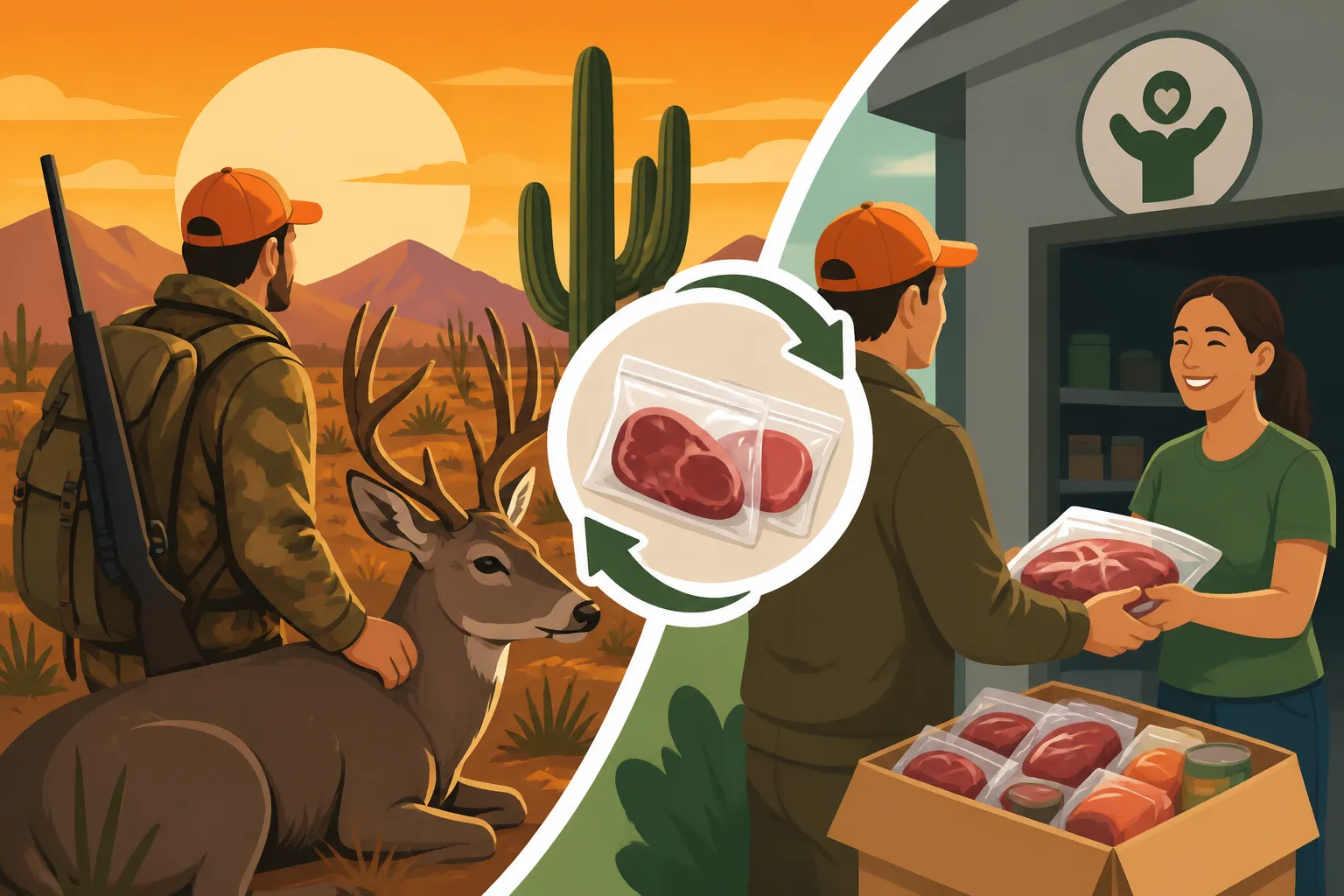
Let's be real, harvesting an animal is a significant undertaking, from the intense scouting and preparation to the moment of truth. Once the hard work of the hunt is done, the thought of letting any part of that precious meat go to waste is heartbreaking. For many of us, ethical hunting extends far beyond the shot, encompassing the respectful and responsible use of every part of the animal. Donating game meat is a powerful way to honor that commitment, transforming a personal success into a communal benefit. It ensures that the lean, healthy protein you’ve worked so hard for finds its way to individuals and families who truly need it, bridging the gap for those struggling with food insecurity. It’s a quiet but profound act of generosity that truly embodies the spirit of giving back.
Why Sharing Your Harvest Matters So Much
The reality is that hunger is a prevalent issue, even in a beautiful state like Arizona. Food banks and charities are constantly striving to provide nutritious meals, and wild game offers an incredibly high-quality, lean protein source that’s often hard for these organizations to acquire. When you donate, you're not just giving away extra meat; you're providing sustenance that can make a real difference in someone's diet, offering a healthy alternative to processed foods. It’s a direct way to support your local community and ensure that the hard-won meat from your hunt doesn't just sit in your freezer, but truly fulfills its potential. This practice also shines a positive light on hunting, showcasing it as a responsible and charitable activity.
Ethical Considerations and Waste Reduction
From the moment we draw a tag, the ethical hunter considers the entire process, from the fair chase to the proper care of the animal post-harvest. Leaving meat to spoil or accumulate beyond personal use goes against the very grain of responsible hunting. Organizations that facilitate game meat donations are key partners in upholding this ethic. They provide a vital link between successful hunters and hungry families, ensuring that no part of the animal is wasted. This aligns perfectly with the principles many of us learned during our hunter education courses, where the importance of utilizing the harvest is a cornerstone. It also reinforces the notion that hunting is not just a sport, but a means of providing food, a tradition as old as humanity itself.
Navigating Arizona's Game Meat Donation Landscape
Finding the right place to donate your game meat in Arizona can sometimes feel a bit like tracking a elusive Coues deer in the high country – it takes a little research and knowing where to look. While there isn't a single, statewide official program, numerous local organizations, food banks, and processing facilities often work together to facilitate these donations. The key is to be proactive and understand their specific requirements, as these can vary significantly from one location to another. Many hunters, when planning their season using resources like GoHunt to scout and plan, also make it a point to research potential donation sites in their hunting unit, ensuring they have a plan for their harvest before they even leave home.
Connecting with Local Food Banks and Shelters
Many local food banks, homeless shelters, and community outreach programs are more than willing to accept game meat, provided it meets their strict health and safety guidelines. However, you absolutely must contact them beforehand. They often have specific protocols, such as requiring the meat to be professionally processed, inspected, and properly packaged. Don't just show up with a cooler full of field-dressed deer; that's almost guaranteed to be turned away. A quick phone call can save you a lot of time and potential disappointment. Explain what you have, how it was handled, and ask about their specific needs and acceptance criteria. Some might only accept ground meat, while others might be equipped to handle various cuts.
Utilizing Specialized Hunter-to-Plate Programs
While Arizona might not have a widely publicized "Hunters for the Hungry" program in the same vein as some other states, there are often smaller, community-led initiatives or local processors who partner with charities. Organizations like Farmers and Hunters Feeding the Hungry (FHFH) operate nationally and can sometimes connect you with local processors and charities in Arizona. It's always worth checking their website or contacting them directly to see if they have active chapters or partners in your area. These specialized programs are often better equipped to handle game meat and understand the unique aspects of donating wild game, often covering the processing costs or providing a list of approved processors.
Working with Approved Processors
The most reliable way to ensure your donated game meat is accepted is often to have it processed by a state-inspected, reputable butcher shop that is familiar with handling wild game and has existing relationships with charitable organizations. Many processors in Arizona are happy to process game for donation and can even guide you on which charities they work with. This not only guarantees proper handling and packaging but also provides the necessary documentation and assurance of safety that food banks require. Before your hunt, when you're checking your gear and planning your access points, it’s a smart move to also look up approved meat processors in the area you plan to hunt or near your home base. Sites like GoHunt often have community forums where hunters share recommendations for processors, which can be an invaluable resource.
Here's a quick checklist to help you ensure your meat is ready for donation:
| Step | Description | Importance |
|---|---|---|
| Pre-Contact | Call your chosen food bank, shelter, or processor before your hunt or immediately after harvest to confirm their specific acceptance policies, preferred cuts, and processing requirements. | Critical: Prevents rejection; ensures proper procedures are followed. |
| Immediate Field Dressing | Gut the animal as quickly and cleanly as possible to prevent bacterial growth. Remove all organs. | High: Essential for meat quality and safety, especially in warmer Arizona temperatures. |
| Rapid Cooling | Get the carcass cooled down quickly. Prop it open, use ice if necessary, and transport it efficiently to a cooler or processor. | High: Stops bacterial proliferation; preserves flavor and texture. |
| Cleanliness | Keep hair, dirt, and foreign matter off the meat. Avoid puncturing intestines during field dressing. If transporting, ensure surfaces are clean. | High: Prevents contamination and spoilage; crucial for health and safety standards. |
| Professional Processing | Have the meat processed by a licensed, reputable butcher experienced with wild game. They understand proper cuts, packaging, and inspection requirements. | Very High: Most donation sites require professionally processed meat for safety. |
| Proper Packaging & Labeling | Ensure meat is vacuum-sealed or freezer-wrapped to prevent freezer burn. Label each package clearly with "Wild Game," the species (e.g., "Deer"), and the date. | High: Maintains quality; allows charities to easily identify and distribute. |
| Transportation | Transport the frozen or chilled meat in clean coolers, maintaining appropriate temperatures until delivery to the donation point. | High: Prevents thawing and contamination during transit. |
| Required Documentation | Confirm if the donation site or processor needs any documentation, such as your hunting license number or a simple donation form. | Medium: Ensures compliance and proper record-keeping for the charity. |
Preparing Your Harvest for Donation
The journey from a successful harvest to a nutritious meal for someone in need hinges entirely on how meticulously you prepare your game meat. This isn't just about butchering; it’s about upholding the highest standards of hygiene and care from the moment the animal is down. Remember, food safety is paramount for any organization accepting donations, and they have to trust that the product you're providing is safe and wholesome.
Field Dressing and Cooling in the Arizona Environment
Arizona hunting often involves warm temperatures, especially during early seasons. This means immediate and thorough field dressing is non-negotiable. As soon as your animal is down, get to work. Remove all organs promptly and cleanly to allow the carcass to cool internally. For mule deer or elk taken on the Mogollon Rim in August, this could mean Field Dressing in Desert Heat. You'll want to prop open the cavity with a stick or spreader to encourage air circulation and begin the cooling process.
If you’re miles from a processing facility, consider using game bags and bringing ice. Getting that core temperature down quickly is crucial for preventing bacterial growth, which can render the meat unsuitable for consumption, let alone donation. Many experienced Arizona hunters prioritize Getting Meat Cooled on an Early Season Hunt as much as they focus on the shot itself. Never let the carcass sit in pooled blood or dirt. The cleaner you keep it in the field, the better its chances of being accepted for donation.
Professional Processing: The Gold Standard for Donation
While you might be a master at processing your own game for personal consumption, most reputable donation programs and food banks will require that game meat be processed by a state-inspected, licensed facility. This isn't meant to be an inconvenience; it's a critical food safety measure. Professional processors adhere to strict health regulations, ensure proper sanitation, and can provide the necessary assurances that the meat is free from contamination and handled correctly.
When you drop off your animal at a processor, clearly communicate that a portion, or all of it, is intended for donation. They will often have specific procedures for handling donated meat, sometimes even offering reduced rates or free processing for charitable contributions. This also ensures that the meat is packaged appropriately, often vacuum-sealed, and clearly labeled with the species and date, making it easy for the receiving charity to manage. Think of it as a professional stamp of approval, assuring the recipient that the meat is safe and ready for consumption.
Packaging and Labeling Best Practices
Once processed, the way your game meat is packaged and labeled is incredibly important. For donation, it needs to be ready for long-term storage and easy identification by the receiving organization. This means:
- Vacuum Sealing: This is generally preferred as it prevents freezer burn and extends the shelf life of the meat significantly. If vacuum sealing isn't an option, use heavy-duty freezer paper or freezer bags, ensuring all air is squeezed out.
- Clear Labeling: Each package should be clearly labeled. Include "Wild Game," the specific species (e.g., "Mule Deer," "Elk," "Javelina"), the cut (e.g., "Ground," "Steaks," "Roast"), and the date it was processed. This allows the food bank to categorize and distribute the meat effectively.
- Safe Transportation: When you transport the meat to the donation point, it must remain frozen or thoroughly chilled. Use insulated coolers with ice or dry ice, especially if you have a longer drive. Thawed or improperly handled meat will almost certainly be rejected.
Adhering to these steps ensures that your generous donation is accepted and can be safely and efficiently distributed to those who need it most, truly completing the cycle of a responsible harvest.
Navigating Potential Hurdles and Finding Solutions
While the desire to donate game meat is strong, the process isn't always as straightforward as dropping off a package at the local food bank. There can be specific challenges unique to wild game donation, but with a little foresight and persistence, these can certainly be overcome. It's about being prepared for the realities of the system and knowing how to adapt.
Overcoming Regulatory and Acceptance Barriers
One of the biggest hurdles can be the varying regulations and acceptance policies. Not every food bank or charity is equipped or permitted to accept wild game. Some may have strict rules from state health departments that make it difficult, primarily due to concerns about unregulated processing or disease. For example, The Meat Salvage Requirements for Big Game in Arizona focus on preventing waste, but donation goes a step further into food safety standards. Always, always call ahead. Don't assume. Ask about their specific requirements, if they have preferred processors, and if there are any forms or documentation you need to provide, such as proof of a legal harvest (like your tag details).
Sometimes, organizations prefer ground meat because it's versatile and perceived as lower risk than whole cuts from an unknown source. If this is the case, discuss it with your processor; they can often prepare a portion of your harvest specifically for donation in this format. Remember, their caution is driven by a genuine concern for public health, which we, as ethical hunters, should absolutely respect and support. Many of us appreciate learning about The Ethically Hunting Arizona Course Explained because it covers these broader impacts.
Addressing Concerns About Disease or Contamination
Another common concern from recipient organizations is the potential for disease or contamination in wild game. While this is generally low for properly handled meat, it's a valid point of caution for food service providers. This is where professional processing becomes incredibly important. A reputable butcher provides a layer of confidence and accountability.
If an animal appears sick or behaves unusually, it's ethically important not to harvest it. If you have any concerns about the health of an animal post-harvest (e.g., unusual lesions, cysts, or organs), do not donate that meat. The Arizona Game and Fish Department (AZGFD) conducts disease surveillance, and while routine testing isn't usually required for donation, it's a good practice to be aware of any localized concerns, such as Chronic Wasting Disease (CWD), though Arizona has not detected CWD in its cervid populations yet. When you’re looking up your unit information or draw odds, perhaps using a resource like GoHunt, it's also wise to check the AZGFD website for any current disease advisories in your hunting area.
Proactive Planning and Community Engagement
The best solution to donation hurdles is always proactive planning. Before you even head into the field, have a plan for your harvest beyond just filling your freezer. Identify potential processors and charities in your hunt area or near your home. Reach out to them, understand their needs, and establish a connection. This way, if you’re fortunate enough to tag out, the next steps are clear.
Consider collaborating with other hunters. Sometimes, a single hunter's donation might be small, but a collective effort from a group can make a significant impact and simplify logistics for the receiving organization. Many local hunting clubs and conservation groups actively organize game meat drives, pooling resources and donations. Engaging with these groups can be a great way to contribute and make the donation process smoother. Remember, just as we prepare physically for a challenging desert hunt, we should also prepare logistically for what comes after a successful harvest. Understanding the legal requirements, like Mandatory Reporting After an Arizona Harvest, is also a part of responsible hunting that extends to donation.
Disclaimer
Please note that hunting regulations, donation guidelines, and available programs can change. Always consult the most current Arizona Game and Fish Department regulations and contact any potential recipient organizations directly to confirm their specific requirements before donating game meat. This information is intended for general guidance and educational purposes only.