Electronic Calls for Predators and Varmint Hunting
Hunting in Arizona can feel like navigating a maze, especially when it comes to understanding what gear is legal for certain species. One of the biggest points of confusion I hear from folks out on the range and in online forums is about electronic calls. Are they okay to use? For what animals? It’s a completely fair question, as the rules can be pretty specific and misunderstood. This guide is going to clear up all that confusion, focusing on the legal and effective use of electronic calls when you're targeting predators and varmints in the vast and varied landscapes of Arizona.
The Legal Landscape of Electronic Calls in Arizona
Let's cut right to the chase because this is where most of the questions arise. Arizona Game and Fish Department (AZGFD) has clear regulations regarding electronic calls, and the critical distinction lies in what you are hunting. Generally speaking, electronic calls are not permitted for big game in Arizona. This includes elk, deer, bighorn sheep, bison, pronghorn, bear, and turkey. The state considers the use of electronic calls for these species to be an unfair advantage, maintaining a more traditional approach to pursuing these animals. If you’re looking into something like Where Electronic Calls Are Legal for Big Game, the short answer is that they largely aren't, outside of specific exceptions like certain waterfowl or furbearer species, and certainly not for deer or elk.
However, the story changes entirely when it comes to predators and varmints. For these species, electronic calls are a perfectly legal and incredibly effective tool that many hunters rely on. This differentiation is crucial for anyone planning to hunt in Arizona. You really need to understand the nuances, because ignorance of the law is no excuse, and nobody wants to find themselves in a bind with game and fish officials over a misunderstanding.
Defining "Predators" and "Varmints" in Arizona
Before we dive into how to use electronic calls, it’s important to understand which animals fall into the "predator" and "varmint" categories in Arizona. The AZGFD defines these species broadly, and they are often managed differently from big game.
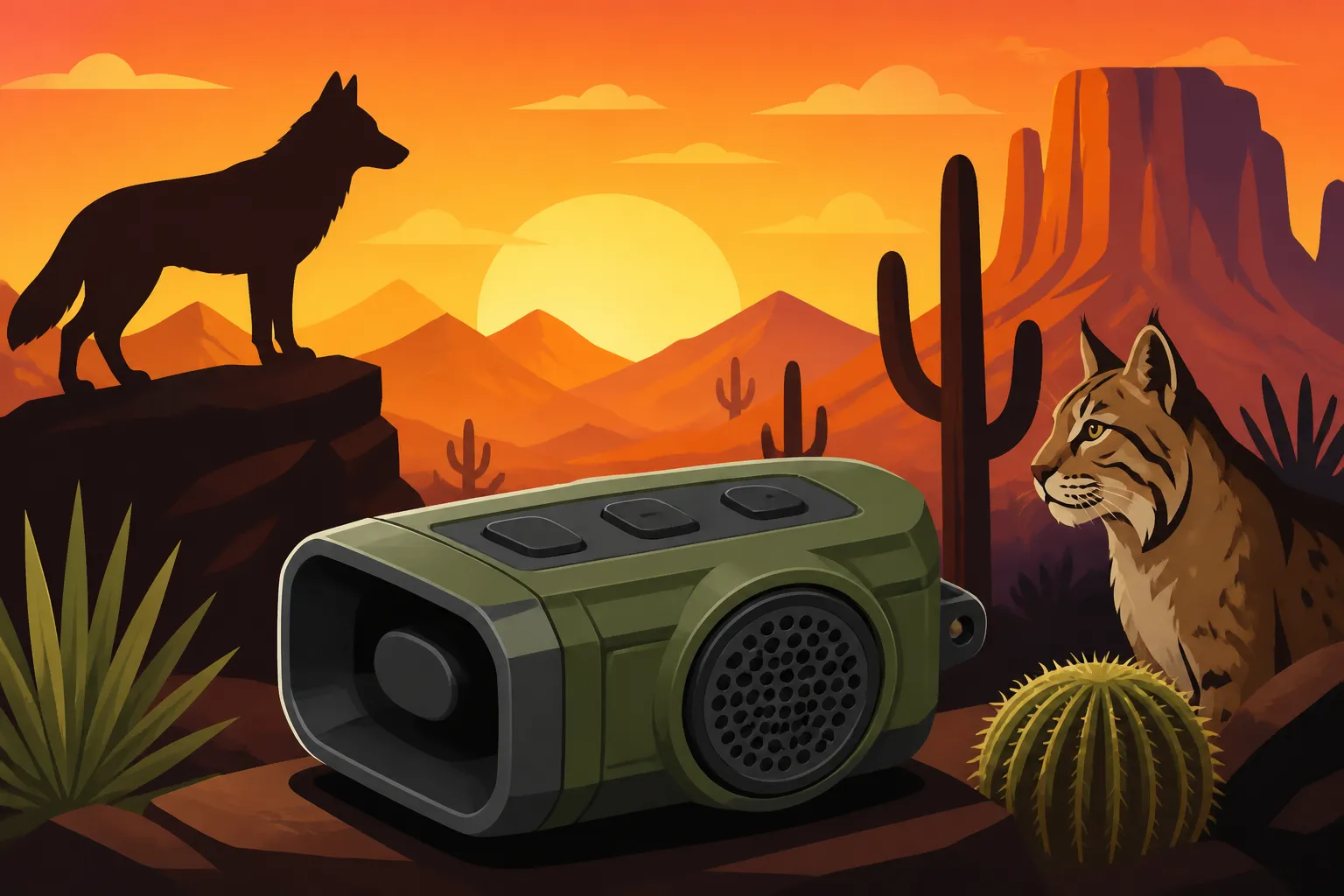
- Predators: In Arizona, common predatory species that hunters pursue include coyotes, bobcats, and various fox species (gray fox, kit fox, red fox). These animals are often hunted year-round, and their populations are typically managed to reduce predation on livestock and other game animals, or simply for recreation. Understanding Hunting Coyotes Year Round in the Desert is key, as they are a primary target for e-callers. For bobcats, while they are also predators, there are specific Bobcat Season and Pelt Tag Rules you need to be aware of, as they are furbearers and require specific permits or tags depending on the season and intent of harvest. Similarly, Fox and Raccoon Season Dates are important to know if they are your target.
- Varmints: This category generally includes smaller, often abundant animals that can be considered pests or are hunted for sport. In Arizona, this primarily includes prairie dogs, rabbits, and ground squirrels. While electronic calls are less commonly associated with small game like rabbits (though distress calls can certainly work), they are highly effective for creatures like prairie dogs. It's less common to actively call these smaller critters with electronic devices, but the legal framework allows for it.
It's worth noting that javelina, while often hunted with similar tactics to predators (calling them in with distress sounds), are actually classified as big game in Arizona. This means electronic calls are not legal for hunting javelina, despite their behavior sometimes mimicking callable predators. Always double-check the Javelina Season Dates by Weapon and regulations, as this is a common trap for hunters new to the state.
The Legal Framework for Electronic Calls
The Arizona Game and Fish Commission's hunting regulations outline the specifics. For big game, the rule is quite explicit: "It is unlawful to use an electronic device to aid in the taking of big game." This includes electronic calls, as well as electronic sights that project a dot or crosshair onto the animal (though illuminated reticles within a scope are generally fine).
For small game, furbearers, and predatory animals, however, the regulations are much more permissive. You'll find that for species like coyotes, bobcats, and foxes, there are no specific prohibitions on using electronic calls. This freedom allows hunters to employ a wide array of calling strategies without fear of violating state law. The general intent behind these different rules is conservation; big game species typically have lower population numbers and are managed more restrictively, whereas predator and varmint populations can often withstand more hunting pressure, and in some cases, active management through hunting is encouraged. Always make it a habit to obtain and Reading the Arizona Hunt Regulations Booklet annually, as rules can occasionally be updated or clarified.
Strategic Use of Electronic Calls for Varmint and Predator Hunting
Now that we’ve established the legality, let’s talk about how to actually use these calls effectively in the field. Arizona's diverse terrain, from the dense chaparral to open desert flats and pine forests, offers incredible opportunities for predator and varmint calling. Success often hinges on understanding the animals' behavior and adapting your calling sequence to the environment and the target species.
Common Sounds and Their Effectiveness
Electronic calls come pre-loaded with, or allow you to upload, a vast library of sounds. Knowing which ones to deploy and when is a game-changer.
- Distress Calls: These are the bread and butter of predator calling. Sounds like a "rabbit in distress," "fawn distress," or "rodent squeal" mimic an injured or panicked animal, which appeals directly to a predator's instinct to find an easy meal.
- Coyotes: For coyotes, rabbit distress calls are highly effective, especially in areas where rabbits are abundant. Varying the call's intensity and duration, from short, frantic bursts to longer, drawn-out wails, can simulate different levels of distress. Coyote pup distress calls can also be incredibly potent, especially during their breeding or denning seasons, as adult coyotes will often rush in to defend their young or investigate a potential threat.
- Territorial Calls: These calls imitate the sounds of other predators, often challenging them to come investigate or defend their territory.
- Coyote Howls and Barks: These can be great for locating coyotes, or for bringing in a dominant male who thinks another coyote is encroaching. An "interrogation howl" followed by a period of silence can often elicit a response.
- Bobcat Meows/Growls: Less common than distress calls, but sometimes effective for a curious or territorial bobcat. Bobcats are notoriously difficult to call in consistently, and often respond to subtle distress calls more readily.
- Food Calls: Sounds associated with feeding, like a "bird in distress" or "mouse squeaks," can be subtle but effective, especially for wary animals or in areas with heavy calling pressure.
When you're out in the field, particularly in the vastness of Arizona, consider using a good mapping app like the one GoHunt provides. It can help you identify likely habitat for your target species and plan your approach, taking into account factors like wind direction and terrain, which are critical for effective calling.
Setup and Tactics for Success
Effective predator calling is a blend of sound manipulation, careful setup, and patience. It's not just about pressing a button; it's about creating a convincing scenario.
- Wind Direction is Paramount: Predators have an incredible sense of smell. Always set up with the wind in your face or quartering. This ensures your scent is carried away from the direction you expect the animal to approach. A predator approaching from downwind will bust you every time. This is especially true in the open, expansive desert environments where wind can swirl unexpectedly. Playing thermals on a Playing Thermals on a Canyon Stalk for deer shares similar principles for wind management, even though the target species is different.
- Concealment and Cover: Even with an electronic call doing the heavy lifting, you need to remain hidden. Utilize natural cover like bushes, rocks, or changes in elevation. Wear good camouflage that blends with the Arizona desert or forest environment. Your setup should allow you to see a wide area downwind and crosswind, as animals often circle to get downwind before committing.
- Calling Sequences: Don't just blast calls randomly. Start softly, perhaps with some subtle distress, then gradually increase volume and intensity. Mimic a natural interaction. For coyotes, a typical sequence might involve 1-2 minutes of distress, followed by 3-5 minutes of silence, then repeating the cycle for 15-20 minutes. Some callers also like to incorporate territorial howls at the beginning or end of a sequence. Be prepared for a quick shot, as called-in predators often come in fast and hot.
- Decoys: Many electronic callers allow for the attachment of a visual decoy, such as a spinning tail or a small, flapping bird. These decoys give the approaching predator something to focus on other than your position, making them more confident in their approach. This can be particularly useful in open country where minimal cover is available.
- Patience and Persistence: Not every stand will produce. Sometimes you'll call for 20 minutes without a sniff. Other times, a coyote will appear out of nowhere in the first minute. Stay vigilant, scanning your surroundings constantly, as animals can come from unexpected directions.
- Using Remote Operation: Most modern electronic calls come with a remote control, allowing you to place the speaker unit away from your position. This is a huge advantage. It draws the predator's attention to the sound source, away from you, giving you a better chance to get into position for a shot. It also lets you control the volume and change calls without moving, minimizing disturbance.
Gear Considerations and Best Practices
Choosing the right electronic call and using it responsibly are crucial for a successful and ethical hunt. With so many options on the market, it can be a bit overwhelming, but focusing on key features and adhering to best practices will serve you well.
Choosing the Right Electronic Caller
The market for electronic calls is robust, with options ranging from basic entry-level models to sophisticated units with hundreds of sounds and advanced features. When making your choice, consider these factors:
- Sound Quality and Volume: This is paramount. A cheap, tinny sound won't fool wary predators. Look for calls that offer clear, realistic sounds at high volumes. You'll need to cut through wind and cover, especially in vast Western landscapes. Many top brands, like FoxPro, Primos, and Lucky Duck, excel in this area.
- Remote Control Range and Features: A good remote is essential. It should have a reliable range, ideally several hundred yards, so you can place the speaker unit effectively. Look for an intuitive interface that allows you to quickly change calls, adjust volume, and control decoys. Backlit screens are a huge plus for low-light hunting.
- Battery Life: You don't want your call dying mid-stand. Check battery life specifications and consider models that use easily replaceable batteries or have long-lasting rechargeable options. Carrying spare batteries is always a smart move in the field.
- Programmable Calls: Some units allow you to upload custom sounds or create your own sequences. This offers incredible versatility, letting you adapt to specific hunting situations or animal preferences.
- Durability and Weather Resistance: Arizona weather can be unpredictable. Your call should be rugged enough to withstand dust, occasional rain, and the bumps and scrapes of being in the field.
When researching different units or planning your hunts, utilizing digital resources can be invaluable. Platforms like GoHunt offer detailed mapping tools and information that can help you scout a unit before you ever step foot in it. This level of preparation, combining digital scouting with physical gear choices, can significantly increase your odds of success.
Ethical Hunting and Call Etiquette
Using electronic calls, while legal for predators and varmints, comes with a responsibility to hunt ethically and respectfully.
- Know Your Target: Always be 100% sure of your target before taking a shot. Electronic calls can sometimes bring in non-target animals, including domestic pets or protected species. In areas like the Coronado National Forest and the Sky Islands where unique wildlife thrives, positive identification is critical.
- Respect Private Land: Just because electronic calls are legal doesn't mean you can trespass. Always know your boundaries and obtain permission if hunting on private land. This is a fundamental aspect of hunting ethics and legality in Arizona. Make sure you understand the nuances of Retrieving Game From Private Land in Arizona if an animal runs onto posted property.
- Hunting Over Bait vs. Calls: It's important to distinguish between using electronic calls and baiting. While calls mimic natural sounds, Baiting Rules That Apply in Arizona are very specific and often prohibited for many species. Ensure you understand these distinctions to avoid violations.
- Leave No Trace: Practice Leave No Trace principles. Pack out everything you pack in, including spent shell casings. Leave the environment as good, or better, than you found it.
- Consider Other Hunters: Be mindful of other hunters. If you're calling in an area, be aware that you might be calling animals into another hunter's setup. A little courtesy goes a long way, especially on popular public lands. Using tools for E-Scouting an Arizona Unit Before the Season can help you identify areas with less pressure.
- Understanding Success Rates: While electronic calls are powerful, they are not a magic bullet. Success rates vary widely based on caller skill, location, time of year, and animal pressure. Don't get discouraged if animals don't come screaming in on every stand. Learn from each outing, adjust your tactics, and enjoy the process.
Ultimately, electronic calls are a fantastic tool that has revolutionized predator and varmint hunting. They allow for an exciting, engaging, and often fast-paced hunting experience. By understanding the legal framework, employing smart strategies, and choosing the right gear, you can effectively pursue coyotes, bobcats, and other callable species across Arizona's incredible landscapes.
Disclaimer
Please remember that hunting regulations can change. It is the responsibility of every hunter to consult the most current Arizona Game and Fish Department regulations prior to heading into the field. This guide provides general information and should not be considered a substitute for the official regulations.