Mandatory Reporting After an Arizona Harvest
You've just wrapped up an incredible hunt in Arizona, perhaps chasing elusive Coues deer through the Sky Islands or calling a bull elk in the high country. The adrenaline is still coursing, and you're already picturing that mount on your wall. But before you get too comfortable, there's a crucial step that many hunters find confusing and even a little intimidating: mandatory harvest reporting. It's easy to feel overwhelmed by the rules, especially when you're tired and miles from civilization. This guide aims to clear up all the mystery around reporting your harvest, giving you peace of mind and ensuring your successful hunt is fully compliant with Arizona Game and Fish Department (AZGFD) regulations.
The Critical Importance of Reporting Your Harvest
It’s tempting to view harvest reporting as just another bureaucratic hurdle, a piece of tedious paperwork after the real work is done. But I promise you, it's far more than that. This isn't just about dotting i's and crossing t's; it's a fundamental pillar of wildlife management in Arizona, directly impacting the health of our herds and the future of hunting opportunities for all of us.
When you report your harvest, you're providing vital data points to the Arizona Game and Fish Department. They use this information—everything from the species, sex, and age of the animal to the unit it was taken in—to assess population dynamics, track success rates, and monitor herd health. Without this accurate, timely data, biologists would be making management decisions in the dark, potentially leading to over-harvesting or under-utilization of a resource we all value. Think of it: your individual hunt becomes a tiny, yet essential, piece of a much larger conservation puzzle. This collective data is what allows them to set future tag numbers, season dates, and even develop new hunting strategies, directly influencing your chances of drawing a tag next year, whether you're eyeing a trophy mule deer on the Kaibab or a javelina in the Sonoran Desert.
Beyond the scientific aspect, accurate reporting is the final legal step in making your hunt legitimate. You've purchased your license, drawn a tag, scouted, hunted ethically, and made a clean kill. Reporting is the formal declaration that you've fulfilled your obligation as a permit holder. It validates your tag and completes the process, ensuring you're not inadvertently running afoul of regulations. The consequences of failing to report, or reporting incorrectly, can range from significant fines to the loss of your hunting privileges, and even forfeiture of those hard-earned bonus points you’ve accumulated over the years. No one wants to end a successful hunt with a legal headache.
Step-by-Step: What, When, and How to Report Your Arizona Harvest
The reporting process, while critical, doesn't have to be confusing. Let's break down the essential details you need to know about what to report, when to do it, and the various how-to methods available.
What Information You'll Need to Provide
When you sit down to report your harvest, make sure you have your hunt permit-tag handy, along with some key details from your hunt. Generally, you'll need to provide:
- Species: What did you harvest? (e.g., elk, deer, bear, lion, javelina)
- Sex: Was it a buck/bull/boar or a doe/cow/sow?
- Unit Number: The specific Game Management Unit (GMU) where the animal was taken.
- Date and Time of Kill: As precise as possible.
- Weapon Used: Archery, rifle, muzzleloader, or crossbow.
- Your Hunt Permit-Tag Number: This is unique to your permit.
- Confirmation of Physical Tagging: You should have already affixed your physical tag to the carcass immediately after the kill. This reporting process is separate from that crucial first step; remember, you must How Soon You Must Tag a Downed Animal at the kill site before moving the animal.
- Location Details: Often, you'll be asked for more specific location data, like proximity to a known landmark or GPS coordinates.
For some species, particularly bear and mountain lion, there might be additional requirements such as collecting biological samples or presenting the skull and hide to AZGFD for inspection. This is why reading the specific hunt regulations for your species is paramount. You can always find the most current information by Reading the Arizona Hunt Regulations Booklet.
The Crucial Timelines for Reporting
One of the most critical aspects of harvest reporting is adhering to the deadlines, and these can vary by species. It's not a one-size-fits-all rule, so always double-check the current hunting regulations booklet for your specific hunt code.
- Most Big Game (Deer, Elk, Pronghorn, Bighorn, Bison): Typically, you are required to report your harvest within 48 hours of taking the animal. This is a common timeframe for most major big game species.
- Bear and Mountain Lion: These species often have more stringent and immediate reporting requirements due to harvest quotas and management needs. For black bears and mountain lions, you generally must report within 24 hours of the kill, and often, you're required to contact an AZGFD representative immediately to schedule a check-in of the animal's skull and hide. This allows the department to collect critical biological data and monitor harvest limits closely, especially for female bears.
- Javelina: These generally also fall under the 48-hour rule for reporting.
Missing these deadlines can lead to serious repercussions. Imagine all that effort, all that planning, only to have a technicality jeopardize your hard-earned success. Be proactive and know your specific reporting window before you head into the field. Resources like GoHunt often provide summaries of these regulations, but the official AZGFD regulations are your definitive source.
How to Submit Your Harvest Report
Arizona provides several convenient ways to report your harvest, with the online portal being the most common and efficient for most hunters.
- Online AZGFD Hunt Portal: This is the preferred and easiest method for most big game species. You'll need an AZGFD account to log in. Once logged in, navigate to the harvest reporting section, input the required details, and submit. You'll receive a confirmation number, which you should save. I highly recommend taking the time for A Walkthrough of the Arizona Hunt Portal beforehand so you're familiar with the interface. This digital approach is available 24/7, making it incredibly convenient whether you're reporting from your kitchen table or a remote camp with satellite internet.
- Telephone Reporting: For certain species, or if you encounter issues with the online system, a dedicated phone line might be available. This is especially true for bear and mountain lion, where immediate contact with AZGFD personnel is often mandated. Always check the regulations for the specific phone number to call.
- In-Person at AZGFD Office: While less common now with the robust online system, you can still report in person at an AZGFD regional office during business hours. This might be a necessary option if you're dealing with a unique situation or if your internet access is severely limited. However, keep those reporting deadlines in mind; an office might not be open when you need it most.
Navigating Common Reporting Hurdles and Pitfalls
Even with the best intentions, things can go sideways out in the field. Arizona's vast and often remote landscapes can present unique challenges to timely harvest reporting. Understanding these potential hurdles and having a plan in place will save you a lot of stress.
Dealing with Remote Areas and Lack of Connectivity
Arizona's beauty often comes with the trade-off of limited cell service, especially in the rugged backcountry of the Mogollon Rim or the expansive deserts. You've just harvested an elk in a deep canyon, and your phone has no signal. What now?
- Plan Ahead: Before your hunt, identify areas within your unit that might have spotty service or none at all. GoHunt's mapping features can sometimes help with cell coverage overlays. Plan your route out and know where the nearest town or area with reliable service is.
- Satellite Communicators: Many serious backcountry hunters carry devices like Garmin inReach or Zoleo communicators. These allow you to send messages and even access emergency services via satellite, regardless of cell coverage. While you can't typically submit a full report through these, you can often contact an AZGFD number to initiate the process or at least get advice on how to proceed, especially crucial for species with very short reporting windows like bear or lion.
- Drive to Service: The most common solution is simply to drive to the nearest location where you can get cell service or internet access. Factor this into your post-harvest timeline. If you're 8 hours from the nearest town, that 48-hour window starts shrinking fast.
What to Do If You Make a Mistake in Reporting
We're all human, and sometimes errors happen. Maybe you accidentally entered the wrong unit number, or transposed a digit on your tag. If you realize you've made a mistake on your harvest report after submitting it, don't panic, but act quickly.
- Contact AZGFD Immediately: The best course of action is to call the Arizona Game and Fish Department directly. Explain the situation clearly and concisely. They can often correct the error in their system. Attempting to resubmit or ignore the error could complicate things further. Having your confirmation number from the initial report will be helpful.
Understanding Species-Specific Rules Beyond Standard Reporting
As mentioned earlier, some species have additional requirements that go hand-in-hand with harvest reporting.
- Bear and Mountain Lion Skull/Hide Presentation: For these predators, mandatory physical check-in of the skull and hide at an AZGFD office or with an authorized officer is required within a specific timeframe (usually 10 days, but again, check current regulations). This allows biologists to collect crucial data on age, sex, and reproductive status. Failing to present these can result in citations and other penalties.
- CWD Sampling: Chronic Wasting Disease (CWD) is a serious concern for deer and elk populations. While not always mandatory for every harvest, AZGFD often requests or mandates CWD sampling in certain units or for specific hunts. This typically involves submitting the animal's head to a designated Where Arizona CWD Sampling Stations Are. Knowing these requirements before you hunt in a CWD-positive area is essential, as there are also strict Carcass Transport Rules After a CWD Detection to prevent the spread of the disease.
Beyond the Report: What Happens Next and Why it Matters
Once you’ve successfully submitted your harvest report and received your confirmation, you might think you’re completely done. And in many ways, you are! But it's worth understanding what happens with the information you provided and why your diligence truly matters to the future of Arizona hunting.
Confirmation and Your Digital Paper Trail
After submitting your report online, you’ll typically receive an immediate confirmation number or a digital receipt. Hold onto this! This is your proof of compliance. I recommend taking a screenshot, saving it to your phone, and even emailing it to yourself for good measure. While you hopefully won't need it, having this confirmation can quickly resolve any potential questions or discrepancies that might arise later. Think of it as your official "all clear" from the department.
How Your Data Fuels Wildlife Management
This is where the rubber meets the road. The data from your harvest report, combined with thousands of others, feeds directly into AZGFD’s sophisticated wildlife management models. Biologists analyze this information to:
- Estimate Population Sizes: Harvest success rates, coupled with other survey data, help them estimate the total number of animals in a unit.
- Monitor Herd Health: Tracking age, sex ratios, and CWD test results gives insight into the overall health and productivity of a herd.
- Evaluate Season Effectiveness: Did a specific hunt achieve its management objectives? Your report helps answer that.
- Forecast Future Hunt Opportunities: All this data informs decisions about future tag allocations and hunt structures. The more accurate and complete the reporting, the better AZGFD can manage game populations responsibly and sustainably. This directly benefits you, the hunter, by ensuring that Arizona continues to offer world-class hunting experiences. Tools like GoHunt utilize this publicly available data to help hunters make informed decisions about where and when to apply for tags, further demonstrating the value of robust reporting.
Related Requirements: Meat Salvage and Evidence of Sex
While not strictly part of the "reporting" process, it's vital to remember two other ethical and legal obligations that immediately follow a harvest:
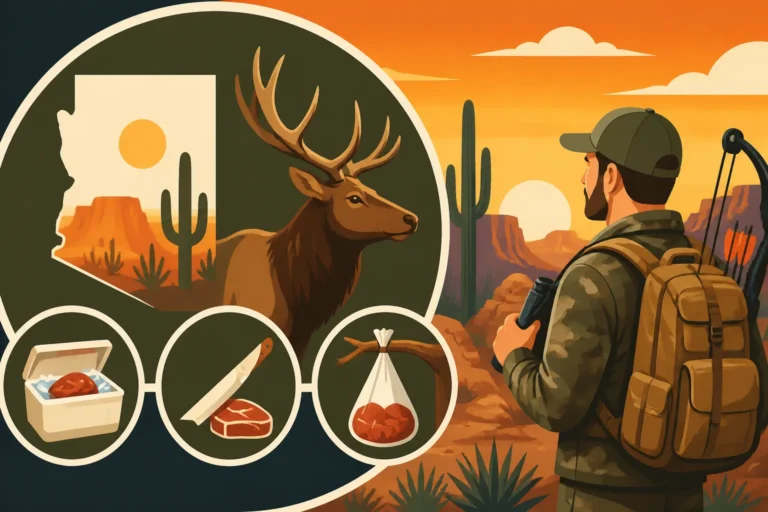
- Meat Salvage: In Arizona, it is a legal requirement to The Meat Salvage Requirements for Big Game. You must make every reasonable effort to retrieve all edible portions of the animal. Wasting game meat is not only unethical but illegal. This means having a plan for field dressing and cooling your meat, especially in Arizona's warmer seasons.
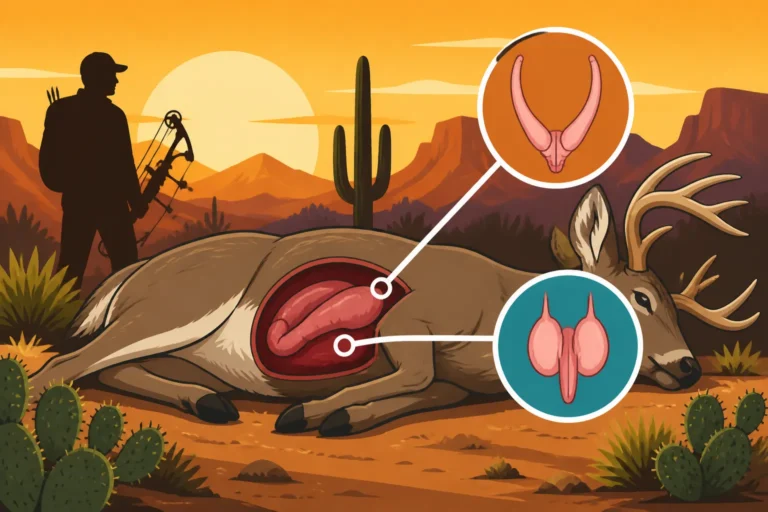
- Evidence of Sex: For most antlered or horned big game, you must maintain evidence of the animal's sex (e.g., antlered head, or specific parts for spike-only hunts) until the meat is processed and placed in cold storage. This allows game and fish officials to verify compliance with bag limits and specific hunt restrictions.
Your commitment to mandatory reporting is a cornerstone of responsible hunting. It’s a testament to our collective dedication to conservation and ensuring that Arizona's incredible wildlife resources thrive for generations to come. So, next time you fill a tag, remember that final step – the report – is just as important as the hunt itself.
| Species | Standard Reporting Deadline | Primary Reporting Method(s) | Additional Requirements (Common) |
|---|---|---|---|
| Deer (Mule & Coues) | 48 hours | Online Portal | CWD sampling (if requested/mandatory by unit) |
| Elk | 48 hours | Online Portal | CWD sampling (if requested/mandatory by unit) |
| Javelina | 48 hours | Online Portal | None |
| Pronghorn | 48 hours | Online Portal | None |
| Bighorn Sheep | 48 hours | Online Portal | None |
| Bison | 48 hours | Online Portal | None |
| Black Bear | 24 hours (initial call) | Phone Call, Online Portal | Skull & Hide Presentation within 10 days |
| Mountain Lion | 24 hours (initial call) | Phone Call, Online Portal | Skull & Hide Presentation within 10 days |
Disclaimer
The information provided in this guide is for general informational purposes only and is not legal advice. Hunting regulations can change. Always consult the official Arizona Game and Fish Department (AZGFD) hunting regulations booklet for the most current and specific rules pertaining to your hunt, unit, and species before heading afield.