Evidence of Sex Requirements on a Carcass
There's nothing quite like the rush of successfully harvesting an animal in Arizona's stunning and challenging landscape. But that triumphant feeling can quickly turn to anxiety when you start thinking about all the rules for getting your animal out of the field and back home legally. One regulation that often trips up even seasoned hunters, and especially those new to the state, is the requirement for retaining evidence of sex on a harvested carcass. It's a detail that, if overlooked, can lead to serious legal headaches. This guide will break down Arizona's specific rules, why they matter, and how to stay compliant with confidence.
The Critical Importance of Retaining Evidence of Sex in Arizona
It might seem like an archaic rule, or just another hoop to jump through, but the requirement to keep specific evidence of sex naturally attached to your harvested big game animal in Arizona serves several vital purposes. It’s not just about proving you shot what you said you shot; it’s a cornerstone of responsible wildlife management and law enforcement. Ignoring this regulation isn't just a minor infraction; it can result in significant fines and even loss of hunting privileges, which for us avid hunters, is a truly heartbreaking thought.
Upholding Ethical Hunting and Conservation Efforts
Arizona Game and Fish Department (AGFD) biologists meticulously manage populations of deer, elk, bighorn sheep, and other big game. These management plans often rely on controlling the harvest of specific age and sex classes to maintain healthy herds. For example, some hunts are designated "antlerless," specifically targeting females or young males without antlers to balance the sex ratio or reduce overall herd numbers in certain areas. Conversely, "any antlered" hunts allow for the harvest of mature males. Without evidence of sex, it becomes incredibly difficult for wildlife managers to verify that hunters are adhering to the terms of their specific tag.
Imagine if everyone just removed everything right away – it would be a free-for-all, and conservation efforts would quickly unravel. By requiring this evidence, the state ensures that hunters are held accountable for their take, directly supporting the long-term health and sustainability of Arizona's cherished wildlife resources. It's part of our shared responsibility as hunters to ensure these opportunities exist for generations to come.
Ensuring Law Enforcement and Preventing Poaching
For game wardens and law enforcement, evidence of sex is a crucial tool in verifying compliance and deterring poaching. An animal transported without the required evidence is, by definition, an illegally possessed animal in the eyes of the law. This rule creates an unambiguous standard that helps wardens quickly assess whether a harvest is legal.
It prevents situations where someone might try to pass off a cow elk as a legal antlerless deer, or a young buck as an antlerless animal if they didn't have the correct tag. It’s an unfortunate reality that poaching exists, and these regulations provide game and fish officers with the necessary tools to enforce the law and protect our wildlife from those who would exploit it. By following the rules, you're not just protecting yourself; you're helping protect the integrity of hunting for everyone.
Arizona's Specific Requirements: What to Leave, Where, and for How Long
The general rule of thumb in Arizona for big game is that evidence of sex must remain naturally attached to the carcass until it reaches the hunter's permanent residence or a meat processing plant. This doesn't mean you can't field dress your animal; it just means certain identifying features need to stay put. The specifics, however, can vary slightly by species and hunt type.
General Big Game Requirements
For most big game animals like deer, elk, and pronghorn, if you've harvested an antlered animal, the head with antlers naturally attached constitutes the evidence of sex. This is pretty straightforward. However, for antlerless animals, or if you've taken a male that doesn't have antlers (like a javelina or bear, or a spike elk on an antlerless hunt), the requirements are more specific.
Here’s a breakdown of what generally needs to stay attached:
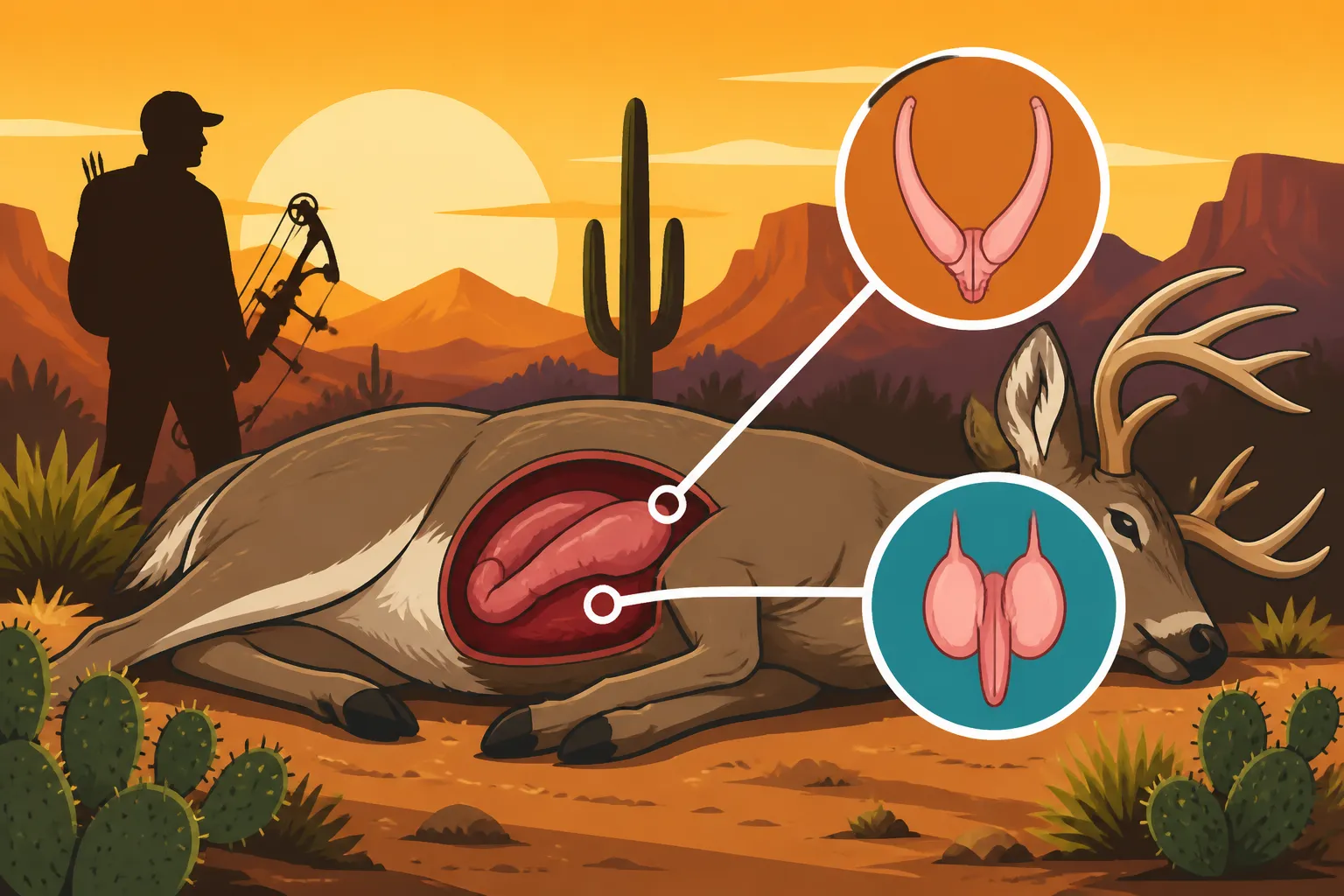
- Male Animals (Antlerless): For animals like javelina, or male deer/elk harvested on an antlerless tag (e.g., a spike bull on a cow tag), at least one testicle must remain naturally attached to the carcass.
- Female Animals: For female animals, the udder or vulva must remain naturally attached to the carcass.
This "naturally attached" clause is key. It means you can't just throw a testicle or an udder into a bag with the meat. It needs to still be connected to the portion of the carcass you are transporting. This requirement stays in effect until the animal is quartered and stored at your permanent residence, the meat processor, or a taxidermist. Keep in mind that for specific details, the official Arizona Game and Fish Department (AGFD) regulations booklet is your go-to resource. It's easy to access online, and many hunters also use apps like GoHunt to keep up-to-date on regulations specific to their unit.
Special Considerations for Specific Species
While the general rules cover most big game, it's always wise to double-check for specific species or unusual hunt types.
- Javelina: Often considered small big game, javelina follow the same general rules: for males, one testicle must remain naturally attached; for females, the udder or vulva. Given their smaller size, some hunters field dress them fully but are careful to leave the required evidence on one of the quarters.
- Bear: For bears, specific reporting requirements are also in place, and often includes submitting a tooth for aging. While evidence of sex is also required, the additional steps for bear often involve mandatory physical check-ins.
- Bighorn Sheep and Bison: These once-in-a-lifetime tags usually come with very detailed instructions from AGFD, and often involve an AGFD employee accompanying the hunter or specific check-in procedures that ensure all data, including sex, is accurately recorded. For these rare hunts, you'll get detailed guidance far beyond the general rules.
It's critical to remember that rules can sometimes change from year to year, or even unit to unit depending on management needs. Before heading out, make it a habit to always read the current year's Reading the Arizona Hunt Regulations Booklet from cover to cover.
| Species | Sex | Evidence Required (Naturally Attached) | Retention Period |
|---|---|---|---|
| Deer, Elk, Pronghorn | Antlered Male | Head with antlers | Until at permanent residence, processor, or taxidermist |
| Deer, Elk, Pronghorn | Antlerless Male | At least one testicle | Until at permanent residence, processor, or taxidermist |
| Deer, Elk, Pronghorn | Female | Udder or vulva | Until at permanent residence, processor, or taxidermist |
| Javelina | Male | At least one testicle | Until at permanent residence, processor, or taxidermist |
| Javelina | Female | Udder or vulva | Until at permanent residence, processor, or taxidermist |
| Bear | Male or Female | Testicles (male) or udder/vulva (female) | Until at permanent residence, processor, or taxidermist. Additional mandatory reporting and biological sample submission. |
Practical Field Dressing and Transport Tips for Compliance
So, you've punched your tag and How Soon You Must Tag a Downed Animal. Now comes the practical part: field dressing and preparing your animal for transport while adhering to the evidence of sex rules. This is where many hunters get nervous, especially when dealing with the realities of desert heat or long pack-outs.
Strategic Field Dressing for Retention
The key is to be deliberate in your field dressing. For antlered animals, leaving the head naturally attached to one of the quarters (often the front quarter or spine) is usually the easiest method. You'll gut the animal, then break it down into quarters, but keep the head/antlers with one of them. For antlerless animals, this requires a bit more finesse.
When field dressing, you'll be removing the internal organs. For a male, when you cut around the anus and rectum, be careful to leave one testicle connected to the hide or the portion of the carcass you plan to transport. Many hunters will leave it attached to a hindquarter with a small strip of hide. For a female, similarly, you'll leave the udder or vulva attached to one of the hindquarters. You can often make a strategic cut that allows you to remove the bulk of the hide while preserving this small, crucial piece.
Remember, the goal is naturally attached. Don't cut it off and then try to tie it back on. That won't pass muster with a game warden. Take your time, make clean cuts, and think about the end goal of getting your meat cooled and legal. This mindfulness during the breakdown process is paramount to avoiding issues later on.
Keeping Your Harvest Cool and Compliant
Arizona's temperatures, especially during early season hunts, can be brutal. This means you need to be efficient and have a plan for Field Dressing in Desert Heat and Getting Meat Cooled on an Early Season Hunt. Game bags are indispensable for keeping meat clean and allowing it to breathe. Even with evidence of sex attached, proper cooling prevents spoilage.
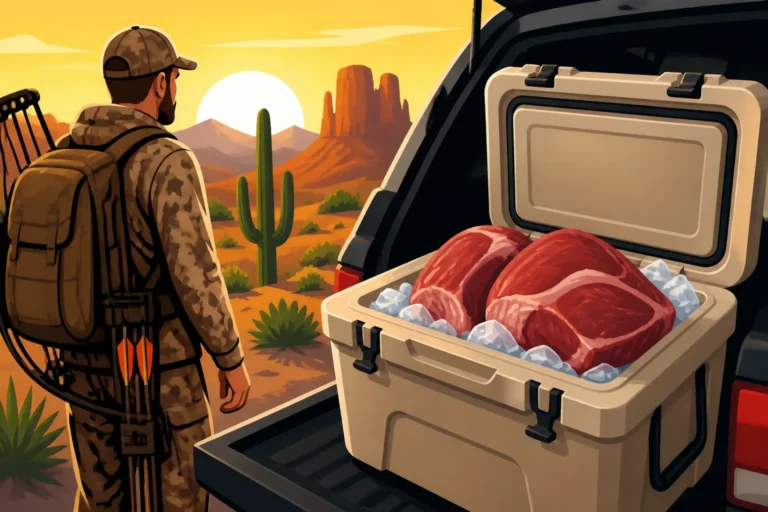
If you’re packing an animal out whole or in large sections, ensure that the evidence of sex remains protected. For quartered animals, the section with the evidence should be handled with care to prevent it from detaching. Utilize coolers with ice (not directly on the meat, but in bottles or bags to prevent waterlogging) as soon as possible. The sooner you get the core temperature down, the better the meat quality and the less risk of spoilage, which is also a legal requirement under The Meat Salvage Requirements for Big Game. Being prepared with adequate ice and game bags is as important as having your rifle sighted in or your bow tuned.
Transportation Considerations
When transporting your harvested animal, especially across different hunting units or on public roads, ensure that the evidence of sex is clearly visible if a game warden were to inspect it. Don't bury it under a pile of gear. While you might want to keep your meat out of direct sunlight, make sure the necessary evidence is accessible. It shows you're transparent and compliant.
Know your route and be aware of where check stations might be. Having your license, tag, and the carcass evidence readily available will make any interaction with law enforcement smooth and quick. This kind of preparation, right down to knowing Where Arizona Publishes Unit Access Maps to avoid trespassing, contributes to a stress-free experience.
Avoiding Common Pitfalls and Misconceptions
Even experienced hunters can sometimes make mistakes or misunderstand specific regulations. The rules around evidence of sex on a carcass are often areas where these pitfalls can occur. Staying informed and realistic about the challenges can help you avoid problems.
The "All States Are the Same" Trap
One of the biggest misconceptions, especially for hunters new to Arizona or those who hunt in multiple states, is assuming that regulations are universal. Every state has its own specific rules, and Arizona is no exception. What might be perfectly legal in, say, Colorado or New Mexico, could land you in hot water in Arizona. Always verify Arizona-specific regulations, even if you’re a seasoned hunter from elsewhere. This includes everything from Legal Shooting Hours and Blaze Orange in Arizona to carcass handling.
The Convenience vs. Compliance Dilemma
It's tempting, especially after a grueling pack-out or when faced with sweltering heat, to want to strip the carcass down to just boned-out meat as quickly as possible. Lighter load, easier cooling, less mess. We've all felt that urge. However, this is precisely where the "convenience" can cost you. Removing the evidence of sex prematurely is a violation.
Resist the urge to make the job easier by cutting corners on compliance. The small amount of extra weight or the slightly more awkward handling required to keep the evidence attached is a minor inconvenience compared to the potential fines and legal repercussions. Plan your pack-out with the regulations in mind from the very beginning. Tools like GoHunt can help you e-scout and plan your routes, allowing you to anticipate pack-out challenges before you even hit the field.
What to Do If an Accident Happens
Accidents happen. What if, despite your best efforts, the evidence of sex inadvertently detaches during a rough pack-out, or gets damaged beyond recognition? First, don't panic. Second, do not proceed as if nothing happened. Your best course of action is to immediately contact the Arizona Game and Fish Department. Explain the situation clearly and honestly. They might instruct you to proceed to a specific location for inspection or give you other directions.
Attempting to hide the issue or continuing with the transport as if the evidence were still attached will only exacerbate the problem if you're stopped. Honesty and proactive communication are always the best policy. Game wardens are primarily there to enforce laws and protect wildlife, but they are also people who understand that accidents can occur in the backcountry. Your integrity in reporting an issue can go a long way. After all, compliance extends beyond the kill, encompassing the Mandatory Reporting After an Arizona Harvest and proper handling of the carcass until it's processed.
Staying on top of these regulations, and having a clear plan for your harvest, ensures that your Arizona hunting experience remains a rewarding one, free from avoidable legal complications.
Disclaimer
The information provided in this article is for general guidance only and is subject to change. Hunting regulations are complex and can vary. It is the responsibility of every hunter to consult the most current Arizona Game and Fish Department hunting regulations and obtain all necessary licenses and permits before participating in any hunting activity. Always confirm specific rules with official sources.