Are Mechanical Broadheads Legal in Arizona?
Navigating hunting regulations can sometimes feel like trying to hit a moving target, especially when it comes to the nitty-gritty details of archery equipment. Many bowhunters, both seasoned and new to Arizona, often find themselves scratching their heads over what's legal and what's not, particularly with the rise in popularity of mechanical broadheads. It's a valid concern, as the last thing anyone wants is to unknowingly break a rule or, worse, compromise an ethical harvest. This guide is here to untangle the confusion surrounding mechanical broadhead legality in Arizona, giving you the clear, detailed information you need to hunt confidently and within the bounds of the law.
Understanding Arizona's Broadhead Regulations
Arizona's Game and Fish Department (AZGFD) sets clear guidelines for the equipment used in archery hunts, all with the primary goal of promoting ethical hunting and ensuring humane kills. It’s not about restricting your choices for the sake of it, but about upholding the responsibility we have as hunters to the animals we pursue.
The Core Rule: Minimum Cutting Diameter
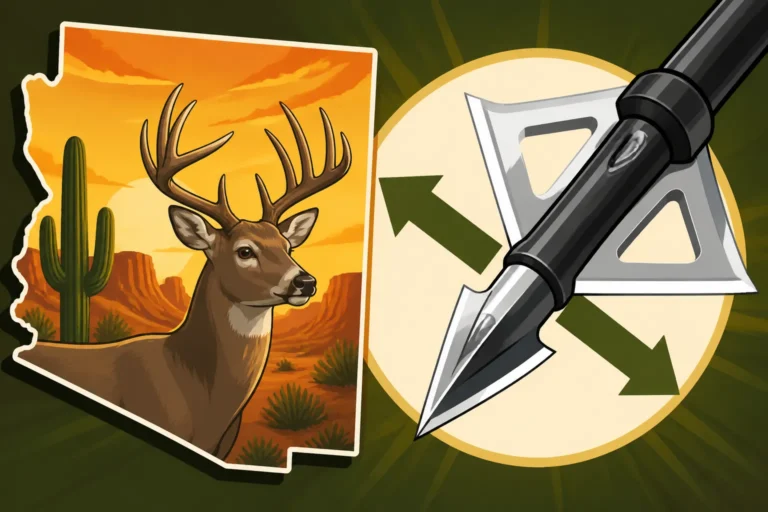
At the heart of Arizona's broadhead regulations is a straightforward rule: any broadhead used for big game must have a minimum cutting diameter of 7/8 inch. This isn't just an arbitrary number; it's a scientifically determined standard designed to ensure that the broadhead creates a sufficiently large wound channel to quickly incapacitate the animal. A wider cutting diameter means more tissue damage, which leads to greater blood loss and, ideally, a quicker, more humane expiration. This rule applies universally, whether you're slinging a traditional fixed-blade head or a modern mechanical design.
The intention behind this 7/8-inch minimum is paramount for an ethical harvest. When you send an arrow downrange, you're committing to a swift and clean kill. A broadhead that doesn't meet this minimum could result in a superficial wound, leading to a long, painful tracking job and potentially a lost animal. Imagine pouring all that effort into scouting for a Coues Deer in the Sky Islands, finally getting a shot, only to have the equipment fail on an ethical level. It's devastating for the hunter and unfair to the animal. This regulation, along with requirements like Arizona's 30-Pound Minimum for Vertical Bows, forms the foundation of responsible archery hunting in the Grand Canyon State.
Mechanical Broadheads and Blade Deployment
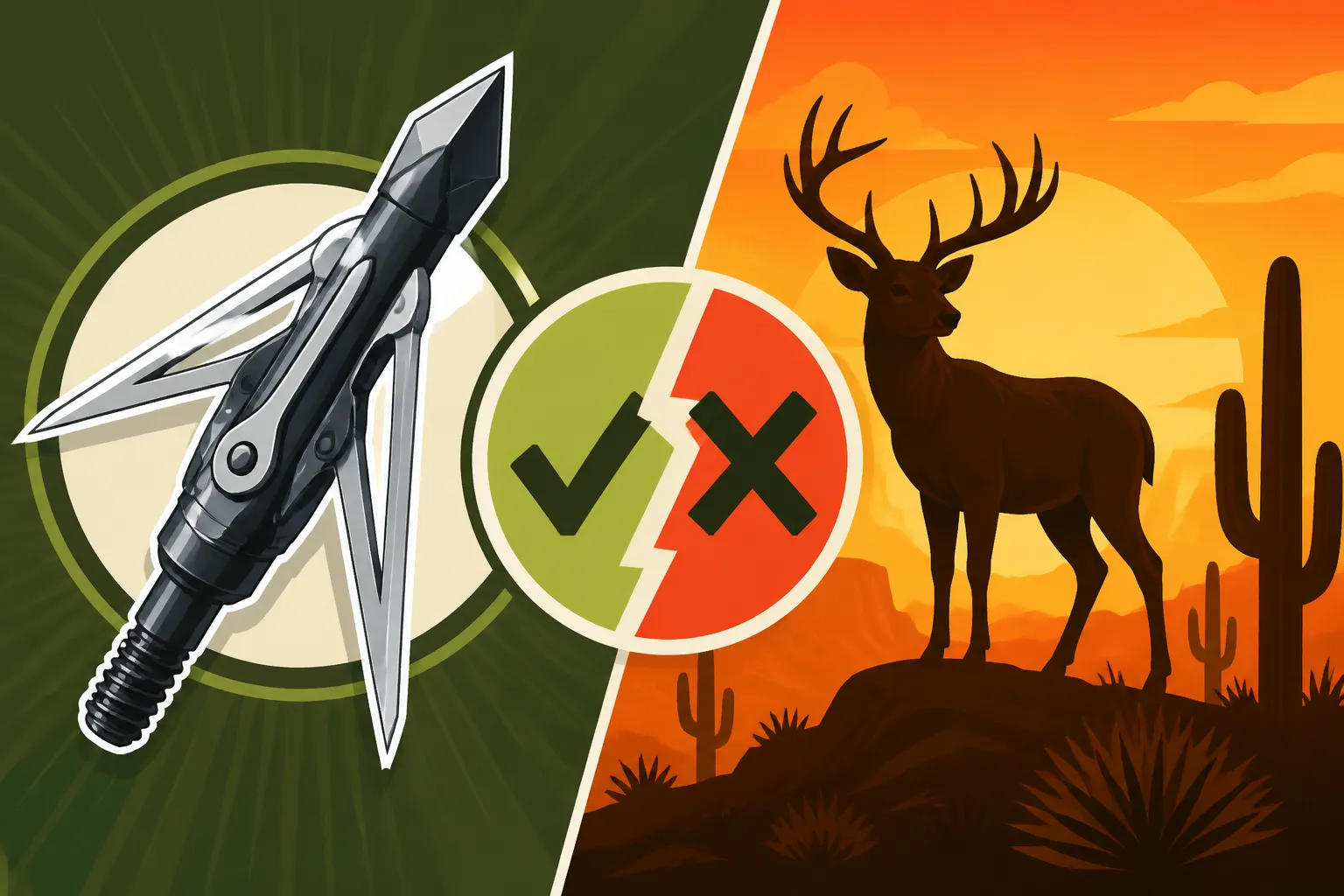
Now, let's talk about mechanical broadheads. These ingenious devices are designed to be aerodynamic in flight, with blades that deploy upon impact to create a larger cutting diameter than their ferrule width. This is where the 7/8-inch rule often sparks questions. Does it refer to the broadhead when it’s closed, or when it's open? The answer is unequivocally the latter: mechanical broadheads must achieve a minimum deployed cutting diameter of 7/8 inch upon impact.
Think about it: the purpose of a broadhead is to cut tissue once it hits the animal. If a mechanical broadhead's blades don't open to at least 7/8 inch, it simply won't fulfill the ethical standard set by the AZGFD. Most modern mechanical broadheads, especially those from reputable brands, far exceed this 7/8-inch minimum when fully deployed. You'll find models with 1-inch, 1.5-inch, or even 2-inch cutting diameters. The key is to understand that the regulatory focus is on the effective cutting surface at the moment of impact. Some mechanicals use a slip-cam design, others are rear-deploying, and some feature front-deploying blades. Regardless of the mechanism, the end result — the deployed cutting diameter — must meet the state’s requirement. This clarity helps ensure that when you're out during Arizona's Five-Month OTC Archery Deer Season, your equipment is as legal as your intent is ethical.
Ensuring Your Mechanical Broadhead is Legal in Arizona
It’s one thing to understand the rule; it’s another to confidently apply it to your specific gear. With countless broadhead options on the market, how do you make sure the mechanical you've chosen is good to go for your next Arizona hunt?
Checking Manufacturer Specifications
The easiest and most reliable way to confirm the legality of your mechanical broadhead is to consult the manufacturer's specifications. Reputable broadhead companies are very clear about the deployed cutting diameter of their products. This information is typically printed on the packaging, included in the instruction manual, or prominently displayed on their official website. Before you even head to the archery range, take a moment to double-check these details.
Don't just go by the cool name or the fancy marketing. Actually look for the technical specifications. For instance, if you're eyeing a particular model, search for "[Brand Name] [Model Name] cutting diameter" online. You'll likely find forums, product reviews, and manufacturer pages confirming the measurement. If you're using an older broadhead model and the packaging is long gone, a quick search online for the model name should still yield the necessary information. When in doubt, it’s always better to err on the side of caution. If the information isn't readily available or you're unsure, consider testing its deployment to measure the effective cutting width yourself. This diligence is part of being a responsible hunter, just like understanding the nuances of Minimum Crossbow Bolt Length in Arizona if you're using one.
The Importance of a Clean, Ethical Kill
Beyond the letter of the law, the spirit of these regulations is all about the ethical responsibility we bear as hunters. The 7/8-inch minimum cutting diameter for broadheads, whether fixed or mechanical, is designed to maximize the chances of a swift, humane harvest. A broadhead that doesn’t open properly or doesn’t meet this minimum standard significantly increases the risk of merely wounding an animal, leading to unnecessary suffering and a lost game animal. No hunter wants that.
A clean kill isn't solely dependent on the broadhead, of course. Shot placement is critical, as is ensuring your bow is properly tuned and that your arrows fly true. But the broadhead is the business end of your arrow, and its performance is paramount. When you choose a mechanical broadhead that reliably deploys to a sufficient cutting diameter, you're giving yourself the best possible chance for an ethical harvest. This commitment to ethical hunting is a cornerstone of Arizona's outdoor heritage, and it's even reflected in opportunities to earn a bonus point by taking The Ethically Hunting Arizona Course. It's about respecting the animal and the privilege of the hunt, from the moment you start Scouting an Arizona Unit Before the February Deadline to the final field dressing process.
Common Misconceptions and Best Practices
Even with clear rules, misconceptions can creep in. Knowing what to watch out for and adopting best practices will keep you on the right side of the regulations and ensure your hunts are as ethical and successful as possible.
"Practice Blades" vs. Hunting Blades
One common area of confusion with mechanical broadheads involves "practice blades" or tips. Many mechanical broadhead manufacturers offer a dedicated practice tip that mimics the flight characteristics of their hunting broadheads without actually deploying cutting blades or dulling the razor-sharp edges you’ll use in the field. These are fantastic for tuning your bow and gaining confidence in your arrow's flight, but they are absolutely not for hunting.
The practice tip is designed for durability and consistency, not for creating a lethal wound channel. Never, under any circumstances, use a practice tip for hunting big game. Ensure that when you pack your quiver for an actual hunt, every arrow is tipped with a legal, fully functional hunting broadhead. Some mechanical broadheads might even have a practice collar or a mechanism to keep blades tucked in for target shooting, but the actual deployed cutting edge is still the critical component for hunting. Always swap to your sharp, full-sized hunting blades before heading out. This seems obvious, but in the rush of preparing for an early season hunt, especially with managing things like Heat Management on an Arizona Early Season Hunt, such details can sometimes be overlooked.
Staying Informed with Regulations
Hunting regulations are not static; they can and do change. What was legal last year might have a slight modification this year, or a new interpretation could come into play. It is every hunter's personal responsibility to stay informed and up-to-date with the current Arizona Game and Fish Department regulations. Relying solely on what you think you remember or what a friend told you from a hunt several years ago is a recipe for potential legal trouble and ethical missteps.
Make it a habit to review the official AZGFD hunting regulations booklet or their website before each hunting season. They publish detailed information on all weapon requirements, including broadhead minimums. Websites like GoHunt also provide excellent resources and news that can help hunters stay current on regulations, drawing odds, and unit information. By actively seeking out the most current information, you protect yourself, respect the game, and uphold the integrity of the hunting community. Whether you're considering Are Crossbows Legal for Elk in Arizona? or simply need a refresher on tagging requirements after Field Dressing in Desert Heat, the official regulations are your ultimate guide.
Comparing Broadhead Options for Arizona Hunting
To help visualize the difference and compliance, here's a brief comparison of broadhead types relevant to Arizona's 7/8-inch rule:
| Broadhead Type | Pre-Deployment Width (Approx.) | Deployed Width (Approx.) | Arizona 7/8" Rule Compliance | Key Considerations |
|---|---|---|---|---|
| Fixed Blade | 1" – 1.5" | N/A (always open) | Compliant (if > 7/8") | Simple, strong, no moving parts. Check blade length/width. |
| Mechanical (Front-Deploy) | 0.75" – 1" | 1" – 2" | Compliant (if > 7/8" deployed) | Aerodynamic flight, large wound channel. Ensure reliable deployment. |
| Mechanical (Rear-Deploy) | 0.75" – 1" | 1" – 2" | Compliant (if > 7/8" deployed) | Excellent flight, often wider cuts. Check for robust locking. |
When making your choice, remember that the most important factor is reliable deployment to at least the 7/8-inch cutting diameter, and of course, putting that arrow exactly where it needs to go. Whether you're Packing an Elk Out of Rim Country Alone or just trying to choose the right gear for a deer hunt, having the right broadhead is non-negotiable. Don't forget to consider factors like arrow weight and bow poundage when selecting a broadhead, as these can influence penetration and performance. Even your choice of footwear, like Choosing Boots for Rocky Desert Ground, contributes to a successful and legal hunt by allowing you to get into the right position for the shot.
Disclaimer
Please note that while this guide provides comprehensive information on Arizona hunting regulations, it is not a substitute for the official Arizona Game and Fish Department (AZGFD) regulations. Hunting laws can change, and it is the individual hunter's responsibility to review and comply with the most current regulations published by the AZGFD before participating in any hunting activity. Always consult the official AZGFD website or the current year's hunting regulations booklet for the definitive legal requirements.