Are Crossbows Legal for Elk in Arizona?
It can be incredibly frustrating trying to keep up with hunting regulations when they seem to shift and change every other season, leaving you wondering what gear is actually legal for your next adventure. Many hunters, especially those looking at Arizona's incredible elk opportunities, find themselves scratching their heads over crossbow legality. This guide is here to cut through the confusion and clarify exactly where crossbows stand for elk hunting in the Grand Canyon State.
The Evolving Landscape of Crossbow Regulations in Arizona
For a long time, crossbows occupied a somewhat nebulous space in many state hunting regulations, and Arizona was no exception. There's been a significant shift in how crossbows are viewed and regulated across the country, often moving from strictly "archery equipment" to a category of their own or being integrated into specific seasons. This evolution can make it tough for hunters to stay current, especially when planning a highly sought-after tag like an Arizona elk hunt.
Historically, crossbows were often seen as a special accommodation, primarily for hunters with disabilities, requiring specific permits. However, their increasing popularity and advancements in technology have led to a broader acceptance in many general seasons. These changes aren't just arbitrary; they reflect ongoing discussions about hunter participation, ethical take, and the conservation goals of wildlife agencies like the Arizona Game and Fish Department (AZGFD). It's always a good idea to consult the most recent AZGFD regulations, but we can clarify the general framework for you here.
Understanding Recent Crossbow Rule Adjustments
Arizona's hunting regulations are dynamic, and understanding the recent changes is key to legal and ethical hunting. You might recall when crossbows were strictly limited to certain permits or specific hunt types. The trend has been towards allowing them in more general seasons, though not universally. For instance, there was a significant discussion and eventual decision regarding crossbows in Arizona's archery-only seasons. It's crucial to distinguish between different hunt types when considering crossbow use.
These adjustments are often a response to hunter feedback, technological advancements, and the department's ongoing efforts to manage wildlife effectively while providing hunting opportunities. It’s not about making things more complicated, but about adapting to the needs of the hunting community and the realities of wildlife management. Many hunters rely on resources like GoHunt to track these changes, but knowing the basic premise will always serve you well. For a deeper dive into recent changes, you might want to look into What Changed for Arizona Crossbows on January 1, which covers a pivotal point in crossbow regulations.
Differentiating Hunt Types for Crossbow Use
Arizona offers a variety of hunt types, each with its own set of rules regarding permissible weapons. This is where a lot of the confusion regarding crossbows and elk hunting stems from. You can't just assume that because a weapon is legal in one season, it's legal in all of them. Each hunt code specifies the legal weapon types, and for elk, these typically fall into archery-only, HAM (Handgun, Archery, Muzzleloader), Muzzleloader-only, or General (any legal weapon) categories.
The primary distinction for crossbows in Arizona comes down to whether a hunt is designated as "archery-only" for general hunters. These archery-only seasons are designed for traditional bowhunters using vertical bows (compound, recurve, longbow). The strict definition of archery equipment in these seasons often excludes crossbows for the general hunting public. This differentiation helps maintain the unique challenge and experience of archery-only hunts, which require hunters to get much closer to their quarry.
Crossbow Legality for Arizona Elk Hunts
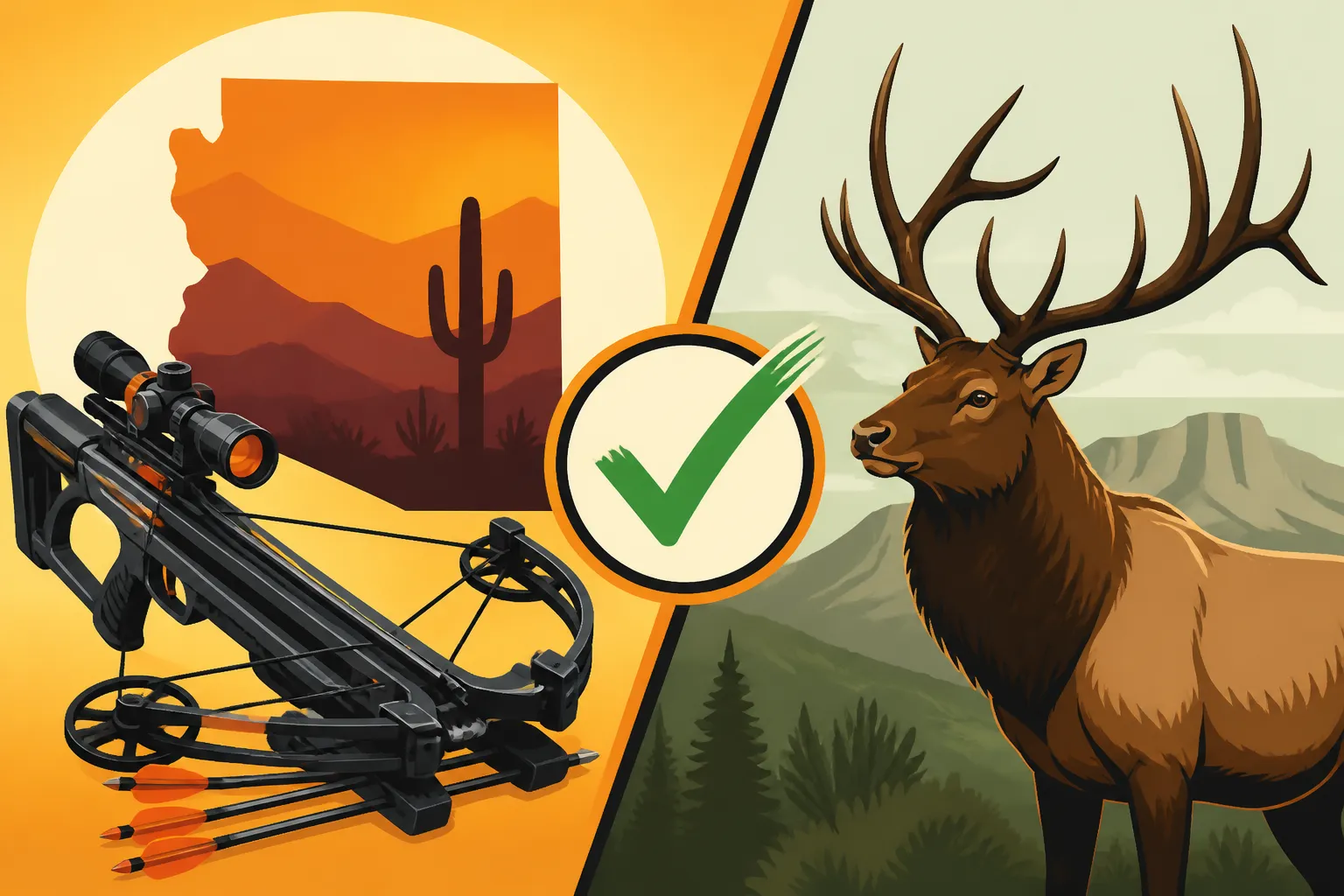
So, let's get right to the heart of the matter for those magnificent Arizona elk. The straightforward answer is: Yes, crossbows are legal for elk in Arizona, but with very important stipulations regarding the type of hunt you are participating in. This isn't a blanket approval for all elk seasons, and misunderstanding these nuances could lead to serious legal trouble or a lost tag.
The key is to understand that a general hunting license allows crossbow use during specific seasons, while designated "archery-only" seasons typically do not, unless you qualify for a special permit. It’s a common pitfall for hunters who might assume that because a crossbow shoots an arrow, it’s always considered "archery" for regulatory purposes. Arizona’s rules draw a clearer line, especially when it comes to the highly competitive elk draws.
Crossbow Use in General, HAM, and Muzzleloader Hunts
If you're lucky enough to draw a General, HAM (Handgun, Archery, Muzzleloader), or Muzzleloader-only elk tag in Arizona, you're generally in luck. Crossbows are permitted as a legal weapon during these seasons. This means that if your tag specifies one of these hunt types, you can confidently bring your crossbow to pursue Arizona's elk.
- General Hunts: These are often referred to as "any legal weapon" seasons. While rifles are common, vertical bows, muzzleloaders, and crossbows are all typically allowed. This offers the most flexibility for hunters.
- HAM Hunts: Handgun, Archery, Muzzleloader hunts are specifically designed to allow these three weapon types. Crossbows fall under the "archery" umbrella for these specific seasons, opening up more opportunities beyond just vertical bows.
- Muzzleloader Hunts: While the primary weapon is a muzzleloader, in Arizona, crossbows are often allowed as an alternative weapon. This can be a significant advantage for hunters who are proficient with a crossbow but might not want to tackle the complexities of a muzzleloader or prefer the faster follow-up shot a crossbow can offer compared to a single-shot muzzleloader.
It’s always a good idea to double-check your specific hunt code in the current regulations booklet, but for most hunters with these types of tags, a crossbow is a viable and legal option. For more detailed information on specific hunt types, check out Crossbows in Arizona HAM, Muzzleloader and General Hunts.
The Archery-Only Exception and CHAMP Permits
Here's where the critical distinction lies. Crossbows are not legal for elk during Arizona's archery-only seasons for the general hunting public. These seasons are specifically reserved for vertical bows (compound, recurve, and longbow) to maintain a traditional archery experience and challenge. If you drew an "Archery-Only" elk tag and do not possess a special permit, you cannot hunt with a crossbow.
However, there is a significant exception: the Physically Challenged Hunter Access Permit (CHAMP). The CHAMP permit is specifically designed to accommodate hunters with certain permanent physical disabilities, allowing them to use a crossbow during archery-only seasons. To qualify for a CHAMP permit, you must meet specific medical criteria and apply through the AZGFD. This permit ensures that all eligible hunters have opportunities to participate in the sport, regardless of physical limitations.
| Hunt Type for Elk | Crossbow Legal (General Hunter) | Crossbow Legal (with CHAMP Permit) | Primary Permitted Weapons |
|---|---|---|---|
| Archery-Only | No | Yes | Vertical Bows (Compound, Recurve, Longbow) |
| HAM | Yes | Yes | Handgun, Archery (incl. Crossbow), Muzzleloader |
| Muzzleloader | Yes | Yes | Muzzleloader, Archery (incl. Crossbow) |
| General (Any Weapon) | Yes | Yes | Any legal weapon (Rifle, Muzzleloader, Archery incl. Crossbow, Handgun) |
If you are a hunter with a qualifying physical disability, pursuing a CHAMP permit can open up a world of opportunity, allowing you to participate in seasons that would otherwise be inaccessible with a crossbow. It's a fantastic program that demonstrates Arizona's commitment to inclusive hunting. You can learn more about this vital permit by researching What a CHAMP Permit Allows.
Important Crossbow Requirements and Ethical Considerations
Just because crossbows are legal in certain Arizona elk hunts doesn't mean you can just grab any crossbow and head afield. Like all hunting equipment, crossbows must meet specific state requirements, and hunters have an ethical responsibility to understand and abide by them. These rules are in place to ensure fair chase, promote clean kills, and protect the integrity of the hunt.
Ignoring these requirements isn't just a minor infraction; it can lead to citations, fines, and potentially the loss of hunting privileges. Beyond the legalities, every ethical hunter strives for a quick, humane harvest, and that starts with knowing your equipment and its limitations. Using appropriate gear also means you're less likely to wound an animal, which is paramount to responsible hunting.
Minimum Draw Weight and Bolt Specifications
Arizona has clear guidelines for the physical specifications of crossbows used for big game, including elk. These requirements are in place to ensure that the weapon generates sufficient kinetic energy for a humane harvest. You wouldn't use a .22 rifle for elk, and similarly, there are minimum standards for archery equipment.
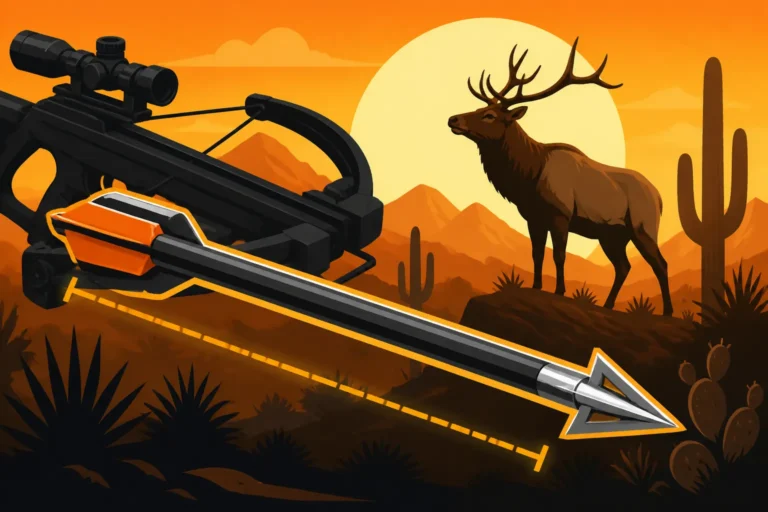
For crossbows, Arizona requires a minimum draw weight of 125 pounds. This isn't a suggestion; it's a hard rule. Many modern crossbows easily exceed this, but it's essential to verify your specific model's specifications. If you're using an older model or borrowing one, always check. Additionally, the bolts (arrows) used must be at least 16 inches in length. This ensures stability and proper flight characteristics when paired with a powerful crossbow. Using bolts shorter than 16 inches is not only illegal but can also compromise accuracy and penetration. For more details on these specifications, refer to The 125-Pound Crossbow Draw Weight Arizona Requires and Minimum Crossbow Bolt Length in Arizona.
Broadhead Rules for Big Game
The arrow itself is only half the equation; the broadhead is what does the work. Arizona has specific regulations regarding broadheads used for big game, and these apply equally to crossbow bolts. The rule states that broadheads must be at least 7/8 inch in width. This minimum width ensures adequate cutting diameter for a quick, humane kill. Both fixed-blade and mechanical (expandable) broadheads are legal, as long as they meet this minimum deployed width.
It's common for mechanical broadheads to expand to well over 7/8 inch upon impact, but some smaller models might just barely make it or even fall short if not fully deployed. Always check the manufacturer's specifications. Beyond the legal requirement, choosing a broadhead that matches your crossbow's speed and your target animal's size is an ethical consideration. A well-placed, sharp, legal broadhead is key to a successful hunt. Dive deeper into the specifics with Why Broadheads Must Exceed Seven-Eighths of an Inch.
Planning Your Arizona Elk Hunt with a Crossbow
So, you've confirmed your crossbow is legal for your drawn elk tag, and it meets all the equipment requirements. Now comes the exciting part: planning your hunt! Hunting Arizona elk with a crossbow, especially in the rugged and diverse terrain Arizona offers, requires diligent preparation, scouting, and a solid understanding of both the regulations and the animals you pursue.
Arizona elk hunts are highly coveted, and successful hunters are often those who put in the homework long before opening day. Whether you're targeting the vast ponderosa pine forests of the Mogollon Rim or the dense timber of the White Mountains, a crossbow adds a unique dimension to the challenge. Just like a rifle hunter needs to know their ballistic drop, a crossbow hunter needs to understand their effective range and shot angles.
Annual Regulation Review and Scouting
The single most important piece of advice for any hunter in Arizona, especially with a crossbow, is to review the current year's hunting regulations booklet thoroughly. While this guide provides general information, regulations can and do change annually. Don't rely on last year's rules or what a buddy told you. The official AZGFD regulations are your final authority. You can typically find these online or at license vendors.
Beyond regulations, scouting is paramount. E-scouting using tools like Google Earth, Gaia GPS, or GoHunt's detailed maps can give you a massive head start. Look for water sources, bedding areas, and travel corridors, especially during the time of year your hunt falls. Understanding the terrain, from elevation changes to thick cover, will dictate your approach and increase your chances of getting within crossbow range. Consider how the different Arizona Elk Season Structure by Hunt Code will impact elk behavior and location. For example, early archery seasons will often see elk near water, while later general seasons might find them in more remote areas. Getting a good feel for your unit through E-Scouting an Arizona Unit Before the Season can make all the difference.
Mastering Your Crossbow and Ethical Shot Placement
Before you step foot in the elk woods, you must be intimately familiar with your crossbow. This means consistent practice. Know your effective range precisely, both horizontally and from elevated positions. Practice shooting from various field positions—standing, kneeling, from a tree stand or ground blind if applicable. Most crossbows are incredibly accurate, but that accuracy is only as good as the shooter.
Ethical shot placement on an elk is critical. Elk are large, tough animals, and a poorly placed shot can lead to a long, difficult, and potentially unsuccessful recovery. Understand elk anatomy, focusing on the heart and lung vital zone. Practice shooting at realistic targets that depict this zone. A crossbow provides less margin for error than a high-powered rifle at longer ranges, demanding a precise shot. Be patient, wait for the perfect broadside or quartering-away opportunity, and never take a shot that you're not 100% confident in making. Your goal is a swift, humane kill, every time.
Disclaimer
Please remember that hunting regulations can change. This article provides general information and guidance based on current understanding. It is the individual hunter's responsibility to review and comply with the most current Arizona Game and Fish Department regulations before heading afield. Always consult the official AZGFD hunting regulations for the current year to ensure complete accuracy and legality.