Arizona Elk Hunt Codes Explained
If you've ever tried to make sense of Arizona's hunting regulations, you know the feeling: staring at a string of letters and numbers like "ELK-123-A-B" and wondering if it's a secret code or just designed to confuse you. It’s a common frustration for both new and seasoned hunters alike, especially when planning a highly sought-after elk hunt. This guide is here to demystify those Arizona elk hunt codes, breaking down each component so you can confidently apply for the hunt of your dreams.
Decoding the Arizona Elk Hunt Code Structure
Arizona Game and Fish Department (AZGFD) hunt codes are essentially a condensed language that communicates all the critical details about a specific hunting opportunity. They appear prominently in the annual hunting regulations booklet and on the online application portal. Understanding these codes is your first step toward a successful application, as they specify everything from the species and unit to the weapon type and exact season dates. Without knowing how to interpret them, you might accidentally apply for a hunt that doesn't align with your weapon, preferred unit, or even the type of elk you're hoping to pursue.
Understanding the Unit Number
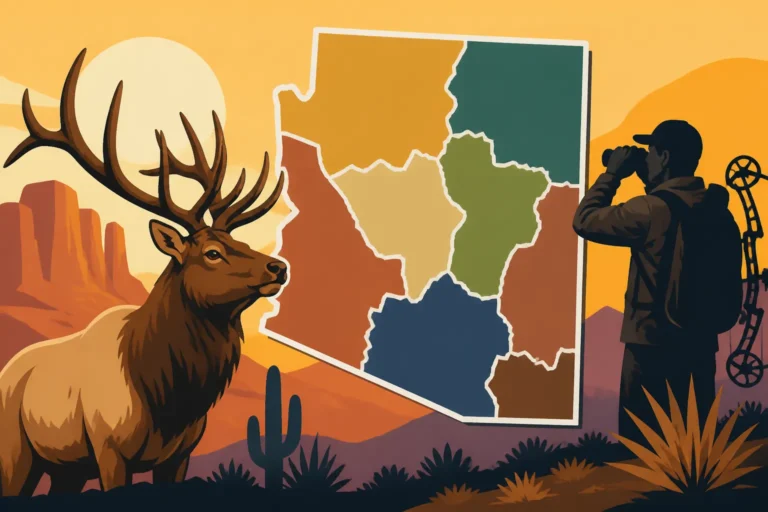
The very first part of an Arizona hunt code typically designates the game management unit (GMU) where the hunt will take place. These unit numbers, ranging from 1 to 45 (with some sub-units like 6A or 13B), represent specific geographical areas across the state. Each unit has unique characteristics, from the high-elevation ponderosa pine forests of the Mogollon Rim to the vast plains that might hold pronghorn, or the rugged canyons perfect for glassing Coues deer. For elk hunters, units like Unit 9, Unit 10, or Unit 23 on the Mogollon Rim are famous for their trophy potential and draw a lot of attention, while others might offer better draw odds for a general hunt.
It's crucial to consult a detailed Arizona hunting unit map to visualize these boundaries. Rivers, roads, and geographical features often form the borders, and knowing exactly where a unit begins and ends is vital for scouting and staying within legal hunting grounds. The unit number is the foundation of your hunt plan; it dictates the habitat, terrain, and often the elk density you can expect to encounter. Without this specific unit in mind, the rest of the code is meaningless, as it's tailored to that particular area.
Identifying the Species, Sex, and Hunt Type
After the unit number, the hunt code will clearly indicate the species you're hunting—in this case, elk. But it doesn't stop there. The code then specifies the type of elk allowed for harvest. This is where things get really important, as you'll see designations for "any elk," "any antlered elk" (bull), or "antlerless elk" (cows and calves). An "any elk" tag is often the most versatile but also the hardest to draw, allowing you to harvest either a bull or a cow, depending on opportunity. "Any antlered elk" tags are what most trophy hunters pursue, focusing solely on bulls. "Antlerless elk" tags are primarily used for herd management and typically have higher draw odds, offering a great chance to fill the freezer.
Sometimes, a hunt code might even specify further, like "spike only" or "6-point or better," though these are less common in general draw tags and more frequent in specific management hunts. The precise wording in the regulations linked to the hunt code is paramount. Never assume; always verify if your target animal fits the legal description for that specific hunt. Misinterpreting this part of the code can lead to a costly mistake or a violation of hunting laws, so pay very close attention to whether it specifies bull, cow, or "any" elk.
Weapon Type and Season Dates
The next crucial components in an Arizona elk hunt code describe the legal weapon type and the specific season dates. Arizona offers hunts for archery, muzzleloader, and general firearms (typically rifles, but sometimes shotguns or handguns depending on the unit and species). Each weapon type has its own set of regulations and hunting periods. For example, the archery seasons for elk often occur earlier in the fall, capitalizing on the rut, while muzzleloader hunts might follow, and general firearm seasons come afterward. You can learn more about specific requirements, such as how Arizona Sets Bow Draw at 30 Pounds and Crossbows at 125 or how Arizona Puts No Limits on Muzzleloader Sights or Powder, in other resources.
The season dates are presented in a clear "start date to end date" format within the regulations, directly corresponding to each unique hunt code. It's not uncommon for a single unit to have multiple hunt codes, each for a different weapon type or a different segment of the season. For example, Unit 9 might have an early archery bull hunt, a late rifle bull hunt, and an antlerless muzzleloader hunt, each with its own distinct code and dates. Always double-check these dates against your availability, and remember that some hunts, especially for archery, can be quite long, while others are very short and intense. Getting these details wrong means you'll either be hunting illegally or show up when the season isn't even open, wasting precious time and effort.
Navigating the Arizona Game and Fish Department Regulations
Understanding hunt codes is really about understanding the Arizona Game and Fish Department's regulatory framework. These aren't just arbitrary numbers; they are the official means by which the state manages its wildlife resources and allocates hunting opportunities. The AZGFD goes to great lengths to publish detailed regulations, and it's your responsibility as a hunter to read and interpret them correctly.
The Official Regulations Booklet and Online Portal
The primary source for all Arizona hunt codes and their accompanying regulations is the official Arizona Game and Fish Department (AZGFD) website and their annual hunting regulations booklet. This booklet, usually available digitally and in print, is updated yearly and is the definitive guide for all hunts. It details everything from application deadlines to weapon restrictions, bag limits, and specific legal descriptions for each hunt code. You can find out more about where the Current Arizona Regulations Are Posted directly on their website.
When you're applying for an elk tag, you'll use the online portal, which requires you to input the exact hunt code for your desired primary, secondary, and tertiary choices. This is where careful planning and research come into play. Tools like GoHunt can be incredibly valuable here, as they often compile past draw odds and application data, helping you analyze which hunt codes might offer the best chance of success based on your bonus points and preferences. While GoHunt provides fantastic insights and helps strategize, always cross-reference their data with the official AZGFD regulations to ensure you have the most accurate and up-to-date information.
Key Information Found in the Hunt Code Details
Beyond the simple code itself, each hunt code in the regulations comes with a wealth of critical information that you absolutely cannot overlook. This includes the legal description of the animal you can harvest (e.g., "any antlered elk with at least 3 points on one side"), unit-specific boundaries or exceptions, legal shooting hours for that particular season, and any special restrictions that might apply. For instance, some hunts might have specific access restrictions, or certain areas within a unit might be closed.
It’s not enough to just know the hunt code; you need to read the fine print associated with it. This section also clarifies bag limits (which for elk is typically one per hunter per year), tagging requirements, and harvest reporting procedures. Failing to understand these details can lead to severe penalties, from fines to loss of hunting privileges. Think of the hunt code as the title of a chapter, and the details that follow in the regulations are the entire content of that chapter – you need to read it all.
Common Pitfalls and How to Avoid Them
Even experienced hunters can trip up when dealing with Arizona's hunt codes. The complexity, combined with the excitement of applying for a coveted elk tag, can sometimes lead to simple mistakes with significant consequences. Being aware of these common pitfalls is the best defense against disappointment.
The Impact of Weapon Restrictions
One of the most frequent mistakes is misinterpreting the weapon type associated with a hunt code. For example, a hunter accustomed to rifle hunting might accidentally apply for a muzzleloader-only elk hunt code, realizing their error only after drawing the tag. Conversely, an archery hunter might mistakenly select a general firearm hunt, only to discover the season dates don't align with their preferred method. Each weapon type has distinct legal requirements. For instance, muzzleloader hunts in Arizona are quite unique in that they allow for a wide range of sight systems, including scopes, and various powder charges, as detailed in "Arizona Puts No Limits on Muzzleloader Sights or Powder." Archery hunts, on the other hand, have specific draw weight minimums and broadhead requirements.
It’s crucial to match your hunting equipment and preferred style of hunting with the weapon specified in the hunt code. Always consult the weapon-specific regulations, not just for the legal definition of the weapon, but also for any special conditions that might apply. For example, "When Crossbows Left Archery-Only Seasons" drastically changed how some hunters could apply. Double-check your application choices multiple times before submission, ensuring the hunt code you've selected is explicitly for the weapon you intend to use. There’s nothing worse than drawing a tag you can’t legally or effectively hunt with.
Navigating Season Date Overlaps and Special Hunts
Another tricky area is dealing with units that have multiple hunt codes for different season dates or special types of hunts. You might see a unit listed with an early archery season, followed by a muzzleloader season, then a general rifle season, and perhaps a late archery or antlerless hunt—all within the same unit but with different codes. Each of these distinct periods targets different behaviors of the elk herd (e.g., the rut, post-rut feeding patterns, wintering migrations) and requires different hunting strategies. Understanding Arizona Elk Season Structure by Hunt Code is essential to avoid confusion.
Furthermore, Arizona has special hunt types like HAM (Handgun, Archery, Muzzleloader) hunts, which combine weapon types during specific seasons. It's critical to know "What a HAM Hunt Actually Is" and if the hunt code you're eyeing falls under these specific regulations. Overlooking these nuances can lead to applying for a season that doesn't fit your schedule, or worse, one that has already passed or starts much later than you anticipated. Always confirm the exact start and end dates associated with your chosen hunt code to ensure you’re present and legal during the active hunting period. Use online resources like GoHunt to cross-reference season dates and historical draw success rates for these varied hunt types.
Practical Examples and Scenarios
Let's walk through a couple of hypothetical scenarios to solidify your understanding of how these codes work in the real world. This will help you visualize the process when you're staring at the AZGFD regulations booklet or inputting codes into the online draw system.
Example: A Hypothetical Archery Bull Elk Hunt Code
Imagine you're aiming for a prime archery bull elk hunt in Arizona. You've heard great things about the elk population in Unit 23, nestled within the White Mountains Elk Country, and you want to hunt during the peak of the rut with your bow.
You'd look in the AZGFD regulations booklet and find a hunt code that might look something like this: ELK-23-A-2024.
Let's break it down:
- ELK: This clearly indicates the species you are hunting is elk. Easy enough!
- 23: This is the Game Management Unit. You’d confirm on your map that Unit 23 covers the area you want to hunt in the White Mountains. This is a critical detail, as Unit 23 offers diverse terrain from high timber to desert fringes, so knowing your exact hunting area within it is key.
- A: This letter typically denotes the weapon type. In many Arizona codes, 'A' stands for Archery. You'd cross-reference this with the "Legal Weapon Descriptions" section of the regulations to confirm that 'A' indeed means archery-only equipment is permitted. This confirms you can use your vertical bow or a legal crossbow, provided you meet requirements like the 30-pound minimum for vertical bows.
- 2024: This usually refers to the specific season number or year, or sometimes a specific hunt "period" within the season, which then corresponds to a set of start and end dates elsewhere in the regulations. You'd look for Hunt Period 2024 for Unit 23-A, and it might say, "September 15 – September 28." This confirms your ideal rut-hunting window.
So, for ELK-23-A-2024, you know you're applying for an archery hunt for bull elk in Unit 23 during mid-to-late September. This specific hunt allows you to pursue a bull elk with a bow during prime rut activity, making it a highly desirable tag. When using tools like GoHunt, you might research draw odds for similar codes from previous years to gauge your chances for this specific hunt.
Example: An Antlerless Muzzleloader Hunt
Perhaps you're less concerned with a trophy bull and more focused on harvesting some delicious elk meat, or you have fewer bonus points and want a higher chance of drawing. You might target an antlerless hunt with a muzzleloader in a unit like the Kaibab Plateau Elk Genetics in Unit 9.
You might find a code like: ELK-9-M-2025.
Here’s the breakdown:
- ELK: Again, the species is elk.
- 9: This is Game Management Unit 9, located north of the Grand Canyon. You’d confirm this is the region you want to hunt. This unit is well-known for its elk numbers and is a prime location for many hunters.
- M: This letter commonly signifies a Muzzleloader weapon. You'd double-check the regulations to confirm 'M' equals muzzleloader. This means you'll need to use a legal muzzleloader, and you'd appreciate that Arizona Puts No Limits on Muzzleloader Sights or Powder, giving you flexibility with your setup.
- 2025: This would correlate to a specific season period, perhaps a late October/early November hunt after the general rifle seasons have wrapped up. The regulations might list the dates as "October 28 – November 3." Importantly, the regulations linked to this code would specify "Antlerless Elk Only."
So, ELK-9-M-2025 means you're applying for an antlerless elk hunt in Unit 9 with a muzzleloader in late October/early November. This is a great opportunity to secure an elk tag with potentially better draw odds than a bull tag, and to experience hunting with a muzzleloader in prime elk country.
By breaking down each part of the code and cross-referencing with the official Arizona Game and Fish Department regulations, you can confidently navigate the application process and ensure you're applying for the hunt that truly matches your goals and equipment. Remember to always consult the official "Reading an Arizona Hunt Code" section in the regulations for the most current and authoritative interpretations. Analyzing "Arizona Hunt Permit Application Data" can also help in making informed decisions about which codes to apply for.
| Component | Common Designation (Elk Example) | Explanation |
|---|---|---|
| Species | ELK | Indicates the animal being hunted (e.g., Elk, Deer, Pronghorn). |
| Unit Number | 1 to 45 (e.g., 23, 9, 1) | Geographical Game Management Unit where the hunt takes place. |
| Weapon Type | A (Archery) | Specifies the legal weapon: A=Archery, M=Muzzleloader, R=Rifle (often implicit in General hunts). |
| M (Muzzleloader) | Specific rules apply to each weapon type. | |
| Hunt Type | B (Bull) | Specifies the sex/class of animal: B=Bull/Antlered, C=Cow/Antlerless, A=Any Elk (Bull or Cow). |
| C (Antlerless) | Often combined with weapon type, or indicated within the hunt period details. | |
| Hunt Period | Numbers (e.g., 2024, 1, 2) | Corresponds to specific season start and end dates in the regulations booklet. Essential for timing your hunt. |
Disclaimer
Please remember that hunting regulations can change frequently. The information provided in this guide is intended for general informational purposes only and is based on general knowledge of Arizona hunting regulations. It is absolutely critical that you consult the most current and official Arizona Game and Fish Department (AZGFD) hunting regulations booklet before planning or participating in any hunt. Relying solely on this or any other third-party resource without verifying with official AZGFD publications is done at your own risk. The AZGFD website is the ultimate authority for all hunting laws and regulations.