How Long the OTC Archery Deer Window Runs
Navigating Arizona's hunting regulations can feel like trying to track a gray ghost through thick brush – especially when it comes to understanding the unique nuances of over-the-counter (OTC) archery deer seasons. Many hunters, both new and experienced, get tripped up by the split nature of these seasons, wondering exactly how long they really have to pursue a deer without going through the draw. This guide is here to untangle that complexity, giving you a crystal-clear picture of the Arizona OTC archery deer window.
Understanding Arizona's Unique OTC Archery Deer Structure
Arizona really stands out from many other states when it comes to its archery deer opportunities. Unlike the often-limited timeframes of drawn tags or general seasons, the state offers a surprisingly generous amount of time for archers to pursue deer with an OTC tag. However, it's not a continuous, single block of time. Instead, it’s broken into distinct periods that span across different parts of the year, providing diverse hunting conditions and challenges. This staggered approach is what often leads to confusion, but once you understand the pattern, it becomes a powerful tool for planning your hunts.
Arizona's approach reflects a balance: providing ample opportunity for archers while managing deer populations effectively. The OTC nature means you don't have to worry about points or draw odds – you simply purchase your tag and a valid Arizona hunting license, and you're ready to hit the field. This accessibility is a huge draw for many, allowing for spontaneous trips or multiple hunting efforts throughout the extended window. It's a fantastic way to experience hunting in Arizona without the anxiety of the draw system.
The Calendar Year and Season Splits
The core of understanding the OTC archery deer window is knowing that it functions within a calendar year, but with two distinct periods. Think of it less as one long season and more as two separate opportunities bookending the year. This means that if you're planning a trip, you need to be aware of which segment of the season you're aiming for, as the conditions, deer behavior, and even the general atmosphere of the hunt will be vastly different.
The Arizona Game and Fish Department structures these seasons to align with different biological phases of deer, as well as to manage hunter pressure. The early season capitalizes on summer patterns, while the late season often coincides with the rut or post-rut behavior. It’s critical to consult the most current Arizona hunt regulations booklet each year, as exact dates can shift slightly. While the general structure remains consistent, paying attention to those specific dates will save you a headache down the line.
Which Deer Species Are Included
One common question that comes up with these OTC tags is whether they cover both mule deer and Coues deer. The good news is, yes, the Arizona OTC archery deer tag is valid for both species. This means you have the flexibility to target either the larger mule deer found in the northern plateaus or the smaller, elusive Coues deer often found in the southern sky islands. This dual-species opportunity opens up a vast amount of diverse terrain and hunting experiences across the state.
When you're out there, keep in mind that the hunting strategies for these two species are quite different. Mule deer often inhabit more open, high-desert country or ponderosa pine forests, while Coues deer are masters of camouflage in the steep, brushy mountains. Understanding these differences will heavily influence your scouting efforts and your approach in the field. For more detail, consider reading about if Are Both Deer Species Covered by One OTC Tag?. This flexibility, however, is a huge bonus, allowing hunters to choose their adventure based on their preferences and the units they intend to hunt.
Breaking Down the Fall and Winter Seasons
So, let's get down to the specifics: how long is this magical OTC archery deer window? Arizona's over-the-counter archery deer season typically spans a significant portion of the year, divided into two main periods: a late summer/early fall hunt and a late winter hunt. This gives archers roughly five to six months of opportunity spread across two distinct windows.
| Season Segment | Typical Start Date | Typical End Date | Key Considerations |
|---|---|---|---|
| Early Season | Mid-August | Mid-September | Hot, monsoon rains, velvet antlers, water sources |
| Late Season | Mid-December | End of January | Cooler, possible snow, rutting activity, post-rut |
Note: These dates are typical and can vary slightly year to year. Always check the current Arizona Game and Fish Department regulations for exact dates.
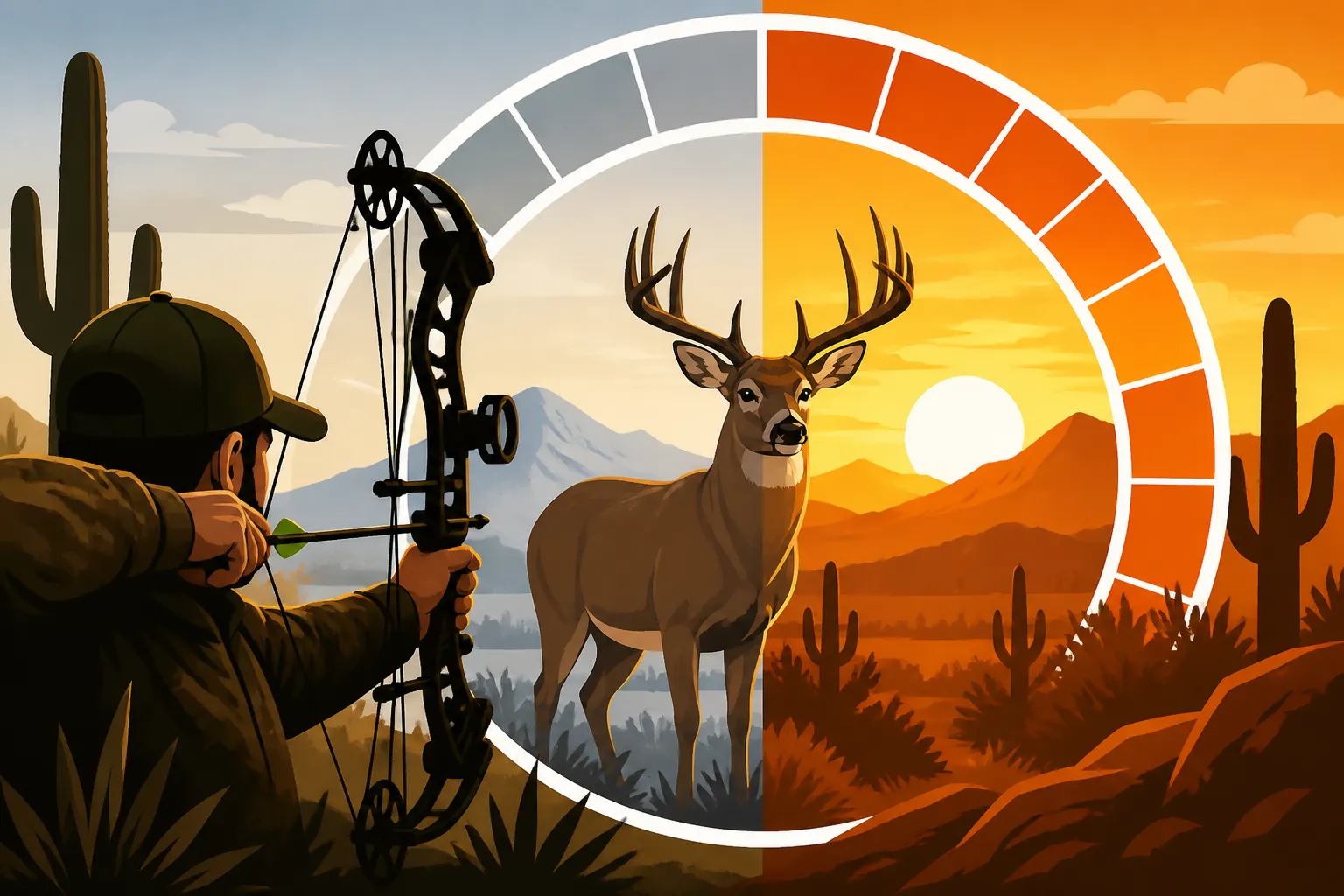
This split allows hunters to experience entirely different conditions and deer behaviors. The early season is a test of endurance against the heat, while the late season often presents opportunities to hunt deer during the rut, particularly for Coues deer, which can be incredibly exciting. Each period has its own set of challenges and rewards, making the OTC archery deer tag a versatile tool for any dedicated bowhunter.
The Early Season: Heat, Humidity, and Velvet Antlers
The first segment of the OTC archery deer season generally kicks off in mid-August and runs through mid-September. This is a time of intense heat in many parts of Arizona, especially in the lower elevations and desert units. You'll often hear discussions about Heat Management on an Arizona Early Season Hunt for good reason – it's no joke out there! Despite the scorching temperatures, this season holds a unique allure: the chance to pursue deer in velvet. Seeing a magnificent buck with its antlers still covered in the soft, blood-rich velvet is a sight to behold, and for many, it's a coveted trophy.
During this period, deer patterns are heavily influenced by water sources and shade. Monsoons are often a factor, bringing afternoon thunderstorms that can cool things down but also create difficult travel conditions on unpaved roads. Archery hunters often focus on these water sources – small tanks, natural springs, and even larger river systems – as deer will be frequenting them during the hottest parts of the day. The desert can also be surprisingly green after monsoon rains, offering more forage, but also more cover for those elusive deer. For those chasing Coues Deer Are Arizona's Signature Whitetail, the early season in the higher elevations of the Sky Islands can be slightly more bearable, temperature-wise, than the low desert.
The Late Season: Rutting Activity and Cooler Air
The second, and often more popular, segment of the OTC archery deer season begins around mid-December and extends through the end of January. This is when Arizona's deer, particularly the Coues deer, are often in the throes of their rut. This can make deer more active, less cautious, and generally more visible as bucks search for does. For hunters who love to call or stalk, this can be an incredibly exciting time to be in the field. Temperatures are significantly cooler than in the early season, especially in the higher elevations, and you might even encounter snow in northern Arizona or the higher Sky Island ranges.
The late season offers a completely different dynamic. While the early season is often about finding deer around water and cover, the late season often shifts the focus to traditional rutting areas, travel corridors, and feeding grounds where does congregate. Scouting for fresh sign, like rubs and scrapes, becomes paramount. Many hunters will spend countless hours glassing hillsides, patiently waiting for bucks to appear. Companies like GoHunt provide excellent mapping tools that can help identify potential deer habitat and access points, which are invaluable for both planning and executing a successful late-season hunt. Knowing exactly When Arizona OTC Archery Deer Season Opens and When Arizona OTC Archery Deer Season Closes for this window is crucial for maximizing your time.
What Makes This Deer Tag So Accessible
The accessibility of Arizona's OTC archery deer tag is one of its most compelling features, especially for hunters who prefer to avoid the lottery system or who enjoy the flexibility of planning hunts on their own schedule. Unlike the highly competitive draw for rifle or even some early archery elk tags, acquiring an OTC deer tag is straightforward. You purchase your hunting license, add the OTC deer tag, and you're good to go. This ease of acquisition eliminates much of the stress and uncertainty associated with hunting in other Western states.
This system is particularly beneficial for non-residents looking to experience Arizona's diverse landscapes and unique deer species without years of building points. It’s also a fantastic option for residents who might not have drawn a coveted rifle tag but still want significant big game opportunity. The relatively low cost of the tag, combined with the extensive season length, offers an incredible value.
No Draw, Just a Purchase
The biggest advantage of the OTC archery deer tag is right there in its name: "Over-the-Counter." There's no application period, no waiting for draw results, and no crushing disappointment if you don't pull a tag. You simply walk into an authorized license dealer, visit the Arizona Game and Fish Department website, or even many sporting goods stores, and purchase your tag. This straightforward process removes a huge barrier to entry that often discourages hunters from pursuing big game in other states.
This "no draw" system means you can decide to hunt deer almost on a whim, provided you have a valid Arizona hunting license. It's a fantastic option for those who have a busy schedule and can't commit to a specific drawn hunt months in advance. The freedom to decide when and where within the open units you want to hunt, without the pressure of a limited, drawn tag, is truly liberating for the modern hunter. This flexibility is a prime example of Arizona's Over-the-Counter Archery Deer Tag Explained.
Season Length and Flexibility for Archery Hunters
With roughly five months of hunting spread across two separate windows, the Arizona OTC archery deer tag offers an impressive amount of flexibility. This extended period allows archers to:
- Scout more extensively: You're not confined to a short pre-season window. You can scout during the early season, learn deer patterns, and then apply that knowledge to the late season. E-scouting tools, which are excellent for E-Scouting an Arizona Unit Before the Season, become even more valuable when planning across such a long and varied period.
- Adapt to conditions: If early season heat or monsoons make hunting difficult, you have the late season to look forward to with potentially more favorable conditions.
- Target different deer behaviors: You can choose to pursue velvet bucks in August/September or focus on rutting activity in December/January.
- Hunt multiple times: Unlike a single-use drawn tag, the extended OTC window means you can make several short trips or one extended excursion, maximizing your time in the field.
This flexibility is a significant benefit for any archer, allowing for a more strategic and potentially more successful hunt. It means you can tailor your efforts to the conditions and deer behavior that you prefer, or simply take advantage of opportunities as they arise throughout the year.
Planning Your Hunt Around These Seasons
Successfully hunting Arizona's OTC archery deer requires more than just knowing the dates; it demands strategic planning tailored to each season. The difference between an August hunt and a January hunt is profound, affecting everything from your gear choices to your scouting methodology and even your physical preparation. Understanding these nuances is key to turning those general season dates into a productive hunting experience.
Whether you're after a majestic mule deer or the elusive Coues deer, adapting your strategy to the specific window you choose is paramount. Many hunters, especially those traveling from out of state, will use online resources and mapping software, such as those offered by GoHunt, to analyze unit boundaries, terrain, and public land access well in advance. This helps them identify potential hot spots and plan their approach long before boots hit the ground.
Scouting and Prep for the Early Season
The early season demands a high level of physical conditioning and a robust plan for dealing with the elements. Scouting should focus heavily on water sources – not just the main tanks, but also smaller seeps, springs, and even recent rain puddles that deer might be utilizing. Deer will be seeking shade during the hottest parts of the day, so identifying thick north-facing slopes, dense riparian areas, or deep canyons can be incredibly productive. For detailed strategies on targeting Coues deer, looking into "Glassing Arizona's Sky Islands for Coues Deer" can provide valuable insights, as these regions are popular early season destinations.
- Hydration is non-negotiable: Carry more water than you think you'll need. Electrolytes are also your friend.
- Hunt mornings and evenings: Deer activity will be minimal during the midday heat. Focus your efforts during the first and last hours of daylight.
- Optics are critical: Especially for Coues Deer Are Arizona's Signature Whitetail, investing in quality binoculars and a spotting scope is essential for picking apart vast landscapes.
- Thermal considerations: Dress in light, breathable layers. Consider a wide-brimmed hat and sun-protective clothing.
- Monsoon awareness: Be prepared for sudden, intense thunderstorms. Road conditions can change rapidly, and flash flooding is a real risk.
Strategies for the Late Season
The late season, particularly for Coues deer, can be very exciting due to the rut. Scouting should shift towards identifying areas where does congregate, as bucks will be cruising through these regions. Glassing becomes even more crucial, as deer are often moving and visible for longer periods. Snow, if present, can make tracking easier but also make access more challenging. Understanding a deer's behavior during the rut is critical for success.
- Focus on rutting areas: Look for fresh rubs, scrapes, and areas with high doe concentrations.
- Cover ground with your optics: Patient glassing is often the most effective tactic. Find a good vantage point and methodically pick apart hillsides.
- Calling can be effective: During the rut, rattling antlers or using a doe bleat can sometimes attract curious bucks, though pressured deer might be wary of aggressive calls.
- Layered clothing: Expect wide temperature swings, from freezing mornings to mild afternoons. Be prepared for snow and cold, especially at higher elevations.
- Consider access: Some forest roads may be closed due to snow or seasonal restrictions, so check road conditions before heading out.
- Broadhead selection: Always ensure your broadheads meet Arizona's legal requirements. For instance, Why Broadheads Must Exceed Seven-Eighths of an Inch is a rule you absolutely cannot overlook. And ensure your bow meets The Minimum Bow Draw Weight Arizona Requires.
Disclaimer
The information provided in this guide is for general informational purposes only and is subject to change. Hunting regulations, season dates, and permit requirements are determined by the Arizona Game and Fish Department and can be updated annually. Always consult the official Arizona Game and Fish Department hunting regulations booklet for the most current and accurate information before planning any hunting trip. Failure to comply with all applicable laws and regulations may result in penalties.