Arizona Caps Nonresidents at Ten Percent of Every Hunt
Navigating the world of Arizona hunting tags as a nonresident can feel like trying to solve a complex puzzle with missing pieces. Many out-of-state hunters dream of chasing elk on the Mogollon Rim or glassing for Coues deer in the Sky Islands, only to be met with confusion and frustration when they dive into the draw odds. This guide is here to untangle the intricacies of Arizona's tag allocation system, focusing specifically on how the state's 10% nonresident cap impacts your hunting aspirations. We'll demystify the process, explain the nuances, and offer strategies to maximize your chances of drawing that coveted Arizona tag.
Understanding Arizona's Hunting Landscape for Nonresidents
Arizona holds a special place in the hearts of hunters across the country, and for good reason. Its diverse landscapes, from the Sonoran Desert to the high-elevation forests, offer unparalleled opportunities for a wide range of big game species. But for nonresidents, simply deciding to hunt here is just the first step in a sometimes-daunting journey that culminates at the draw application.
The Allure of Arizona for Out-of-State Hunters
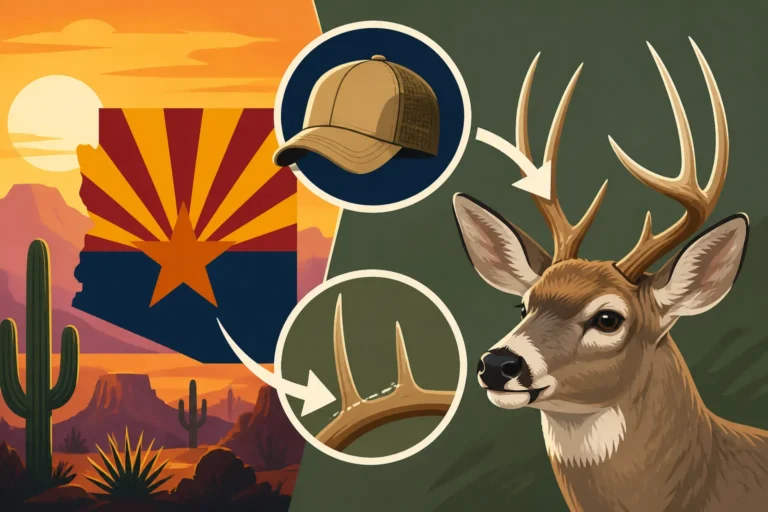
There's a certain magic to Arizona hunting that draws people from all corners of the globe. Perhaps it's the chance to hunt giant elk in units renowned for their trophy potential, or the unique challenge of pursuing "gray ghost" Coues deer in rugged mountain ranges. The state boasts impressive populations of species like mule deer, bighorn sheep, and even bison, not to mention accessible over-the-counter options for javelina, bear, and mountain lion. This incredible biodiversity and the potential for a truly memorable hunt make Arizona a bucket-list destination for many.
However, this allure also means intense competition. Everyone wants a piece of the Arizona pie, and that demand naturally makes tags harder to come by, especially for the premium hunts. Nonresidents often eye those incredible photos of monster bulls from units like the Kaibab Plateau or the White Mountains, fueling their desire but sometimes underestimating the draw odds. It's a land of opportunity, but one that requires a deep understanding of its rules to truly unlock.
Initial Hurdles and the Draw System Overview
Before you even start dreaming about spotting a magnificent bull or buck through your binoculars, you'll need to navigate Arizona's unique draw system. Unlike some states that offer separate nonresident pools or allocate a fixed number of tags before the draw, Arizona integrates nonresidents directly into its main draw, with a critical caveat: the 10% cap. This means that for virtually every single hunt code, no more than ten percent of the available permits can go to nonresidents.
This system can be a bit of a shock for hunters accustomed to other states' processes. It adds a layer of complexity and competition, as nonresidents aren't just competing against each other, but also against a much larger pool of resident applicants for a limited slice of the pie. Understanding this fundamental structure is the first step toward building a successful application strategy, because if you don't grasp this core principle, you'll be constantly scratching your head wondering why your odds seem so low.
Deconstructing the Ten Percent Nonresident Cap
The 10% nonresident cap is arguably the most significant factor affecting out-of-state hunters applying for big game tags in Arizona. It's a rule that sounds simple on the surface but has profound implications for draw odds and application strategy.
What the 10% Cap Actually Means for Nonresidents
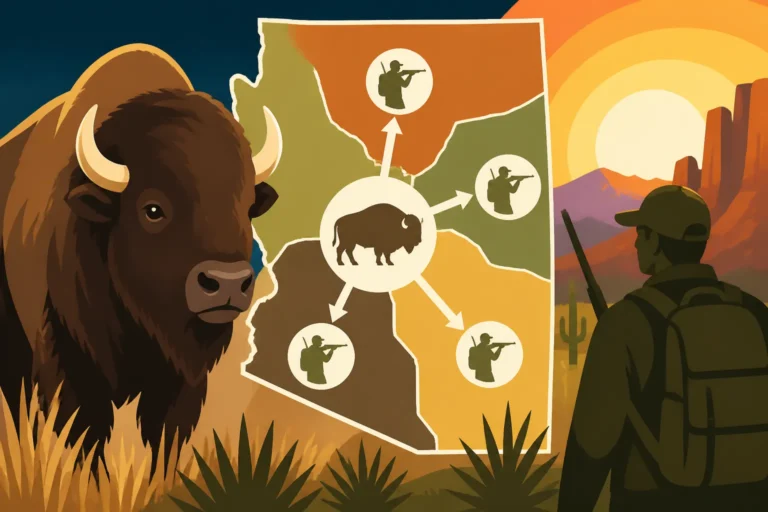
When Arizona Game and Fish Department sets permit numbers for a specific hunt, say "Unit 1 Early Archery Elk," they look at the total number of available tags for that specific hunt code. From that total, a maximum of 10% can be awarded to nonresident applicants. It's not a blanket 10% across all elk tags or all deer tags; it's specific to each individual hunt number. So, if a hunt code has 100 tags available, a maximum of 10 of those can go to nonresidents. If a hunt has only 15 tags, then only one nonresident might draw, as you can't have fractional tags. This is crucial because it means hunts with very few available permits will be exceptionally difficult for nonresidents to draw, even with many bonus points.
This "per hunt code" application of the cap means that popular, limited-entry hunts become even more exclusive for nonresidents. It effectively creates a much smaller pool of tags that nonresidents are truly vying for. Many hunters apply for their dream hunt without fully grasping this, leading to repeated disappointment. It's not enough to just know the total tags for a species; you need to understand the tag allocation for the specific hunt you're eyeing.
How the Cap Limits Opportunity
The immediate and most obvious impact of the 10% cap is a drastic reduction in available tags for nonresidents. In a state with massive hunting demand, particularly for species like elk, this cap translates directly into very low draw odds for out-of-state hunters, especially on premium hunts. While residents might see thousands of tags for elk statewide, nonresidents are left to compete for a few hundred, spread thinly across dozens of highly desirable hunt codes.
Consider a unit that might offer a fantastic early archery elk hunt with 200 tags. For nonresidents, that's only 20 tags available. If 1,000 nonresidents apply for that hunt as their first choice, the odds are already astronomical. This cap forces nonresidents to be incredibly strategic and often necessitates applying for many years to accumulate enough bonus points to stand a realistic chance at a quality tag. It can be disheartening, but it's the reality of hunting in a state as sought-after as Arizona. This is why tools that track Checking Arizona Draw Odds Before You Apply become indispensable for nonresidents.
The Arizona Draw Process: Bonus Point and Random Passes
Arizona's draw system isn't just about the 10% cap; it's also about how those limited tags are distributed. The process unfolds in two main phases: the Bonus Point Pass and the Random Pass. Understanding how these work in conjunction with the nonresident cap is key to planning your application strategy.
The Bonus Point Pass and Its Interaction with the Cap
The Bonus Point Pass is the first phase where tags are allocated. It's designed to reward hunters who have been applying for tags consistently over the years. Arizona uses a "squared" bonus point system, meaning your accumulated points are squared, and that number is used to draw a random number. The higher your squared points, the better your chances in this pass. For example, if you have 5 points, your number is drawn from a pool of 25 (5×5) entries, compared to 1 entry for someone with 1 point. This greatly increases your odds over time.
However, the 10% nonresident cap still applies here. So, even in the Bonus Point Pass, nonresidents are only competing for their allotted percentage of tags. In fact, Arizona sets aside the first 20% of all tags (resident and nonresident combined) to be awarded through this Bonus Point Pass. Within that 20%, the 10% nonresident cap is still strictly adhered to. This means that a highly desirable hunt with, say, 100 tags, will see 20 tags go in the Bonus Point Pass, but only a maximum of two of those can go to nonresidents. This explains why even nonresidents with a significant number of bonus points still face tough odds for the most coveted tags. For a deeper dive into this, you might want to look into How Arizona's Bonus Point Pass Awards the First Twenty Percent.
The Random Pass and How It Allocates Remaining Nonresident Tags
After the Bonus Point Pass has run its course, any remaining tags are then distributed through the Random Pass. In this phase, every applicant (resident and nonresident) has an equal chance, regardless of their accumulated bonus points. Think of it as a pure lottery, where a random number is assigned to each application. Your bonus points essentially act as additional entries in the Bonus Point Pass, but they don't carry any weight in this second phase.
Again, the 10% nonresident cap remains firmly in place. If, after the Bonus Point Pass, there are still nonresident-allocated tags available (which is common for less popular hunts, or if fewer nonresidents applied than the cap allowed in the bonus pass), they would then be distributed in the Random Pass. This phase is particularly relevant for nonresidents who are just starting to build points or who are applying for hunts with generally higher tag numbers or lower demand. It's a chance, albeit a slim one for premium hunts, to draw a tag even without a decade of points. It underscores the importance of having a valid hunting license and applying every year to at least get that single point for the Bonus Point Pass, even if you're hoping for a random draw miracle.
Navigating the Two Arizona Draw Cycles
Arizona splits its big game draw into two distinct cycles, each with its own set of species and application deadlines. This structure allows hunters to focus their efforts and finances on different hunts throughout the year, but it also requires careful planning, especially for nonresidents managing the 10% cap. Knowing which species fall into which cycle is paramount.
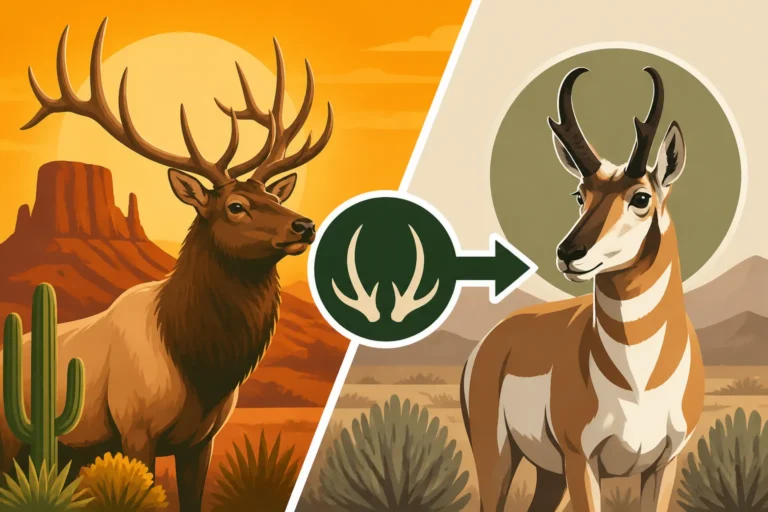
February Draw: Elk and Antelope
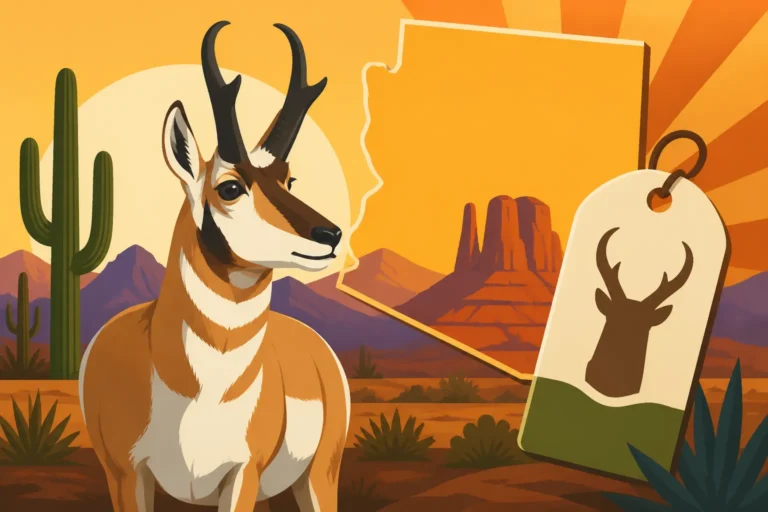
The first major draw cycle, with its application deadline typically in early February, covers two of Arizona's most sought-after species: elk and pronghorn antelope. For many nonresidents, this is the primary focus of their Arizona hunting dreams. The state is renowned for its trophy elk potential, particularly in units along the Mogollon Rim and in the White Mountains. Similarly, Arizona's vast grasslands offer fantastic opportunities for antelope, though these tags are notoriously difficult to draw due to their scarcity.
The competition in this draw is fierce, and the 10% nonresident cap hits hardest here. Thousands of nonresidents will apply for a limited pool of elk and antelope tags, often pushing the required bonus point totals for successful applicants into double digits for the best hunts. If your goal is a high-quality elk or antelope tag, understand that this is a long-term game of accumulating points and applying strategically. It's common for nonresidents to apply for 10-15 years or more to draw a premium elk tag. Don't forget, Arizona Runs Two Draw Cycles, February and June, and this first cycle is often where the biggest dreams (and biggest disappointments) play out.
June Draw: Deer, Bighorn, and Bison
The second draw cycle, with a deadline usually in early to mid-June, focuses on deer (both mule deer and Coues whitetail), desert and Rocky Mountain bighorn sheep, and bison. While these hunts may not always garner the same overwhelming nonresident demand as elk, they are still incredibly popular, especially for species like trophy mule deer on the Arizona Strip or the challenging Coues deer. Bighorn sheep and bison tags are among the rarest and most difficult to draw for any hunter, resident or nonresident.
The 10% nonresident cap applies just as strictly in this cycle. For deer, the odds can still be tough, particularly for specific unit tags known for their trophy potential or unique experiences like the five-month over-the-counter archery deer season. For bighorn and bison, even with decades of points, drawing a nonresident tag is essentially a once-in-a-lifetime lottery win, given the minuscule number of tags available. This cycle provides excellent opportunities for many, but for the most coveted tags, it still demands patience and a very strong understanding of the draw mechanics. It's worth noting that Arizona Deer Seasons Across the Calendar offer different opportunities within this cycle, some of which are more accessible than others.
Maximizing Your Chances as a Nonresident Hunter
Given the stiff competition and the 10% nonresident cap, it's clear that successful Arizona hunting for out-of-state applicants requires more than just luck. It demands a well-thought-out strategy, consistent effort, and a realistic understanding of your odds.
Strategizing Your Application: High Demand vs. Realistic Odds
The biggest mistake a nonresident can make is applying for the same handful of "dream hunts" year after year without adjusting their strategy. While it's great to have aspirations, continually throwing your application into hunts with 0.1% nonresident draw odds, especially with low points, is a recipe for frustration. A smarter approach involves a tiered strategy. Identify one or two true "trophy" hunts you'd like to apply for as your first choice, understanding they are long shots. Then, for your second and third choices, research hunts with slightly more favorable nonresident odds.
This means diving deep into draw statistics. Resources like GoHunt are invaluable for analyzing historical draw data, understanding point creep, and identifying hunts where nonresident success rates, while still low, are at least measurable. Perhaps a general season deer hunt in a less-pressured unit offers a better chance than a highly coveted early season rifle elk tag. It’s about balancing your desires with a pragmatic assessment of what’s genuinely attainable. For instance, some units might have slightly better odds for Compound, Recurve or Longbow for Coues Deer than others due to terrain or access challenges.
Earning and Utilizing Arizona Bonus Points Effectively
Bonus points are the currency of the Arizona draw for nonresidents. While they don't guarantee a tag, they significantly increase your odds over time, especially in the Bonus Point Pass. There are several ways to earn these crucial points, and a smart nonresident will utilize all available avenues. The most common way is simply by applying for the draw each year and failing to draw your first choice. Each year you don't draw, you earn a point.
Beyond applying, Arizona offers two fantastic ways to earn permanent bonus points:
- Hunter Education Course: Completing an approved Arizona Hunter Education course earns you a permanent bonus point. Even if you've taken hunter ed in another state, consider taking the Arizona course online or in person. This is a one-time point that stays with you forever. You can find more information about this at Hunter Education Is Required Under 14 in Arizona.
- Ethically Hunting Arizona Course: Similarly, completing the "Ethically Hunting Arizona" course also awards a permanent bonus point. This course focuses on ethical hunting practices specific to Arizona's unique environment and regulations. This is another excellent, one-time opportunity to boost your point total. You can learn more about this specific course by reading The Ethically Hunting Arizona Course Earns a Permanent Point.
These two permanent points, combined with annual application points and potentially The Arizona Loyalty Point for Five Straight Years, can give you a significant advantage over other nonresidents who are just accumulating points through annual applications. Remember, Why Arizona Bonus Points Never Cross Species, so points earned for elk won't help your deer application, and vice versa. Focus your efforts on the species you truly want to hunt.
Financial Considerations for Nonresident Arizona Hunts
Let's be real: hunting in Arizona as a nonresident isn't cheap. Beyond the challenges of drawing a tag, there are significant financial commitments involved, from application fees to the cost of the tag itself, not to mention travel, gear, and potentially guide services. Understanding these costs upfront is vital for budgeting and avoiding sticker shock.
The Cost of Licenses and Application Fees
Before you can even apply for a draw hunt, you'll need to purchase an Arizona hunting license. For nonresidents, this is an annual expense, and it's mandatory to submit an application. A nonresident hunting license typically costs around $160. This license allows you to hunt small game and serves as your prerequisite for applying for big game draws.
In addition to the license, there's a non-refundable application fee per species for which you apply in each draw cycle. For example, if you apply for elk, antelope, and deer in the same year (across the two draw cycles), you'll pay an application fee for each of those species. These fees are usually around $15 per species, per draw. While these individual fees might seem small, they add up, especially if you're applying for multiple species over several years while building bonus points. This consistent financial outlay is part of the commitment to hunting Arizona's coveted big game.
Understanding Tag Fees and the All-In Hunt Cost
If you are lucky enough to draw a tag, be prepared for the actual tag fee, which can be substantial for nonresidents. For instance, a nonresident elk tag can run upwards of $665, while a deer tag might be around $315, and a bighorn sheep tag is several thousand dollars. These are significant expenses that you'll need to pay once you've successfully drawn the tag. This is a common point of confusion for new applicants, who sometimes don't factor in this final payment. For more details on this, take a look at A Nonresident Arizona Elk Tag Runs $665 Plus License.
Beyond the tag fee, consider the "all-in" cost of an Arizona hunt. This includes your hunting license and application fees, the tag fee, travel expenses (flights, fuel), lodging (campsites, hotels), food, gear (optics, weapon, clothing), and potentially meat processing and taxidermy. If you choose to hire an outfitter or guide, those costs can easily add thousands, or even tens of thousands, of dollars to your trip. Arizona is a vast state, and fuel costs for scouting and hunting can quickly become significant. It’s crucial to budget for all these elements to ensure your hunting experience is enjoyable and not financially stressful.
Beyond the Draw: Over-the-Counter Opportunities and Other Avenues
While the draw hunts are what many nonresidents dream of, Arizona offers alternative hunting opportunities that don't require navigating the complex draw system or the sting of the 10% nonresident cap. These over-the-counter (OTC) options can be fantastic ways to experience Arizona's diverse landscapes and pursue big game without the multi-year wait.
Exploring Arizona's OTC Archery Deer Season
One of the most popular and accessible opportunities for nonresidents is Arizona's extensive over-the-counter (OTC) archery deer season. This season typically spans several months, often split into an August/September early season and a December/January late season. For a relatively affordable tag (around $315 for nonresidents, plus your hunting license), you can hunt either Coues whitetail or mule deer.
This is a fantastic option for several reasons. First, it eliminates the draw entirely, meaning you can decide to hunt Arizona and purchase a tag directly. Second, the sheer length of the season provides flexibility for planning your trip. Third, it offers a challenging but rewarding experience for bowhunters in some truly stunning desert and mountain environments. While success rates aren't guaranteed, the opportunity is there. Many hunters spend their early season hunting How to Hunt Arizona's Five-Month OTC Archery Deer Season in pursuit of a desert buck. This is a great way to experience Arizona without relying on draw odds, and you can learn all about it in Arizona's Over-the-Counter Archery Deer Tag Explained.
Other Non-Permit Tags: Javelina, Bear, and Mountain Lion
Beyond OTC archery deer, Arizona also offers over-the-counter tags for javelina, black bear, and mountain lion. These species often have season structures that allow for non-permit hunting, though some bear and lion hunts might have specific unit quotas or harvest limits that can close a season early.
- Javelina: These "desert pigs" are incredibly fun to hunt and provide a unique Arizona experience. They are found across much of the southern desert, and OTC archery javelina tags are available year-round in many units. This is often an ideal species for nonresidents looking for an accessible and exciting hunt without the draw hassle.
- Black Bear: Arizona has a healthy black bear population, and many units offer OTC opportunities for both archery and general firearms seasons. However, these hunts often have female harvest limits, which can lead to early season closures. Hunters need to stay updated on the Arizona Game and Fish website for current closure information.
- Mountain Lion: Like bear, mountain lions can also be hunted with an OTC tag, though certain units may have harvest limits. Hound hunting is a popular method for lions in Arizona, though still-hunting is also an option.
These OTC options are excellent ways for nonresidents to get their boots on the ground in Arizona, experience the hunting culture, and potentially harvest some unique big game, all while continuing to build bonus points for those highly sought-after draw tags.
Essential Tools and Resources for Nonresident Hunters
Hunting Arizona as a nonresident, especially with the 10% cap, demands thorough preparation and access to reliable information. Leveraging the right tools and resources can make a significant difference in your application strategy and overall hunt success.
Utilizing Data and Draw Odds Resources
In today's digital age, relying solely on guesswork or anecdotes is a disservice to your hunting aspirations. For nonresidents, detailed draw odds data is paramount. Websites and services like GoHunt offer invaluable insights by compiling historical draw data, success rates, and applicant numbers. These platforms allow you to filter by species, unit, weapon type, and point totals, giving you a clear picture of how competitive specific hunts are.
Using such resources, you can:
- Identify Trend Lines: See how draw odds for specific units or hunt codes have changed over the years. Are point totals for success increasing (point creep)?
- Analyze Nonresident Success: Specifically target data that shows nonresident draw success, which is often drastically different from resident success.
- Explore Lesser-Known Hunts: Discover hunts that might have slightly better odds but still offer quality opportunities, moving beyond the obvious "trophy" units.
- Make Informed Choices: Instead of just guessing, you can make data-driven decisions about your first, second, and third choices, balancing your dream hunt with more realistic options given your point total. This kind of diligent research is absolutely critical for anyone hoping to beat the odds and draw a quality Arizona tag. For this kind of detailed analysis, you must know Reading an Arizona Hunt Code effectively.
Planning Logistics: From Scouting to Success
Drawing a tag is only half the battle; the other half is being prepared to hunt effectively in Arizona's rugged and often unforgiving terrain. Nonresidents often face the challenge of scouting a unit from hundreds or thousands of miles away. This is where modern technology and traditional outdoor skills merge to create a comprehensive plan.
- E-Scouting: Tools like OnX Hunt, Gaia GPS, or Google Earth are indispensable. They allow you to virtually explore units, identify potential access points, locate water sources, pinpoint bedding areas, and map out travel corridors for game. This can save you countless hours and miles once you're on the ground. You can use these tools to understand Terrain That Hides an Approach in Desert Country or locate potential game concentrations around Water Sources That Concentrate Arizona Desert Game.
- Physical Scouting: If possible, plan a pre-season scouting trip. Even a few days in your unit can provide invaluable information that digital tools can't fully replicate, like current road conditions, water levels, or actual game sign. This is especially important if you're targeting a draw hunt; consider timing a summer trip to scout, as mentioned in Scouting an Arizona Unit Before the February Deadline.
- Logistics Planning: Consider all aspects of your trip: where will you camp? What are the nearest towns for resupply? What are the weather patterns for your chosen season? How will you pack out a harvested animal, particularly in hot early seasons? These details are often overlooked but can make or break a hunt. Arizona's weather can be extreme, from scorching desert heat to freezing mountain snow, sometimes within the same day, so preparing for heat management on an early season hunt is just as important as knowing how to layer for cold.
A well-researched application combined with thorough logistical planning is the nonresident's best defense against the challenges of Arizona's draw and its expansive, wild landscapes.
Disclaimer
This article is for general informational purposes only and does not constitute professional advice. Laws, prices and regulations vary by location and change over time. Consult a qualified professional for guidance on your specific situation.