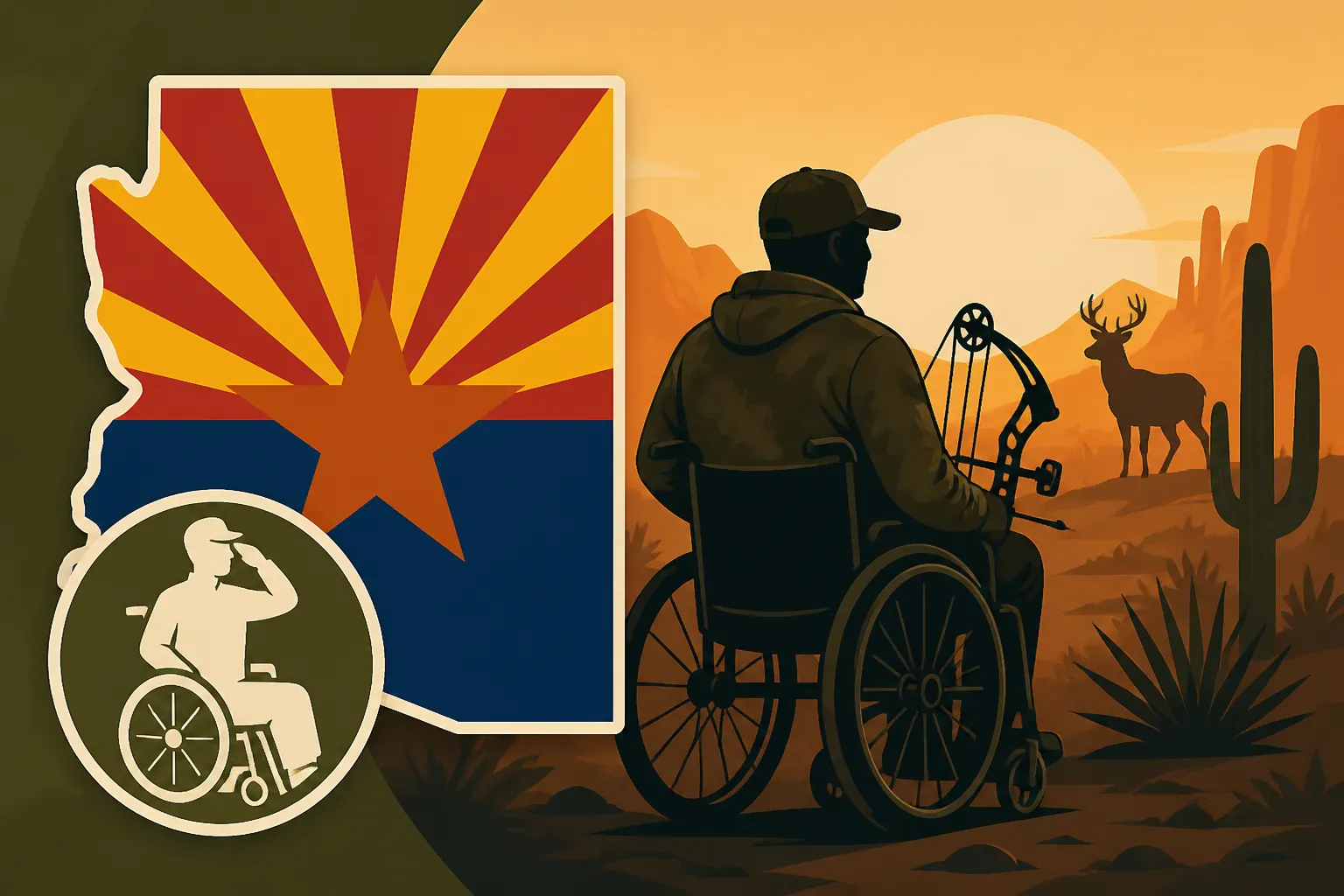
Disabled Veteran License Options in Arizona
It's no secret that the cost and complexity of obtaining hunting licenses and tags can be a significant barrier for many, and that burden can feel even heavier for our disabled veterans who have already given so much. Navigating state regulations, understanding eligibility, and figuring out how to make the most of limited resources shouldn't add to the challenges you face. This comprehensive guide is here to break down everything you need to know about disabled veteran hunting license options in Arizona, making the process clear and accessible so you can get back to what you love: being out in the field.
Understanding Arizona's Commitment to Veterans
The call of the wild, the quiet solace of the backcountry, the thrill of the hunt—these experiences are invaluable, and for many veterans, they are a vital part of healing and reintegration. States across the nation are increasingly recognizing this, but Arizona has truly stepped up its game to honor the sacrifices made by our disabled service members by making hunting more affordable and accessible.
The Landscape of Veteran Hunting Benefits Nationally
Across the United States, there's a growing movement to provide veterans with meaningful benefits, especially when it comes to outdoor recreation. We're seeing more and more states offering discounted licenses, special seasons, or even complimentary tags to veterans, particularly those with service-connected disabilities. This isn't just a gesture of thanks; it's an acknowledgment of the therapeutic power of nature and the unique challenges many disabled veterans face. From navigating physical limitations to managing the financial strain that can come with a disability, hunting can feel out of reach without these programs. It’s about more than just a lower price; it’s about reducing barriers and opening doors to activities that foster mental well-being and a sense of purpose. Every state has its own nuances, its own paperwork, and its own set of rules, which can make things feel like a bewildering maze, especially if you're trying to figure it all out from scratch.
How Arizona Stands Out for Disabled Veterans
Arizona has long been a state with a deep appreciation for its military community, and this is reflected clearly in its hunting and fishing regulations. When it comes to disabled veterans, Arizona makes a genuine effort to reduce the financial burden of pursuing these passions. The Arizona Game and Fish Department (AZGFD) offers significantly reduced fees for both annual hunting licenses and various big game tags for qualifying disabled veterans. This isn't just a small discount; it's often a substantial price break that can make the difference between being able to afford a coveted tag or having to sit out a season. The state recognizes that for many, hunting isn't just a hobby—it's a way of life, a connection to the land, and a powerful tool for coping with the invisible and visible wounds of service. By making these opportunities more affordable, Arizona actively encourages disabled veterans to engage with the natural beauty and abundant wildlife that the state has to offer, fostering independence and continued outdoor adventure.
Eligibility Requirements for Arizona's Disabled Veteran Licenses
To qualify for Arizona's disabled veteran hunting license, there are a few key criteria you'll need to meet. It’s not just about having served, but about having a service-connected disability that meets specific thresholds.
First and foremost, you must be an Arizona resident. This is a critical point, as nonresident disabled veterans, while certainly appreciated, do not qualify for these specific state-level discounts, though they can still avail themselves of general nonresident tags at their respective prices. You'll need to prove your residency, usually through a valid Arizona driver's license or state ID, and demonstrate that you've been living in the state for a certain period, typically six months prior to application.
Secondly, and most importantly, you must have a service-connected disability rating of 50% or greater. This isn't something the AZGFD determines; it's a rating that comes directly from the U.S. Department of Veterans Affairs (VA). You'll need official documentation from the VA clearly stating your disability percentage. A simple veteran ID card often isn't enough; they need the official letter. This ensures that the benefits are directed to those who have sustained significant impacts from their service. There’s no wiggle room on this percentage, so make sure your VA documentation is accurate and up-to-date.
Finally, your discharge from military service must have been under honorable conditions. This is a standard requirement for most veteran benefits and simply means you were not dishonorably discharged. Your DD-214 or equivalent separation document will serve as proof of this.
Meeting these requirements is crucial, and having all your ducks in a row with your documentation will make the application process much smoother. Don't try to guess or assume; gather the official papers and confirm your eligibility before you start the application process.
Navigating the Application Process
Getting your disabled veteran hunting license in Arizona isn't overly complicated, but like any official process, it requires attention to detail. Having all your documents ready and knowing the steps will save you a lot of headache.
Gathering Your Essential Documentation
Before you even think about filling out a form, you need to gather the right paperwork. This is often where people run into delays, so let’s make sure you're fully prepared.
First on your list should be your DD-214, Certificate of Release or Discharge from Active Duty. This document is proof of your military service and confirms your honorable discharge. Make sure you have a legible copy. If you don't have it, you can request it from the National Archives.
Next, and arguably the most important piece of evidence for this particular license, is your official letter from the U.S. Department of Veterans Affairs (VA). This letter must clearly state your service-connected disability rating and that it is 50% or greater. This isn't just a VA medical card; it's typically a formal letter detailing your benefits and rating. If you're unsure if you have the correct document, contact your local VA office or log into your eBenefits account to download an official benefits letter. This specific letter is non-negotiable for proving your eligibility.
Finally, you'll need proof of Arizona residency. A valid Arizona driver's license or state ID card that shows you've been a resident for at least six months is usually sufficient. If your ID is new, or you've recently moved, you might need supplemental documents like utility bills, voter registration, or vehicle registration to establish your residency period.
Having these three core documents—DD-214, VA disability letter (50%+), and Arizona residency proof—organized and ready to go will make the next steps much easier. Don't be shy about making copies and keeping them in a safe place.
Submitting Your Application to Arizona Game and Fish
Once your documents are in order, it's time to submit your application to the Arizona Game and Fish Department (AZGFD). You have a few options for how to do this, offering flexibility depending on what works best for you.
Many prefer the convenience of the online application process through the AZGFD portal. You'll likely need to create an account if you don't already have one. This portal is a great central hub for all your hunting and fishing needs, from applying for licenses to checking draw results. When applying online, you'll typically be prompted to upload digital copies of your VA disability letter and DD-214. Ensure these scans or photos are clear and readable to avoid any processing delays. The online system often guides you through step-by-step, making it relatively user-friendly.
If you prefer a more traditional approach, you can always mail in your application. Download the appropriate form from the AZGFD website, fill it out completely, and include clear photocopies of all your supporting documentation. It's always a good idea to send important documents via certified mail so you have a tracking number and confirmation of delivery.
For those who like face-to-face interaction or need assistance, visiting an AZGFD office in person is another viable option. You can find their regional offices in various cities across the state, such as Phoenix, Tucson, Mesa, Kingman, Pinetop, Yuma, and Flagstaff. Bringing your original documents with you allows staff to verify them on the spot and can often expedite the process. They can also answer any questions you might have about your specific situation.
Regardless of your chosen method, double-check all information before submission. Mistakes on forms, especially regarding personal details or document numbers, are a common cause of application delays. As you prepare for your hunt, remember that resources like GoHunt can be incredibly valuable for researching specific units or understanding draw odds for different species, helping you plan which tags to apply for once your license is approved. Even before your license is finalized, you can use these tools to scout out potential areas and prepare for the upcoming seasons, whether it’s for E-Scouting an Arizona Unit Before the Season or figuring out good access points.
What to Expect After Application
Once you've submitted your application for the disabled veteran license, the waiting game begins. The processing time can vary, but generally, it's fairly efficient if all your documentation is in order.
Typically, AZGFD will review your application and supporting documents. If everything checks out, they will process your license. You can expect to receive your physical license in the mail within a few weeks if you applied by mail. For online applications, you might be able to print a temporary license immediately, with the official hard copy arriving later. It's always a good idea to check the AZGFD website or your online portal account for specific processing timelines, as these can fluctuate based on the time of year and application volume. Peak season, like before major big game draws, might see slightly longer waits.
Occasionally, there might be a hiccup. The most common issues or delays stem from incomplete applications, missing documentation, or unreadable copies of your VA letter or DD-214. If there's an issue, AZGFD will usually contact you, either by mail, email, or phone, to request the missing information. This is why providing accurate contact details is so important. Respond promptly to any requests for additional information to avoid further delays.
Once your disabled veteran hunting license is issued, it will be valid for the current license year, which typically runs from January 1st to December 31st. This license is your ticket to purchasing discounted tags for various species, but remember, drawing a tag for limited-entry hunts, like elk or certain deer hunts, is still a separate process. The license simply makes you eligible for the resident and disabled veteran pricing when you apply for those draws or purchase over-the-counter tags. Make sure you understand how the Arizona draw process works, including how Three Ways to Earn an Arizona Bonus Point can boost your chances over time, and What Happens to Arizona Points When You Draw.
Exploring the Benefits: What Your Disabled Veteran License Unlocks
Holding an Arizona disabled veteran hunting license isn't just about a piece of paper; it's about opening doors to more affordable and accessible hunting adventures across the state. The financial relief alone is a huge benefit, making those dreams of chasing Coues deer or javelina a much more tangible reality.
Significant Cost Savings on Licenses and Tags
The most immediate and impactful benefit of qualifying for the disabled veteran license is the significant reduction in costs. Arizona understands that every dollar counts, especially for those living on a fixed income or managing disability-related expenses. The standard resident hunting license, which is already more affordable than a nonresident one, becomes even more so for disabled veterans.
But it's not just the annual hunting license that sees a price cut. The real savings often come with the big game tags. For instance, a general resident hunting license might cost around $37, but a disabled veteran resident license can be as low as $15. Now, let’s look at tags. A resident general deer tag might be $58, but for a disabled veteran, it could be closer to $15. An elk tag, which is a considerable investment for anyone at around $135 for a resident, often drops to a much more manageable $38 for qualified disabled veterans. These aren't small change; they represent hundreds of dollars in savings annually, allowing you to participate in more hunts or save for better gear.
This financial accessibility means that you can potentially apply for more species, or simply afford to hunt your favorite game without breaking the bank. It removes a major financial barrier, letting you focus on the hunt itself, not just the expense.
Here’s a quick overview of potential cost differences (prices are illustrative and subject to change by AZGFD, always check current regulations):
| License/Tag Type | Standard Resident Cost (Approx.) | Disabled Veteran Resident Cost (Approx.) | Nonresident Cost (Approx.) |
|---|---|---|---|
| General Hunting License | $37 | $15 | $160 |
| Deer Tag | $58 | $15 | $315 |
| Elk Tag | $135 | $38 | $665 |
| Turkey Tag | $30 | $15 | $85 |
| Javelina Tag | $30 | $15 | $85 |
As you can see, the savings are substantial and certainly help make hunting in Arizona more attainable.
Access to Draw Opportunities and OTC Options
With your disabled veteran hunting license in hand, you're now eligible to participate in Arizona's renowned draw system for coveted tags, as well as purchase over-the-counter (OTC) options at your discounted rate.
It’s important to clarify that the disabled veteran license doesn't grant you preferential treatment in the draw itself; you still apply through the regular draw system just like any other resident hunter. What it does do is ensure you pay the significantly reduced resident disabled veteran price if you are successful in drawing a tag. This is where those savings really add up, especially for high-demand species like elk or trophy mule deer. You'll want to be familiar with the various hunt codes and application deadlines, which GoHunt is an excellent resource for tracking, allowing you to strategically apply for hunts that align with your preferences and draw odds.
Beyond the draw, Arizona offers fantastic Arizona's Over-the-Counter Archery Deer Tag Explained opportunities, particularly for archery deer and javelina. For instance, the year-round Arizona Javelina Tags Are Available All Year season, or the extensive archery deer seasons in various units, become incredibly attractive when the tag cost is reduced from $30 or $58 down to a mere $15. This means more flexibility to hunt throughout the year without the pressure of a draw, and at a price that makes these hunts genuinely accessible. These OTC opportunities are often perfect for veterans looking for a less intense, more flexible hunting experience, allowing them to truly enjoy the process without the added stress of a high-stakes draw.
Understanding Special Provisions or Exclusions
While the primary benefit of the disabled veteran license is financial, it's important to understand that in Arizona, it generally doesn't come with a separate set of special hunting seasons or different rules compared to other resident hunters. The game laws, bag limits, season dates, and weapon restrictions (like those detailed in Arizona Legal Shooting Hours for Big Game or Baiting Rules That Apply in Arizona) remain the same for all resident hunters, including disabled veterans.
The focus is squarely on making the cost of participation equitable. For example, if there's an archery-only season for deer, you'll still need to use a bow, and adhere to all the associated regulations. The license simply makes it more affordable to buy that archery deer tag.
However, it's always crucial to review the current year's Arizona Hunting Regulations Booklet. While the disabled veteran license primarily offers a price break, regulations can and do change. The AZGFD sometimes implements new programs or modifies existing ones, so staying informed is key. Think of your disabled veteran license as your passport to the general resident hunting opportunities, but at a greatly reduced fare. This allows you to hunt any legal species with any legal weapon during the open seasons, just like any other resident, but with the added financial relief you've earned through your service.
Maximizing Your Arizona Hunting Experience as a Disabled Veteran
Getting your discounted license is just the first step. To truly make the most of your Arizona hunting opportunities as a disabled veteran, you'll want to strategically plan, utilize available resources, and connect with supportive communities. It's about combining your passion for hunting with smart preparation.
Leveraging E-Scouting Tools and Resources
In today's digital age, e-scouting has become an indispensable tool for hunters, and it's especially powerful when you're looking to maximize your experience without excessive physical exertion or travel costs. Tools like GoHunt are absolute game-changers for any Arizona hunter, providing incredible detailed maps, public land ownership overlays, unit-specific data, and draw odds.
With your disabled veteran license making tags more affordable, you can use these platforms to research multiple units or species that might have previously seemed out of reach. You can identify potential hunting areas from the comfort of your home, pinpointing water sources, terrain features, access roads, and potential bedding or feeding areas. This saves you valuable time, fuel, and physical effort that might otherwise be spent driving around blind. For example, you can use GoHunt's map layers to understand Where Arizona Publishes Unit Access Maps and visualize terrain.
Even if you have physical limitations, e-scouting allows you to become an expert on a unit before you ever set foot in it. You can mark waypoints for potential glassing knobs, escape routes, or even areas that look like they might be more accessible. This kind of preparation, as discussed in E-Scouting an Arizona Unit Before the Season, is invaluable for tailoring your hunt to your abilities and increasing your chances of success. It empowers you to make informed decisions about where and how you want to hunt, making your time in the field more productive and enjoyable.
Connecting with Veteran Hunting Organizations
You are not alone in your love for hunting, and there’s a strong, supportive community of disabled veterans who share your passion. Connecting with veteran hunting organizations can be one of the most enriching aspects of your hunting journey. Groups like the Wounded Warrior Project, Hero Hunts, or local Arizona-based veteran outdoor programs often organize hunts, provide mentorship, and foster camaraderie.
These organizations understand the unique challenges and triumphs that come with being a disabled veteran hunter. They can offer guidance on accessible hunting techniques, share valuable local knowledge, or even provide opportunities for guided hunts that might otherwise be out of reach. Beyond the practical aspects, these connections provide a vital network of support, understanding, and shared experiences. Hunting with fellow veterans can create profound bonds and contribute significantly to your mental and emotional well-being. Don't underestimate the power of shared stories and mutual encouragement from those who truly "get it." A quick online search for "Arizona veteran hunting organizations" will likely yield several excellent options to explore.
Planning for Physical Accessibility and Support
Hunting in Arizona, with its rugged deserts and high mountain country, can be physically demanding. If you're a disabled veteran, careful planning around physical accessibility and potential support is paramount for a safe and enjoyable hunt. This isn't about limiting yourself, but about smart preparation.
Consider the terrain of your chosen unit. Does it require extensive hiking over steep, rocky ground, or are there areas with more accessible roads and flatter stretches? E-scouting tools can help you identify these differences. Think about your gear: can lightweight options make a difference? Are there adaptive hunting aids that could assist you? For instance, a comfortable shooting stick or a bipod can provide stability if holding a rifle steady is a challenge.
Don't hesitate to involve a trusted hunting partner or a small group. Having an extra set of hands for packing gear, retrieving game, or simply providing support on uneven terrain can make a world of difference. Many veteran organizations can help facilitate these partnerships. If you're planning an ambitious hunt, consider a "drop camp" or even a semi-guided option from a local outfitter who can provide logistical support, transport, and assistance with game recovery. Prioritizing your physical well-being and planning for contingencies, as discussed in Preparing Physically for a Desert Hunt, ensures that your hunting adventure remains a positive and safe experience. Remember, a successful hunt isn't always about the size of the animal, but the quality of the experience.
Keeping Up-to-Date with Regulations and Renewals
Obtaining your disabled veteran license is a fantastic achievement, but like all good things, it requires a bit of ongoing attention to remain current. Arizona's hunting landscape can shift, and staying informed about renewals and regulatory changes will ensure you're always legal and ready for your next adventure.
Annual Renewal Process and Reminders
Your Arizona hunting license, including the disabled veteran variant, typically operates on an annual cycle, usually expiring on December 31st of the year it was purchased. This means you'll need to renew it each year to continue applying for draws and purchasing tags. The good news is that once you've gone through the initial approval process for the disabled veteran status, subsequent renewals are generally much simpler.
Often, you can renew your license directly through the AZGFD online portal. Your eligibility status as a disabled veteran will usually be maintained in their system, allowing for a quick and easy renewal at the discounted rate. However, it is absolutely critical to ensure that your VA disability documentation remains current and that your status hasn't changed. While AZGFD usually doesn't require resubmission of your VA letter every single year, they reserve the right to request updated proof at any time. If your VA rating changes, it's your responsibility to notify them. Keep an eye on your email for renewal reminders from AZGFD, and mark your calendar so you don't accidentally miss a deadline, especially before the big game draw application periods.
Staying Informed on Policy Changes
Hunting regulations are not static; they evolve. The Arizona Game and Fish Department periodically updates rules related to seasons, weapon restrictions, unit boundaries, and even license structures. It's your responsibility as a hunter to stay informed of these changes.
The primary resource for this is the official Reading the Arizona Hunt Regulations Booklet. This is published annually and available online through the AZGFD website, as well as in print at their offices and license dealers. Before each hunting season, make it a point to download and review the current booklet for any species you intend to hunt. Pay close attention to sections on general regulations, specific unit rules, and any notices regarding disabled hunter provisions. Additionally, the AZGFD website is a wealth of information, often posting news releases and updates well in advance. Subscribing to their email newsletters can also be an effective way to receive timely alerts about policy changes or upcoming draw deadlines. Being proactive in seeking out this information will prevent any unintentional violations and ensure your hunting experiences remain compliant and enjoyable.
The Role of Bonus Points in Arizona's Draw System
Even with a discounted disabled veteran license, Arizona's most coveted big game tags, like those for trophy elk or certain deer units, are still allocated through a lottery system where demand far outstrips supply. This is where bonus points come into play, and your disabled veteran status doesn't change how they work, but it makes playing the long game more affordable.
Arizona uses a bonus point system designed to reward consistent applicants, and Three Ways to Earn an Arizona Bonus Point includes applying each year, even if you don't draw. For every year you apply for a given species and are unsuccessful, you earn a bonus point. These points accumulate, and the more points you have, the better your odds of drawing a premium tag in future years. Your disabled veteran license ensures you pay the reduced application fee each time you try for a draw, making the investment in accumulating points less burdensome.
It's important to understand that your bonus points are species-specific; elk points don't help you draw a deer tag, for instance. And once you've successfully drawn a tag for a particular species, those points for that species are reset, as detailed in What Happens to Arizona Points When You Draw. This system means that even if you're new to Arizona or new to hunting a specific species, consistency in applying will eventually pay off. Tools like GoHunt are incredibly useful for tracking your points, analyzing draw odds for various units, and helping you strategize your applications to maximize your chances over time. It's a system that rewards patience and persistence, and your disabled veteran license makes that journey much more financially feasible.
Disclaimer
Please be aware that hunting regulations, license fees, and eligibility requirements are subject to change by the Arizona Game and Fish Department. While this guide aims to provide accurate and up-to-date information, it is your responsibility to consult the official Arizona Game and Fish Department website and the current year's hunting regulations booklet before applying for any licenses or tags, or participating in any hunting activities. This content is for informational purposes only and does not constitute legal advice.