Arizona Small Game Seasons at a Glance
Trying to keep tabs on all the various small game seasons in Arizona can feel like chasing a jackrabbit through the desert – just when you think you've got it, it zips off in another direction! With so many species, diverse habitats, and staggered season dates, it’s easy to get overwhelmed. This guide is here to untangle that complexity, giving you a clear, comprehensive overview of Arizona's small game hunting opportunities so you can plan your adventures with confidence.
Understanding Arizona's Diverse Small Game Landscape
Arizona is a big game hunter's paradise, no doubt about it, but the opportunities for small game are equally fantastic and often overlooked. From the desert floor to the high-country pines, a tremendous variety of birds and animals offer accessible and exciting hunting experiences, making it perfect for both seasoned veterans and those just getting started in the field.
The Appeal of Small Game Hunting in Arizona
There's a special kind of satisfaction that comes with hunting small game. For many, it's the gateway into hunting, offering a less intimidating entry point than big game with its often simpler gear requirements and more frequent success rates. It's also an incredible way to stay connected to the land and hone your skills during the "off-season" between big game draws. Whether you're working a bird dog through prickly pear for quail, or still-hunting through ponderosas for squirrels, small game hunting offers a dynamic challenge that keeps your senses sharp. It also provides fantastic opportunities to introduce new hunters, especially youth, to the ethics and joy of the pursuit without the pressure of a trophy animal. Learning about game behavior, tracking, and even field dressing smaller animals builds a solid foundation for future hunting endeavors.
Key Species and Their Habitats
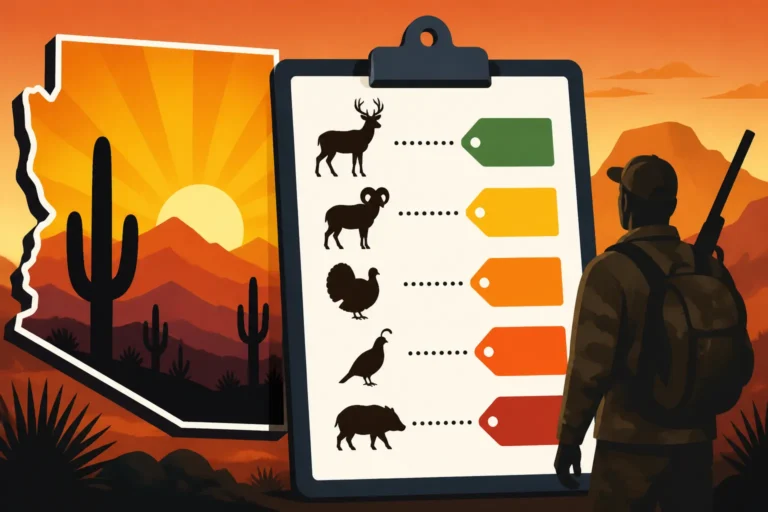
Arizona's ecological diversity translates directly into a rich array of small game species, each with its own preferred habitat and hunting style.
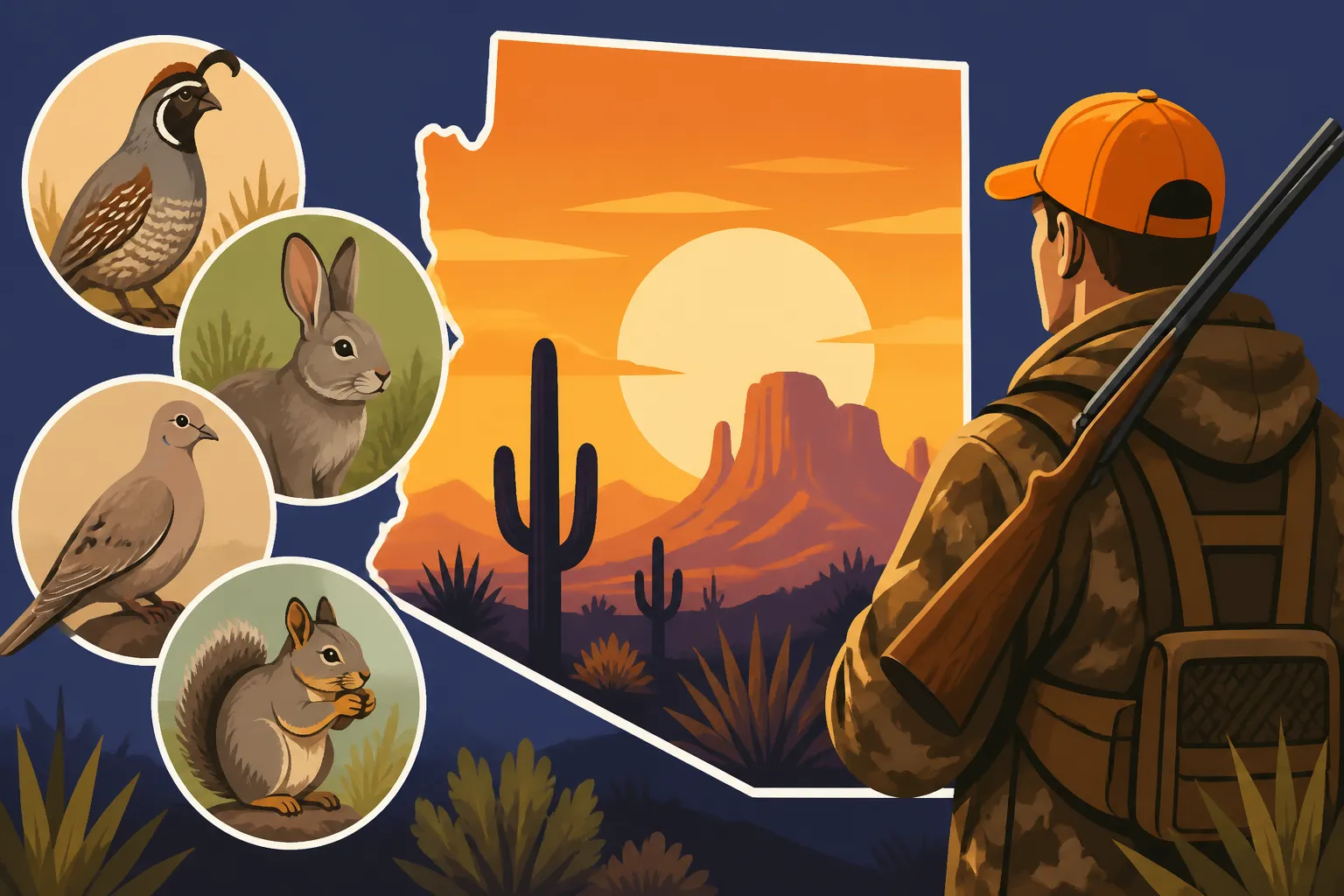
- Quail (Gambel's, Mearns, Scaled): These feathered rockets are arguably Arizona's most iconic small game. Gambel's quail are the classic desert birds, found in washes and canyons across the lower elevations, often in coveys of dozens. Mearns quail, also known as the "Montezuma quail," prefer the open oak grasslands of the southeastern sky islands, offering a unique dog-hunting experience as they hold incredibly tight. Scaled quail, or "cotton tops," inhabit the arid grasslands and mesquite flats, often found scurrying rather than flushing. Hunting quail usually involves a lot of walking, keen eyesight, and often the invaluable assistance of a good bird dog.
- Rabbits (Cottontail, Jackrabbit): Ubiquitous and often abundant, rabbits are the workhorses of Arizona small game. Cottontails are found everywhere from suburban fringes to high mountain meadows, offering excellent table fare. Jackrabbits, with their long legs and incredible speed, are more open desert dwellers, providing a challenging shot. Both offer year-round or very long seasons in many areas, making them an excellent choice for a spontaneous hunt. They are also incredibly accessible, often requiring minimal specialized gear, which makes them perfect for new hunters learning to read terrain and track animals.
- Squirrels (Tree Squirrels): Arizona's high country is home to several species of tree squirrels, primarily the Abert's squirrel (often called a tassel-eared squirrel) and various gray squirrels. Abert's squirrels are particularly striking with their dark bodies and tufted ears, living exclusively in ponderosa pine forests. Hunting squirrels usually involves a patient stalk with a .22 rifle or small shotgun, making it a quiet, contemplative hunt that can be a great way to scout future big game units.
- Dove (Mourning, White-winged): The opening day of dove season on September 1st is a social event across Arizona. Mourning doves are widespread throughout the state, while white-winged doves are more concentrated in the desert regions and agricultural areas. These fast-flying birds provide challenging wing-shooting opportunities, often over water sources or harvested fields, requiring quick reflexes and plenty of ammunition.
- Waterfowl: While often associated with colder climates, Arizona offers fantastic waterfowl hunting, particularly along the Colorado River corridor and in agricultural areas around places like Yuma and Maricopa. Ducks (mallards, teal, widgeon) and geese (Canada geese, specklebellies) migrate through or winter in the state. Waterfowl hunting is highly regulated, often requiring federal duck stamps and specific knowledge of flyways and local conditions, but it offers a unique and rewarding challenge. You can find detailed information on species-specific regulations and zones in the Arizona Game and Fish Department's yearly regulations.
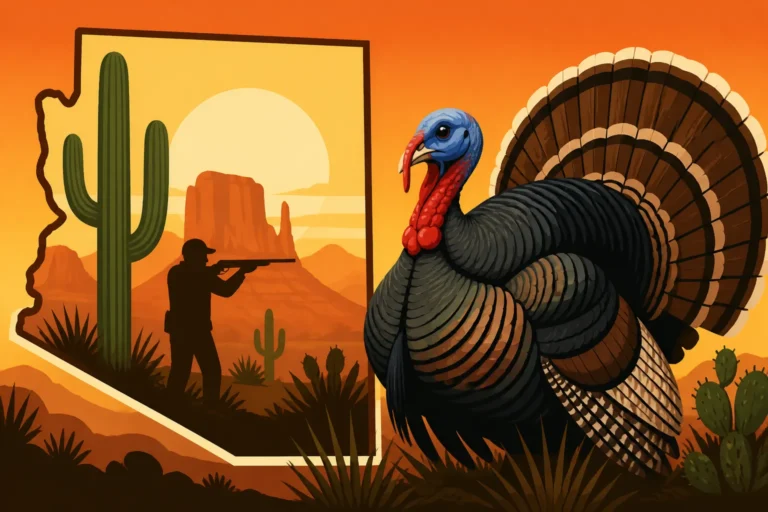
- Turkey (Merriam's, Gould's): Though often pursued with a big game mindset and requiring a draw for spring tags, fall turkey hunting can sometimes feel more like a small game pursuit, especially if you manage to find an over-the-counter (OTC) tag opportunity in certain units. Arizona is home to the majestic Merriam's turkey in its vast ponderosa pine forests and the rarer Gould's turkey in the southeastern mountains.
Navigating the Calendar: Arizona Small Game Seasons
Arizona’s small game seasons are spread throughout the year, offering hunters a chance to be afield in every season, from the scorching desert heat of early dove season to the crisp, cool air of late winter quail hunts. Understanding the general timing is crucial, but always remember to check the current year's Arizona Game and Fish Department (AZGFD) regulations for precise dates, bag limits, and unit-specific rules, as these can change annually.
Quail Season: A Desert Tradition
The sound of a flushing covey of Gambel's quail is synonymous with late fall and winter in Arizona. Generally, the statewide quail season opens in mid-October and runs through mid-February. This long season allows hunters ample opportunity to pursue all three species of quail across their varied habitats. The anticipation for the opener builds every year, with hunters eager to hit the desert washes and grasslands. Early in the season, temperatures can still be quite warm, especially in the lower desert, making hydration for both hunters and dogs absolutely critical. As the season progresses into December and January, the weather becomes more pleasant, offering ideal conditions for long walks.
Daily bag limits are usually generous, often around 15 birds per person per day, with a possession limit of 45. However, Mearns quail often have a more restrictive daily limit, sometimes as low as 8 birds. It’s vital to distinguish between species, especially if hunting in areas where Mearns and Gambel’s overlap. Many dedicated quail hunters rely on well-trained bird dogs, which not only increase success but also enhance the overall experience, turning a hunt into a true partnership. If you're looking to plan your season, a good resource like GoHunt can help you overlay season dates with potential units to identify prime hunting spots. For more specific details, you might want to look into Arizona Quail Season Opening Dates.
Dove Season: The Fast-Paced Opener
If you're looking for fast-paced action and a social hunting experience, Arizona's dove season is it. The early dove season kicks off statewide on September 1st each year, typically running for about 15 days. This is an incredibly popular opener, attracting thousands of hunters to fields, waterholes, and desert washes. The challenge lies in the sheer speed and erratic flight patterns of both mourning and white-winged doves, requiring quick reflexes and often a good supply of shotgun shells. Temperatures on September 1st are notoriously high, often exceeding 100 degrees Fahrenheit, so packing plenty of water and planning for shade is non-negotiable. Shooting hours usually extend from one-half hour before sunrise to sunset.
The daily bag limit is typically 15 doves in the aggregate (meaning a mix of species), with a possession limit of 45. However, there are often specific restrictions on how many white-winged doves can be included in that limit, so always double-check the current regulations. Later in the year, Arizona usually hosts a second dove season, typically from mid-November through early January. This season often sees fewer hunters and cooler temperatures, but the birds can be more scattered. Understanding the Arizona Dove Season Framework is key to making the most of these opportunities.
Rabbit and Squirrel: Year-Round and Accessible
For consistent hunting opportunities throughout the year, look no further than rabbits and squirrels. Cottontail and jackrabbit seasons are often open year-round or for extremely extended periods across most of Arizona. This makes them incredibly accessible, allowing hunters to head out with minimal planning. Cottontails are found in almost every habitat type, from dense cholla thickets to riparian areas. They make excellent table fare and are a fantastic way to introduce new hunters to stalking and shooting fundamentals. Jackrabbits, primarily found in the open desert and grasslands, offer a different challenge with their incredible speed and evasiveness, often requiring longer shots.
Tree squirrel season, on the other hand, is generally more seasonal, typically running from early October through late December or January, coinciding with the cooler weather in Arizona's high country. Species like the Abert's squirrel thrive in ponderosa pine forests, while gray squirrels might be found in oak or mixed conifer stands. Squirrel hunting is a more patient pursuit, often involving still-hunting or stalking with a .22 rifle or a small-gauge shotgun. It's a peaceful way to spend a day in the forest and provides a chance to observe other wildlife. For more specific dates and regulations, check the AZGFD guidelines for Cottontail and Jackrabbit Seasons and Tree Squirrel Hunting in Arizona. These hunts are wonderful for scouting potential big game areas, as observing squirrel behavior can sometimes indicate the presence of larger animals.
Waterfowl and Turkey: Specialized Seasons
Waterfowl hunting in Arizona, while perhaps not as widely known as its western counterparts, offers robust opportunities, particularly along the Colorado River and in the agricultural zones of central and southern Arizona. Waterfowl seasons are typically split into different zones and species-specific dates, generally running from October through January. Hunters will find a variety of ducks, including mallards, green-winged teal, widgeon, and gadwalls, along with various species of geese. Due to the migratory nature of waterfowl, regulations are set within federal frameworks, meaning season dates and bag limits can be quite specific and vary from year to year. A federal duck stamp is always required for waterfowl hunters over 16 years old, in addition to a valid state hunting license.
Bag limits for ducks are usually an aggregate of 7 birds, but with species-specific restrictions (e.g., only so many mallard hens, pintails, or canvasbacks). Geese have their own limits, often ranging from 2-4 depending on the species. Understanding these nuances is critical for legal hunting, and a tool like GoHunt can help clarify these often complex regulations. You can find detailed information on species-specific limits by consulting the AZGFD regulations, including Arizona Duck Bag Limits by Species.
Turkey seasons in Arizona are divided into spring and fall hunts. The spring season is typically by limited-opportunity draw only, running from late April to late May. These hunts are highly sought after, focusing on gobblers. Fall turkey season can be either by draw or, in some units, available as an over-the-counter (OTC) tag, generally running from early October through mid-December. Fall turkey hunts are often more focused on harvesting any turkey, not just a tom, and tactics can range from calling to stalking. For those interested in spring turkey, be sure to check the specific application deadlines for the draw and unit-specific season dates, which you can often find under Arizona Turkey Season Dates in Spring.
Practical Considerations for Arizona Small Game Hunters
Embarking on a small game hunt in Arizona requires more than just knowing when the seasons are open. You need to understand the regulatory landscape, prepare your gear, develop effective strategies, and always prioritize ethical hunting practices. Arizona’s unique environment also demands specific considerations, from licensing to navigating vast public lands.
Licensing and Regulations: What You Need to Know
The most fundamental requirement for hunting small game in Arizona is a valid Arizona hunting license. Unlike many big game species that require drawing a specific tag, most small game (like quail, rabbits, and squirrels) only require this general license. This makes small game incredibly accessible for both residents and non-residents alike. However, there are exceptions. Turkey, for instance, often requires a specific tag, and spring turkey hunts are typically part of a draw system. Waterfowl hunting also has additional requirements, such as a federal duck stamp for hunters 16 years and older, and potentially a state waterfowl stamp. For species like Sandhill Crane, a limited-entry permit is required.
It cannot be stressed enough: always consult the current year's Arizona Game and Fish Department (AZGFD) Hunting Regulations Booklet. This document is your bible for all things hunting in Arizona. It details season dates, bag limits, shooting hours, weapon restrictions, and any unit-specific rules that might apply. Platforms like GoHunt also provide excellent tools for quickly accessing and interpreting these regulations, often with mapping overlays that help you understand what's legal where. If you’re introducing a younger hunter to the sport, remember that The Arizona Hunter Education Age Requirement dictates who needs to take the course and when. Taking the time to thoroughly read and understand Reading the Arizona Hunt Regulations Booklet before you head afield will save you from potential citations and ensure a legal, ethical hunt.
Gear, Tactics, and Ethics
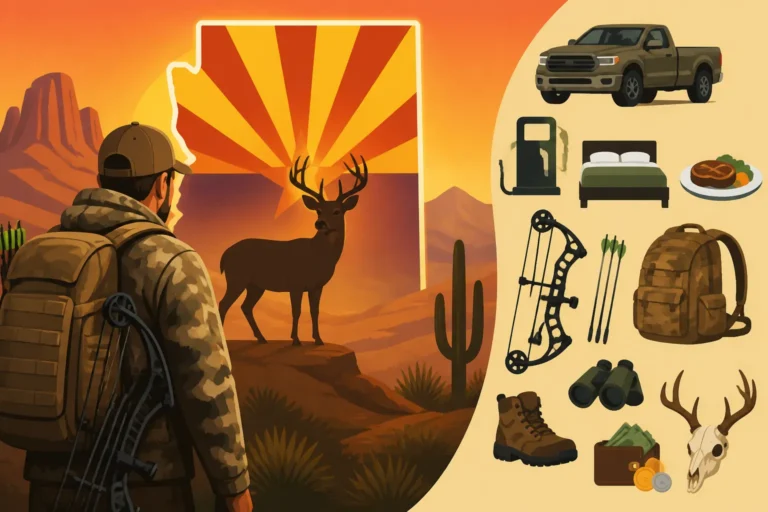
Choosing the right gear for small game hunting in Arizona largely depends on your target species and preferred method. For upland birds like quail and doves, a shotgun (12, 20, or 28 gauge) is standard, often paired with open chokes for fast-flying targets. For rabbits and squirrels, a .22 caliber rifle or a small-gauge shotgun is common. Always use appropriate ammunition for your target species and ensure your firearm is sighted in and you are proficient with it. Optics, while not always critical, can be helpful for scouting and identifying distant game. A good pair of binoculars can significantly increase your success.
Tactics vary widely. For quail, walking vast amounts of ground and flushing coveys is common, often with the aid of a pointing or flushing dog. Dove hunting typically involves finding flight paths between roosts, water sources, and feeding areas, then setting up to intercept them. Rabbit hunting can be a still-hunting affair through dense cover or a more active pursuit. Squirrel hunting demands patience and quiet movement through timber.
Regardless of the species or method, ethical hunting is paramount. This includes respecting bag and possession limits, ensuring clean, humane kills, and proper game recovery. Always be aware of your surroundings, especially when hunting close to populated areas or private land. Understanding Legal Shooting Hours and Blaze Orange in Arizona is also vital, as is knowing the rules around Baiting Rules That Apply in Arizona. Arizona's desert environment also means being acutely aware of hydration, heat management, and being prepared for potentially dangerous wildlife like rattlesnakes.
Finding the Right Spot
Arizona boasts millions of acres of public land managed by the Bureau of Land Management (BLM) and the U.S. Forest Service, all of which are generally open to hunting without additional permits beyond your state license. This vast expanse offers incredible opportunities for small game hunters, but knowing where to start can be daunting.
Identifying promising areas involves understanding the habitat needs of your target species. For instance, Gambel's quail will be found in thorny desert washes with good cover, while Abert's squirrels are exclusive to ponderosa pine forests. Leveraging mapping tools like those offered by GoHunt or onX Hunt is invaluable. These platforms allow you to overlay public land boundaries, topography, and even satellite imagery to pinpoint potential hot spots, find water sources, and identify access roads. You can learn more about general access rules for BLM and Forest Ground Across Arizona Needs No Permit. Understanding Using onX Layers for Arizona Public Land can transform your scouting and hunting efficiency, letting you see exactly what kind of terrain and cover awaits you. Always pay attention to unit boundaries, as regulations can sometimes differ between units, even for small game.
Arizona Small Game Seasons: At a Glance
To help you quickly visualize the primary small game seasons, here's a useful table summarizing the general dates for some of Arizona's most popular small game species. Remember, these are general guidelines, and it's always critical to consult the official AZGFD regulations for the precise dates of the current hunting year.
| Species | General Season Start | General Season End | Typical Daily Bag Limit | Notes |
|---|---|---|---|---|
| Gambel's/Scaled Quail | Mid-October | Mid-February | 15 | Often aggregated. Long season. |
| Mearns Quail | Mid-October | Mid-February | 8 | More restrictive limit. |
| Mourning/White-winged Dove (Early) | September 1 | Mid-September | 15 | Aggregate limit, often White-winged specific. |
| Mourning/White-winged Dove (Late) | Mid-November | Early January | 15 | Cooler weather, less pressure. |
| Cottontail Rabbit | Year-round | Year-round | 10 | Statewide, highly accessible. |
| Jackrabbit | Year-round | Year-round | No Limit | Statewide, challenging. |
| Tree Squirrel | Early October | Late January | 5 | High elevation pines. |
| Waterfowl (Ducks) | October-January | October-January | 7 (aggregate) | Zone-specific, species-specific. Federal stamp req. |
| Waterfowl (Geese) | October-January | October-January | 2-4 (species-specific) | Zone-specific, species-specific. Federal stamp req. |
| Turkey (Fall) | Early October | Mid-December | 1 | Draw or OTC depending on unit. |
Note: "No Limit" means there is no state-imposed bag limit, but ethical hunting always applies. Always verify current regulations.
Disclaimer
The information provided in this guide is for general informational purposes only and is not intended as legal advice. Hunting regulations in Arizona are subject to change by the Arizona Game and Fish Department (AZGFD). It is the sole responsibility of every hunter to review and comply with the most current official AZGFD hunting regulations and all applicable local, state, and federal laws before engaging in any hunting activities.