Arizona Waterfowl Season Dates
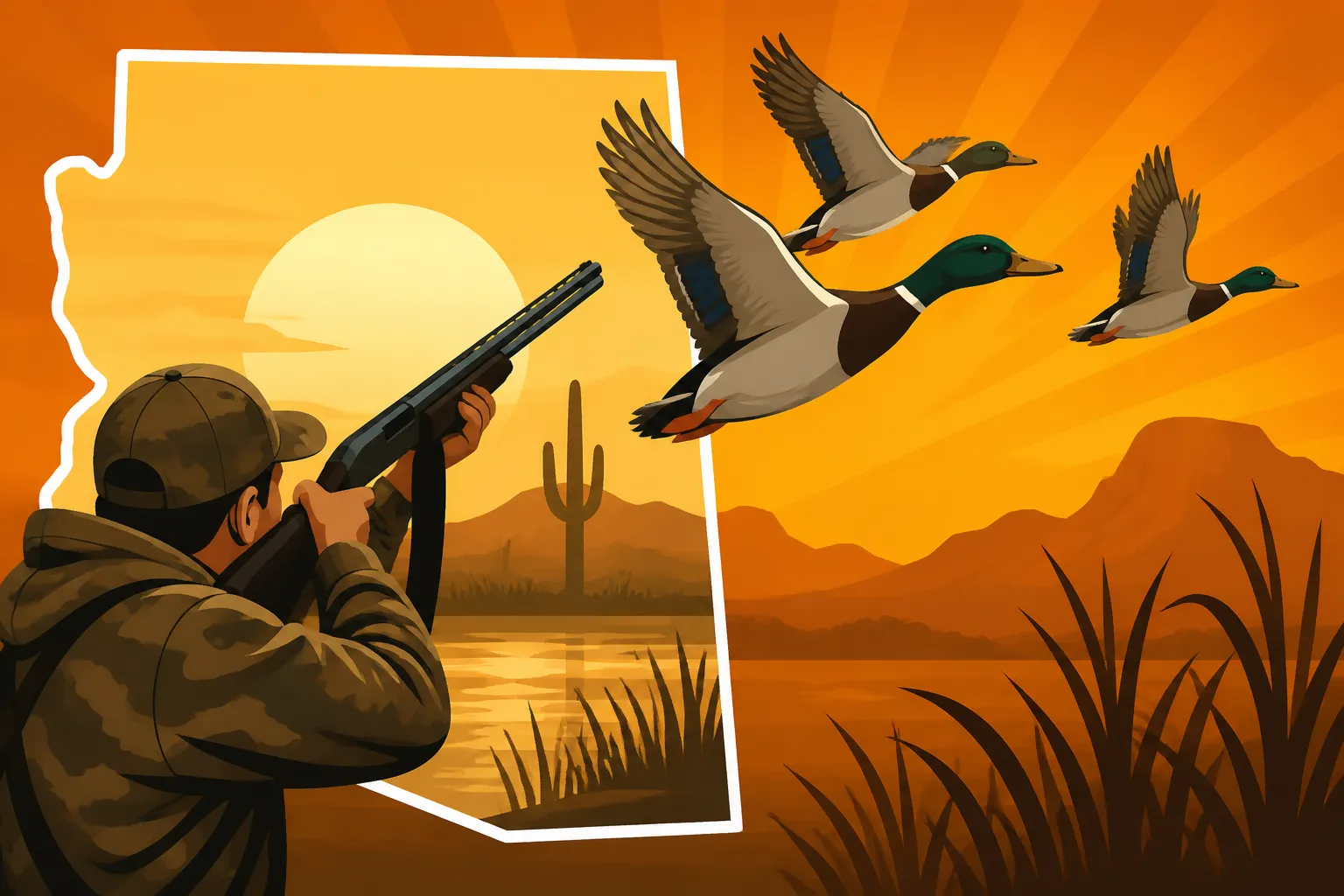
Trying to figure out the exact Arizona waterfowl season dates can feel like deciphering a secret code, especially with different zones, split seasons, and special regulations for certain species. It’s frustrating when you’re just trying to plan your hunts, purchase the right stamps, and make sure you’re legal on the water. This guide is here to untangle all that confusion, giving you a clear, up-to-date breakdown of Arizona's waterfowl seasons, zones, and essential requirements so you can focus on calling in birds, not chasing down regulations.
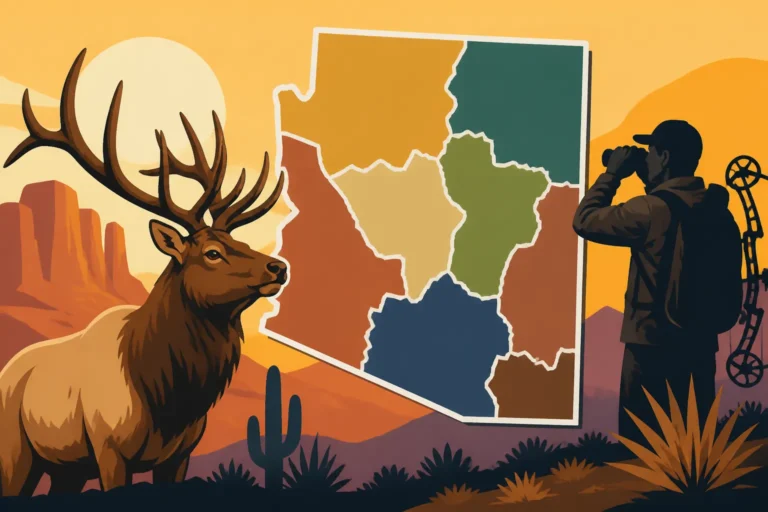
Deciphering Arizona's Waterfowl Hunting Zones and Why They Matter
Arizona, while often thought of as a desert state, actually offers surprisingly robust waterfowl hunting opportunities, primarily due to its vast network of ponds, rivers, and even high-country lakes. However, the state is broken down into specific waterfowl zones, and understanding which zone you'll be hunting in is absolutely critical because the season dates, and sometimes even the bag limits, can vary dramatically. Ignoring these zone distinctions isn't just a minor oversight; it can lead to unintentional violations and a ruined hunt.
The Colorado River Zone: A Lifeline for Migratory Birds
The Colorado River Zone is exactly what it sounds like: it encompasses the waters of the Colorado River itself and the immediately adjacent areas. This includes impoundments like Lake Havasu, Lake Mohave, and Martinez Lake, as well as the countless backwaters, sloughs, and agricultural fields that line the river's course. This zone is a crucial migration corridor and wintering ground for a huge variety of waterfowl, from mallards and pintails to various species of divers. Many hunters specifically target this zone due to its consistent water supply and the sheer volume of birds that pass through or set up residence here.
The unique ecosystem of the Colorado River, fed by snowmelt from the distant Rockies, provides a stark contrast to the surrounding arid landscape, creating an oasis for migratory birds. Hunters in this zone often find themselves dealing with strong currents, dense riparian vegetation, and shared space with recreational boaters, making for a challenging but rewarding experience. Understanding the nuances of hunting the Lower Colorado River Corridor can significantly enhance your success, as the birds here can become quite wary.
The Vast Desert Zone: Ponds, Tanks, and Unexpected Opportunities
Step away from the Colorado River, and you're likely in Arizona's expansive Desert Zone. This zone covers the majority of the state's landmass, including the Sonoran Desert, grasslands, and even some lower mountain ranges. You might not immediately associate "desert" with "waterfowl," but this zone holds hidden gems: stock tanks, small impoundments, agricultural ponds, and ephemeral wetlands that light up after monsoon rains. These often-overlooked water sources can attract surprising numbers of ducks, especially teal, spoonbills, and gadwall, along with some resident Canada geese.
Hunting the Desert Zone requires a different mindset. It's often about scouting out small, isolated water holes, being willing to walk a bit, and adapting to rapidly changing conditions. A good rain can create temporary puddles that draw birds like magnets, while extended dry spells can make finding open water a challenge. Many of these areas are on public lands administered by the Bureau of Land Management or State Trust Land, requiring you to understand specific access rules, and perhaps using tools like GoHunt to identify potential spots and land ownership.
The High Mountain Zone: Elevations and Early Freeze-Up
Arizona’s High Mountain Zone includes the higher elevations of the state, such as the Mogollon Rim, the White Mountains, and the Kaibab Plateau. Here, you'll find pine forests, aspens, and cold, clear mountain lakes and streams. While not as high-volume as the Colorado River, this zone can offer fantastic hunting for puddle ducks, particularly during the early part of the season before the hard freezes set in. Mallards, wigeon, and even some canvasbacks might be found on these high-altitude waters.
The challenge in the Mountain Zone is timing. The season here often starts and ends a bit earlier than in the desert or river zones, primarily due to the rapid onset of winter weather. Lakes and ponds at these elevations can freeze solid quickly, pushing birds south and downstream. Scouting for open water and understanding how weather fronts will impact freeze-up is paramount for success. You might find yourself hunting in crisp, cold conditions, a stark contrast to the warmth of the desert just a few hours away.
Comprehensive Dates for Ducks, Geese, Coots, and Mergansers
Arizona's waterfowl seasons are carefully structured to align with migratory patterns and ensure sustainable harvest. It's important to remember that these dates are subject to change annually based on federal frameworks and state biological assessments, so always consult the latest Arizona Game and Fish Department (AZGFD) regulations before heading afield. I'll provide a general framework and specific examples, but consider this a living document.
General Season Structures: Split Seasons and Bag Limits
Most of Arizona's waterfowl seasons utilize a "split season" structure. This means there's an early segment, followed by a closure period, and then a later, often longer, segment. The early segment typically takes advantage of local birds and early migrants, while the later segment coincides with the main migratory push from the north. This split allows for some recovery time for birds and can sometimes provide better hunting conditions as more birds arrive.
Bag limits are also a critical component. These limits vary by species and are often presented as a "daily bag limit" (how many you can shoot in a day) and a "possession limit" (how many you can have in your possession, including birds at home). For example, Arizona Duck Bag Limits by Species will detail specific restrictions on mallards, pintails, canvasbacks, and other popular ducks. You'll need to be proficient at identifying ducks in flight to avoid exceeding species-specific limits.
Specific Season Dates by Zone (2023-2024 Example)
- Mountain Zone (Units 1, 2, 3, 4, 5, 6A, 6B, 7, 8, 9, 10, 11, 12A, 12B, 13A, 13B, 14, 15, 16A, 16B, 17A, 17B, 18A, 18B, 19A, 19B, 20A, 20C, 21, 22, 23, 27, 30A, 30B, 31, 32, 33, 34A, 34B, 35A, 35B, 36A, 36B, 36C, 37A, 37B, 37C, 39, 40A, 40B, 41, 42, 43A, 43B, 44A, 44B, 45, 46A, 46B)
- Ducks, Coots, Mergansers:
- First Segment: October 6 – October 22, 2023
- Second Segment: November 24, 2023 – January 21, 2024
- Ducks, Coots, Mergansers:
- Desert Zone (Units 24A, 24B, 25M, 26M, 28, 29, 38M, 39M, 40M, 41M, 42M, 43M, 44M, 45M)
- Ducks, Coots, Mergansers:
- First Segment: October 13 – October 29, 2023
- Second Segment: November 3, 2023 – January 31, 2024
- Ducks, Coots, Mergansers:
- Colorado River Zone (Units 15, 16A, 16B, 18B, 19A, 19B, 20A, 20C, 43A, 43B, 44A, 44B, 45, 46A, 46B)
- Ducks, Coots, Mergansers:
- First Segment: October 20 – October 29, 2023
- Second Segment: November 10, 2023 – January 31, 2024
- Ducks, Coots, Mergansers:
Table 1: Arizona General Waterfowl Season Dates (Ducks, Coots, Mergansers) – 2023-2024 Example
| Zone | First Segment Start | First Segment End | Second Segment Start | Second Segment End |
|---|---|---|---|---|
| Mountain | October 6, 2023 | October 22, 2023 | November 24, 2023 | January 21, 2024 |
| Desert | October 13, 2023 | October 29, 2023 | November 3, 2023 | January 31, 2024 |
| Colorado River | October 20, 2023 | October 29, 2023 | November 10, 2023 | January 31, 2024 |
Note: These dates are examples from a past season. Always check the current Arizona Game and Fish Department regulations for the most accurate and up-to-date information for the current hunting year.
Shooting Hours and Legal Means of Take
Just like big game hunting, waterfowl hunting has specific legal shooting hours. Generally, these are from one-half hour before sunrise to sunset. However, it’s always wise to confirm the exact times in the regulations for the specific dates you plan to hunt, as they can shift slightly. You can often find a chart in the regulations that lists sunrise and sunset times by date.
As for legal means of take, waterfowl hunting is restricted to shotguns, no larger than 10-gauge, and they must be plugged to hold no more than three shells (one in the chamber, two in the magazine). Crucially, lead shot is illegal for all migratory bird hunting in Arizona. You must use federally approved non-toxic shot (steel, bismuth, tungsten, etc.). This is a federal regulation, and violations carry serious penalties. Remember, even if you’re hunting small game like quail and a duck flies by, you cannot shoot it with lead shot.
Understanding Special Waterfowl Hunts and Permits
Beyond the general duck and goose seasons, Arizona offers a few special opportunities for specific species or situations. These often come with their own unique sets of rules, dates, and sometimes even permit requirements, so it's essential not to confuse them with the regular seasons. Missing these details can mean missing out on a fantastic hunt or inadvertently breaking the law.
Extended Scaup Seasons: Targeting a Specific Diver
Scaup, a genus of diving ducks including greater and lesser scaup, often have a more generous season length than other ducks. This is due to their generally healthy populations and unique migratory patterns. While they're often included in the general duck bag limit, there can be specific periods, or even entirely separate seasons, where you can target scaup with an extended bag limit or later closing date.
For instance, in some years, the scaup season might run concurrently with the regular duck season but extend for an additional week or two past the general closing date, or have a higher species-specific bag limit within the overall duck limit. These extended opportunities are usually found in the Desert and Colorado River zones where these diving ducks are more prevalent. If you're keen on hunting divers, pay close attention to the scaup regulations within the larger waterfowl booklet.
Sandhill Crane Permit Hunts: A Unique Arizona Opportunity
One of Arizona's most distinctive waterfowl hunting opportunities is for sandhill cranes. These majestic birds offer a truly unique hunting experience, but they are managed very differently from ducks and geese. Sandhill crane hunts are strictly permit-only, allocated through a draw system similar to deer or elk. This means you can't just buy a tag over the counter; you must apply during a specific application period and be drawn for a permit.
The application period for Sandhill Crane permits typically falls in late summer or early fall, often with hunt dates in December and January. These hunts are usually concentrated in specific units in southeastern Arizona, such as around the Sulphur Springs Valley, where cranes congregate in large numbers on agricultural fields. Successfully drawing a Sandhill Crane permit in Arizona is a coveted opportunity, and hunters often have excellent success rates on these specialized hunts. Learning about Sandhill Crane Permits in Arizona is crucial if you want to pursue this unique game bird. You'll also want to keep an eye on when Arizona Posts Draw Results to see if you were successful.
Canada Goose Considerations: Local Populations and Bag Limits
While Canada geese are part of the general waterfowl season, there are often specific considerations for them, especially in certain areas. Arizona has both migratory Canada geese that pass through and local, resident populations that don't travel far. The hunting pressure on these local populations can sometimes lead to specific bag limits or localized closures to help manage their numbers.
Generally, the Canada goose season aligns with the general duck seasons in each zone. However, specific units or areas might have special regulations or even extended "light goose" (snow and Ross's goose) seasons if their populations warrant it. It's rare in Arizona to have the massive light goose migrations seen in other parts of the country, but localized opportunities can arise. Always check the regulations for any specific unit you plan to hunt to see if there are unique goose rules.
Essential Licenses, Stamps, and Application Timelines
Getting ready for your Arizona waterfowl hunt isn't just about knowing the dates and zones; it’s also about having all your legal paperwork in order. Skipping a license or a stamp can quickly turn a successful hunt into a costly headache. The state and federal governments both have requirements, and it’s on you to ensure everything is current and valid.
State Licenses and Federal Requirements
First and foremost, you'll need a valid Arizona hunting license. This is your base permit to hunt any game in the state, including waterfowl. The price varies for residents and non-residents. You can learn more about The Nonresident Arizona Hunting License Price or The Resident Arizona Hunting License Price if you're planning your trip. Remember that the Arizona License Year Start and End Dates typically run from January 1 to December 31, so ensure your license is valid for the entire season you plan to hunt, especially if it spans calendar years.
Beyond the state license, migratory bird hunters in the U.S. have additional federal requirements:
- Federal Duck Stamp: This is a physical stamp you purchase (or an e-stamp with a physical stamp mailed later) that is required for anyone 16 years of age or older to hunt migratory waterfowl. The revenue from these stamps goes directly to conserving wetland habitats, so it's a purchase that benefits the birds you pursue.
- Arizona Migratory Bird Stamp: Similar to the federal stamp, Arizona has its own state migratory bird stamp. This is also required for all migratory bird hunters aged 16 and older. It contributes to conservation efforts within Arizona.
- Harvest Information Program (HIP) Registration: Before hunting any migratory birds (ducks, geese, doves, coots, snipe), all hunters, regardless of age, must register with the federal Harvest Information Program (HIP). This is a free, quick registration that gathers basic information about your past hunting success. You'll receive a confirmation number that must be carried with you while hunting migratory birds. This data is vital for wildlife managers to track harvest numbers and set future seasons.
Make sure you have all three of these—state license, federal duck stamp, state migratory bird stamp, and HIP registration—before you even consider stepping into the marsh.
Key Dates for Permit Applications
As mentioned earlier, the most significant permit application deadline for waterfowl hunters in Arizona is for Sandhill Cranes. These are unique and highly sought-after permits, and missing the application window means you'll have to wait until next year.
The Arizona Game and Fish Department typically opens its Sandhill Crane permit application period in late July or August, with deadlines usually in late August or early September. It's crucial to check the AZGFD website or the annual hunting regulations booklet for the exact dates each year. Mark these dates on your calendar, set reminders, and apply early to avoid any last-minute technical glitches. There are no extensions for these deadlines, and late applications are simply not accepted.
While the primary draw is for Sandhill Cranes, it's always wise to review the regulations booklet for any other potential permit-based waterfowl hunts or special youth opportunities that might arise. Sometimes, specific conservation hunts or population management hunts could have their own application processes.
Resources for Staying Up-to-Date
The best way to ensure you have the most current information is to regularly check the Arizona Game and Fish Department's official website. They publish the annual regulations booklet, often available as a downloadable PDF, which contains all the definitive season dates, bag limits, and legal requirements.
Beyond the official regulations, resources like GoHunt can be invaluable. While often known for its big game draw odds and mapping tools, the detailed state profiles and unit information it provides can help you understand the broader hunting landscape in Arizona. This includes helping you scout potential waterfowl habitat, identify public land access points, and generally stay informed about important regulatory changes. Forums and online communities dedicated to Arizona hunting can also be good places to hear about current conditions or clarify questions, but always cross-reference any information with official AZGFD sources.
Disclaimer
Please remember that hunting regulations, season dates, and license requirements can change. The information provided here is intended as a general guide and is based on past seasons and common regulatory practices. It is absolutely essential to consult the official Arizona Game and Fish Department (AZGFD) website or their most current annual hunting regulations booklet before planning or undertaking any hunting activity to ensure you have the most accurate and up-to-date information. Your compliance with all state and federal laws is your responsibility.