When the Arizona Dove Opener Falls
Few things get an Arizona hunter's blood pumping quite like the thought of that first cool morning, the buzz of wings overhead, and the smell of gunpowder on the desert air. But if you’re new to hunting dove in our incredible state, or just trying to stay on top of the ever-shifting calendar, figuring out exactly when the Arizona dove opener falls can feel like trying to nail down a mirage in the midday sun. It's frustrating to plan vacation time, scout locations, and get your gear ready, only to realize you've misread the dates or missed a crucial detail. This guide is here to clear up that confusion, giving you the real scoop on Arizona's dove season and how to ensure you're in the right place at the right time.
Understanding Arizona's Dove Season Structure
Arizona is a fantastic place for dove hunting, largely because we have two distinct seasons that offer a lot of opportunity. It's not just a single, short window like some other states; instead, it's a carefully structured approach to manage our bird populations while maximizing hunter access. This two-part system means more chances to get out there, but it also means you need to pay close attention to which season you're planning for.
The Early Season Rush: When Most Hunters Go
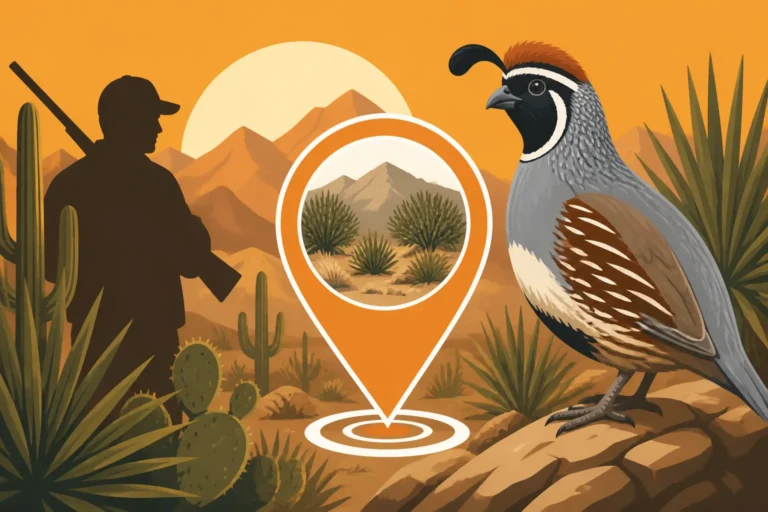
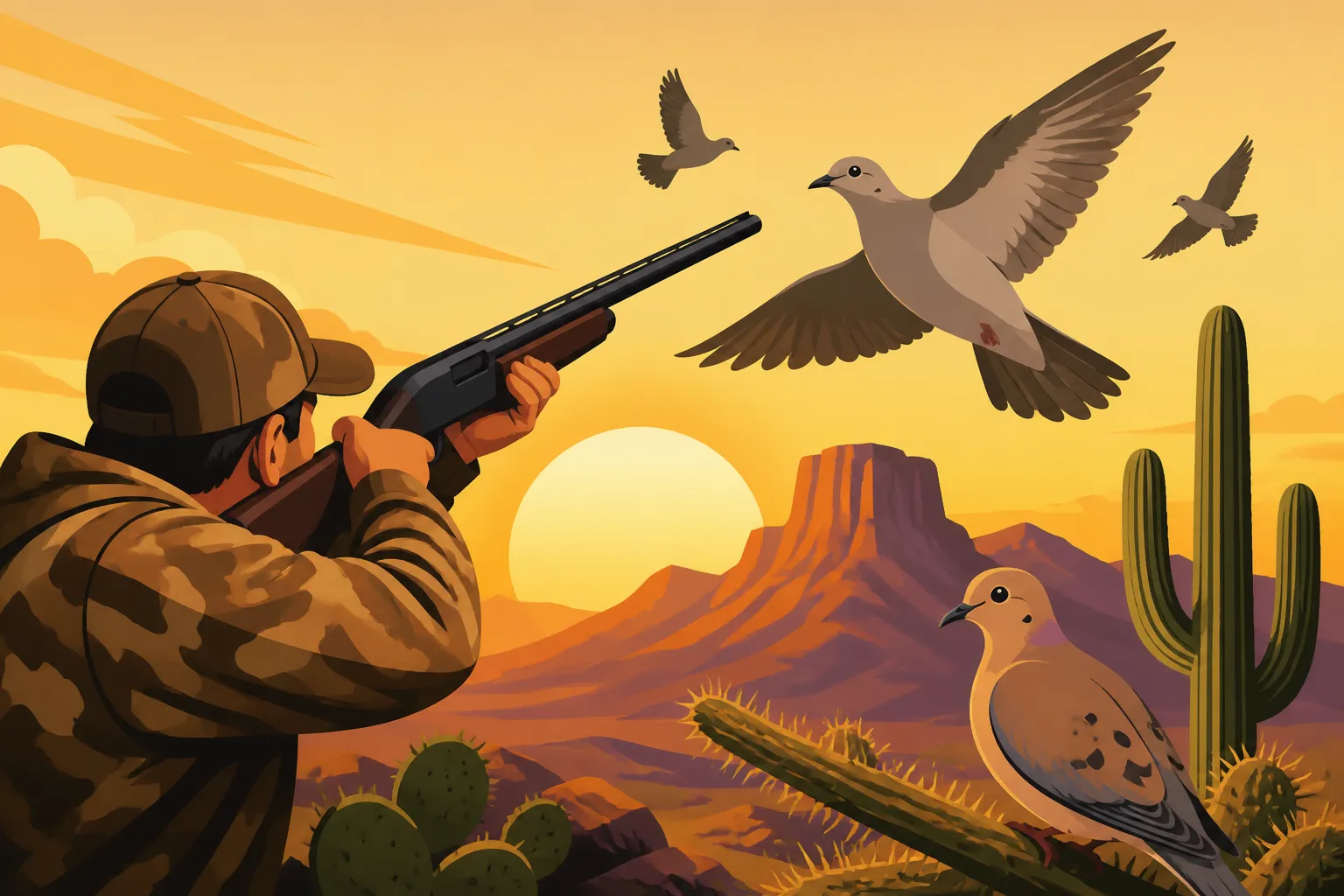
The early dove season is, for many, the true Arizona Dove Opener. This is typically when the vast majority of hunters flock to the fields, washes, and waterholes. It usually kicks off on September 1st and runs for about two weeks. Think of it as the grand curtain-raiser for Arizona's fall hunting seasons. The weather is still hot – often brutally so in the desert lowlands – but the birds are typically plentiful, especially the white-winged doves and mourning doves that have nested and raised their broods throughout the summer.
This initial burst of hunting opportunity is incredibly popular. You'll find fields packed with hunters, especially on opening day and the first weekend. It's a social affair for many, a chance to gather with friends and family, kick off the hunting year, and enjoy some fast-paced wing-shooting. The birds are often still in large flocks, moving between feeding grounds and water sources, which can make for some incredible action. However, this popularity also means pressure. Birds get educated quickly, and those easy shots from opening morning might become much trickier by the second or third day. It's all part of the challenge and fun of the early season. Many hunters rely on resources like GoHunt to scout public land access points well in advance, looking for areas that might offer a bit more elbow room. Remember, while the opening date is pretty consistent, it's always critical to confirm the exact dates in the official regulations each year.
The Late Season Opportunity: A Quieter Hunt
After the early season wraps up, there's often a bit of a lull. But don't put your shotgun away! Arizona offers a second, often overlooked, late dove season. This season typically begins in mid-November and runs through early January. This is a completely different ballgame from the early season. The weather has usually cooled down considerably, especially in the high desert and mountains. The crowds are significantly thinner, making for a much more solitary and peaceful hunting experience.
The birds you'll encounter during the late season are primarily mourning doves. The white-winged doves, which are more sensitive to cold, have largely migrated south by this time. The mourning doves, however, are often in larger, more concentrated flocks as they prepare for winter or migrate through. They're also often much warier, having been pressured during the early season or migrating from areas where they've seen hunting pressure. This makes for a more challenging hunt, often requiring more stealth, better camouflage, and precise shooting. Hunting during the late season might involve walking up washes, jump-shooting birds near cover, or carefully setting up along flight paths. It's a fantastic chance to extend your hunting year and enjoy Arizona's beautiful fall and early winter landscapes without the early season frenzy. It's also a great time to explore new areas and practice your calling, as the birds might be more responsive in quieter environments.
Key Dove Species and Their Specific Seasons
Arizona is home to a few different species of dove, but when we talk about "dove season," we're primarily referring to Mourning and White-winged doves. Understanding the habits and seasons for each is crucial, as their presence and behavior can dictate where and when you decide to hunt. While they often overlap, knowing their preferences can make a big difference in your success. For more on distinguishing between them, check out Mourning Against White-Winged Dove.
Mourning Dove: The Widespread Favorite
Mourning doves are the most common and widely distributed dove species in Arizona, and indeed, across North America. Their distinctive mournful coo is a familiar sound, and they can be found in almost every habitat type, from urban backyards to vast desert expanses and agricultural fields. They are prolific breeders, often having multiple clutches throughout the spring and summer. This high reproductive rate helps sustain their populations despite significant hunting pressure.
During the early season, mourning doves are abundant. You'll find them feeding on seeds in agricultural areas, resting in trees along desert washes, and watering at stock tanks and rivers. They are fast, acrobatic flyers, offering challenging shots. As the season progresses into the late hunt, many of the local birds will have migrated, but Arizona also becomes a stopover or wintering ground for mourning doves migrating from further north. These migratory birds can arrive in large numbers, often seeking out dependable food sources and roosting cover. Hunting strategies for mourning doves often involve setting up near water sources in the early morning or late afternoon, ambushing birds along flight paths, or walking up and jump-shooting birds in grain fields or dense cover. Their adaptability means they can be found in a huge variety of units across the state, making them a very accessible game bird.
White-Winged Dove: A Desert Icon
White-winged doves are another popular game bird in Arizona, particularly associated with the Sonoran Desert. They are easily recognizable by the bright white bar on their wings, which is especially noticeable in flight. Unlike mourning doves, white-wings are more heat-tolerant and have a stronger preference for desert riparian areas, mesquite bosques, and agricultural fields, particularly those with grain crops like milo or wheat. They are also known for their distinctive "who-cooks-for-you" call.
The early season is truly the prime time for white-winged doves in Arizona. These birds are present in large numbers, having nested in the desert and often congregating in agricultural areas to feed. Their flight is often strong and direct, making for exciting pass shooting. However, white-winged doves are more sensitive to cooler temperatures than mourning doves. As soon as the nights start getting consistently chilly, usually in late September or early October, most white-winged doves will begin their migration south to Mexico. This means that by the time the late dove season opens in November, you'll be hard-pressed to find a white-wing. If you're specifically targeting these iconic desert birds, the early season is your window of opportunity. Locating prime white-wing areas often involves scouting agricultural fields, especially those near water sources and dense mesquite stands, where they will roost.
Finding the Official Dates and Planning Your Hunt
While I can give you the typical timeframes, the actual, official Arizona dove opener and season dates are set annually by the Arizona Game and Fish Department (AZGFD). Relying on old regulations or forum posts is a recipe for disappointment. The rules can shift slightly year to year, and it's your responsibility as a hunter to have the most current information.
Where to Find the Most Current Regulations
The absolute best and only reliable source for current hunting regulations, including all dove season dates, bag limits, and legal shooting hours, is the official Arizona Game and Fish Department hunting regulations booklet. This document is published annually and is available both online and in print at license dealers across the state. Trust me, printing a copy or downloading the PDF to your phone is essential. Don't just skim it for dates; read the entire small game and dove section thoroughly. It will cover everything from Arizona Dove Bag Limits by Species to specific prohibitions and requirements.
When it comes to technology, many hunters find online mapping and scouting tools incredibly valuable. While GoHunt primarily focuses on big game draw odds, their mapping platform and community forums can sometimes offer insights into general small game season expectations and unit access. However, for the official rules, always go directly to AZGFD. They will also post news releases and updates on their website, so it's a good habit to check periodically leading up to the season. Setting up an Setting Up an Arizona Portal Account with AZGFD will allow you to receive email notifications when new regulations are released. This proactive approach ensures you're never caught off guard by a change.
Factors Influencing Dove Season Success
Knowing the dates is just the first step; successful dove hunting involves much more. The abundance and behavior of doves, particularly during the early season opener, are heavily influenced by environmental factors. Rainfall, temperature, and agricultural practices play huge roles. A wet monsoon season can mean more natural forage and water spread across the landscape, potentially dispersing birds more widely. Conversely, a dry year might concentrate birds around fewer, more reliable water sources and irrigated fields.
Temperature is another major factor, especially for the early September opener. It's often scorching hot in Arizona during that time. This heat directly impacts both the birds' activity patterns and your comfort as a hunter. Doves will typically feed in the early morning and late afternoon, seeking shade and water during the hottest parts of the day. As a hunter, you need to prioritize Heat Management on an Arizona Early Season Hunt and carry plenty of Water You Must Carry on a Day Hunt. Birds that are hot and thirsty will move to water frequently.
Agricultural patterns are also crucial. Doves heavily utilize fields of cut grains like milo, wheat, or barley. Scouting before the season to identify these active feeding areas is key. Remember, while most dove hunting occurs on public lands or with permission on private lands, some agricultural areas might be leased or otherwise restricted. Always be aware of land ownership, which can be seen on mapping apps like those available through GoHunt, to ensure you're hunting legally. For broader preparation, consider Preparing Physically for a Desert Hunt, as even small game hunts can involve significant walking in challenging terrain. And don't forget to review Arizona Small Game Seasons at a Glance to see how dove season fits into the larger hunting calendar.
Disclaimer
This article is for general informational purposes only and does not constitute professional advice. Laws, prices and regulations vary by location and change over time. Consult a qualified professional for guidance on your specific situation.