Where to Find Gambel’s Quail
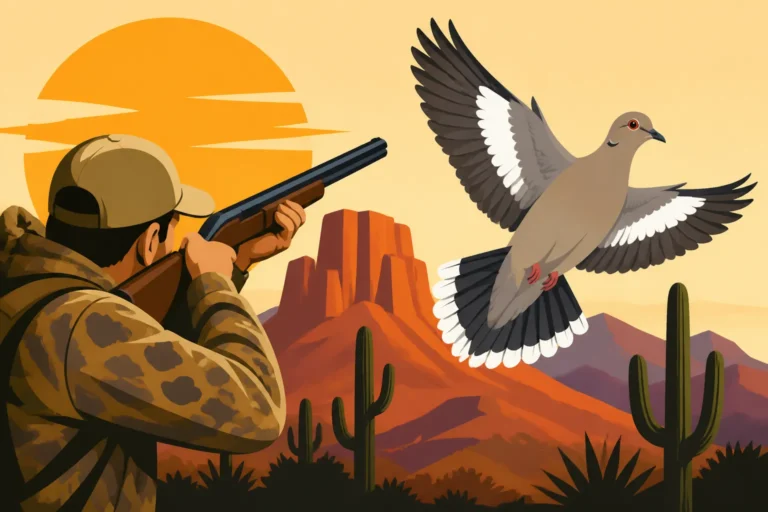
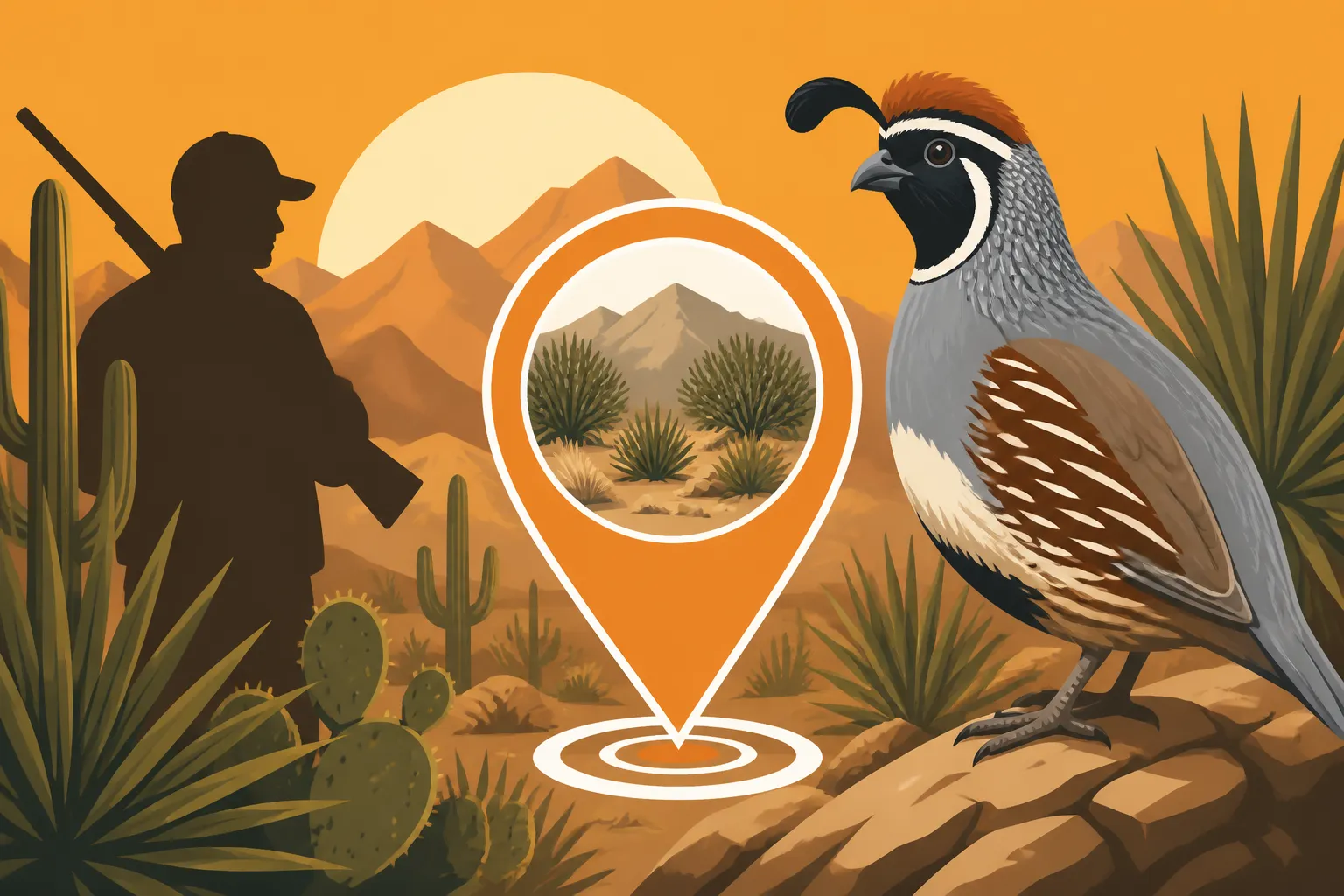
If you've ever dreamt of chasing quail in Arizona, you've likely imagined those iconic Gambel's quail, zipping across the desert floor with their jaunty topknots. But for many hunters, especially those new to the Southwest, finding these elusive birds can be a real head-scratcher. They aren't like the quail you might find back East, holding tight in dense cover; Gambel's are runners, and understanding their unique habits and preferred landscapes is key to filling your vest. This guide is all about demystifying the hunt for Gambel's quail, pinpointing their favorite hangouts, and sharing proven strategies to get you into the action.
Understanding Gambel's Quail Habitat
Gambel's quail are true desert dwellers, perfectly adapted to the arid, often harsh, landscapes of Arizona. You won't find them in dense, cool forests or open grasslands without significant brush. Their world is one of spines, sun, and surprisingly, water. To find them, you need to think like a quail, understanding what keeps them fed, watered, and safe from predators. Their habitat selection isn't random; it's a careful balance of all these factors.
The Sonoran Desert Is Their Domain
When we talk about Gambel's quail, we're almost exclusively talking about the Sonoran Desert. This vast, incredibly diverse ecosystem stretches across much of southern and central Arizona, from the Phoenix area south to Tucson and west towards the Colorado River. This is where Gambel's quail live and thrive. They love the patchwork of saguaro cacti, various cholla species, prickly pear, mesquite bosses, and palo verde trees that define this region. These plants aren't just scenery; they provide essential food, nesting sites, and crucial escape cover from hawks and coyotes. Without this specific combination of vegetation, Gambel's quail simply won't stick around.
You’ll often find them favoring areas with a good mix of these plants, especially where the terrain is gently rolling or broken by washes and dry streambeds. Flat, open ground offers little protection, making them vulnerable. Instead, look for micro-habitats that create pockets of safety and sustenance. Imagine a stand of thick mesquite at the edge of a wash, or a dense patch of ironwood providing overhead cover. These are the places where a covey will feel comfortable enough to roost, feed, and raise their young.
Water Sources and Dense Cover
Water is an absolute magnet for Gambel's quail, especially during the hotter parts of the season. While they can get some moisture from the plants they eat, a reliable water source makes their lives infinitely easier and often dictates where they'll concentrate. This doesn't necessarily mean a flowing stream; in the desert, "water" can often be a small stock tank, a seeping spring, or even a wildlife guzzler. These spots become vital congregation points, particularly in the mornings and late afternoons.
Beyond water, dense cover is non-negotiable for their survival. Gambel's quail are masters of using thorny bushes, thickets, and cacti to their advantage. They will literally disappear into a patch of catclaw acacia or a cholla thicket that seems impenetrable to a human or dog. This isn't just for roosting; it's their primary defense mechanism against predators. When flushed, a covey will often fly directly into the nearest, densest cover, forcing a pursuing hunter or dog to face a wall of thorns. Recognizing these cover types and how quail utilize them is critical to successful hunting. Looking for Water Sources That Concentrate Arizona Desert Game is always a good starting point.
Key Locations for Finding Gambel's Quail
Knowing what habitat Gambel's quail prefer is one thing, but knowing where to find that habitat in the vastness of Arizona is another entirely. The good news is that much of their prime real estate is accessible public land, often managed by the Bureau of Land Management (BLM) or within national forests. However, access isn't always straightforward, and understanding the nuances of these areas is paramount.
Public Lands: BLM and National Forests
The majority of prime Gambel's quail hunting happens on public land, which is fantastic for hunters. Specifically, vast tracts of BLM land and portions of national forests like the Coronado National Forest in the southern part of the state are phenomenal. These areas are generally open to hunting, and your Arizona hunting license typically serves as your permit for access. You'll find that Do You Need a Permit to Hunt BLM Ground? is a common question, and generally, the answer is no, beyond your standard hunting license.
When scouting these public lands, look for areas that have a good network of old two-track roads or even designated OHV trails. These roads provide access and also create edges in the vegetation that quail love. The birds will often feed along these disturbed areas. Using a good mapping app, like those offered by GoHunt, can be invaluable for identifying public land boundaries, potential water sources, and key habitat features before you even step foot out of your truck. Pay close attention to washes, as these are often major travel corridors for quail, offering both cover and food.
Washes and Dry Stream Beds
If there's one geological feature that consistently holds Gambel's quail, it's washes and dry streambeds. These natural depressions in the landscape act like arteries, carrying water during monsoon seasons and creating distinct riparian zones even when dry. The banks and bottoms of these washes often support a denser, taller growth of mesquite, palo verde, and various shrubs that provide ideal cover and food. Quail will run up and down these washes, feeding on seeds and insects, and quickly diving into the thickets when disturbed.
Hunting washes can be both incredibly productive and challenging. The thick vegetation can make shooting difficult, and the quail are experts at using the contours of the wash to evade detection. However, if you work a wash effectively, often with a partner or a dog, you can consistently flush birds. It's not uncommon to encounter multiple coveys in a single long wash system, especially if it leads to a reliable water source. These washes also concentrate other small game, making for an exciting day afield.
| Habitat Feature | Typical Vegetation | Quail Benefit | Hunting Approach |
|---|---|---|---|
| Washes/Arroyos | Mesquite, Palo Verde, Catclaw, Ironwood, Tanglebush | Travel corridors, dense escape cover, diverse food source | Walk edges, push birds out, focus on dense thickets |
| Mesquite Bosses | Dense, thorny mesquite thickets | Roosting, nesting, escape cover, bean pods (food) | Work around the perimeter, flush birds into open |
| Palo Verde Flats | Sparse palo verde, mixed cacti, desert grasses | Foraging, shade, limited escape cover | Faster walking, focus on sudden flushes, follow-up singles |
| Cholla/Prickly Pear Patches | Various cholla species, prickly pear cactus | Impenetrable escape cover, fruit/pads (food) | Push dogs through carefully, be ready for quick flushes |
| Water Sources (Guzzlers, Tanks) | Often surrounded by denser growth | Essential hydration, congregation point | Approach quietly, hunt surrounding cover |
Effective Strategies for Hunting Gambel's Quail
Hunting Gambel's quail is a unique challenge, primarily because they prefer to run rather than fly. This makes for a fast-paced, high-energy hunt that requires quick reflexes and a good understanding of their behavior. You can't just walk them up like many other upland birds; you often have to work to get them airborne.
"Run and Gun" Tactics
Many experienced Gambel's quail hunters employ a "run and gun" strategy. This involves covering a lot of ground quickly, often by vehicle on accessible two-track roads, then jumping out to pursue birds spotted running across the desert floor. It's a game of observation and rapid deployment. You might drive slowly, scanning the roadside for movement, or pull over frequently to glass promising washes and flats with your binoculars.
Once birds are spotted, the real work begins. You'll want to quickly cut off their escape route if possible, or at least get ahead of them to pressure them into flying. This often means a brisk walk or jog, pushing them towards thicker cover where they're more likely to take wing. The key is to be ready to shoot as soon as they flush, because Gambel's quail are incredibly fast and offer brief shooting windows. This style of hunting can be incredibly exciting, but it demands good physical conditioning and the ability to make quick decisions.
Hunting with Dogs
While Gambel's quail are notorious runners, a well-trained bird dog can be an invaluable asset. Breeds like Brittanys, German Shorthaired Pointers, or even some Labs with a strong bird drive can help locate coveys and, crucially, retrieve downed birds in thorny terrain. The trick with Gambel's is finding a dog that isn't too fast or wide-ranging, as the birds will often run out from under a point. A dog that works closer and has a good "whoa" or "hup" command can often pin birds long enough for you to get into position.
One of the biggest advantages of a dog is their ability to scent out single birds that have scattered after an initial flush. Gambel's quail will often run a short distance, then hunker down in impossibly thick cover. A dog can pick up these individual birds, allowing for follow-up shots that would be nearly impossible for a human to find. Remember, however, that the desert is full of thorns, sharp rocks, and snakes, so ensure your dog is well-conditioned and that you're prepared for potential hazards. Snake Awareness on an August Archery Hunt is relevant even for bird dog handlers. Always carry plenty of water for your canine companion.
Working the Edges and Scattered Birds
Gambel's quail love the "edge" habitat where different vegetation types meet, or where thick cover borders a more open feeding area. Think about the transition from a dense mesquite bottom to a more open, rocky hillside. Quail will move between these zones, feeding in the more open areas but always having quick access to safety. When hunting, focus your efforts on these edges, moving systematically through an area.
After an initial covey flush, mark where the birds land and try to follow up quickly. Scattered birds are generally more likely to hold tighter than a full covey, offering better dog work and more predictable flushes. This is where patience pays off. Instead of immediately running after the bulk of the birds, take a moment to observe where individuals are dropping. Then, work those areas methodically. Often, you'll find singles or small groups huddled in a dense bush, offering excellent shooting opportunities.
Essential Gear and Scouting Tips
Being prepared for an Arizona quail hunt isn't just about your shotgun and shells; it's about being ready for the challenging desert environment. The right gear and smart scouting can make all the difference between a frustrating day and a successful, enjoyable one.
What to Pack for a Desert Quail Hunt
Your gear list for Gambel's quail needs to prioritize protection, hydration, and navigation. First and foremost, wear sturdy, comfortable boots that can handle rocky, uneven ground and protect your ankles. Leather or canvas gaiters are highly recommended to prevent thorns and cactus spines from penetrating your pants and socks. Long-sleeved shirts and durable pants are a must, even in warm weather, for protection against the sun and vegetation.
Hydration is critical. Carry more water than you think you'll need, especially if hunting with dogs. A good backpack with a hydration bladder is ideal. Sunglasses, a wide-brimmed hat, and sunscreen are also essential for sun protection. For your shotgun, a lightweight 12 or 20 gauge is perfect, often with an improved cylinder or modified choke. Load up with 7.5 or 8 shot for these quick-flying birds. Don't forget a small first-aid kit, a knife, and a bird vest or game bag. You'll want to check Arizona Quail Bag Limits by Species before you head out.
| Item | Importance | Notes for Arizona Desert |
|---|---|---|
| Sturdy Boots | Critical | Ankle support, thorn/cactus resistant, good grip |
| Gaiters | High | Protects lower legs from thorns, cactus, snake bites |
| Long-Sleeved Shirt & Durable Pants | High | Sun protection, thorn/abrasion resistance |
| Hydration System | Essential | Carry 2-3 times what you think you need, especially with dogs |
| Sun Protection | High | Hat (wide brim), sunglasses, sunscreen |
| Shotgun | Standard | Lightweight 12 or 20 gauge, IC/Mod choke |
| Ammunition | Standard | 7.5 or 8 shot, enough for multiple coveys |
| Bird Vest/Game Bag | Standard | Easily carries birds and extra gear |
| GPS/Mapping App | Essential | Navigation, public land boundaries, marking coveys |
| First-Aid Kit | High | Especially for thorns, cuts, potential snake bites |
| Dog Gear (if applicable) | Essential | Protective vests, boots, extra water, training collar |
E-Scouting and On-the-Ground Reconnaissance
Modern tools have revolutionized scouting, and for Gambel's quail, e-scouting can save you a lot of time and effort. Services like GoHunt allow you to overlay public and private land boundaries, topo maps, and satellite imagery, helping you identify promising habitat from your computer or phone. Look for areas with a high density of washes, mesquite thickets, and proximity to water sources. These are the key indicators for Gambel's quail habitat. You can effectively E-Scouting an Arizona Unit Before the Season to narrow down your options significantly.
However, nothing beats on-the-ground reconnaissance. Before opening day, drive into some of your scouted areas. Look for actual quail sign: tracks in dusty washes, droppings under roosting trees, or even hear their distinctive "chi-ca-go" call. Note where the vegetation is densest and where water sources are most reliable. You can even take a walk without a gun, just to get a feel for the terrain and identify potential covey locations. Remember to check local regulations on trail camera usage and other scouting methods for specific units. Knowing Reading an Arizona Unit Boundary Before You Apply is also crucial for legal access.
Dealing with the Desert Environment
Arizona's desert environment presents unique challenges that you must respect. Heat, especially during the early season, can be brutal. Start your hunts early in the morning and consider a mid-day break when temperatures peak. Always be aware of rattlesnakes, which are common in quail habitat. Watch your step, listen for their rattle, and know what to do if you or your dog gets bitten. Keep an eye out for aggressive bees, particularly near water sources.
Beyond the wildlife, the terrain itself is often unforgiving. Steep, rocky washes, dense, thorny bushes, and loose footing are all common. Pacing yourself is important, and always letting someone know your hunting plans and expected return time is a good safety practice, especially when hunting alone. Embrace the unique aspects of the desert, and you'll find a rewarding hunt for one of Arizona's most exciting game birds.
Disclaimer
This article is for general informational purposes only and does not constitute professional advice. Laws, prices and regulations vary by location and change over time. Consult a qualified professional for guidance on your specific situation.