Hunting Mearns Quail in the Oaks
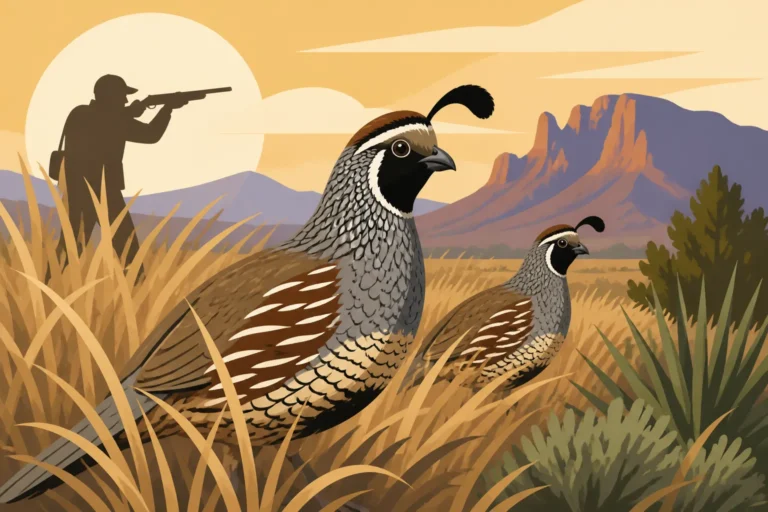
The thrill of chasing Mearns quail through Arizona's rolling oak woodlands is unlike any other upland hunt, but finding these elusive, camouflaged birds can often feel like searching for a ghost. Their unique behavior of holding incredibly tight to cover, often freezing in place even as you walk right past them, presents a distinct challenge. This guide will walk you through the nuances of hunting Mearns quail, focusing on where to find them, effective strategies, and essential gear to make your hunt successful in Arizona's beautiful southern oaks.
Deciphering the Mearns Quail Habitat in Arizona's Oaks
Mearns quail, also known as Montezuma quail or harlequin quail, are truly a gem of Arizona's upland bird hunting. Unlike their Gambel's and scaled quail cousins who prefer open desert and grassland, Mearns are inextricably linked to specific oak-grassland habitats. Understanding these unique preferences is the first, and arguably most important, step in a successful hunt.
The Specificity of Oak Woodlands
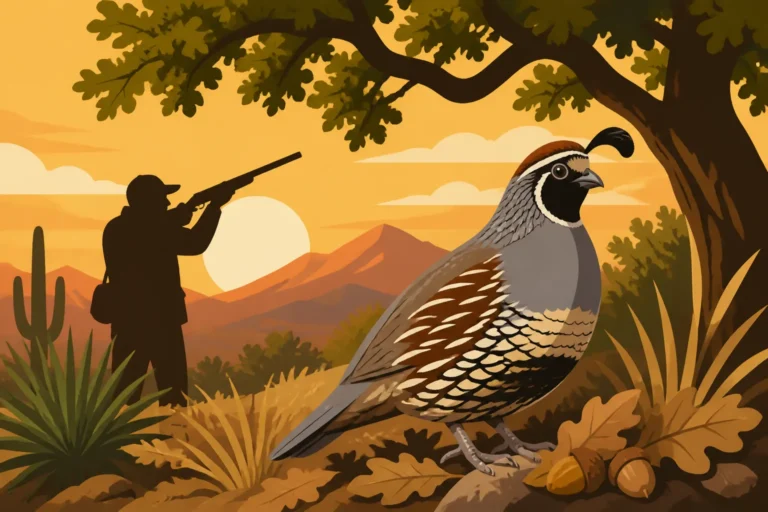
When we talk about "the oaks" for Mearns quail, we're not just talking about any oak tree. Mearns thrive in open oak woodlands interspersed with tall, native grasses, often at elevations generally between 4,000 and 6,000 feet. This isn't dense, thick timber, but rather a more open forest environment where sunlight can reach the forest floor, promoting the growth of a healthy grass understory. This grass is critical for their diet of underground bulbs and tubers, as well as providing cover.
You'll typically find them in the mountainous areas of southeastern Arizona, often within the "sky island" ranges. Think about the Coronado National Forest areas, like the Chiricahua Mountains, Huachuca Mountains, Santa Rita Mountains, and the Pinaleno Mountains. These areas offer the perfect blend of elevation, specific oak species like Emory oak and Arizona white oak, and those crucial knee-to-waist-high perennial grasses. A resource like Coronado National Forest and the Sky Islands can give you a better idea of these unique ecosystems. You might use mapping tools, like those offered by GoHunt, to identify areas with this specific blend of oak cover and grass density before you even lace up your boots.
The Importance of Elevation and Water
Beyond the presence of oak trees and grass, Mearns quail also gravitate towards certain elevations within these sky islands. The 4,000 to 6,000-foot range is a sweet spot, providing cooler temperatures than the desert floor and more consistent moisture that supports their food sources. While Mearns aren't strictly tied to open water sources like a Gambel's quail might be, they still benefit from areas with good drainage, springs, or seeps, particularly during drier periods. The health of the habitat, which is often tied to rainfall, directly impacts their numbers. Why Rainfall Drives Quail Numbers is a great read to understand this dynamic.
Look for gradual slopes and rolling hills within these oak woodlands, rather than steep, rocky canyons. They prefer ground where they can easily scratch for food and move through the grass. The unique terrain of places like Getting Into the Chiricahua Mountains exemplifies these ideal conditions. It's often where the land transitions from solid oak stands to more open grassy parks, or along drainages where the soil is richer.
Mastering Hunting Strategies for Mearns Quail
Hunting Mearns quail is a patient game, often requiring specialized tactics to account for their legendary hiding abilities. They won't typically run or flush wildly like Gambel's. Instead, they freeze, relying on their incredible camouflage, often leading hunters to walk right past them without knowing.
The Essential Role of a Good Bird Dog
Let's be blunt: attempting to hunt Mearns quail without a well-trained bird dog is an exercise in frustration. It’s not impossible, but it significantly reduces your chances of success. Mearns are masters of camouflage, blending seamlessly into the dappled light and shadows of the oak woodlands. Their tendency to sit tight means they won't flush until you're practically stepping on them. This is where a dog's nose becomes your ultimate advantage. A good pointing dog will lock up solid on a covey, allowing you to walk in, locate the birds, and get ready for the flush.
When a dog goes on point, approach cautiously, staying alert. The birds might burst out from under your feet, sometimes one at a time, sometimes in a small covey. The key is to be ready for the sudden, explosive flush. They'll often fly just a short distance before dropping back into cover and freezing again, which can lead to multiple points on the same covey if you're quick and the dog is steady. Remember to work slowly and methodically, covering every bit of promising cover.
Walking Patterns and Approaching Coveys
Forget rushing through the woods; Mearns hunting is a slow, deliberate process. Think more like still hunting for deer than chasing fast-running quail. Your walking pattern should be designed to push birds out for your dog, or, if you're going it without a dog, to try and flush them yourself through sheer volume of ground covered. Walk in a grid pattern or slowly work across a slope, zig-zagging to cover as much ground as possible. Move at a pace that allows your dog to thoroughly work the scent. When the dog points, trust them and take your time walking in.
If you don't have a dog, focus on kicking every patch of dense grass, every small bush, and walking right up to the base of oak trees. It's truly amazing how close you can get to a Mearns before it flushes. This strategy, while less effective than using a dog, requires extreme patience and a willingness to cover a lot of ground very slowly. Remember, these birds rarely fly far, so if you miss one, mark where it went down and follow up.
Essential Gear and Preparation for Your Mearns Hunt
A Mearns quail hunt is more than just carrying a shotgun; it's about being prepared for the terrain, the weather, and the unique challenges these birds present.
Shotguns, Loads, and Choke Choices
For Mearns quail, a light, fast-swinging shotgun in 20-gauge or 28-gauge is often ideal. You'll be doing a lot of walking, often uphill, so a lighter gun makes a huge difference by the end of the day. Shot sizes like 7.5 or 8 are perfect. Mearns flush close and don't require heavy loads. In fact, anything larger can be overkill and damage the bird. As for choke, an open choke like improved cylinder or skeet is usually preferred, given the close flushing distances. You'll want a spread that maximizes your chances on a bird that erupts at your feet.
| Gauge | Recommended Shot Size | Choke Recommendation | Typical Flushing Distance | Notes |
|---|---|---|---|---|
| 12-Gauge | 7.5, 8 | Improved Cylinder, Skeet | 5-15 yards | Versatile, but can be heavy. |
| 20-Gauge | 7.5, 8 | Improved Cylinder, Skeet | 5-15 yards | Excellent balance of weight and power. |
| 28-Gauge | 7.5, 8 | Improved Cylinder, Skeet | 5-15 yards | Lightest, fast-swinging, superb for close shots. |
Always carry enough shells, but don't overpack. You might only get a few flushes, but when they come, they can be fast and furious.
Footwear, Clothing, and Hydration
The terrain where Mearns live is often rocky, steep, and covered in thorny brush. Good quality, ankle-supporting boots are non-negotiable. Look for boots with good traction and support to navigate uneven ground. Choosing Boots for Rocky Desert Ground provides excellent advice on this. Briar-proof chaps or sturdy brush pants are also highly recommended to protect your legs from thorns and sharp sticks. Lightweight, breathable layers are key, as temperatures can swing dramatically between morning and afternoon, and you'll be exerting a lot of energy.
Hydration is critical, especially during the early season or on warmer days. Carry significantly more water than you think you'll need. Arizona's dry climate can sneak up on you, even at higher elevations. A good hydration pack is often better than carrying multiple bottles. Water You Must Carry on a Day Hunt offers essential tips for desert hunting. Also, don't forget snacks, a first-aid kit, a whistle (for your dog and emergencies), a GPS or reliable mapping app (like GoHunt's mobile app, which works great for navigating complex public land boundaries), and a fully charged cell phone.
Navigating Regulations and Ethical Hunting Practices
Responsible hunting is paramount, and understanding Arizona's specific regulations for Mearns quail will ensure your hunt is legal and ethical.
Season Dates and Bag Limits
Mearns quail season typically opens later than Gambel's or scaled quail season in Arizona, usually in early December, and runs through early February. This timing allows the birds to mature and for hunters to access their higher elevation habitats after some of the summer heat has passed. Always check the current Arizona Game and Fish Department regulations booklet for the exact dates each year, as they can sometimes shift slightly.
The daily bag limit for Mearns quail is generally generous, but it's important to know that Mearns counts toward the overall aggregate quail limit. For instance, if the aggregate daily limit is 15 quail, and the Mearns limit is 8, you could potentially take 8 Mearns and 7 Gambel's/Scaled. Arizona Quail Bag Limits by Species provides a detailed breakdown. Always confirm these figures before heading afield. Possession limits are also important – typically, it’s twice the daily bag limit.
Respecting the Resource and Other Users
Ethical hunting goes beyond legal limits. It's about respecting the animals you pursue, the land you hunt on, and other outdoor enthusiasts you may encounter. Always ensure a clean, quick kill. If a bird is wounded, make every effort to retrieve it. This is where a good bird dog truly shines, minimizing lost birds. When hunting on public land, which much of the prime Mearns habitat is, be mindful of others. Whether it's hikers, mountain bikers, or other hunters, courtesy goes a long way.
Remember that blaze orange is often not required for shotgun hunting in Arizona, especially during quail season. However, wearing some visible orange, even if not mandated, can be a smart safety measure, particularly when hunting with multiple people or dogs. Blaze Orange Requirements Through the Season explains the rules. Always be aware of your backdrop before taking a shot, ensure you are hunting within legal shooting hours (which are typically half-hour before sunrise to half-hour after sunset), and know the boundaries of the land you are on. Tools like GoHunt can help you verify public vs. private land boundaries in real-time. Finally, participate in conservation efforts whenever possible. Reporting your harvest or participating in habitat improvement projects helps ensure the future of Mearns quail hunting for generations to come.
Disclaimer
This article is for general informational purposes only and does not constitute professional advice. Laws, prices and regulations vary by location and change over time. Consult a qualified professional for guidance on your specific situation.