Blaze Orange Requirements Through the Season
It can be incredibly confusing to keep track of all the hunting regulations in Arizona, especially when it comes to something as crucial as blaze orange requirements. Hunters often find themselves scratching their heads, wondering if that orange vest is truly mandatory or just a good idea for the particular hunt they’ve drawn. This guide aims to clear up that confusion, detailing exactly when and where blaze orange is required throughout Arizona’s diverse hunting seasons and offering practical advice for staying safe in the field.
The Core Rule: When Blaze Orange is Mandatory in Arizona
Arizona’s regulations are designed to enhance hunter safety by ensuring visibility, especially during seasons when firearms are prevalent. It’s not just about adhering to the law; it's about protecting yourself and others in the field. The fundamental principle is that if you're out there with a firearm during a general or muzzleloader season, you need to be seen.
General Hunts and Muzzleloader Seasons
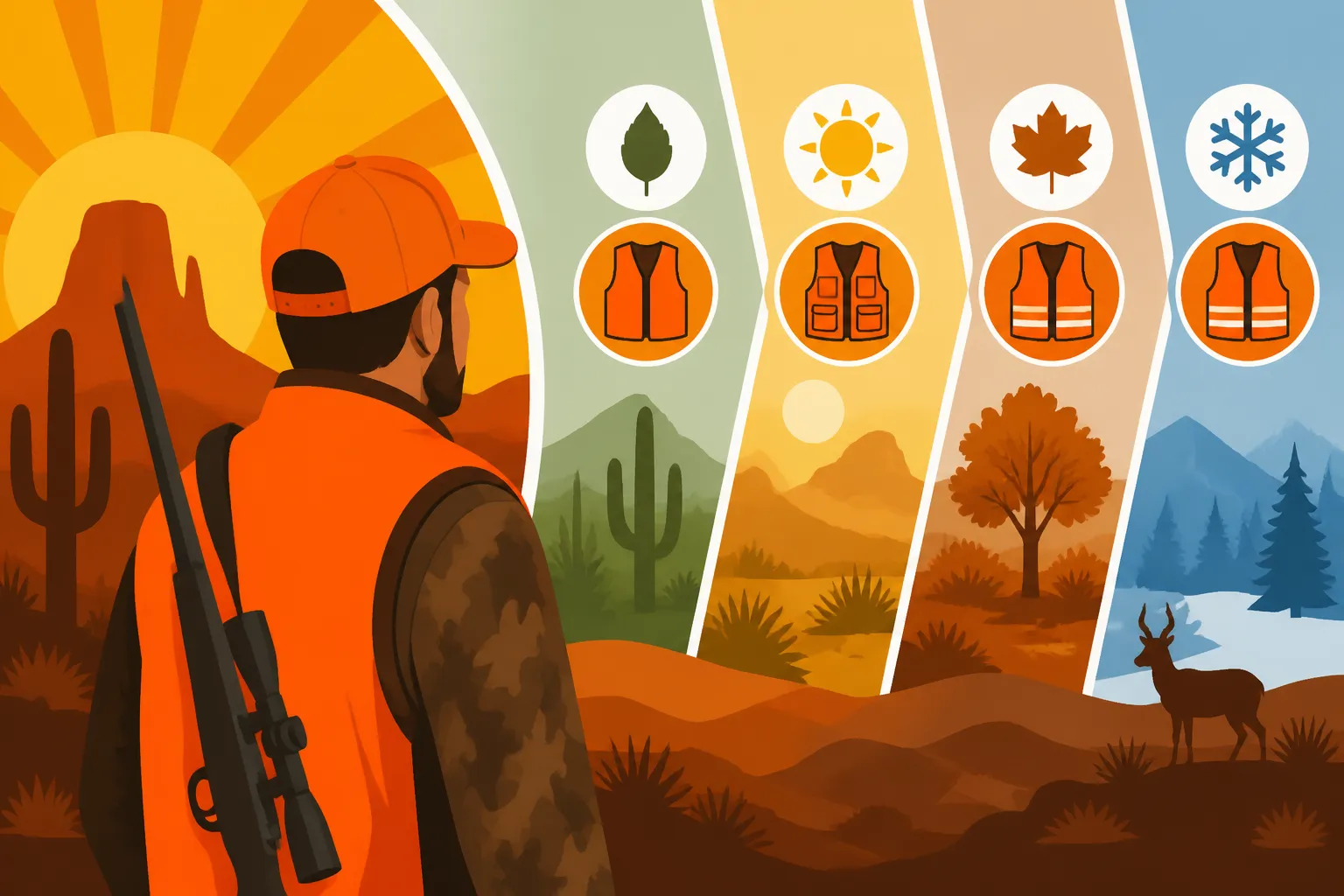
The most straightforward rule is for general big game seasons. If you're participating in a general hunt for species like deer, elk, or javelina, and you're using a rifle, shotgun, or handgun, then wearing blaze orange is not just a suggestion – it's a legal requirement. This applies to both residents and nonresidents alike. The Arizona Game and Fish Department (AZGFD) mandates that all big game hunters participating in a firearm hunt must wear a minimum of 256 square inches of hunter orange or blaze orange clothing, visible above the waist and worn on the outermost layer. This is typically achieved with a vest, jacket, or hat. The intent is clear: to make you easily identifiable as a human hunter, especially in varied terrain and changing light conditions.
Similarly, during muzzleloader seasons, the same blaze orange requirement applies. Even though muzzleloaders are a different class of firearm, the safety principle remains identical. Whether you're chasing elk on the Mogollon Rim with a smoke pole or pursuing deer in the desert, your blaze orange needs to be prominently displayed. Many hunters find that a combination of a vest and a blaze orange hat provides ample coverage and ensures they meet the minimum square inch requirement, which is critical for compliance and safety. You can find more details on specific weapon regulations in resources like Arizona Puts No Limits on Muzzleloader Sights or Powder.
Specific Scenarios and Exceptions
While the general and muzzleloader seasons have clear-cut rules, some specific scenarios might create confusion. For instance, youth-only hunts often align with the general season regulations, meaning blaze orange is typically required when firearms are used. However, it's always best to consult the specific hunt regulations booklet for your particular tag to avoid any surprises. There aren't many exceptions to the blaze orange rule during firearm seasons; if you're carrying a firearm for big game, assume it's mandatory.
Some special population management hunts or limited weapon hunts might have slight nuances, but these are rare. The overarching message from AZGFD is consistency for firearm users. The frustration often comes when hunters transition between different weapon types or seasons, leading to questions like, "Do I still need my orange for this?". The short answer is: if it's a general firearms season, absolutely. Double-checking the official regulations booklet, which you can read more about at Reading the Arizona Hunt Regulations Booklet, is always your safest bet.
Archery-Only Seasons: The Blaze Orange Exemption
Here’s where a significant difference comes into play, and it’s often the source of much discussion among hunters. For most archery-only seasons in Arizona, wearing blaze orange is generally not required by law. This distinction is crucial for bowhunters who rely on camouflage and stealth to get within close range of their quarry.
Understanding Archery-Only Regulations
During designated archery-only seasons for species like deer or elk, bowhunters typically do not need to wear blaze orange. This is a statewide policy that recognizes the distinct nature of bowhunting, where minimizing detection by game animals is paramount for success. Imagine trying to draw on a wary Coues deer if you're glowing bright orange against the desert landscape! For bowhunters, the emphasis shifts from human-to-human visibility to remaining unseen by wildlife. This is why you'll see archery hunters decked out in full camouflage, often with advanced patterns designed to break up their silhouette in the natural environment.
This exemption applies to both vertical bows (compound, recurve, longbow) and crossbows during archery-only hunts. If you're preparing for an archery hunt and want to delve deeper into equipment specifics, you might find information on draw weights, such as Arizona Sets Bow Draw at 30 Pounds and Crossbows at 125, helpful. Just remember that while you might be free from the blaze orange mandate, ethical hunting practices and awareness of other hunters in the area remain critical.
The Rationale Behind the Exemption
The reason for the archery exemption boils down to hunting methodology. Bowhunting requires much closer proximity to game – often within 20-40 yards – which makes high-visibility clothing counterproductive. Unlike rifle hunting, where shots can be taken at hundreds of yards, bowhunters need to blend seamlessly into their surroundings. The Arizona Game and Fish Department understands this fundamental difference and has structured its regulations accordingly. The safety aspect during archery-only seasons is managed through other means, such as specific shooting hours (which you can learn more about in Arizona Legal Shooting Hours for Big Game) and general hunter education, which underscores responsible behavior.
It's also worth noting that in many archery-only seasons, there's less overall hunter density compared to general firearm seasons, and the types of terrain hunted might be more rugged and remote, further reducing incidental contact risk. This isn't to say accidents can't happen, but the regulatory framework acknowledges the unique demands of bowhunting.
When Archery Hunts Overlap with General Seasons
Now, here’s a critical point where confusion can arise: what happens if your archery hunt overlaps with a general firearms season in the same unit? Arizona’s regulations are designed to prioritize safety when multiple weapon types are in the field. If you are hunting during an archery-only season that runs concurrently with any firearms big game season (general, muzzleloader, or youth-only firearms hunt) within the same Game Management Unit (GMU), you are required to wear blaze orange.
This overlap scenario isn't always obvious and requires careful attention to the hunt regulations for your specific unit and season dates. For example, if you're bowhunting for deer in a unit where a general deer rifle season is also open, you'll need to don that blaze orange. The reasoning is purely safety-driven: when firearms are present, visibility becomes paramount for all hunters. This is where diligent E-scouting an Arizona unit before the season and cross-referencing all open hunts in your area becomes indispensable. Tools like GoHunt's regulation database can be incredibly helpful for spotting these potential overlaps and ensuring you're compliant. Don't assume that because you're bowhunting, you're exempt if others are using rifles nearby. Always prioritize safety over stealth in these mixed-weapon scenarios.
What Counts as Legal Blaze Orange Gear in Arizona
Understanding when to wear blaze orange is only half the battle; knowing what constitutes legal blaze orange is equally important. Arizona Game and Fish has specific requirements to ensure that the material and coverage provide adequate visibility.
Minimum Requirements for Visibility
Arizona Revised Statutes and the Arizona Game and Fish Commission Rules generally specify that "hunter orange" or "blaze orange" must be worn, visible above the waist, and constitute a minimum of 256 square inches on the outermost garment. This typically means a vest, jacket, or certain hats.
- Color: The color must be true "blaze orange" or "hunter orange." Fluorescent orange is generally accepted as meeting this standard. It's that vibrant, almost neon orange that truly pops against natural backdrops.
- Material: The material itself isn't strictly defined beyond being orange. It can be solid fabric, mesh, or a combination. The key is that the color is consistent and bright.
- Placement: It must be visible from 360 degrees, or as close to it as possible, above the waist on your outermost clothing. This means it can’t be covered by a backpack or other gear. A common and effective combination is a blaze orange vest over your jacket, paired with a blaze orange hat.
It's important to differentiate this from regular orange clothing. A faded orange t-shirt or a simple construction worker's vest might not meet the intense color standard required for true blaze orange and the square inch minimum. The goal is to maximize visibility to other hunters, not just to look vaguely orange.
Recommended Gear for Maximum Safety
While 256 square inches is the minimum, many experienced hunters choose to wear more. A full blaze orange vest or jacket, combined with a blaze orange hat, provides excellent visibility. When hunting in groups, having everyone in highly visible orange can significantly reduce the risk of accidents. Think about the terrain you'll be in: dense timber might require more orange to be seen through breaks in the trees, while open grasslands might offer better visibility with less coverage.
Consider vests that are designed for hunting, often with pockets for licenses, tags, or small gear. Many high-quality hunting apparel brands offer durable, breathable blaze orange options that can be layered over other clothing. Even if you're primarily focused on glassing Arizona's Sky Islands for Coues deer, and it's an archery-only season, having a blaze orange vest readily accessible to throw on if you see other hunters or need to move through a high-traffic area is a smart move. When preparing physically for a desert hunt, packing an extra blaze orange layer should be on your checklist, even if you don't anticipate needing it for legal compliance.
Common Misconceptions About Blaze Orange
A widespread misconception is that any orange item will do. As mentioned, a simple orange shirt or a thin band of orange on a hat often falls short of the 256 square inch requirement and may not be the correct shade. Another common mistake is having your orange covered up. If your backpack or a large fanny pack completely obscures the blaze orange on your back, you’re not meeting the spirit, nor often the letter, of the regulation.
Furthermore, some hunters believe that camo patterns with a bit of orange integrated are sufficient. While some manufacturers offer "camo orange" patterns, these typically do not count towards the legal blaze orange requirement, as their primary function is still concealment, not high visibility. The rule specifies a solid, prominent amount of orange, visible as an unbroken block of color. Always err on the side of caution and opt for a dedicated blaze orange garment that meets the visibility criteria.
Navigating Unit-Specific and Special Hunt Rules
Arizona's hunting regulations can be incredibly detailed, with rules that sometimes vary by Game Management Unit (GMU) or specific hunt codes. Staying informed is your best defense against potential violations and, more importantly, ensures your safety.
Checking the Latest Arizona Game and Fish Regulations
The Arizona Game and Fish Department is the authoritative source for all hunting regulations. They publish detailed hunt proclamations annually, which outline all seasons, legal weapons, bag limits, and specific requirements like blaze orange. It is your responsibility as a hunter to obtain and thoroughly read these documents before heading into the field. These regulations are subject to change, so relying on last year's booklet or anecdotal advice can lead to serious issues.
You can usually find the latest regulations on the AZGFD website, often as a downloadable PDF, or pick up a physical copy wherever hunting and fishing licenses are sold. For those who utilize advanced mapping and research tools, GoHunt is another excellent resource, often integrating and clarifying these regulations in an accessible format, making it easier to prepare. The time invested in understanding the rules is never wasted.
How to Interpret Hunt Codes and Regulations
Arizona uses a system of hunt codes, which are unique identifiers for each specific hunt. These codes specify the species, unit, season dates, and legal weapon. When you're looking at the regulations, pay close attention to the footnotes and special conditions associated with your hunt code. This is where you'll find details about blaze orange requirements, particularly in those tricky overlap scenarios we discussed earlier.
For example, a hunt code might specify "Archery-Only" for a particular period, but then a footnote might state, "Blaze orange required if overlapping with any general firearms season in Unit X." Understanding how to read and interpret these codes and their accompanying details is a critical skill for any Arizona hunter. Don't just scan for dates; really dig into the specifics.
The Role of Scouting and Situational Awareness
Beyond simply following the rules on paper, developing keen situational awareness in the field is paramount. Even if blaze orange isn't legally required for your specific archery hunt, consider the environment. Are you in an area known for high hunter density? Are there trails or roads where other hunters might be moving? Are you sharing public land with other recreational users who might not be looking for camouflaged hunters?
Effective scouting, both on the ground and through e-scouting methods (as detailed in articles like E-Scouting an Arizona Unit Before the Season), can give you insights into potential hunter traffic. If you've just drawn a coveted tag and are checking Arizona draw odds before you apply, remember to also research the unit's accessibility and popularity during your hunt dates. If you anticipate encountering many other hunters, carrying a blaze orange vest and opting to wear it – even if not legally required – is a sensible safety measure. It's about being proactive and responsible, especially on public lands where you share the space.
Best Practices for Hunter Safety Beyond the Law
While legal requirements are the baseline, true hunter safety goes beyond mere compliance. It's about adopting a mindset and practices that prioritize the well-being of yourself, your hunting partners, and others sharing the landscape.
Layering and Clothing Choices for Visibility
Even when required, merely meeting the minimum 256 square inches of blaze orange might not be enough in all conditions. Consider the weather: a thin vest over a heavy winter jacket might still meet the square inch requirement but could be obscured in dense fog or falling snow. Investing in a quality blaze orange outer layer that's designed for adverse conditions can provide better visibility.
When layering, ensure your blaze orange remains the outermost visible layer. Many hunters opt for a blaze orange hat in addition to a vest, as the head is often visible above brush or when scanning the horizon. Think about how you appear from different angles and distances. For instance, if you're packing out an elk, ensure your orange remains visible, especially if you have an animal draped over your shoulders. This kind of ethical hunting practice is also highlighted in courses like The Ethically Hunting Arizona Course Earns a Permanent Point.
Educating Hunting Partners and Youth
Hunter safety is a collective responsibility. If you're hunting with a partner or mentoring a youth hunter (which is required for those under 14 in Arizona, as discussed in Hunter Education Is Required Under 14 in Arizona), ensure everyone understands the blaze orange requirements and the importance of wearing it. Talk about visibility before the hunt. Discuss scenarios where extra caution might be needed, such as when crossing roads, moving through thick cover, or when returning to camp in low light.
Lead by example. If you choose to wear blaze orange during an archery-only hunt for extra safety, explain your reasoning to your companions. Foster a culture where safety is openly discussed and prioritized, rather than just grudgingly complied with. This shared understanding can make a significant difference in preventing accidents.
When to Wear Blaze Orange Even When Not Required
This is perhaps the most important piece of advice beyond the written regulations: wear blaze orange whenever it makes you feel safer, even if it’s not legally mandated.
- High-Traffic Areas: If you're hunting near roads, popular hiking trails, or in areas known for a lot of public access, putting on some orange, even during an archery-only season, is a wise decision.
- Low Light Conditions: At dawn or dusk, when legal shooting hours are in effect but visibility is reduced, blaze orange can help differentiate you from game.
- Moving Through Cover: When tracking an animal or still-hunting through thick brush, wearing orange makes you visible to other hunters who might also be moving through the same cover.
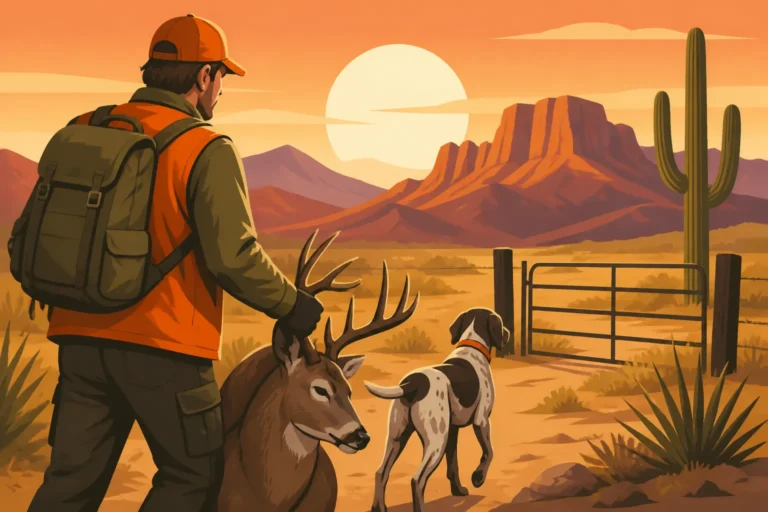
- Retrieving Game: After a successful harvest, especially if you're quartering an animal or making multiple trips back and forth, wearing orange ensures you're visible to anyone else in the area.
- Camping in Hunt Zones: If your camp is located within an active hunting unit during a firearm season, having some blaze orange visible around your camp can deter other hunters from approaching too closely.
Using resources like GoHunt to understand the density of hunters in a unit can also inform your decision on when to wear orange, even if optional. Ultimately, the minimal inconvenience of wearing blaze orange is a small price to pay for enhanced safety and peace of mind in the field.
Here’s a quick reference table for Arizona blaze orange requirements:
| Season Type | Weapon Type | Blaze Orange Required? | Notes |
|---|---|---|---|
| General Big Game | Rifle, Shotgun, Pistol | YES | Minimum 256 sq. inches, visible above waist on outermost clothing. |
| Muzzleloader Season | Muzzleloader | YES | Same requirements as General Big Game. |
| Archery-Only (Standalone) | Vertical Bow, Crossbow | NO | Not legally required, but recommended if other hunters are present or for general safety. |
| Archery (Overlapping) | Vertical Bow, Crossbow | YES | If any firearms big game season (general, muzzleloader, youth) is open in the same unit concurrently. |
| Youth-Only (Firearms) | Rifle, Shotgun, Pistol | YES | Typically follows General Big Game requirements for firearms. |
| Small Game / Upland Birds | Various | NO | Generally not required, but often worn for safety in certain environments (e.g., dense cover with dogs). |
Disclaimer
The information provided in this article is intended for general guidance and informational purposes only. While we strive to offer accurate and up-to-date content, hunting regulations in Arizona are subject to change. It is the responsibility of every hunter to consult the most current Arizona Game and Fish Department (AZGFD) official regulations and hunt proclamations before participating in any hunting activity. Failure to do so could result in fines, penalties, or loss of hunting privileges. Always prioritize safety and legal compliance in the field.