Arizona Quail Bag Limits by Species
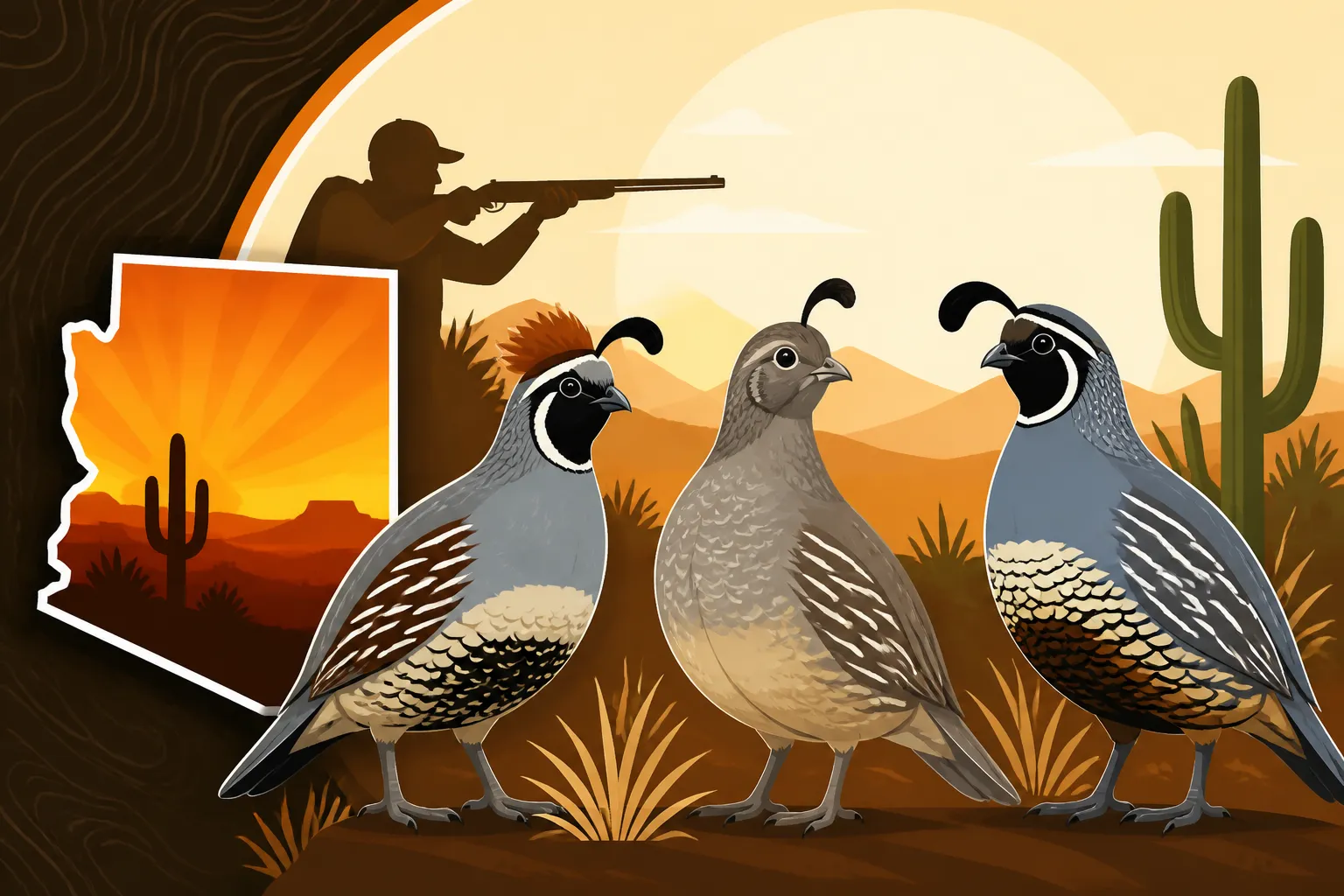
Hunting Arizona's diverse quail species is an absolute blast, but one of the most common head-scratchers for both seasoned and new hunters alike is figuring out the exact bag limits. It's not a one-size-fits-all situation, and getting it wrong can lead to serious headaches. This guide will walk you through the specifics of Arizona's quail bag limits by species, ensuring you're fully prepared and compliant before you even step foot in the field.
The Diverse World of Arizona Quail and Their Unique Limits
Arizona is a true paradise for quail hunters, offering three distinct species that each present their own challenges and rewards. But just as their habitats and behaviors differ, so do the regulations surrounding how many you can harvest. Understanding these nuances is crucial for a successful and legal hunt.
Gambel's Quail: The Desert Icon
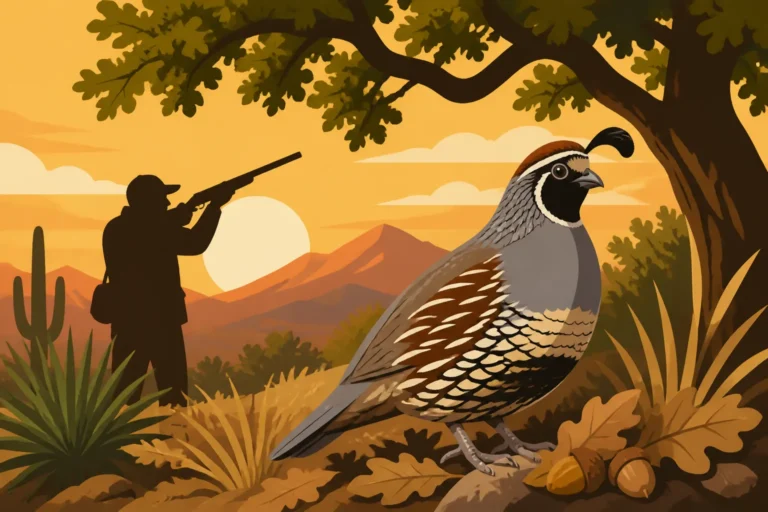
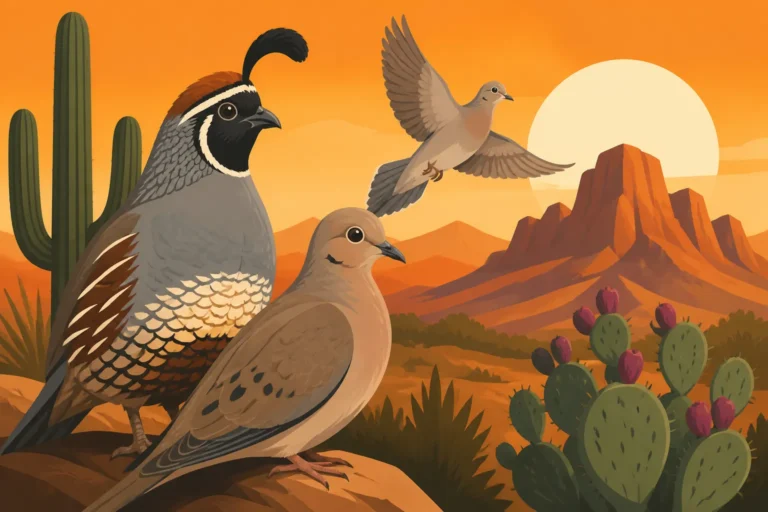
If you've hunted quail in Arizona, chances are you've encountered the Gambel's quail. These energetic birds are practically synonymous with the Sonoran Desert, thriving in the prickly pear, mesquite thickets, and washes that define so much of southern and central Arizona. They're typically found in coveys, often announcing their presence with their distinctive "Chicago!" call. Because of their widespread distribution and robust populations, Gambel's quail often have the most generous daily and possession limits among Arizona's quail species. It’s not uncommon to find yourself in a frantic flush, with birds bursting from cover in every direction. The key to harvesting them consistently is often covering a lot of ground, staying hydrated, and being ready for fast-paced action. You can learn more about their preferred habitat and habits by reading up on Gambel's Quail Across the Desert.
These birds are incredibly resilient, benefiting from good monsoon rains which directly influence their breeding success and chick survival. In years with favorable moisture, their numbers can boom, providing fantastic hunting opportunities. However, even with strong populations, the Arizona Game and Fish Department carefully sets limits to ensure their long-term health. While the exact numbers can vary year to year, Gambel's typically offer a substantial daily limit, allowing hunters to fill their vests on a productive day. The possession limit, which dictates how many birds you can legally have at home or in your camp, is usually a multiple of the daily limit, accommodating multi-day hunts. It's exhilarating to watch a well-trained bird dog work these birds, pointing staunchly before the explosion of feathers.
Mearns' Quail: The Elusive Gentleman of the Oaks
For many, the Mearns' quail represents the pinnacle of Arizona quail hunting. Also known as the "Montezuma quail" or "harlequin quail," these stunning birds are a true treasure, but they don't give up their secrets easily. Unlike the raucous Gambel's, Mearns' are quiet, elusive, and prefer the higher elevations of Arizona's "sky islands"—mountain ranges covered in oak woodlands, grasslands, and pine forests, primarily in the southeastern part of the state. Their camouflage is incredible, allowing them to freeze and blend seamlessly into the dappled light of their oak-studded habitat.
Because of their specific habitat requirements, smaller distribution, and often more solitary nature, Mearns' quail typically have significantly more conservative daily and possession limits compared to Gambel's or Scaled quail. This reflects a management strategy to protect their more delicate populations and ensure sustainable hunting pressure. Hunting Mearns' is a completely different experience; it's slower, more methodical, and relies heavily on keen observation and a dog with an exceptional nose. When they flush, they often fly short distances and re-tuck into dense cover, making follow-up shots tricky. If you're planning a trip specifically for these incredible birds, be sure to delve into Hunting Mearns Quail in the Oaks for more insights into their unique behaviors. The reward of a Mearns' in hand, with its intricate plumage, is unparalleled for many desert hunters.
Scaled Quail: The Blue Runner of the Grasslands
Completing Arizona's quail trifecta is the Scaled quail, often affectionately called "cotton-tops" or "blue quail" for their distinctive scaly plumage and crown-like crest. These birds inhabit the arid grasslands and scrublands of southeastern Arizona, often overlapping with Gambel's in some areas, but preferring more open, rolling terrain. Their primary defense mechanism is running, and they are incredibly adept at it. A covey of Scaled quail can outpace a hunter with surprising speed, making them a challenging quarry.
The bag limits for Scaled quail often fall somewhere between Gambel's and Mearns', though they are frequently aligned with Gambel's in terms of daily and possession numbers, reflecting their relatively healthy populations in suitable habitat. However, their tendency to run rather than flush can make achieving those limits quite difficult! You might spend an entire morning trying to get a shot at a running covey only to have them disappear into a dense thorn bush. Understanding Where Scaled Quail Hold on Grassland can be immensely helpful in developing a strategy to intercept these swift birds. Hunting Scaled quail demands patience, quick reflexes for opportunistic shots, and sometimes a strong dose of luck to get them to hold for a point.
Deciphering Daily and Possession Limits: What You Need to Know
Understanding the difference between daily and possession limits is fundamental to legal hunting in Arizona. These aren't just arbitrary numbers; they are critical tools used by wildlife managers to ensure healthy game populations and equitable hunting opportunities for everyone.
Daily Bag Limit: Your On-the-Ground Harvest
The daily bag limit is the maximum number of a specific species that any one hunter can legally take in a single calendar day. This is the figure you absolutely must keep in mind as you're actively hunting. For instance, if the daily limit for Gambel's quail is generous, it means you can harvest a substantial number of birds in a single outing. It's important to start counting from your very first bird.
Imagine you're out with your hunting buddy in a prime Gambel's unit. You flush a covey, and both of you manage to drop a few birds. You reset, find another covey, and the action continues. It's easy to lose track in the excitement, which is why a diligent count is so important. Some hunters use small counters, others simply tally in their heads, but the goal is always to stay well within that daily threshold. Over-harvesting, even accidentally, can lead to serious legal consequences and, more importantly, undermines conservation efforts. Even if you don't plan to shoot the maximum, knowing that limit helps you pace yourself and enjoy the hunt without constant worry. When planning your trips, looking up units that are known for consistent quail numbers can really help maximize your chances, and platforms like GoHunt can offer valuable insights into past harvest success and habitat.
Possession Limit: What You Can Keep
The possession limit, on the other hand, refers to the total number of harvested animals you can legally have in your possession at any given time. This includes birds in your cooler, in your vehicle, at your camp, or even back home in your freezer. It is almost always greater than the daily bag limit, allowing hunters to accumulate birds over several days of a multi-day hunt.
For example, if the daily limit for Gambel's quail is substantial, and the possession limit is several times that amount, it means you can hunt for multiple days and bring home a significant amount of table fare, even if you fill your daily limit each day. This is especially important for hunters traveling from out of state or those planning extended trips into Arizona's quail country. Keeping track of your possession limit requires good record-keeping, especially if you're hunting different species with varying limits. Many hunters will immediately clean and process their birds, often freezing them if they're in camp for a few days. Proper documentation and separation of species, especially when their limits differ significantly like with Mearns' and Gambel's, can save a lot of confusion and potential issues.
Finding the Current Numbers: Your Official Source
I cannot stress this enough: always refer to the official Arizona Game and Fish Department (AZGFD) regulations for the most current and precise bag limits. These regulations are published annually and can be updated at any time due to wildlife management needs, environmental factors, or even public health concerns. While resources like GoHunt can offer excellent scouting tools and general season information, the AZGFD regulations booklet is your definitive legal guide.
You'll find these regulations readily available online through the AZGFD website, and many sporting goods stores or license vendors will have physical copies. Don't rely on information from previous years or hearsay from other hunters, as limits can and do change. Before every season, and certainly before every trip, dedicate some time to Reading the Arizona Hunt Regulations Booklet. Pay close attention to the specific dates for seasons and any unit-specific regulations that might impact your hunt. A quick check can prevent a costly mistake and ensure your trip is both fun and fully compliant. Remember, responsible hunting starts with knowing and adhering to the rules.
Why the Limits Differ: Conservation and Management
The varying bag limits for Arizona's quail species aren't arbitrary. They are carefully crafted by wildlife biologists and managers based on a multitude of factors, all aimed at ensuring sustainable populations for future generations of hunters and wildlife enthusiasts. It's a complex balancing act that takes into account science, habitat, and human impact.
Population Dynamics and Habitat Suitability
One of the primary drivers behind differential bag limits is the inherent population dynamics and habitat suitability for each quail species. Gambel's quail, for example, are generally widespread and adaptable, thriving across vast stretches of the Sonoran Desert. Their reproductive rates can be quite high in years with good rainfall, leading to robust populations that can sustain a more generous harvest. As discussed in Why Rainfall Drives Quail Numbers, the annual monsoon season plays a critical role in how many chicks survive and mature.
Mearns' quail, on the other hand, are much more specialized. Their reliance on specific oak-grassland habitats at higher elevations means their populations are naturally smaller and more geographically restricted. They also tend to have lower reproductive rates and are more sensitive to habitat changes or prolonged drought. Therefore, to ensure their long-term viability, management often necessitates more conservative limits. Scaled quail, while widespread in their grassland domains, also have unique habitat needs that influence their numbers. Biologists constantly monitor these populations through surveys, harvest reports, and habitat assessments to make informed decisions about bag limits, ensuring that hunting pressure doesn't negatively impact the overall health of the species.
Hunting Pressure and Accessibility
Another significant factor influencing bag limits is the level of hunting pressure and the accessibility of each species. Gambel's quail are by far the most hunted quail in Arizona, largely due to their abundance and the vast amount of accessible public land they inhabit. Their tendency to flush in large coveys makes for exciting and often productive hunting, drawing a considerable number of hunters each season. With higher hunting pressure, limits must be carefully set to prevent over-harvest, even for a resilient species.
Mearns' quail, due to their elusive nature and specific, often rugged, habitat, receive less overall hunting pressure. However, precisely because they are so prized, their limited populations require more cautious management. Hunters seeking Mearns' are often dedicated and willing to put in considerable effort, but the sheer difficulty of finding and harvesting them naturally keeps the overall take lower. Scaled quail present a middle ground; while present in many accessible areas, their running behavior can make them challenging to harvest consistently, which also influences their overall harvest rates. Resources like GoHunt can help hunters identify areas that might receive more or less pressure, which can indirectly help distribute hunting effort and further aid management goals. Responsible hunters also play a part by understanding Legal Shooting Hours and Blaze Orange in Arizona to avoid unintended pressure or conflicts.
Ensuring Sustainable Harvest for Future Generations
Ultimately, the core mission behind varying bag limits is to ensure a sustainable harvest, meaning that hunters today can enjoy the resource without compromising its availability for future generations. It’s about striking a delicate balance: providing ample opportunity for hunters to engage in their passion while safeguarding the health and abundance of the wildlife.
This commitment to sustainable harvest is deeply ingrained in the North American Model of Wildlife Conservation, where wildlife is managed for the benefit of all citizens. By setting different limits, Arizona Game and Fish can fine-tune their management strategies to the specific needs of each quail species. For hunters, this means not only adhering to the letter of the law but also embracing the spirit of conservation. It’s about respecting the resource, appreciating the challenge, and understanding that every regulation is designed to protect the very thing we love to pursue. Understanding the "why" behind these rules, whether it's Hunting Over a Stock Tank Legally or respecting bag limits, deepens our connection to the land and its wildlife.
Practical Advice for Hunting Within Arizona's Quail Limits
Navigating Arizona's quail hunting regulations doesn't have to be a daunting task. With a bit of foresight and adherence to best practices, you can ensure your hunt is both legal and incredibly rewarding.
Before You Head Out: Research and Preparation
The most critical step in staying compliant with bag limits happens long before you load your shotgun. Every hunting season is unique, and while the general framework of regulations tends to remain consistent, specific numbers can change.
First and foremost, always consult the official Arizona Game and Fish Department (AZGFD) hunting regulations for the current year. This document is your bible for all things legal and procedural. Pay close attention to the specific section for small game, and locate the daily and possession limits for Gambel's, Mearns', and Scaled quail. Don't just skim it; read it thoroughly, noting any specific nuances that might apply to the particular units you plan to hunt. Beyond the statewide limits, sometimes there are specific management units with unique restrictions or even temporary closures.
Next, familiarize yourself with your chosen hunting grounds. While the AZGFD regulations will give you the numbers, understanding the habitat will help you predict which species you're likely to encounter. If you're heading to the high-elevation oak-grasslands of the southeast, you'll be primarily focused on Mearns' quail, and their conservative limits will be top of mind. If you're in the low desert, Gambel's will likely be your target. Using scouting tools, especially those that incorporate land ownership and habitat layers, can be invaluable. Platforms like GoHunt offer detailed mapping and data that can help you identify prime quail habitat and understand access points, allowing you to fine-tune your strategy. E-Scouting an Arizona Unit Before the Season is a practice that can pay dividends, helping you mentally prepare for the terrain and the species present. Remember that Preparing Physically for a Desert Hunt is also key, as chasing quail can be surprisingly demanding.
During the Hunt: Staying Compliant
Once you're actually in the field, actively managing your harvest is crucial. The excitement of a covey flush can sometimes lead to momentary lapses in counting, but staying focused on your bag limit is a non-negotiable part of ethical hunting.
Carry a small counter or simply keep a running tally in your head, confirming with hunting partners as you go. If you're hunting multiple species, like if you're in an area where Scaled and Gambel's might overlap, make sure you can accurately identify each bird before you shoot, and keep a separate count for each. This is especially vital when one species, like Mearns', has a much lower limit. When you reach your daily limit for a particular species, that's it – your hunting for that species is done for the day. You can continue to hunt other species for which you still have an open limit, but you must ensure you do not harvest any more of the species you've limited out on.
Properly transporting and storing your harvest is also part of compliance. Once harvested, birds should be field dressed quickly, especially in Arizona's often warm climate, to preserve the meat. Keep them cool and properly tagged as required by law. If you're on a multi-day hunt, ensure your camp has adequate cooling for your accumulated possession limit. You'll want to review Arizona Small Game Seasons at a Glance to confirm all regulations are understood.
Ethical Considerations and Best Practices
Beyond the letter of the law, ethical considerations should always guide your hunting decisions. The goal isn't just to fill a limit, but to do so respectfully and responsibly.
Always identify your target clearly before taking a shot. In the chaos of a covey flush, it can sometimes be difficult to distinguish species, especially with young birds. If in doubt, don't shoot. This not only ensures you adhere to species-specific limits but also prevents accidental harvest of non-target birds. Avoid "ground-swatting" or taking unsporting shots at birds on the ground when they're not actively flushing, as this goes against the spirit of fair chase. Always respect private land boundaries, whether they're clearly marked or identified through your mapping apps. Know who owns what property, and obtain permission if necessary. Always be mindful of other hunters, hikers, or recreational users you might encounter, and always prioritize safety. Being a good ambassador for hunting means showcasing respect for wildlife, regulations, and fellow outdoor enthusiasts. Choosing Boots for Rocky Desert Ground can help you navigate varied terrain ethically and quietly.
| Quail Species | Typical Daily Bag Limit | Typical Possession Limit | Notes |
|---|---|---|---|
| Gambel's Quail | Higher (e.g., 15) | Higher (e.g., 45) | Widespread, abundant; check AZGFD for current numbers. |
| Mearns' Quail | Lower (e.g., 8) | Lower (e.g., 24) | Elusive, restricted habitat; check AZGFD for current numbers. |
| Scaled Quail | Higher (e.g., 15) | Higher (e.g., 45) | Prairie/grassland inhabitant; often grouped with Gambel's, but always check AZGFD for current numbers. |
Disclaimer
This article is for general informational purposes only and does not constitute professional advice. Laws, prices and regulations vary by location and change over time. Consult a qualified professional for guidance on your specific situation.