Where Scaled Quail Hold on Grassland
Alright, fellow hunters, let's talk about something many folks find both incredibly rewarding and utterly frustrating: chasing scaled quail in Arizona's expansive grasslands. It's easy to feel lost in the seemingly endless scrub and rolling hills, wondering if you're even in the right zip code for these "blue quail." This guide is here to cut through that confusion, helping you understand precisely where these birds love to hang out and how to effectively find them.
The Unique World of Scaled Quail: Why Grasslands?
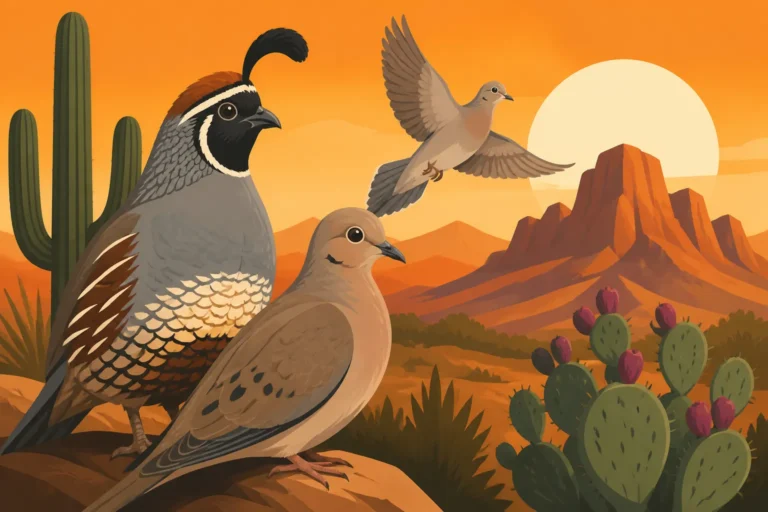
Unlike their Gambel's cousins who often stick close to the washes and mesquite thickets, scaled quail have a distinct preference that sets them apart. They are truly birds of the open country, thriving where other quail might struggle. If you’ve spent countless hours busting through dense riparian zones only to hear the distant chuckles of Gambel’s, then a hunt for scaled quail will feel like a completely different endeavor, demanding a shift in your mindset and your hunting boots.
Identifying Their Preferred Grassland Ecosystems
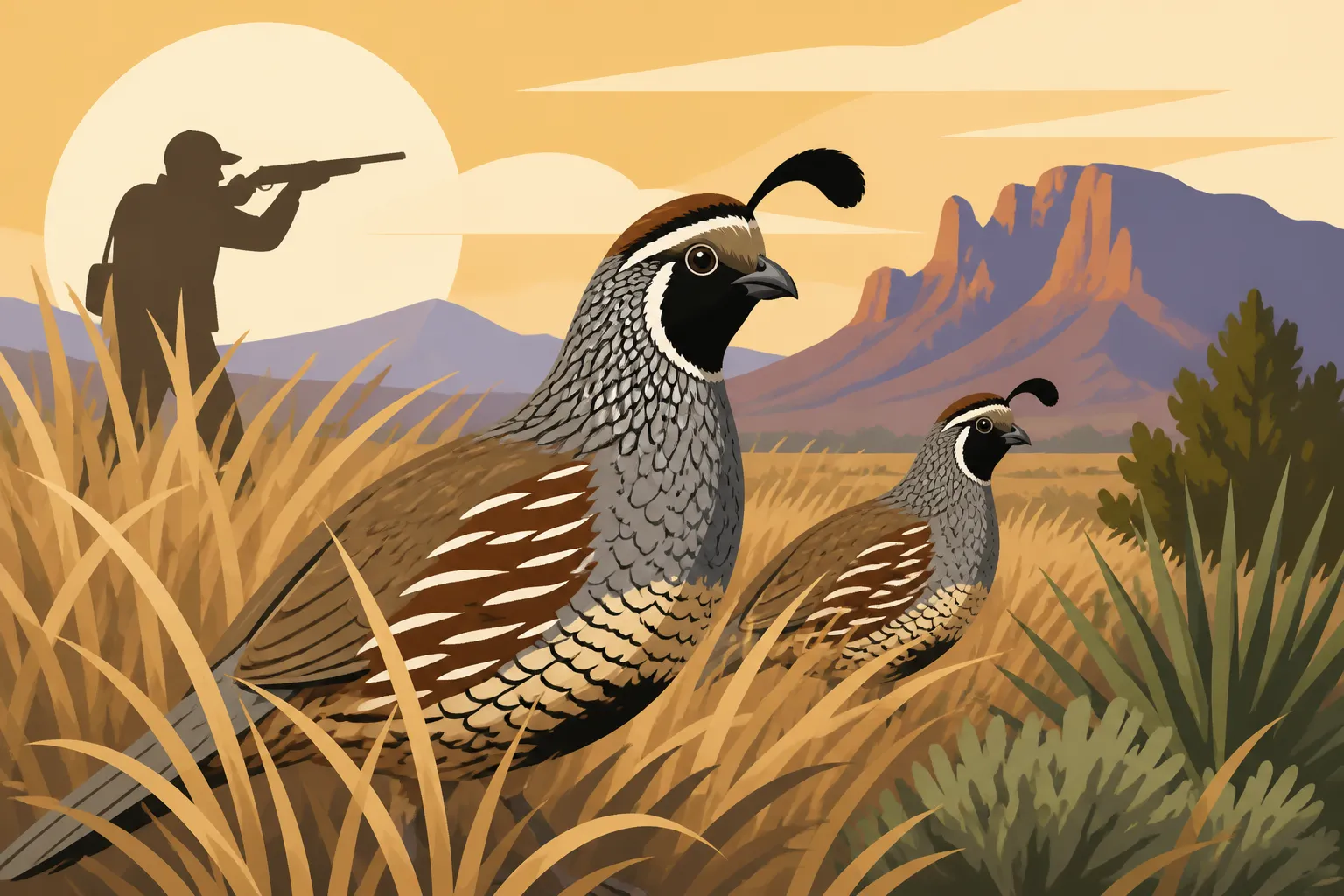
When we talk about grasslands for scaled quail, we're not just talking about any patch of tall weeds. We're looking for specific types of ecosystems. Think about areas dominated by grama grasses, tobosa grass, and other mid-height, clumpy grasses. These aren't manicured lawns, mind you, but rather wild, often windswept landscapes. You'll frequently find them interspersed with scattered mesquite, catclaw acacia, prickly pear, and cholla cacti, but the overriding feature should be grass. These areas provide excellent cover from aerial predators, ample insect life, and the seeds that make up a large part of their diet. It’s a habitat that offers both sustenance and safety, allowing them to thrive and often form larger coveys than other quail species.
One common frustration is mistaking sparse desert scrub for true grassland. Scaled quail really prefer a more robust grass component, especially in areas that receive enough monsoon moisture to sustain it through the fall and winter. Why Rainfall Drives Quail Numbers is a fantastic read for understanding this relationship. You might find some scaled quail on the edges of creosote flats, but their core habitat is truly a grasseous environment. Pay attention to the understory: if it’s mostly bare dirt and rocks with sparse brush, you’re likely in Gambel’s or Mearns territory, not scaled quail country.
The Critical Role of Water and Cover in Habitat Selection
Even in vast grasslands, scaled quail aren't just everywhere. Their presence, like all desert dwellers, is heavily dictated by two crucial factors: water and escape cover. While they are incredibly adapted to arid environments and can go for extended periods without direct water, a reliable water source, especially during dry stretches, will concentrate birds. This could be a natural spring, a guzzler maintained by Arizona Game and Fish, or even a rancher's stock tank. A great tool for pinpointing these vital spots is utilizing mapping software like GoHunt, which can layer water sources onto unit maps, saving you countless hours of scouting. Remember to always be respectful of ranchers' property and ensure you have proper access if hunting near private land.
Beyond water, dense, low-growing escape cover is paramount. This isn't necessarily dense forest, but rather thick clumps of grass, prickly pear patches, dense stands of cholla, or low-lying scrub that they can quickly disappear into. When flushed, scaled quail are famous for running like little roadrunners before eventually taking flight. They often run uphill, too, making them a challenging quarry. The best grassland for scaled quail will offer a mosaic of open grassy feeding areas punctuated by these thick cover refuges. It’s where they feel safe, can rest during midday, and escape from predators or hunting pressure. Without adequate cover, even the most promising-looking grasslands might hold fewer birds than you'd expect.
Pinpointing Arizona's Scaled Quail Strongholds
Arizona is a huge state with incredible habitat diversity, and that means scaled quail aren't uniformly distributed. Knowing the general regions and even specific units where they thrive can dramatically improve your chances of a successful hunt. It’s all about focusing your efforts where the birds genuinely prefer to live, rather than blindly wandering.
Southeastern Arizona: The Heart of Blue Quail Country
When most seasoned Arizona quail hunters think "scaled quail," their minds immediately drift to the southeastern corner of the state. This region, often characterized by its "Sky Island" mountain ranges and expansive valleys, boasts some of the best scaled quail habitat you'll find. Units like 29, 30A, 30B, 31, and 32 are frequently mentioned in conversations about productive blue quail hunts. These units feature vast stretches of semi-desert grassland, rolling hills, and scattered oak woodlands at higher elevations, providing that perfect mix of open ground and escape cover.
The grasslands here can be deceptively challenging. While they look open, the terrain can be uneven, and the thorny brush can make walking difficult. The key is to find those rolling hills and flat plateaus that maintain a good grass component. These areas often have old two-track roads or cattle trails that can offer easier walking for hunters and dogs. It's also worth noting that this region is home to other quail species, so you might encounter Gambel's in the washes or Hunting Mearns Quail in the Oaks at slightly higher, oak-dotted elevations. Being able to identify each bird quickly in the field is a great skill to develop, especially with varying bag limits.
Exploring Other Potential Grassland Opportunities
While southeastern Arizona is king, it's not the only place to find scaled quail. Don't overlook some of the northern and central grassland areas, particularly those in higher elevations or transitional zones. For instance, parts of units 27, 33, or even some of the plateau country in units like 19B can surprise you, especially after a good monsoon season. These areas might have more of a juniper-grassland mix, but where the grass dominates and there's scattered brush for cover, scaled quail can establish healthy populations. These often tend to be smaller, more isolated populations compared to the southeastern strongholds, but they can offer less pressure and a unique hunting experience.
However, hunting these fringe habitats requires a bit more legwork and local knowledge. Scouting becomes even more important here. Utilize tools like GoHunt's mapping layers to identify specific grassland types and potential water sources in these less-traveled units. You might be looking for smaller, more isolated patches of suitable habitat rather than the vast expanses of the southeast. Always check the current regulations for specific unit boundaries and season dates, as these can vary. Reading an Arizona Unit Boundary Before You Apply can help you navigate the maps effectively.
Effective Strategies for Hunting Scaled Quail
Once you have a good idea of where to look, the next challenge is how to effectively hunt scaled quail. These birds are known for their cunning, their tendency to run, and their ability to disappear into seemingly sparse cover. It takes patience, persistence, and often, a good dog.
Scouting and E-Scouting for Productive Ground
Modern hunting starts long before you ever step foot in the field, and that's especially true for scaled quail. E-scouting is your best friend. Start by identifying units known for scaled quail, then zoom in on satellite imagery to find those distinct grassland patches. Look for areas with a mix of grass and scattered low brush, especially those near stock tanks, ephemeral washes, or old homesteads that might have remnant cover. Pay attention to subtle changes in vegetation color and texture – greener, denser patches often indicate better grass.
Once you’ve identified potential areas on the map, a pre-season scouting trip can seal the deal. Drive the accessible roads, and more importantly, walk some of the likely areas. Look for visual sign: tracks in dusty spots, droppings under brush, or "dusting bowls" where quail take dirt baths. Listen for their distinctive "chi-ca-go" call, especially in the early morning or late afternoon. It’s a sound you’ll quickly learn to associate with scaled quail. Remember, even a short hike can tell you volumes about the actual terrain and bird activity, saving you from wasted hunting days. E-Scouting an Arizona Unit Before the Season provides excellent guidance for this preparatory work.
Field Tactics: Dogs, Calls, and Hunter Movement
Hunting scaled quail without a good bird dog is undeniably tough, but not impossible. Their tendency to run rather than flush makes a dog invaluable for pinning them down and retrieving downed birds in thick cover. Look for dogs with good endurance, a strong nose, and a willingness to work large, open areas. A pointer or setter that can locate birds at a distance, or a flushing dog that can push them out of thickets, will both be assets. Just make sure your dog is conditioned for the heat and rough terrain; a day of chasing blue quail can be taxing for both human and canine.
If you’re hunting without a dog, you’ll need to adjust your strategy. Focus on walking the edges of cover, pushing through thicker patches, and being ready for a flush at any moment. Quail calls, mimicking their distinctive "chi-ca-go," can sometimes elicit a response, helping you pinpoint their location, though they are less effective than with Gambel's. The most crucial tactic for scaled quail is patience and persistent, slow movement. Don't rush. Walk in an undulating pattern, stopping frequently to listen and scan. When birds flush, mark where they land precisely, as they often run again before settling. A two-person team, walking abreast about 20-30 yards apart, can also be very effective at containing running birds and pushing them towards a gun. You can often make great use of terrain features like small hills or washes to try and cut off their escape routes.
Gear Up for a Successful Scaled Quail Adventure
Chasing scaled quail isn't just a mental game; it's a physical one that demands the right equipment. The Arizona grasslands are beautiful but unforgiving, and being unprepared can quickly turn a dream hunt into a miserable slog.
Shotguns, Loads, and Footwear for Tough Terrain
For scaled quail, a fast-swinging shotgun in 12 or 20 gauge is usually ideal. These birds can rocket out of cover quickly, and you need to be able to get on them. Open chokes like improved cylinder or modified are popular choices, as shots can be both close when they hold tight, or longer when they flush wild. As for ammunition, 7 ½ or 6 shot is generally preferred. A light field load with good velocity will give you the pattern density and range you need for these quick-flying targets. Consider carrying a mix of loads if you anticipate varying shot distances.
Perhaps even more important than your shotgun, though, is your footwear. You'll be covering miles over uneven, often rocky ground studded with thorns and cacti. Good quality, supportive hiking boots with excellent ankle support are non-negotiable. Look for boots that are durable, breathable, and ideally, thorn-resistant. Brands like Irish Setter or Browning make excellent upland boots that can stand up to the abuse. Blisters or a twisted ankle can end a hunt prematurely, so invest in quality boots and break them in well before the season. Choosing Boots for Rocky Desert Ground offers some specific considerations for this kind of environment.
Optics and Navigational Tools for the Arizona Grasslands
While not as critical as for big game hunting, a good pair of binoculars can be surprisingly useful for scaled quail. They can help you spot birds running ahead of you in open terrain, or identify distant patches of cover that might hold birds. Lightweight 8x or 10x binoculars are perfect. Beyond optics, reliable navigation is key. Arizona's grasslands, while beautiful, can be disorienting. A GPS device or a mapping app on your phone (like GoHunt, or other similar platforms) is essential for marking key locations, tracking your movement, and navigating back to your vehicle. Always carry a physical map and compass as a backup, and know how to use them.
Finally, don't forget the essentials: plenty of water (more than you think you'll need!), snacks, a first-aid kit, a sharp knife, and a bird vest or game bag with plenty of capacity. The desert heat, even in fall and winter, can be intense, so stay hydrated. A good hat and sunscreen are also wise choices. Being prepared for the elements and the terrain means you can focus on the hunt, not on potential discomfort or danger. Water You Must Carry on a Day Hunt is a crucial read for anyone venturing into Arizona's arid environments. With the right knowledge and gear, those elusive blue quail can become a much more attainable, and incredibly enjoyable, quarry.
Scaled Quail Habitat and Hunting Overview
To summarize some key differences and considerations for scaled quail hunting:
| Feature | Scaled Quail Preferences | Typical Hunting Implications |
|---|---|---|
| Habitat | Extensive grasslands, often rolling hills, mixed with sparse mesquite, acacia, prickly pear, cholla. | Cover miles, focus on grass-dominated areas with scattered low cover. |
| Behavior | Prone to running before flushing, often uphill. Coveys can be large and disperse quickly. | A good bird dog is highly recommended. Be prepared for long chases and fast shots. |
| Key Regions | Southeastern Arizona (Units 29, 30A, 30B, 31, 32). Some northern/central grasslands. | Focus scouting efforts on these regions. Utilize e-scouting extensively. |
| Water Needs | Can tolerate arid conditions but concentrate near water sources like stock tanks, guzzlers. | Prioritize scouting around known water points using maps from resources like GoHunt. |
| Shotgun/Load | 12 or 20 gauge, open chokes (IC/Mod), 7 ½ or 6 shot. | Fast swinging gun. Be ready for both close and medium-range shots. |
| Footwear | Durable, supportive, thorn-resistant hiking boots with ankle support. | Critical for comfort and safety over rocky, thorny terrain. |
| Navigation | GPS/mapping app (e.g., GoHunt), physical map and compass backup. | Essential for safety and efficiency in vast, often featureless grasslands. |
This article is for general informational purposes only and does not constitute professional advice. Laws, prices and regulations vary by location and change over time. Consult a qualified professional for guidance on your specific situation.