Quail, Dove and Arizona’s Small Game Tradition
There's a special kind of magic in pursuing small game in Arizona, isn't there? You're out there, boots crunching on desert gravel or pine needles, shotgun balanced just right, waiting for the explosive flush of a covey of quail or the whistle of doves diving into a milo field. But for many, the sheer diversity and unique challenges of Arizona's small game scene can feel a bit overwhelming. From knowing which species are where, to understanding the distinct tactics required, and even just navigating the regulations, it’s easy to feel like you’re missing out or making mistakes. This guide is here to break down that complexity, celebrating the rich tradition of small game hunting in the Grand Canyon State and giving you the realistic, nitty-gritty details you need to succeed.
Embracing Arizona's Small Game Tradition
Arizona often gets all the glory for its trophy elk, bighorn sheep, or even the elusive Coues deer, and for good reason—those hunts are incredible. But let me tell you, overlooking the state's small game opportunities is like ignoring a hidden gem. This isn't just about filling a freezer, though that's certainly a bonus; it's about connecting with the land, honing your shotgun skills, and experiencing the desert and high country in a completely different, often more active, way. Small game hunting here is a tradition passed down through generations, a way to introduce new hunters to the field without the intense pressure or financial commitment of big game draws. It’s also often more accessible, with longer seasons and over-the-counter tags, meaning you can get out there without waiting years for a draw.
The Underrated Appeal of Small Game
Honestly, I think small game hunting is one of the most fulfilling ways to spend time afield. You're constantly moving, reading the terrain, anticipating flushes, and reacting quickly. It's a dynamic experience that keeps you sharp. Think about it: a crisp autumn morning, a light breeze carrying the scent of creosote or pine, and the sudden, heart-stopping eruption of a covey of Gambel's quail from a mesquite thicket. Or the fast-and-furious action of doves zipping into a sunflower field at sunset, requiring lightning-fast reflexes. These are moments that stick with you, building memories that are just as vivid as any big game encounter. Plus, it's often a fantastic way to extend your hunting season, filling those gaps between big game draws.
Beyond the thrill, small game hunting is an incredible training ground. It teaches you patience, observation, and how to effectively cover ground. It helps you understand different habitats and how game animals relate to food, water, and cover. These are all skills that transfer directly to big game hunting, making you a more well-rounded and effective hunter. And let's be real, the table fare from these birds and animals is absolutely delicious!
Accessibility and Opportunity in the Grand Canyon State
One of the best things about small game hunting in Arizona is its sheer accessibility. Unlike the highly competitive big game draws, many small game species offer long, generous seasons, often stretching for months, and their tags are typically over-the-counter. This means less planning, less waiting, and more actual hunting. You can decide on a Friday to head out Saturday morning, grab your license and a tag, and be in the field. This flexibility is a huge draw, especially for busy individuals or families looking for spontaneous outdoor adventures.
Arizona's diverse landscapes, from scorching low deserts to cool pine forests and high-elevation grasslands, host a incredible array of small game species. This means that no matter where you are in the state, or what time of year it is, there's likely a small game opportunity close by. It’s not just about one or two species; it’s a whole mosaic of experiences waiting to be discovered, offering something for every hunter, regardless of their experience level. This accessibility makes small game hunting a perfect entry point for new hunters or a way for seasoned veterans to enjoy more time afield.
Chasing the Whirring Wings: Quail Hunting in Arizona
If there's one small game species that truly embodies the spirit of Arizona hunting, it's the quail. The state is blessed with three distinct species, each offering its own unique challenge and requiring slightly different tactics. The explosive flush, the rapid wing beats, and the sheer joy of watching a well-trained dog work a covey make quail hunting an absolute addiction for many.
Gambel's Quail: Desert Speedsters
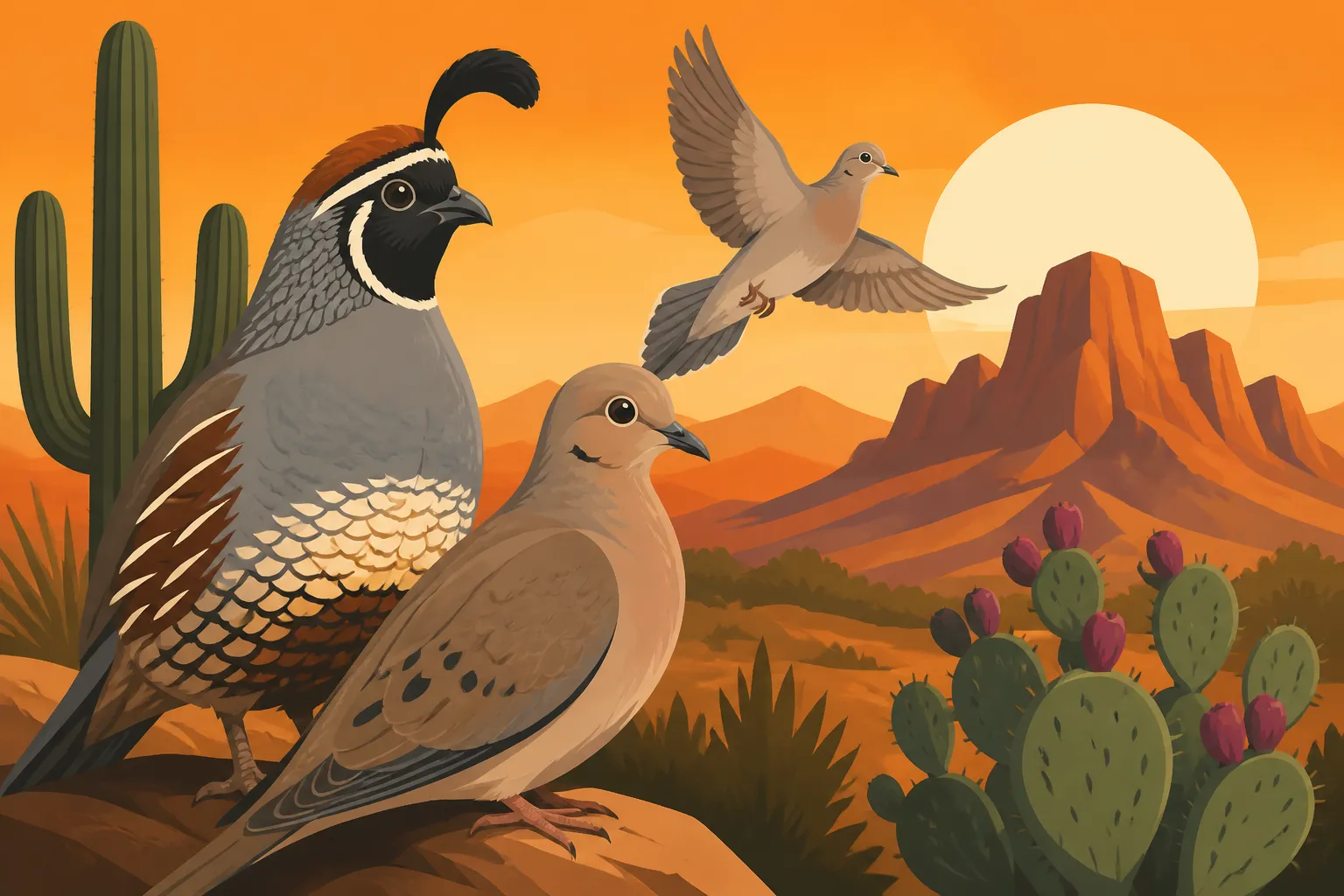
Ah, the Gambel's quail. These are perhaps the most iconic and widespread quail in Arizona, instantly recognizable by the male's jaunty topknot and the way they seem to appear out of nowhere, running through the mesquite and prickly pear like little feathered rockets. Hunting Gambel's Quail Across the Desert is a quintessential Arizona experience. You'll find them almost anywhere there's cholla, saguaro, mesquite, and palo verde, often near washes or water sources.
The challenge with Gambel's is their incredible ability to run. A covey will often flush, fly a short distance, and then hit the ground running again, leading you on a merry chase across the desert floor. This is where a good bird dog truly shines, helping you pin down those runners and get them to flush within shotgun range. Without a dog, it becomes a game of outsmarting them, trying to anticipate their movements and cut them off. It's tough, demanding hunting, often in warm weather early in the season, which means paying close attention to Heat Management on an Arizona Early Season Hunt and carrying plenty of Water You Must Carry on a Day Hunt. Their season opens typically in October, and you can find the specific dates and When Arizona Quail Season Opens details in the regulations.
Mearns Quail: High Country Beauties
Now, if you're looking for a completely different quail hunting experience, you've got to try Mearns. Often called "Montezuma quail" or "harlequin quail," these birds are found in the oak-grassland foothills of Arizona's southeastern mountain ranges. Unlike their desert cousins, Mearns prefer to hold tight, often flushing vertically like miniature pheasants, making for a truly startling and exciting shot. Hunting Mearns Quail in the Southern Oaks is a much more solitary and slower-paced affair than chasing Gambel's.
You'll typically find Mearns in open oak woodlands with good grass cover, especially on steeper hillsides in areas like the Coronado National Forest. They feed by digging for tubers and insects, leaving distinctive "diggings" in the soft soil, which are the primary sign you'll look for. A good pointing dog is almost essential for Mearns, as they hold so tight that you can literally step on them before they flush. Without a dog, finding them is incredibly difficult. Their season usually starts later, often in December, after the grass has matured and the weather has cooled, creating a beautiful and peaceful hunting environment distinct from the warmer desert.
Scaled Quail: Grassland Runners
The third member of Arizona's quail trio is the scaled quail, affectionately known as "cotton tops" for the cottony white crest on their heads. These birds are primarily found in the open grasslands and plains of southeastern Arizona, often overlapping with Gambel's in transitional areas, but preferring more open, brushy country. Hunting Scaled Quail on Arizona Grassland presents yet another unique challenge.
Scaled quail are also runners, much like Gambel's, but they tend to be even more skittish and prone to flushing at longer distances. They'll often flush in a "covey rise," with many birds taking flight at once, then scattering across the sparse grass. Their habitat often means longer shots as they fly low and fast over open terrain. Again, a dog is a massive asset here, helping to pin down these wary birds. You'll often find them around sparse cover, mesquite patches, and along the edges of agricultural fields in areas with good grass. The vast, open nature of their habitat makes for a more expansive hunting experience, often requiring more walking and glassing to locate coveys.
The Fast-Paced Thrill of Dove Hunting
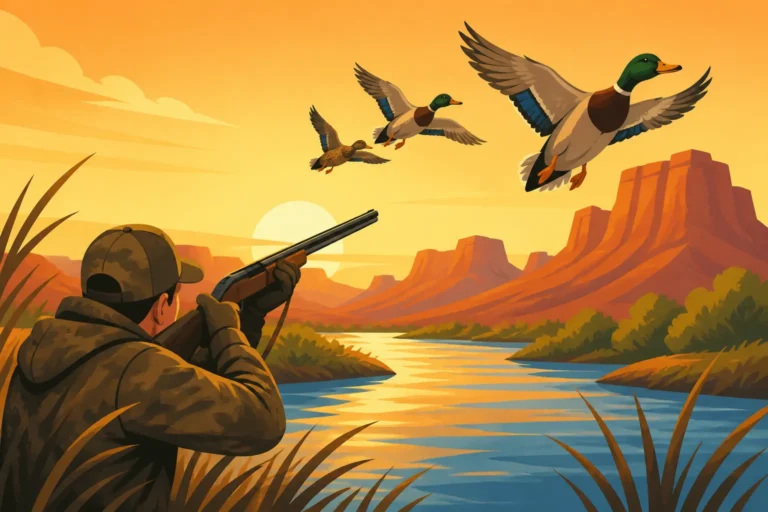
If quail hunting is a marathon, dove hunting in Arizona is a full-on sprint. There's nothing quite like the rush of opening day dove season, typically on September 1st, when hunters across the state flock to grain fields, water tanks, and riparian corridors. It's an incredibly social hunt, often shared with friends and family, and the action can be fast, furious, and highly addictive. The sheer number of birds and the challenging wing shooting make it a favorite for many.
Mourning Dove: Widespread and Abundant
The mourning dove is truly ubiquitous across Arizona. You'll find these graceful, fast-flying birds virtually everywhere, from urban backyards to vast desert plains and agricultural fields. They are the most common dove species and form the backbone of Arizona's early season dove hunt. What makes mourning doves so appealing is their abundance and the challenging wing shooting they offer. They are incredibly agile, capable of sudden changes in direction and speed, making them a difficult target even for experienced shotgunners.
Hunting mourning doves typically involves finding their flight paths between feeding areas (like harvested grain fields), watering holes (Water Sources That Concentrate Arizona Desert Game are key), and roosting sites. Setting up with good camouflage near these routes, or positioning yourself to intercept birds as they come into water, is often the most effective strategy. The morning and evening hours are prime time, as birds are most active. This is a high-volume shooting scenario, so be prepared with plenty of shells! Understanding the differences between Mourning Against White-Winged Dove is important, especially when it comes to bag limits.
White-Winged Dove: Sonoran Desert Icons
While mourning doves are widespread, the white-winged dove is truly a symbol of the Sonoran Desert. These larger, stockier doves are easily identified by the prominent white bar on their wings, which is particularly visible in flight. They are incredibly gregarious and are especially fond of saguaro and mesquite bosques, feeding heavily on the fruits and seeds these iconic desert plants provide. Their numbers often peak in the agricultural regions of central and southern Arizona, where large fields of grain attract massive concentrations of birds.
White-winged dove hunting shares many similarities with mourning dove hunting, focusing on flight paths and water sources. However, white-wings tend to fly in larger, more condensed flocks, and their flight can be slightly more predictable than the erratic mourning doves, though still incredibly fast. On opening day, especially in prime agricultural areas around places like Yuma or Buckeye, the sky can literally be filled with white-wings, providing an unforgettable shooting experience. The key again is scouting, identifying feeding areas, and finding those flight corridors. The When the Arizona Dove Opener Falls is typically September 1st for both species, making for an explosive start to the hunting season.
Beyond Birds: Other Small Game Opportunities
Arizona's small game tradition isn't just about feathered creatures; the state also offers fantastic opportunities to pursue various mammals, providing year-round action and a chance to explore different landscapes and hunting techniques. These hunts often require a slightly different approach, focusing more on stealth, tracking, and precision shooting.
Cottontail and Jackrabbit: Desert Staples
If you're looking for an accessible, low-pressure hunt that can be pursued almost anywhere in Arizona's diverse habitats, look no further than cottontail rabbits and jackrabbits. These guys are abundant, offer exciting challenges, and make for surprisingly delicious table fare. Cottontail and Jackrabbit Seasons are generally open year-round, making them a perfect target for any time of year when other seasons are closed.
Cottontails are found in nearly every habitat, from dense riparian areas to rocky desert hillsides and high-country forests. They often hold tight in thick brush, making them a great target for a still hunt or even for working with a small beagle or terrier. Jackrabbits, particularly the larger, long-eared antelope jackrabbit, are more creatures of the open desert and grasslands. They rely on their incredible speed and keen eyesight to evade predators. Hunting jackrabbits often involves spotting them from a distance, then trying to get within range for a shot, or using a vehicle (where legal) to cover vast areas. A .22 rifle or even a shotgun with small game loads are popular choices for these hunts. They provide excellent practice for fieldcraft and shooting discipline.
Tree Squirrels: High Country Targets
For those who prefer cooler temperatures and the tranquility of Arizona's pine and mixed-conifer forests, tree squirrel hunting is a delightful option. The most common species you'll encounter are the Abert's squirrel, with its distinctive ear tufts and often grizzled gray fur, and various smaller ground squirrels. Tree Squirrel Hunting in Arizona is typically found in the central and northern parts of the state, especially around areas like the Mogollon Rim and the White Mountains.
Hunting tree squirrels is often a quiet, observational hunt. It involves slowly stalking through the woods, scanning tree trunks and branches for movement. A .22 rifle is the weapon of choice, offering a challenging shot and minimal meat damage. Early mornings and late afternoons are usually the best times, as squirrels are most active then, feeding on pine cones, acorns, and fungi. It's a perfect way to experience the high country, providing a peaceful and engaging hunt that also offers tasty rewards. Plus, it's a great way to introduce younger hunters to ethical shooting and woodcraft in a less strenuous environment.
Coyotes and Varmints: Year-Round Action
While not traditionally "small game" in the sense of birds or rabbits for the dinner table, coyotes and other varmints (like bobcats, although they have more restrictive seasons) offer fantastic, year-round hunting opportunities in Arizona, often with no bag limits. Hunting Coyotes Year Round in the Desert provides a thrilling chase, sharpens your calling skills, and contributes to predator management, which can indirectly benefit other game species.
Coyote hunting in Arizona ranges from calling them into close range using distress calls or howls, to spot-and-stalk tactics in open country. The use of Electronic Calls for Predators and Varmint Hunting is legal for coyotes and can be highly effective. The desert environment provides vast, open landscapes where you can spot animals from a distance, but also plenty of washes and terrain features for a stalk. These hunts often occur in conjunction with other activities, or as dedicated trips, and can be pursued day or night (with specific lighting regulations at night). It’s a fast-paced, intellectually engaging hunt that relies heavily on understanding animal behavior, camouflage, and wind direction.
Essential Gear and Tactics for Arizona Small Game
Success in Arizona's diverse small game environments often boils down to having the right gear and employing smart tactics. This isn't about expensive fancy equipment, but rather about practicality, preparation, and understanding how to effectively navigate and hunt in these unique landscapes.
Shotgun Selection and Ammunition
When it comes to shotguns for Arizona small game, versatility is key. Most hunters opt for a 12-gauge or 20-gauge shotgun. The 12-gauge offers a wider pattern and more pellets, which can be advantageous for fast-flying doves or flushing coveys of quail. However, a 20-gauge is lighter to carry over long distances, and with modern loads, it's perfectly capable of taking all Arizona small game. Semi-automatics and over-unders are popular choices due to their quick follow-up shots. For quail and dove, improved cylinder or modified chokes are typically preferred for a good spread, especially for close-range flushes.
Ammunition choice is equally important. For quail and dove, lighter loads with smaller shot sizes, like 7.5 or 8, are ideal. These provide a dense pattern needed to effectively hit fast-moving birds without over-penetrating and destroying too much meat. For larger small game like rabbits, or if you anticipate longer shots on scaled quail, a slightly heavier load with 6 shot might be more appropriate. For squirrels, especially with a .22 rifle, precise headshots are the goal, so quality rimfire ammunition is crucial. For coyotes, a flat-shooting rifle like a .223 or .22-250 is standard, paired with appropriate projectiles to ensure a clean kill.
The Unsung Heroes: Hunting Dogs
I cannot stress this enough: for quail and, to a lesser extent, dove, a good bird dog is an absolute game-changer. They aren't just pets; they're hunting partners who can turn a frustrating day into a memorable success. Breeds like Brittanys, German Shorthaired Pointers, English Setters, and various flushing spaniels are phenomenal for Arizona quail.
Dogs perform several critical functions. Firstly, their superior sense of smell allows them to locate birds far more efficiently than a human hunter. They can pinpoint coveys that you'd walk right past, or track running birds that would otherwise escape. Secondly, pointing dogs hold birds, allowing you to walk in and prepare for the flush, increasing your shot opportunities. Thirdly, and perhaps most importantly for ethical hunting, they are invaluable for retrieving downed birds, especially in thick cover or high grass, minimizing lost game. A dog's enthusiasm and drive also make the hunt incredibly enjoyable, adding another layer of depth to the experience. For finding Why Rainfall Drives Quail Numbers and knowing where to focus your dog's efforts, keeping an eye on habitat conditions is key.
Strategic Scouting and Approach
Successful small game hunting in Arizona, just like big game, starts long before you step into the field with your weapon. Scouting is paramount. For doves, this means driving around agricultural areas, looking for flight patterns, identifying popular watering holes, and noting roosting areas. For quail, it's about covering ground, looking for tracks in washes, scat, and listening for their distinctive calls at dawn and dusk. Areas with a mix of dense cover, food sources, and water are always prime targets.
When you're actively hunting, your approach needs to be strategic. For quail, especially the running species, try to work with the wind, or even against it if it helps your dog scent birds better. Walk deliberately, pausing frequently, as birds will often hold tight and then flush when you stop or change direction. For dove, setting up early is crucial, identifying those main flight corridors, and staying still and quiet. Using natural cover or a portable blind can make a huge difference in avoiding detection. Utilizing tools like GoHunt can help you e-scout potential public land hotspots, locate water sources, and identify habitat types perfect for different species before you even leave your couch, giving you a huge advantage in planning.
Regulations and Ethical Considerations for Small Game
Just because small game hunting is generally more accessible doesn't mean it's a free-for-all. Arizona has a robust set of regulations designed to ensure sustainable populations and ethical hunting practices. Understanding and adhering to these rules is not just about staying legal; it's about being a responsible steward of the resource and ensuring these traditions can continue for future generations.
Licensing and Tag Requirements
Before you even think about heading afield for small game in Arizona, you need to make sure your licensing is in order. All hunters, unless exempt (e.g., very young children for certain species under direct supervision), must possess a valid Arizona hunting license. For most small game species—including quail, dove, rabbits, and squirrels—this general hunting license is all you need. There are no additional "tags" required for these common species; your license essentially serves as your permit.
However, it's crucial to always check the current Arizona Game and Fish Department (AZGFD) regulations booklet before each season. Regulations can change, and it's your responsibility to be informed. For instance, while most small game is covered by the general license, certain species like migratory birds (ducks, geese, cranes) will require additional state and federal stamps. Similarly, if you venture into specific tribal lands, you'll need separate permits from those nations, as state licenses do not apply. Always carry your license with you while hunting, ready to present to a game warden if requested.
Bag Limits and Possession Rules
One of the most important aspects of small game regulations to understand are the bag limits and possession limits. These are put in place to manage harvest and prevent over-exploitation of the resource. Bag limits define the maximum number of a particular species you can harvest in a single day. For example, Arizona Quail Bag Limits by Species will vary between Gambel's/Scaled and Mearns, and Arizona Dove Bag Limits by Species will differentiate between mourning and white-winged doves.
Possession limits, on the other hand, refer to the maximum number of a particular species you can have in your possession at any given time, regardless of when they were harvested. This often includes birds in your cooler, freezer, or those you've already taken home from previous days' hunts. Typically, possession limits are two or three times the daily bag limit, but again, always consult the current regulations for exact numbers. It's a common mistake for hunters to exceed possession limits, especially when hunting for multiple days, so keep meticulous track of your harvest. These limits are non-negotiable and designed to sustain healthy populations for everyone.
Conservation and Ethical Practices
Ethical hunting goes beyond simply following the rules; it's about respecting the animals, the land, and your fellow hunters. For small game, this includes several key practices. Firstly, only take clean, ethical shots within your effective range. Wounding an animal and losing it is a disservice to the resource. Practice your shooting before the season to ensure you're proficient with your chosen firearm. Secondly, make every effort to retrieve all downed game. This is where a good bird dog becomes not just a luxury, but an ethical tool. Leaving game in the field is wasteful and irresponsible.
Furthermore, respect private property. Always know your boundaries and obtain permission before hunting on private land. On public land, be mindful of other users – hikers, bikers, horseback riders, and other hunters. Maintain a safe shooting zone and avoid disturbing others' experiences. Participate in conservation efforts, whether it's through purchasing stamps, volunteering for habitat projects, or simply educating others about responsible hunting. The health of Arizona's small game populations depends on all of us being ethical, responsible, and conservation-minded hunters. Tools like the public land layers on GoHunt are invaluable for understanding boundaries and ensuring you’re always on legal ground.
Planning Your Arizona Small Game Adventure
Arizona's vast and varied landscapes mean that planning a small game hunt can be an adventure in itself. Knowing where to go, when to go, and how to prepare can make all the difference between a frustrating day and a successful, enjoyable outing.
Identifying Productive Habitats
The first step in planning any Arizona small game hunt is understanding the specific habitat preferences of your target species. As we've discussed, Gambel's quail are desert dwellers, thriving in mesquite washes, saguaro forests, and cholla thickets. Mearns quail prefer the oak-grasslands of the sky islands. Scaled quail inhabit more open, grassy plains. Doves are drawn to agricultural fields, especially those with milo, wheat, or sunflowers, and need accessible water sources. Rabbits are almost everywhere, but denser cover provides better opportunities. Tree squirrels live in the high-elevation pine and conifer forests.
Utilizing online mapping tools and resources like GoHunt is invaluable for scouting these habitats from home. You can identify potential public land access points, pinpoint areas with the right vegetation, locate water sources, and even identify old farming fields. Look for areas where different habitat types converge, such as a mesquite wash running through a saguaro flat, or an oak-grassland transitioning into a pine forest. These transition zones often hold a higher diversity and density of game. Then, once you're on the ground, look for fresh sign: tracks, droppings, dust baths, and active feeding areas.
Optimal Season Timing
Timing is everything in small game hunting. While many seasons are long, there are optimal windows for success. For doves, the opening weeks of September are usually the hottest action, especially on When the Arizona Dove Opener Falls as the birds are still concentrated and actively feeding. As the season progresses, birds disperse, and hunting can become more challenging, often requiring more effort to find concentrations.
For quail, early season (October-November) can be fantastic, but often means dealing with warmer temperatures and dense vegetation. As the weather cools and desert plants dry out or drop their leaves (December-January), birds tend to concentrate more around remaining water sources and thicker thermal cover, making them easier to locate. For Mearns quail, the later season (December-January) is usually best, as cooler weather makes for more comfortable hunting in the high country, and the birds hold even tighter. For rabbits and squirrels, their year-round seasons offer flexibility, but cooler months can be more comfortable for walking, and less foliage in the high country can make squirrels easier to spot.
Physical Preparation and Hydration
Arizona small game hunting, particularly for quail and rabbits in the desert, can be physically demanding. You'll often be walking many miles over uneven, rocky, and brushy terrain, often under a warm sun, even in late fall. This isn't a sit-and-wait hunt; it's an active pursuit. So, getting in shape beforehand is crucial. Regular walking, especially with a weighted vest or backpack, can significantly improve your endurance.
Hydration is absolutely paramount in Arizona's arid environment. It's easy to become dehydrated, even on cooler days or in the high country. Always carry more water than you think you'll need. A good rule of thumb is at least 1 liter of water per hour of activity, especially when it’s warm. Electrolyte drinks can also be beneficial. Pay attention to the early signs of dehydration and heat exhaustion, and don't push yourself too hard. Plan your hunts to avoid the hottest parts of the day if possible, especially in early season. Proper footwear, designed for rugged terrain and ankle support, is also non-negotiable to prevent injuries.
Disclaimer
Please note that hunting regulations, seasons, and licensing requirements can change. While this guide provides general information, it is essential for all hunters to consult the most current Arizona Game and Fish Department regulations booklet and website before planning and participating in any hunt. It is the hunter's responsibility to know and follow all applicable laws.