Mule Deer Across Northern Arizona
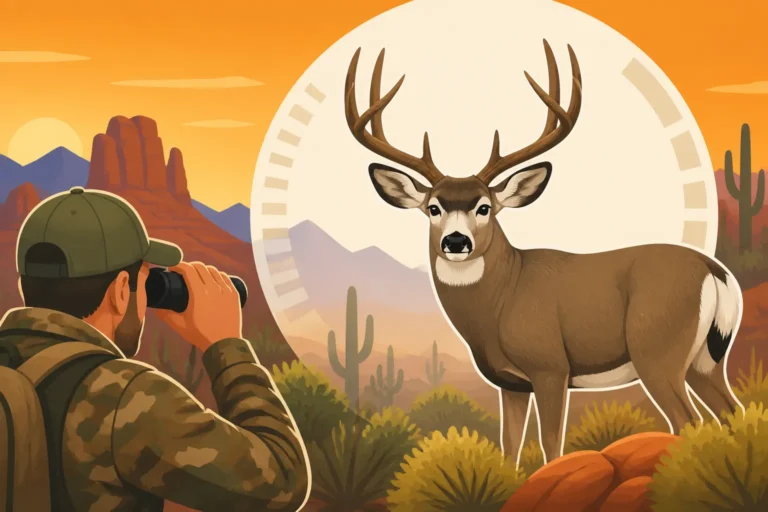
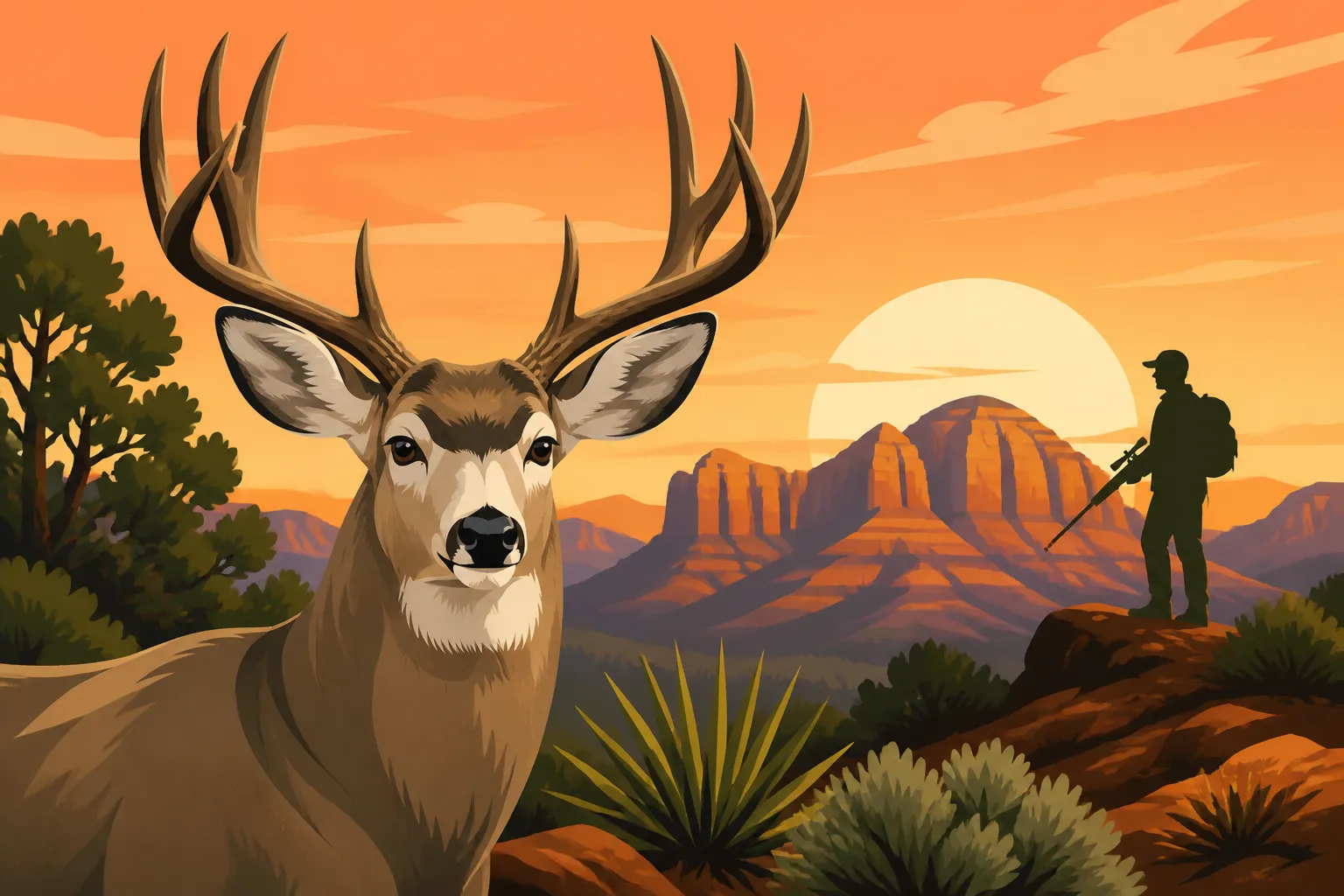
Hunting mule deer in the vast, rugged landscapes of Northern Arizona can be an incredibly rewarding but equally challenging endeavor. Many hunters dream of pursuing these majestic animals against the backdrop of towering ponderosas and deep canyons, but the sheer scale of the country and the difficulty in securing a tag often leave them feeling overwhelmed. This comprehensive guide will peel back the layers of hunting Northern Arizona mule deer, from understanding their unique habitats and behaviors to navigating the complex draw system and honing your hunting strategies, so you can approach your next hunt with confidence and a clear plan.
Understanding Northern Arizona Mule Deer Habitat
Northern Arizona presents a dramatically different picture for mule deer compared to other regions. It’s not just wide-open desert, but a mosaic of high plateaus, deep canyons, and expansive forests that demand a specific approach from hunters. These are resilient animals, perfectly adapted to a landscape that offers both bounty and extreme challenges. Understanding where these deer live and why is the first step toward a successful hunt.
Plateau and Ponderosa Environments
When we talk about Northern Arizona's mule deer country, we're largely looking at the vast plateau regions, particularly those dominated by ponderosa pine forests. Areas like the Kaibab Plateau, the Coconino Plateau, and the various mountain ranges that rise from the desert floor provide critical habitat. These higher elevations, often ranging from 5,000 to over 8,000 feet, receive more moisture, resulting in denser vegetation and cooler temperatures than the lower deserts. This environment provides excellent cover, diverse forage, and crucial thermal regulation for mule deer throughout much of the year.
The ponderosa pine forests, in particular, offer a unique challenge and opportunity. The open understory in many areas allows for long-range glassing, but the sheer density of the trees in others can make deer disappear as if by magic. Mule deer here are adept at using the terrain to their advantage, often bedding on north-facing slopes to escape the sun or tucking into dense pockets of oak brush and juniper. Their preferred diet in these areas often includes mountain mahogany, cliffrose, various forbs, and even ponderosa pine needles when other options are scarce. Hunters need to adapt their scouting and hunting methods to these specific forest types, learning to pick apart shadows and recognize subtle deer sign in the dappled light of the pines. You might spend hours glassing a distant ridge only to find deer materialize from a patch of seemingly barren ground, a testament to their incredible camouflage and ability to blend in.
Strip and Kaibab Mule Deer Reputation
No discussion of Northern Arizona mule deer would be complete without highlighting the legendary Arizona Strip and the Kaibab Plateau. These two areas carry an almost mythical status among big game hunters, known for producing some of the largest mule deer bucks in the world. The reputation is well-earned, rooted in a combination of unique genetics, specialized habitat, and stringent management practices by the Arizona Game and Fish Department (AZGFD). The deer in these regions are often bigger-bodied with wider, heavier antlers, a direct result of the specific environmental factors at play.
The Arizona Strip, located north of the Grand Canyon, is a vast, remote, and incredibly rugged landscape characterized by deep canyons, mesas, and a mix of juniper, pinyon pine, and desert scrub. Access is difficult, and the deer densities can be lower than other areas, but the potential for a truly giant buck draws hunters from across the globe. As a result, tags here are arguably the hardest to draw in the entire state. The deer here are masters of their environment, utilizing every fold in the terrain, every wash, and every pocket of cover to evade detection. The Arizona Strip Mule Deer Reputation is built on these factors, creating a hunt that demands extreme dedication and preparation.
The Kaibab Plateau, also north of the Grand Canyon, is a different beast entirely. It’s a high-elevation plateau covered predominantly in ponderosa pine and mixed conifer forests. Historically, the Kaibab has been renowned for its high deer densities and incredible trophy quality. While populations have fluctuated over the years, the Kaibab still offers exceptional hunting. The deer here benefit from rich forage and cooler temperatures, allowing them to express their full genetic potential. Hunting the Kaibab often involves glassing vast clear-cuts or open timbered slopes, then executing long, careful stalks. For those who manage to draw a tag, the Kaibab Plateau Mule Deer Quality makes it a once-in-a-lifetime experience. The challenge isn't just finding a deer, but finding the right deer among many.
Winter Range and Seasonal Movements
Understanding the seasonal movements of Northern Arizona mule deer is absolutely crucial for planning a successful hunt, whether you're scouting or actually in the field. Unlike some areas where deer might stay relatively localized year-round, mule deer in these higher elevations are often migratory, following the green-up and snow lines. This means their summer ranges, where they grow their antlers and raise fawns, are often high up in the mountains and plateaus, while their winter ranges are at lower elevations, where snow is less deep and forage is more accessible.
These seasonal migrations are driven by food availability and snow depth. As the high country becomes blanketed in snow, pushing deer off their summering grounds, they'll move to south-facing slopes, lower canyon bottoms, and areas with more browse. Conversely, in the spring, as the snow melts and new growth emerges, they'll begin their ascent back to the higher elevations. This means that a unit you scout in July might look drastically different in October or November, with deer concentrated in entirely different areas. For instance, a unit like the Kaibab Plateau will see deer disperse across the plateau during the summer, but as winter approaches, they'll often move down towards the rim or into the canyons surrounding the plateau. Knowing these patterns, often through years of experience or detailed topographical study and tools like GoHunt’s mapping features, can give you a significant advantage. This intimate knowledge helps you pinpoint where the deer are likely to be during your specific hunting season, which often coincides with either the pre-rut or the rut when they're more active.
Key Mule Deer Units in Northern Arizona
Northern Arizona offers a variety of units that hold mule deer, each with its own characteristics, challenges, and rewards. While the "trophy" units get most of the attention and applications, there are other units that can provide excellent opportunities for a memorable hunt if you understand what to expect.
The Allure of the Arizona Strip
The Arizona Strip, encompassing units like 13A and 13B, is a name whispered with reverence and frustration among mule deer hunters. Its allure is undeniable: the potential to harvest a buck of a lifetime, a truly massive animal with heavy antlers. This region, north of the Grand Canyon, is incredibly remote, rugged, and vast, covering millions of acres. It's a land of extremes, with scorching desert heat and deep, labyrinthine canyons that can swallow up hunters and deer alike. The sheer scale and difficulty of the terrain make it a true wilderness hunt.
Drawing a tag for the Strip is famously difficult. Non-residents face even longer odds due to The Nonresident Tag Cap in Arizona. Hunters often accumulate over 20 bonus points before having a realistic chance at one of these coveted tags. The deer densities aren't necessarily high, but the quality of the individual animals can be phenomenal. Hunting the Strip means extensive glassing, covering huge amounts of ground, and being prepared for all conditions. It's a hunt that tests every aspect of a hunter's skill, from physical endurance to mental fortitude. Successful hunters here often rely on months, if not years, of dedicated scouting, usually with the help of e-scouting tools and aerial imagery to identify key water sources, bedding areas, and travel corridors.
Kaibab Plateau's Renowned Bucks
The Kaibab Plateau, primarily Unit 12A and its various subsections, is another iconic Northern Arizona mule deer destination. Unlike the raw desert of the Strip, the Kaibab is a high-elevation forest, famous for its dense populations and large-racked bucks. The plateau rises dramatically from the surrounding lowlands, creating a distinct ecological island that mule deer thrive in. While the Kaibab has seen fluctuations in its deer population over the decades, it remains a top-tier destination for hunters seeking quality mule deer.
Hunting the Kaibab involves navigating vast stretches of ponderosa pine and mixed conifer forests, interspersed with aspen groves and open parks. Glassing is still key, but it often shifts from wide-open desert vistas to picking apart tree lines, clear-cuts, and shaded canyons. Deer densities can be higher here, but the terrain can be deceptively steep and challenging, especially when chasing a buck into a canyon bottom. The Kaibab Plateau Mule Deer Quality is something that draws hunters back year after year, even if it means years of applying for a tag. The rut hunts on the Kaibab are particularly sought after, offering the chance to catch a mature buck on the move, focused on does. Access is generally better than the Strip, with a network of forest roads, but hunters must be prepared for changing weather conditions, including early season snow.
Other Productive Northern Units
While the Strip and Kaibab dominate the conversation, Northern Arizona holds many other excellent units for mule deer. These units might not boast the same draw odds or consistent "monster buck" reputation, but they offer solid opportunities for quality deer and a more accessible hunting experience for many. Units like 6A, 6B, 8, 10, and 23 all hold healthy populations of mule deer and can be incredibly rewarding.
These units often feature a mix of habitats, from ponderosa and Pinyon-juniper forests to more open grasslands and rimrock country. Unit 10, for example, is known for its vast, rugged terrain, offering a challenging but rewarding hunt for those willing to put in the legwork. Unit 8, near Flagstaff, provides good opportunities in diverse terrain ranging from timbered mountains to volcanic flows. What these units might lack in "trophy" reputation, they often make up for in broader access and slightly better draw odds, making them viable options for hunters who don't have decades of points. Researching Best Units to Draw for a Mature Mule Deer is crucial, and utilizing resources like the AZGFD draw statistics and platforms like GoHunt can help you understand the nuances of each unit. Scouting these areas thoroughly, whether through E-scouting an Arizona Unit Before the Season or boots-on-the-ground recon, is paramount to finding success away from the more famous hotbeds.
Here's a quick look at some key northern Arizona mule deer units:
| Unit Name | Primary Habitat | General Draw Difficulty | Key Characteristics |
|---|---|---|---|
| 13A/13B | Desert scrub, pinyon-juniper, deep canyons | Extremely Difficult | The "Arizona Strip." Remote, rugged, low deer density but exceptional trophy potential. Requires extensive planning. |
| 12A | Ponderosa pine, mixed conifer, aspen | Very Difficult | The "Kaibab Plateau." High elevation, dense forest, good deer density, strong trophy potential. Known for rut hunts. |
| 6A/6B | Ponderosa pine, pinyon-juniper, grassland | Moderate to Difficult | Diverse habitat, good deer numbers. Offers a blend of forest and open country hunting. Access is generally good. |
| 8 | Ponderosa pine, volcanic flows, open parks | Moderate | Near Flagstaff. Varied terrain and habitat. Can hold good deer, but often has higher pressure closer to population centers. |
| 10 | Pinyon-juniper, sagebrush, canyons | Difficult | Large, rugged unit with good trophy potential for patient hunters. Access can be challenging in some remote areas. |
Mule Deer Biology and Behavior in Northern Arizona
To consistently find success in hunting Northern Arizona mule deer, it’s not enough to simply know where they live; you need to understand how they live. Their biology and behavior are deeply intertwined with the unique Arizona environment, influencing everything from their daily routines to their seasonal migrations and, crucially, the timing of the rut.
Understanding the Rut Timing
The rut is arguably the most exciting and productive time to hunt mule deer, as bucks become much more visible and less cautious, driven by the instinct to breed. In Northern Arizona, the mule deer rut typically kicks into high gear from late November through mid-December, though some activity can be observed earlier and later. This timing is influenced by various factors, including photoperiod (daylight length), temperature, and even the health and nutrition of the deer herd. Understanding When the Mule Deer Rut Actually Starts in your specific unit is critical because it dictates how and where you should focus your efforts.
During the pre-rut, bucks will begin to cruise, checking scrape lines and scent posts, and engaging in sparring matches to establish dominance. This is a great time to locate mature bucks before the full chaos of the rut begins. When the rut peaks, bucks will be actively chasing does, often disregarding human presence more than usual. This means they might be found in more open areas, or even moving during midday, making them more vulnerable. Hunters with late-season tags often target these periods specifically, hoping to capitalize on a buck's preoccupation. However, this increased activity also means increased hunter pressure in many areas, so finding secluded pockets where deer feel safe is still paramount.
Dietary Habits and Forage
Mule deer are browsers, meaning their diet consists primarily of woody shrubs, forbs, and succulent plants, rather than grasses. In Northern Arizona's diverse habitats, their diet can vary significantly depending on the elevation, plant availability, and time of year. In the higher ponderosa and mixed conifer forests, they will consume cliffrose, mountain mahogany, serviceberry, and various types of oak brush. As they move to lower elevations or into more desert-like areas, their diet might include components like mesquite pods, catclaw acacia, and cacti fruit.
The availability and quality of forage directly impact the health of the deer herd and, by extension, antler growth. Areas with diverse and abundant browse, especially during the spring and summer antler-growing periods, tend to produce larger-antlered bucks. Drought conditions, a common concern in the Southwest, can severely impact forage quality, leading to poorer antler development and lower fawn survival rates. Therefore, understanding the plant life in your unit and identifying key browse species can help you locate prime feeding areas, which are often indicative of where deer will be spending their time, especially during low-light hours. Look for areas with a mix of cover and accessible forage, particularly on north-facing slopes during hot periods or sunny south-facing slopes in colder weather.
Mule Deer Population Trends Across the Southwest
Mule deer populations across the American West, including Arizona, have experienced fluctuations over the years. Several factors contribute to these trends, including habitat loss, drought, disease, and predation. While Arizona manages its mule deer herds actively through hunting regulations and habitat improvement projects, the overall health of the ecosystem plays a significant role in population numbers. The Mule Deer Population Trends Across the Southwest often reflect broader environmental changes, making consistent monitoring and adaptive management crucial.
Drought, in particular, is a major challenge in Arizona, impacting water sources, forage quality, and fawn survival. When dry years persist, it can lead to declines in deer numbers and antler size. Conversely, years with good monsoon rains and healthy winter moisture can lead to population booms and impressive antler growth. AZGFD biologists conduct aerial surveys, fawn survival studies, and harvest data analysis to monitor these trends and make informed decisions about tag allocations. For hunters, being aware of these broader trends can help set realistic expectations and understand why certain units might be performing better or worse in a given year. Checking the AZGFD website for annual hunt reports and unit-specific data can provide valuable insights into the current state of the herd.
Hunting Strategies for Northern Arizona Mule Deer
Hunting mule deer in Northern Arizona requires a blend of patience, persistence, and a keen understanding of both the animal and the terrain. It's a game of vast spaces and subtle movements, demanding specialized tactics to be successful.
The Power of Long-Range Glassing
In the expansive landscapes of Northern Arizona, whether it's the juniper flats of the Strip or the open ponderosa parks of the Kaibab, long-range glassing is not just a strategy—it's the foundation of almost every successful hunt. You simply cannot cover enough ground on foot to find deer effectively in many of these units. Instead, you position yourself on a high vantage point before first light and meticulously pick apart every inch of terrain with high-quality optics. This is where your investment in good gear truly pays off.
You'll need a solid pair of 10x or 12x binoculars, but a high-power spotting scope (20-60x or even 27-80x) on a sturdy tripod is non-negotiable for finding distant deer, let alone judging them. Look for shaded slopes, dense pockets of cover, and the edges of feeding areas. Spend 15-20 minutes, or even longer, thoroughly scrutinizing one small section before moving on. What looks like a rock or a stump through binoculars might reveal itself as a bedded buck under the magnification of a spotting scope. The frustration of staring at seemingly empty country for hours is real, but the reward of finally spotting a distant set of antlers makes it all worthwhile. Remember, mule deer are masters of camouflage; they often look like nothing more than a patch of shade or a broken branch until they move. For more details on choosing the right magnification, consider reading Optics Power for Arizona's Long Desert Sightlines.
Strategic Stalking in Open Country
Once you've spotted a buck, especially in the more open country typical of Northern Arizona, the next challenge is closing the distance for a shot. This is where strategic stalking comes into play, and it's often more difficult than it sounds. Mule deer have incredible eyesight and hearing, and the terrain often offers limited cover for an approach. The key is to use every fold, every wash, every tree, and every change in elevation to your advantage.
Before you take a single step, assess the wind direction carefully; mule deer will bust you on scent almost every time. Plan your route, identifying every piece of cover, no matter how small. Often, a stalk might involve a long, circuitous route, adding miles to your walk but keeping you out of sight. Patience is paramount. Take one step at a time, check your footing, and move slowly. If the deer is bedded, pay close attention to its posture and the movement of its ears. If it looks alert, freeze. Use thermals to your advantage, especially in morning and evening, as they often dictate how air moves up or down slopes. Sometimes, a successful stalk isn't about getting closer, but about getting to a better shooting position without being detected, even if it means a longer shot. Be prepared to wait for the deer to stand or move into a more favorable position, as rushing a stalk is a surefire way to spook the animal.
Reading Sign and Tracking
While glassing and stalking are primary strategies, reading sign and basic tracking skills are still incredibly valuable in Northern Arizona, especially when you're trying to determine deer movements or recover a wounded animal. Fresh tracks, droppings, rubs, and scrapes can tell you a story about deer activity in an area. Finding fresh sign in a bedding area indicates recent use, while a well-used game trail might reveal a preferred travel corridor between feeding and bedding sites.
Understanding the difference between fresh and old sign is key. Fresh tracks will have crisp edges, and fresh droppings will be moist and shiny. Rubs (where bucks rub their antlers on trees) and scrapes (where bucks paw the ground and urinate) are particularly indicative during the pre-rut and rut, signaling where bucks are actively asserting their presence. Tracking a wounded animal, however, is a skill that takes practice and experience. Look for blood, broken branches, disturbed ground, and scuff marks. Mark your last known blood or sign with flagging tape before continuing, and always track slowly and methodically. Even without a wounded animal, following fresh tracks in new snow or soft earth can lead you directly to where deer are feeding or bedding, providing invaluable information for future hunting efforts.
Navigating the Arizona Draw for Mule Deer Tags
For many, the most frustrating part of hunting Northern Arizona mule deer isn't the steep mountains or the elusive animals, but the complex and often disheartening draw system. Arizona's limited-entry draw is highly competitive, especially for quality mule deer units. Understanding how it works is essential to maximize your chances, even if it means playing the long game.
Application Deadlines and Cycles
Arizona operates on two main draw cycles for big game. The primary cycle, which includes deer (both mule deer and Coues deer), sheep, and bison, has an application deadline usually in early to mid-June. This means you need to plan well in advance, often in the spring, to research units, decide on your applications, and gather all necessary information. Missing this deadline means waiting another year, so mark your calendar! The other cycle, for elk and antelope, is typically in February. The Arizona Deer, Sheep and Bison Deadline is an unyielding date, and the online portal closes precisely when it says it will.
Before applying, you need to purchase an Arizona hunting license, which is a prerequisite for submitting any draw application. You'll also pay a non-refundable application fee for each species you apply for. While it seems like a small detail, ensuring your credit card information is up-to-date and that you have sufficient funds to cover the tag fee if you draw is critical, as a declined card can result in losing your hard-earned tag. The application process is entirely online through the Arizona Game and Fish Department's portal, so familiarize yourself with its interface beforehand.
Understanding Draw Odds and Bonus Points
Arizona uses a bonus point system designed to reward loyal applicants while still offering a chance to new hunters. For every year you apply for a species and are unsuccessful in drawing a tag, you earn a bonus point for that species. These points essentially increase your odds in future draws. When you apply, your application enters two "passes": the bonus point pass and the random pass.
In the bonus point pass, a certain percentage of tags (historically 20%) are allocated to applicants with the most bonus points. Your application is effectively entered into the draw once for every bonus point you have. For example, if you have 10 points, your name gets entered 10 times in the bonus point pass. This significantly increases your chances, but it's not a guarantee. After the bonus point pass, the remaining tags are allocated in a random pass, where every application (regardless of points) has an equal chance. This is how someone with zero points can still draw a coveted tag, though it's less common for premium mule deer hunts.
Utilizing resources like GoHunt, which compiles and analyzes draw odds, is incredibly valuable. These platforms break down unit-specific draw odds by point level, helping you make informed decisions about where to apply. They can show you how many points were needed to draw a tag in a specific unit last year, and what your statistical chance is for the upcoming draw. This data helps temper expectations and can guide you toward units that might be more achievable given your current point total. Remember, Do Points Carry Across Arizona Species? No, they are species-specific, so your elk points won't help you with a mule deer tag.
The Nonresident Tag Cap in Arizona
One of the biggest frustrations for out-of-state hunters is the nonresident tag cap. Arizona law dictates that nonresidents can be allocated no more than 10% of the total tags for any given big game hunt. This means that if a hunt code has 100 tags available, only 10 of those can go to nonresidents, regardless of how many bonus points they might have. This cap significantly reduces the odds for nonresident hunters, especially in highly sought-after units like the Arizona Strip or the Kaibab.
This cap interacts with both the bonus point and random passes. While nonresidents can accumulate points, the 10% ceiling means that even with a very high number of points, drawing a premium tag is still extremely difficult and often requires maximum points, plus a good dose of luck. For many nonresidents, the strategy often involves applying for a point-only option for several years to build a substantial bank of points for a dream hunt, while simultaneously looking for more accessible over-the-counter opportunities or less competitive units. It's a long-term commitment, but one that can eventually pay off for those with patience.
Essential Gear and Preparation for Northern Arizona Mule Deer Hunts
Northern Arizona mule deer hunts are physically demanding and often take place in remote, rugged country with unpredictable weather. Having the right gear and being physically prepared are not just about comfort; they are critical for safety and success.
Optics for Vast Landscapes
We've already touched on it, but it bears repeating: your optics are your most important tool for hunting Northern Arizona mule deer. This is not the place to skimp on quality. You'll be spending hours, if not days, behind glass, and good optics will reduce eye strain, provide clearer images, and ultimately help you spot more deer. Invest in the best binoculars and spotting scope you can afford. A pair of 10x or 12x binoculars from a reputable brand (e.g., Zeiss, Swarovski, Leica, Vortex) is a great starting point. Many hunters opt for 15x binoculars on a tripod for extended glassing, providing more magnification than handheld 10s or 12s, but still offering a wider field of view than a spotting scope.
Your spotting scope, usually a 20-60x or 27-80x model, mounted on a lightweight but sturdy tripod, is what allows you to pick apart distant hillsides and actually judge the antlers of a buck you've found. Don't forget a tripod adapter for your binoculars, as even 10x magnification becomes much more stable and useful when mounted. Rangefinders are also essential for judging distance in vast country. Familiarize yourself with all your optics before the hunt, practicing glassing and ranging in varied terrain to become proficient. This practice will serve you well when that trophy buck finally appears on a distant ridge.
Physical Conditioning for Rugged Terrain
Northern Arizona mule deer hunting is not a stroll in the park. Whether you're navigating the deep canyons of the Strip, ascending steep slopes in the Kaibab, or traversing the broken country of units like 10, you will be covering significant mileage over uneven, often rocky, terrain, and at high altitudes. Being physically prepared is paramount, not just for success, but for safety. Exhaustion can lead to poor decisions, missed opportunities, and even injuries.
Start a rigorous fitness regimen months before your hunt. Focus on cardiovascular endurance (hiking with a weighted pack, trail running), leg strength (squats, lunges, step-ups), and core strength. If possible, train in similar terrain and elevation to what you'll encounter on your hunt. Hiking steep trails with a fully loaded pack (mimicking the weight of your gear, water, and potential meat out) is ideal. Don't underestimate the effects of altitude; if you're coming from sea level, plan to arrive a few days early to acclimatize, especially for hunts on the Kaibab Plateau or other high-elevation areas. Your ability to move silently, efficiently, and with stamina can make the difference between getting to that buck and watching him disappear over the horizon.
Choosing Boots for Rocky Desert Ground
Your feet are your most valuable asset on a mule deer hunt, and choosing the right footwear can make or break your trip. Northern Arizona terrain is notoriously tough on boots, with abrasive rocks, loose scree, thorny brush, and often very dry, dusty conditions. A good pair of sturdy, comfortable, and supportive hunting boots is non-negotiable.
Look for boots with stiff soles that can handle sharp rocks and uneven ground without letting you feel every pebble. Good ankle support is crucial for preventing twists and sprains, especially when carrying a heavy pack. Waterproofing is generally a good idea, as you might encounter unexpected rain, snow, or creek crossings, but also consider breathability for hotter early-season hunts. Brands like Kenetrek, Schnee's, Lowa, and Crispi are popular among Western hunters for their durability and performance in rugged terrain. Break in your boots thoroughly before your hunt to avoid blisters. Carry multiple pairs of good quality wool or synthetic socks, as keeping your feet dry and comfortable is key to long days in the field. Reading reviews and trying on several pairs with your typical hunting socks is the best way to ensure you make the right choice for Choosing Boots for Rocky Desert Ground.
Disclaimer
Please remember that hunting regulations, seasons, and tag allocations are subject to change. Always consult the official Arizona Game and Fish Department (AZGFD) regulations booklet and website before planning and executing any hunt to ensure you are in full compliance with current laws. This guide is for informational purposes only and should not be considered a substitute for official AZGFD documentation.