When the Mule Deer Rut Actually Starts
It's one of the most frustrating things for a mule deer hunter: you've put in the time scouting, drawn a coveted tag, but when you hit the field, the bucks are nowhere to be found, certainly not chasing does. The rut, that magical period of intense deer activity, seems to have come and gone, or perhaps it's still weeks away. Understanding precisely when the mule deer rut actually starts in Arizona, and more importantly, what influences it, can be the difference between a frustrating trip and a once-in-a-lifetime encounter. This guide will break down the science, the regional variations, and the practical observations you need to pinpoint those crucial weeks for your next Arizona mule deer hunt.
Understanding the Factors Influencing the Mule Deer Rut in Arizona
The mule deer rut isn't a single, universally fixed date; it's a dynamic period driven by a combination of primary and secondary factors. To truly understand when the rut starts, you need to appreciate these influences, how they interact, and how they can shift the timing from year to year, or even unit to unit, across Arizona's diverse landscapes.
Photoperiod: The Undisputed Primary Driver
Ask any wildlife biologist, and they'll tell you that the most significant factor dictating when the mule deer rut begins is photoperiod – the amount of daylight in a 24-hour cycle. As the days shorten after the summer solstice, a deer's body clock begins to respond to the decreasing light. This isn't something that can be significantly altered by a warm spell or a sudden cold front; it's an ingrained biological trigger that prepares deer for breeding.
Think of it this way: the decreasing daylight hours signal to the deer's endocrine system that winter is approaching, and it's time to reproduce. This ensures that fawns are born in the spring, when forage is plentiful and conditions are milder, giving them the best chance of survival. This biological imperative is why you'll see a general window for the rut each year, regardless of other conditions. The bucks start building their neck muscles and shedding velvet around this time, their testosterone levels surging in response to the light cues. It’s a slow, steady burn-up to the peak of activity, not a switch flipping overnight.
Secondary Influences: Weather, Nutrition, and Moon Phase
While photoperiod sets the overall timeframe, several secondary factors can fine-tune the timing and intensity of the rut, influencing when deer activity is most visible to hunters. These factors don't start the rut, but they can certainly make it more pronounced or push the peak activity within that established window.
Weather, for instance, plays a huge role. A sudden cold snap can often kickstart visible rutting activity, especially after a period of mild weather. Deer, being warm-blooded, are more comfortable moving and expending energy during cooler temperatures. You might notice bucks that were previously nocturnal suddenly appearing in daylight, chasing does with more vigor. Conversely, unseasonably warm weather can suppress daylight activity, making it seem like the rut is delayed or less intense, even if the biological processes are in full swing. Hunters often observe deer "crashing" during a heatwave, only for them to pick up again when temperatures drop.
Nutrition is another crucial element. In years with good rainfall, like a strong monsoon season, forage is abundant. This can lead to healthier does that come into estrus earlier and bucks that are in better condition, potentially influencing the timing of breeding. Conversely, a prolonged drought, which Arizona is certainly no stranger to, can stress deer populations. Poor nutrition might delay the does coming into estrus, or lead to less intense buck activity, as they conserve energy. This can shift the peak of the rut later in the season. Resources like How Drought Affects Desert Deer Numbers can help you understand these ecological impacts.
Finally, the moon phase is a topic of endless debate among hunters. While not a scientific primary trigger, many hunters swear by the "dark of the moon" or the "full moon" theories. The general consensus among many experienced hunters is that a full moon can push deer activity more into the nocturnal hours, as the extra light allows them to move and feed under cover of darkness. This can make daylight rutting activity appear subdued. Conversely, a new moon phase, offering darker nights, might encourage deer to be more active during daylight hours to accomplish their breeding tasks. While scientific studies often yield mixed results on the moon's direct impact on rut timing, its effect on visible daytime activity is something many hunters observe and plan around.
Predicting the Peak: When to Expect the Most Action
Knowing when the rut starts is one thing, but understanding when it truly peaks – when bucks are most actively chasing does and receptive to calls – is the real goal for many hunters. While the general window is relatively consistent, pinpointing that specific sweet spot requires observation, historical data, and an understanding of the subtle cues.
General Rut Timing for Arizona Mule Deer
In most of Arizona, particularly the central and northern regions where mule deer are prevalent, you can generally expect the pre-rut to begin in late November. This is when bucks start to become more aggressive, rub trees, make scrapes, and begin sparring with other bucks, establishing dominance. They're feeling the hormonal surge and are starting to cruise, looking for the first does to come into estrus.
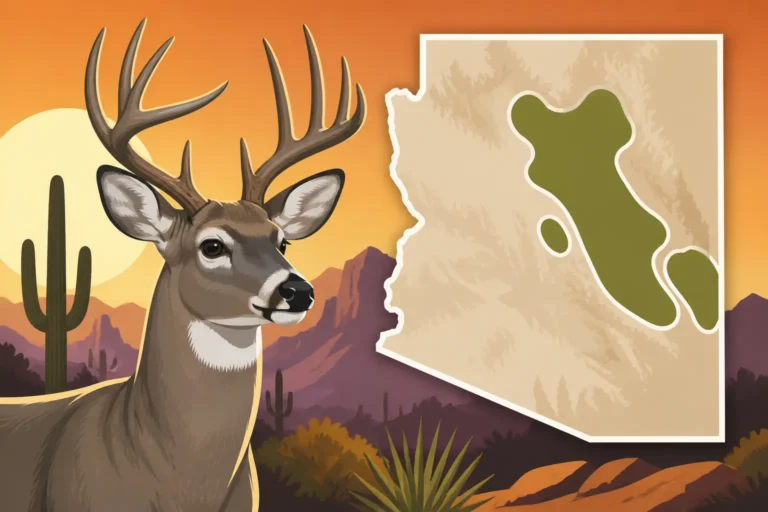
The peak rut activity, where you'll see the most intense chasing, breeding, and vocalizations, typically occurs from mid-December through the first two weeks of January. This is often described as the "hard rut." During this period, bucks are often singularly focused on does, making them potentially less wary and more susceptible to calling or decoying tactics. As January progresses, the rut begins to wind down, with fewer does coming into estrus and bucks becoming exhausted from their breeding efforts. This post-rut period can still offer opportunities, as some weary bucks may be easier to spot as they recover and seek food. For a broader overview of where these majestic animals live, check out Mule Deer Across Northern Arizona.
It's important to remember that these are general guidelines. A "peak" doesn't mean every doe is in estrus on the same day. It's a wave of activity that ebbs and flows over several weeks.
Observing Pre-Rut Signs and Deer Behavior
To really hone in on the rut's progression, you need to become a keen observer of deer behavior and environmental signs. The woods, or in Arizona's case, the juniper and pinyon country, will tell you a story if you're paying attention.
In the weeks leading up to the main event, start looking for increasing rub and scrape activity. Bucks will rub their antlers on saplings and small trees, removing velvet and marking their territory with scent. Scrapes, patches of ground pawed bare by bucks, with an overhanging branch often licked, are another clear sign. These are communication hubs for deer. Fresh rubs and scrapes indicate bucks are in the area and actively asserting their presence.
Observing bucks sparring or trailing does is another strong indicator. Initially, it might be playful pushing, but as the rut intensifies, these interactions become more aggressive and purposeful. Does that appear "jittery" or are being constantly pestered by smaller bucks are likely close to or in estrus. You might even hear more vocalizations from deer – bucks grunting or rattling their antlers as they move through the brush. Using a tool like E-Scouting an Arizona Unit Before the Season can help you identify potential travel corridors where you might witness these behaviors.
Another subtle cue is how often you see bucks moving during daylight hours. During the early pre-rut, bucks might still be mostly nocturnal or crepuscular, moving at dawn and dusk. As the rut ramps up, their singular focus on breeding often overrides their caution, making them more visible throughout the day, particularly during cooler periods. This increased daylight movement is a prime indicator that the rut is on.
Regional Variations Across Arizona's Mule Deer Habitat
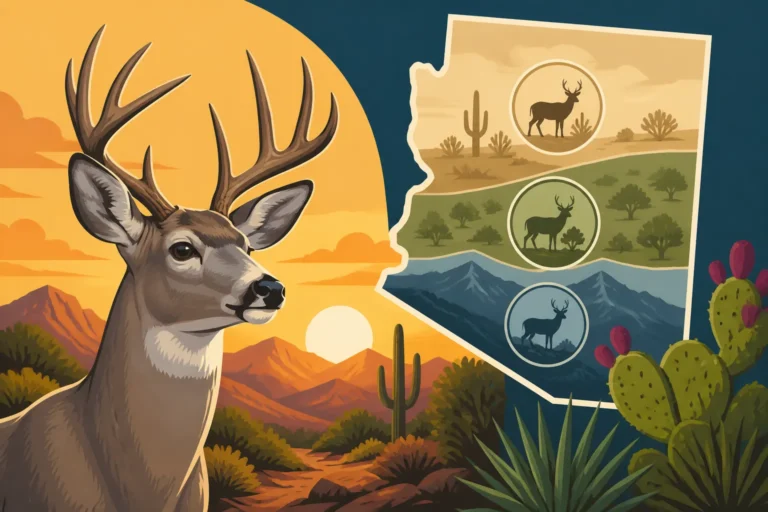
Arizona is a state of incredible topographical and ecological diversity, and this diversity means that while the core timing of the mule deer rut is consistent, the exact start and peak can vary slightly depending on the specific region, particularly when considering elevation and habitat type.
High Elevation vs. Lower Desert Rut Timing
Generally speaking, mule deer in the higher elevations of Arizona, such as the Kaibab Plateau or the Mogollon Rim, tend to have a slightly earlier rut than those in the lower, warmer desert regions. This shift is typically a matter of a week or two, rather than a month, but it can be significant for hunters.
In the high country, where winter often arrives earlier and can be harsher, the deer's biological clocks are set to ensure fawns are born when spring green-up occurs. This means the peak breeding often happens in mid-December, perhaps pushing into late December. Hunters pursuing deer in areas like Unit 9, famous for its Kaibab Plateau Mule Deer Quality, or high-elevation units on the Mogollon Rim, would likely focus their efforts in this timeframe. These deer often experience colder temperatures sooner, which can visibly accelerate activity. Knowing Where Mule Deer Winter on the High Plateaus can also give you clues as deer move into those areas.
Conversely, mule deer inhabiting the lower, warmer desert regions, such as the Bradshaw Mountains or even the foothills of the Sky Islands, might see their rut peak a bit later, often from late December through the first two weeks of January. These areas experience milder winters, and the spring green-up might be slightly delayed compared to the high country. Therefore, their breeding cycle adjusts accordingly. This slight difference emphasizes the importance of understanding the specific unit you're hunting. For example, the deer found in the general "Arizona Strip" region can encompass a range of elevations, leading to slightly varying rut timings depending on which specific unit within the Strip you are targeting. This is why tools like GoHunt's unit data can be so helpful in narrowing down the specifics.
How Different Habitats Affect Hunter Strategy
The varied habitats across Arizona not only influence rut timing but also dictate how hunters approach the rut. In the dense timber and pinyon-juniper forests of the high country, visibility is often limited. Here, hunters might rely more on still-hunting, tracking, and listening for vocalizations. The cooler temperatures during the rut mean deer are more likely to be active throughout the day, offering more opportunities for spot-and-stalk or still-hunting through cover.
In the more open, glassing-intensive landscapes of many lower desert and transition zone units, the rut can present incredible opportunities for long-range glassing. Bucks, often more focused on does, might expose themselves for longer periods. This is where patience and high-quality optics become paramount. Imagine setting up on a desert ridge at dawn, glassing vast expanses of creosote and mesquite, hoping to spot a buck relentlessly pursuing a doe. In these areas, learning Field Judging a Mule Deer Buck Quickly becomes a critical skill as they might be moving fast.
Understanding these regional and habitat differences is key to successful rut hunting. A strategy that works perfectly on the Kaibab might be completely ineffective in a Sonoran Desert foothill unit. Always tailor your approach to the specific terrain and deer behavior you're encountering, keeping the overall rut window in mind.
Tactics for Hunting the Arizona Mule Deer Rut
Hunting during the mule deer rut is often considered the holy grail by many, offering unique opportunities as bucks let down their guard. However, it requires specific tactics tailored to this intense period of deer activity.
Glassing and Spot-and-Stalk During the Peak
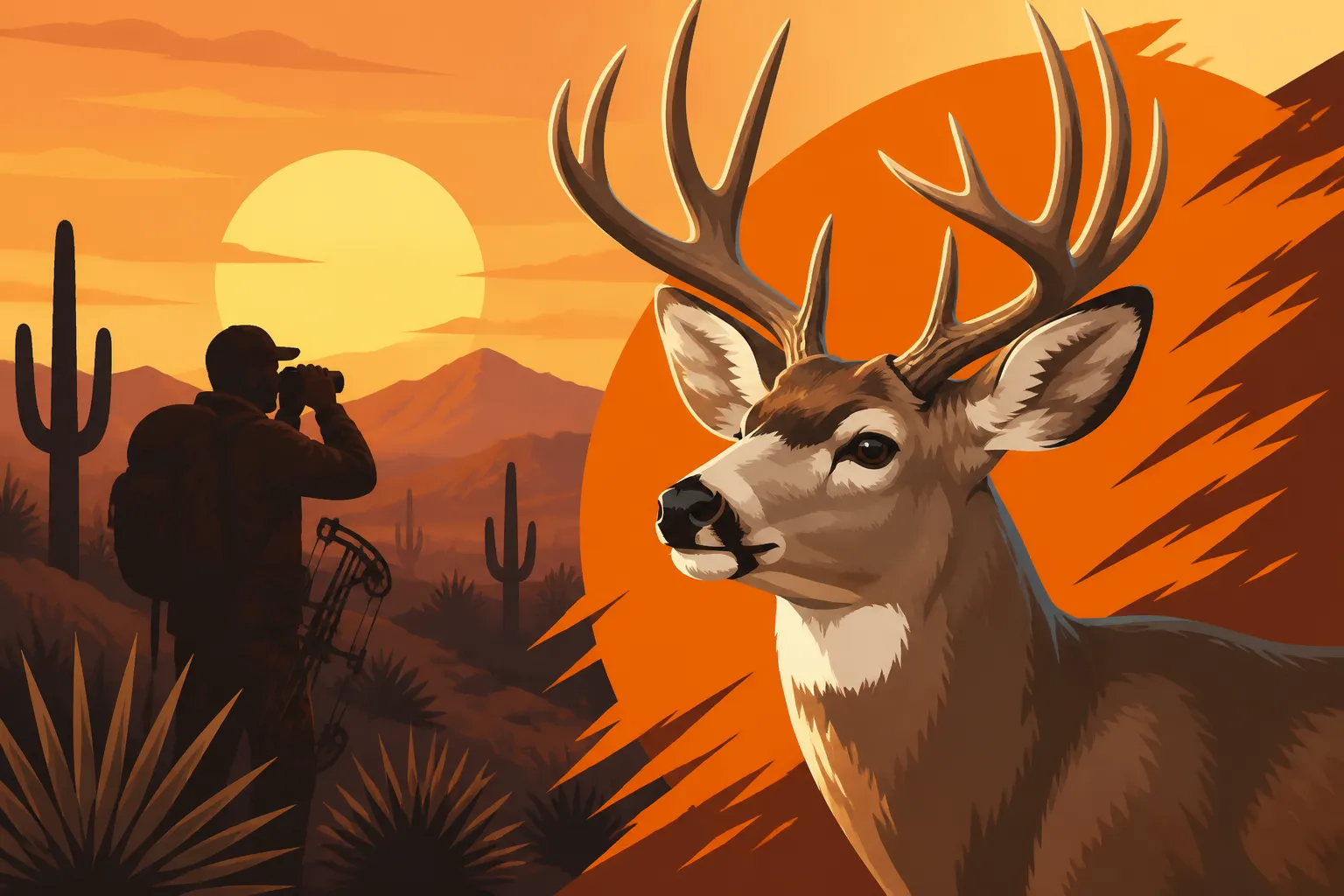
During the peak of the rut, bucks are often singularly focused on does, making them less cautious and more visible. This is where glassing and spot-and-stalk tactics truly shine in Arizona's open landscapes. Whether you're in the rolling juniper hills or the vast desert washes, finding a vantage point and spending hours behind good optics is your best bet.
Start your day by getting to a high point before first light. Scan the terrain meticulously with binoculars and a spotting scope. Look for any movement, a flick of an ear, a patch of antler, or the tell-tale white rump patch of a deer on the move. Pay close attention to south-facing slopes in colder weather, as deer will often try to catch the morning sun. Look for does first; where the does are, the bucks will follow. When you spot a buck, especially one actively trailing a doe, assess the situation carefully. Consider the wind, terrain features that can provide cover, and the deer's likely travel path.
The key to a successful spot-and-stalk during the rut is patience and stealth. Bucks can be erratic when chasing does, often moving quickly or disappearing into thick cover. Be prepared for long stalks and multiple attempts. Sometimes, letting the deer settle down or waiting for them to enter a more favorable position is the smarter move. Utilizing mapping applications can help you plan your approach, understanding the contours and cover available. Tools like GoHunt can help you visualize the terrain beforehand, identifying potential stalking routes and areas where deer might bed during the day after a night of chasing.
Calling and Decoying Rutting Bucks
While less common than glassing, calling and decoying can be incredibly effective during the mule deer rut, especially when bucks are in a receptive mood. This works because bucks are constantly on the lookout for receptive does or challengers to their dominance.
Fawn bleats and doe bleats can be highly effective for drawing in curious bucks, as they might interpret the sound as a doe looking for company, or a lost fawn that could lead them to a group of does. Use these calls sparingly and realistically. A series of soft bleats, followed by silence, can pique a buck's interest. Buck grunts, especially dominant grunts or tending grunts (made by a buck when he's with a hot doe), can also challenge other bucks and draw them in. Sometimes, simply rattling antlers or clashing shed antlers together can mimic a fight, drawing in bucks looking for a challenge or curious to see who's fighting over does.
Decoys, particularly doe decoys, can be a game-changer. Position a doe decoy to simulate a receptive female, especially in open country where it can be seen from a distance. A buck seeing a "new" doe, especially one seemingly unattended, might charge in to investigate or try to cut her off. Some hunters use buck decoys, which can also challenge a dominant buck. Always be aware of your surroundings and hunting partners when using decoys, as they can draw in other hunters as well. For those hunting specific, sought-after units, remember to consult guides on how to apply, such as Why Arizona Splits Its Draw Into Two Cycles, to secure those precious rut tags.
| Rut Stage | General Timing (Arizona) | Buck Behavior | Hunter Strategy |
|---|---|---|---|
| Pre-Rut | Late November – Mid-December | Increased rubs & scrapes, sparring, cruising, less intense chasing | Scouting, locate travel corridors, early morning/late evening glassing |
| Peak Rut | Mid-December – Early January | Intense chasing, breeding, active during daylight, aggressive | Spot-and-stalk, calling, decoying, focus on doe groups |
| Post-Rut | Mid-January – February | Bucks tired, seeking food/cover, less chasing, some late breeding | Locate weary bucks, focus on food sources, still-hunting |
Ultimately, successful rut hunting in Arizona hinges on a combination of knowing the general timing, adapting to regional nuances, and meticulously observing deer behavior in the field. Utilize all available resources, from historical data to mapping tools from providers like GoHunt, and you'll dramatically increase your chances of connecting with a mature mule deer buck during this exciting time of year. Reading an Arizona Unit Boundary Before You Apply will also help you narrow down the specific areas you wish to scout and hunt.
Disclaimer
This article is for general informational purposes only and does not constitute professional advice. Laws, prices and regulations vary by location and change over time. Consult a qualified professional for guidance on your specific situation.