Where Coues Deer Live and Why
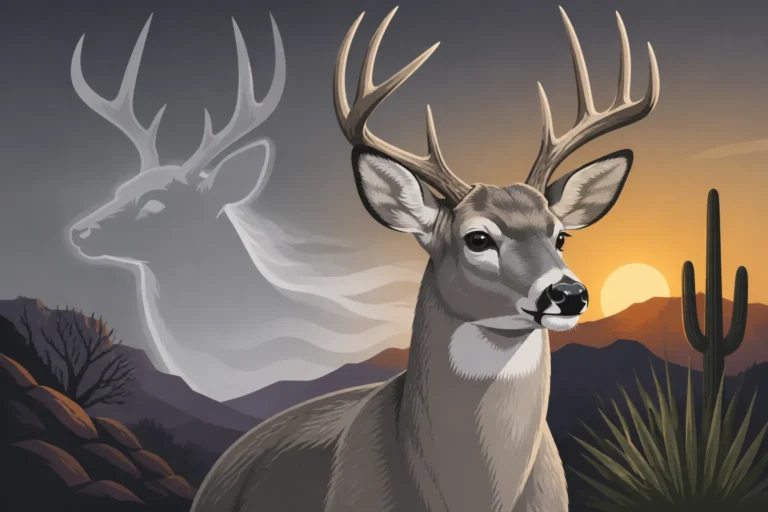
If you've ever spent time glassing the vast, rugged landscapes of southern Arizona, you know the frustration of searching for a phantom. Coues deer, often called "gray ghosts," are notoriously elusive, blending seamlessly into their harsh desert mountain homes. It's a real challenge, and it's easy to feel like you're looking for a needle in a haystack. This guide is going to pull back the curtain on exactly where these incredible animals live and, more importantly, why they choose these specific, often unforgiving, environments. We'll dive deep into their habitat preferences, pinpoint prime regions, and explore the critical factors that dictate their presence, giving you a much better understanding of how to find them.
Understanding the Coues Deer Habitat Preferences
Coues deer aren't just any whitetail. They're a subspecies perfectly adapted to the unique and often brutal conditions of the American Southwest. They thrive where other deer might struggle, and understanding their preferences is the first step to finding them. It's not just about "mountains" or "desert"; it's about a very specific combination of factors that make a piece of ground Coues heaven.
The Sky Islands: A Unique Ecosystem
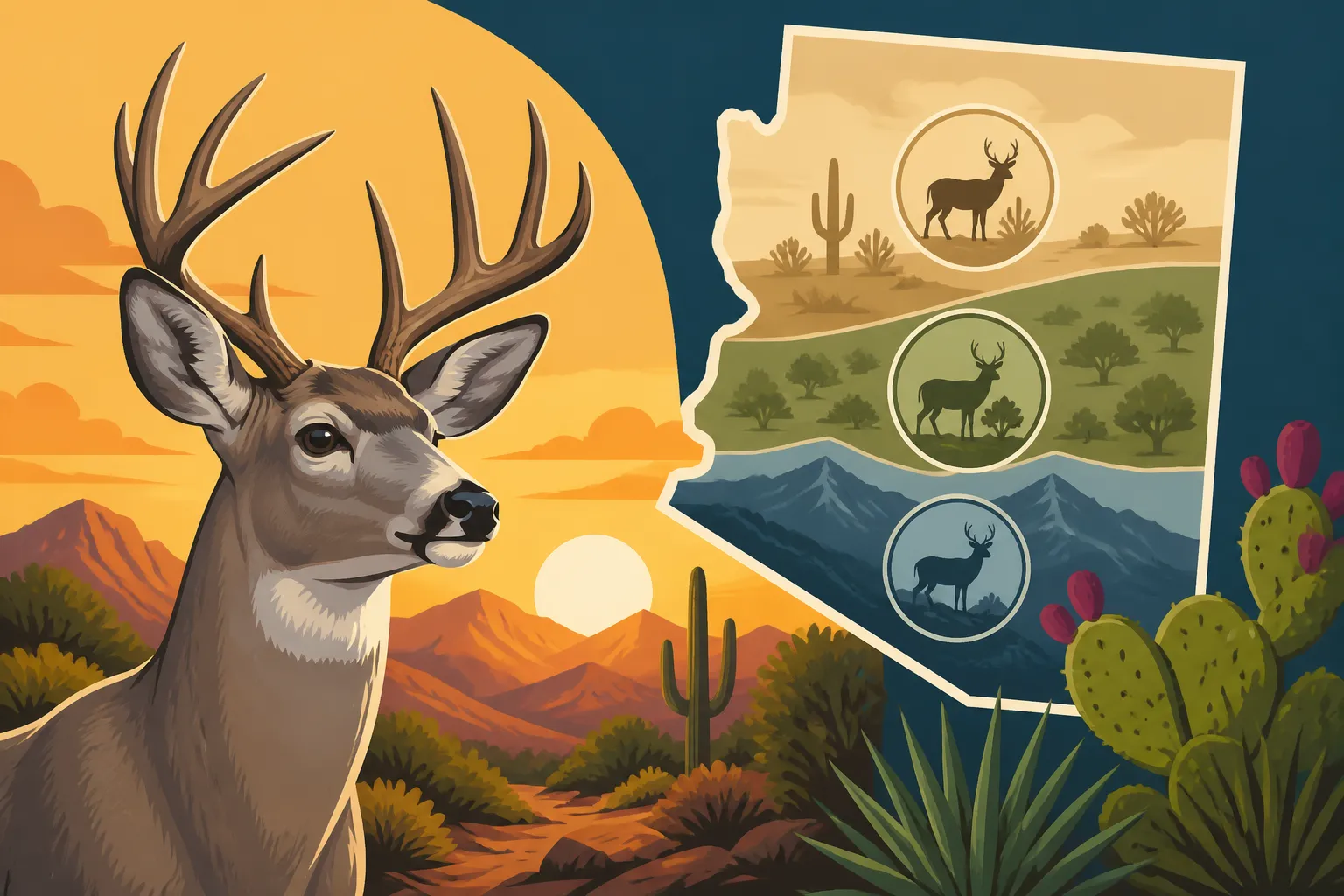
When we talk about Coues deer, we inevitably talk about Arizona's "Sky Islands." Imagine vast, flat desert plains, and then, seemingly out of nowhere, mountains rising dramatically, sometimes thousands of feet into the sky. These isolated mountain ranges are like biological islands, creating cooler, wetter environments that are drastically different from the surrounding lowlands. They're literally islands of forest and grassland in an ocean of desert, and they are absolutely crucial to the Coues' existence.
These elevation changes bring different vegetation types, from saguaro and prickly pear cacti at the base to oaks, junipers, and even pines and firs at higher altitudes. This creates a smorgasbord of forage and, critically, dense thermal cover. Coues deer use these varied elevations not just for food but also to escape the intense desert heat in summer and find sheltered pockets in cooler months. Water sources, often more prevalent at higher elevations due to snowmelt or natural springs, are another key draw, providing vital hydration in an otherwise parched landscape. These "The Sky Island Ranges That Hold Coues" are the foundation of their world.
Adapting to Arid Environments
You won't find Coues deer lounging in lush river bottoms like their eastern whitetail cousins. These deer have evolved to not just survive but flourish in some of the most arid environments in North America. Their small size and sleek, gray-brown coats are perfect camouflage against the rocks and sparse vegetation of their homes. This coloration earns them the nickname "gray ghosts," a title well-deserved as they can disappear in plain sight.
They're masters of conserving water, getting much of their moisture from the succulent plants they browse, like agave and prickly pear. But make no mistake, water is still essential. They will travel significant distances to reach permanent sources, especially during prolonged dry spells. Their ability to remain still and blend in, often relying on their incredibly keen senses, is a testament to their adaptation. They aren't going to stand out; they're going to melt away, which is why "Why Coues Deer Are Called Gray Ghosts" is something every hunter quickly understands.
Vegetation: Their Dining Table and Bedroom
If you want to find Coues, you need to understand their grocery store and safe haven. They are primarily browsers, munching on a wide variety of plants that most other animals wouldn't touch. Oak brush, mountain mahogany, juniper, manzanita, and various forbs are high on their menu. The density of this vegetation isn't just about food; it's about cover. Thick, thorny brush provides protection from predators and the elements.
They love slopes that offer both food and a quick escape route. You'll often find them bedding down in dense thickets on north-facing slopes during hot days, where the sun's intensity is reduced. As temperatures drop, they might shift to south-facing slopes to soak up warmth. This strategic use of vegetation and terrain for both sustenance and security is a hallmark of Coues deer behavior. If you see a hillside covered in mixed oak and juniper, especially with some rocky outcroppings, you're looking at prime Coues habitat.
Prime Geographic Regions for Coues Deer in Arizona
While Coues deer are found across parts of Arizona, New Mexico, and Mexico, Arizona truly stands out as the place to pursue these unique whitetails. Within the state, certain regions consistently produce better opportunities than others, largely due to the prevalence of their preferred Sky Island habitat.
Southeastern Arizona: The Heart of Coues Country
Without a doubt, southeastern Arizona is the epicenter of Coues deer hunting. This region is a labyrinth of mountain ranges that perfectly fit the Sky Island description, rising dramatically from the Sonoran Desert floor. Iconic ranges like the Santa Rita Mountains, Huachuca Mountains, Chiricahua Mountains, Whetstone Mountains, and the Galiuro Mountains are all classic Coues strongholds. These mountains are often rugged, steep, and demanding, but they offer the dense cover, varied forage, and scattered water sources that Coues deer need to thrive.
Specific units within this region, such as Unit 36A, 36B, 36C (Santa Ritas, Atascosas), Unit 35A (Huachucas), and Unit 29 (Chiricahuas, Galiuros), are renowned for their Coues populations and trophy potential. Hunters often apply for these units year after year, recognizing them as the "Best Units to Draw for Coues Deer." The challenges here are real – steep climbs, thick brush, and sometimes vast distances to cover – but the rewards can be incredible. A hunter seeking to understand the landscape deeply will find that "Hunting the Santa Rita Mountains" is a quintessential Coues experience, requiring patience and a good set of optics.
Central and East-Central Arizona: Pockets of Opportunity
As you move north and west from the core southeastern region, Coues deer populations generally become less dense, but significant pockets of opportunity still exist. Areas like the Mazatzal Mountains (Units 22, 23) within the Tonto National Forest, and even parts of the Pinaleno Mountains further east (Unit 27), hold good numbers of Coues. These areas still offer the necessary elevation, cover, and water, albeit sometimes in slightly different configurations than the classic Sky Islands.
For instance, the Mazatzals offer incredibly rugged, steep terrain, characterized by a mix of chaparral and pine forests at higher elevations. While the densities might not be as high as in the southeast, these areas can provide excellent hunting for those willing to put in the effort. The challenges might involve even more remote access and more vertical climbing, making for a truly physical hunt. They are great choices for hunters looking for a less crowded experience, though success might require even more dedicated scouting and persistence.
Northern and Western Arizona: Rarer Sightings
While Arizona is rich in diverse landscapes, the northern and western parts of the state are generally not considered prime Coues deer habitat. These regions are dominated by different ecosystems—the vast plateaus of mule deer country, the open grasslands of pronghorn, or the lower, hotter Sonoran Desert that lacks the necessary elevational relief for sustained Coues populations.
You might find isolated groups of Coues deer in specific canyon systems or riparian areas where conditions mimic their preferred habitat, but these are exceptions rather than the rule. A dedicated Coues hunter would typically focus their efforts much further south and east, where the consistent presence of Sky Islands offers a much higher probability of encountering these unique whitetails. For hunters focused on Coues, the focus remains primarily on the southern half of the state.
Here's a quick look at some key Coues deer habitats:
| Region | Primary Mountain Ranges | Key Habitat Features | Typical Challenges |
|---|---|---|---|
| Southeastern Arizona | Santa Rita, Huachuca, Chiricahua, Galiuro, Whetstone | Classic "Sky Islands" with diverse vegetation from desert floor to pine forests, numerous canyons | Steep, rugged terrain, thick brush, high heat, remote access |
| Central/East-Central Arizona | Mazatzal, Pinaleno, Santa Teresa | Steep, rugged mountains with chaparral, oak brush, and some pine forests, often more isolated | Very steep climbs, thick cover, lower deer densities, less consistent water |
| Northern/Western Arizona | Isolated canyons, riparian areas | Limited, localized pockets of suitable habitat, generally less ideal overall | Very low deer density, difficult to locate, not primary Coues range |
Factors Influencing Coues Deer Distribution and Numbers
Understanding where Coues deer live is one thing, but knowing why they are found in certain spots within those regions, and why their numbers fluctuate, adds another layer of crucial knowledge. Several environmental factors play a significant role, and a smart hunter pays attention to all of them.
Water Availability: The Lifeblood of the Desert
In the arid Southwest, water is life, and that's especially true for Coues deer. While they are incredibly adapted to dry conditions, they still need water, particularly during the hot, dry spells before the monsoons or during prolonged droughts. Their distribution is often tied directly to natural springs, seeps, stock tanks, and even man-made guzzlers. During dry times, these water sources become magnets, drawing deer from miles around.
Smart hunters know to identify these water points on their maps and understand that deer movement will often revolve around them. Scouting around water sources can reveal fresh tracks and other sign, giving clues to local deer activity. However, hunting directly over water can also be a double-edged sword, as it can be pressured and often means long, static waits. Still, recognizing the critical role of water, particularly in dry years, is non-negotiable for finding these animals. "Water Sources That Concentrate Arizona Desert Game" are always worth noting.
Elevation and Aspect: Finding the Right Comfort Zone
Coues deer are masters of using elevation and slope aspect to their advantage, maximizing comfort and minimizing energy expenditure. During the scorching summer and early fall, they will typically be found at higher elevations where temperatures are cooler, and forage is often greener due to increased moisture. Within those elevations, north-facing slopes, which receive less direct sunlight, become prime bedding areas, offering shade and cooler temperatures throughout the day.
Conversely, during colder winter months, Coues deer might drop to lower elevations or favor south-facing slopes, which absorb more sunlight and provide warmth. This seasonal migration, even if subtle, is crucial to understand. When "Reading Wind on a Sky Island Stalk," remember that thermals often dictate morning and evening movement, pushing scent up or down the mountainsides as temperatures change. Knowing which slopes offer shade or warmth at different times of the year and day can help you predict where deer will be bedded or feeding.
Hunting Pressure and Refuge Areas
Just like any big game animal, Coues deer react to hunting pressure. Areas with easy access, close to roads, or that receive a lot of hunter activity will often see deer become more nocturnal or retreat into thicker, more rugged, and less accessible terrain. This is where the "gray ghost" reputation truly comes alive. A buck that has been bumped will often vanish into a virtually impenetrable thicket or scale a steep, rocky face that most humans would avoid.
Therefore, finding success often means looking for those "refuge areas"—places that are difficult to access, either due to distance from roads, dense vegetation, or extreme topography. Wilderness areas, deep canyons, and steep, brushy slopes that require significant physical effort to reach often hold the most unpressured deer. These areas may not have higher deer densities per se, but the deer that live there are more likely to exhibit natural patterns and be visible during legal shooting hours. Learning to spot these hidey-holes from afar is part of the art of "Glassing Arizona's Sky Islands for Coues Deer."
Scouting and Finding Coues Deer in Their Habitat
Finding a Coues buck is less about luck and more about methodical preparation and persistent effort. These deer demand a different approach than many other big game species, combining technology with traditional fieldcraft.
E-Scouting: Your Digital Reconnaissance
Before you ever set foot in the field, you should be deep into e-scouting. This involves using online mapping tools to virtually explore your unit. Programs and platforms like GoHunt provide invaluable satellite imagery, topographical maps, and public/private land ownership overlays. You can identify potential bedding areas (dense, brushy slopes, especially north-facing ones), likely travel corridors (ridges, saddles, washes), and crucial water sources. Look for changes in vegetation, rocky outcroppings, and any feature that breaks up the landscape and could offer cover.
This digital reconnaissance allows you to narrow down vast areas into manageable sections, making your time in the field much more efficient. You can pre-plan routes, identify potential glassing knobs, and even anticipate challenges like steep terrain or difficult access points. Learning "E-Scouting an Arizona Unit Before the Season" is a fundamental skill for any Coues hunter, allowing you to maximize your limited time in the field. Don't just look at the map; study it, imagining how a deer would use every contour and patch of cover.
Boots-on-the-Ground Scouting: Confirming Your Intel
Once you've done your homework with e-scouting, it's time to hit the ground. Boots-on-the-ground scouting is where you confirm your theories and find tangible evidence of deer presence. Look for fresh tracks, scat, rubs on small trees or brush, and especially well-used game trails leading to and from bedding areas, feeding zones, or water. Pay close attention to subtle details, as Coues deer sign can be faint.
The most effective method for finding Coues, however, is glassing. This means finding a high vantage point, setting up a quality spotting scope and binoculars (understanding "Optics Power for Arizona's Long Desert Sightlines" is key), and meticulously picking apart the opposing hillsides. This is where patience is not just a virtue, but a necessity. Spend hours behind the glass, slowly scanning every shadow, every patch of brush, and every rock outcropping. Many Coues bucks are found bedded or moving slowly, and a quick glance will almost always miss them. This dedicated effort is why "Why Coues Deer Reward Patience Over Movement" is a common refrain among successful hunters.
Timing is Everything: Rut, Weather, and Season
The timing of your hunt and scouting efforts can significantly impact your success. The Coues deer rut typically peaks in late December and January, making these periods highly sought after. During the rut, bucks become more active and less cautious, often moving in daylight and covering more ground in search of does. This increased activity makes them much more visible and vulnerable. Knowing "When the Coues Rut Peaks" can dictate your application strategy.
Beyond the rut, consider the weather. Monsoons in late summer can bring much-needed moisture, greening up browse and temporarily changing deer patterns. Cooler temperatures in the fall can increase daytime activity. Early archery seasons, often in August, present unique challenges due to extreme heat, pushing deer to be mostly nocturnal or to seek the coolest, shadiest spots during the day. Understanding these seasonal shifts and how they affect Coues deer behavior is crucial for effective scouting and hunting, and can help immensely when it comes to "Judging a Coues Buck in the Field" while he's on the move.
Disclaimer
This article is for general informational purposes only and does not constitute professional advice. Laws, prices and regulations vary by location and change over time. Consult a qualified professional for guidance on your specific situation.