Why Coues Deer Are Called Gray Ghosts
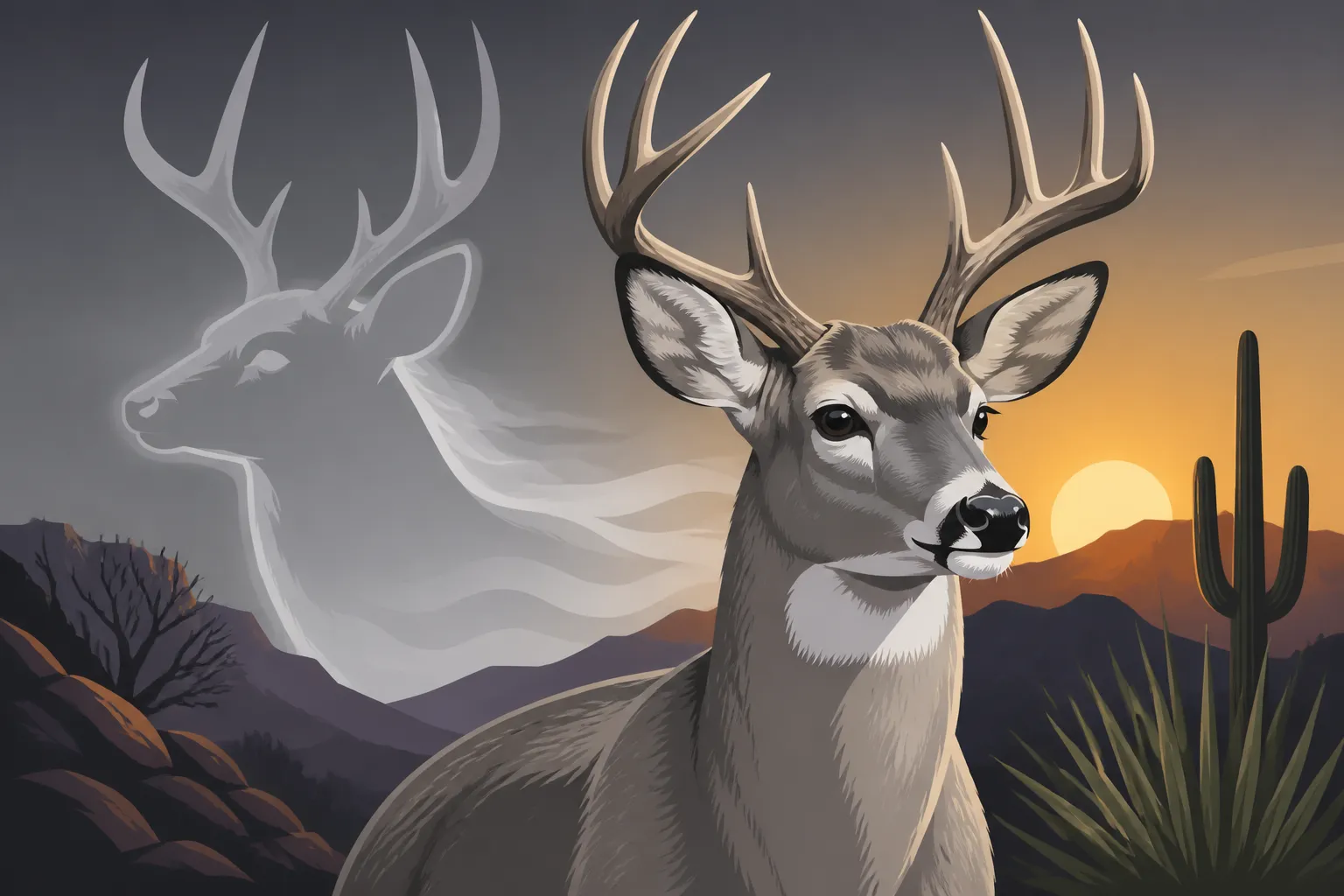
Anyone who has spent time hunting the high deserts and mountain ranges of Arizona knows the profound frustration and ultimate reward of pursuing Coues deer. These diminutive whitetails, often overshadowed by their larger mule deer cousins, have earned a legendary nickname: "the gray ghosts." It’s a title that perfectly encapsulates their uncanny ability to vanish into seemingly sparse terrain, leaving hunters scratching their heads and wondering if they ever saw a deer at all. This guide is dedicated to unraveling the mystery behind this elusive creature, exploring the biological and behavioral traits that make them such masters of disguise, and offering insights into the unique challenges and strategies involved in trying to unmask them.
The Biology Behind the "Gray Ghost" Moniker
The "gray ghost" isn't just a catchy phrase; it's a descriptor rooted deeply in the biology and evolutionary adaptations of the Coues deer. These animals are perfectly engineered for survival in their specific, often unforgiving, Arizona habitats. Understanding these fundamental traits is the first step in appreciating why they are such a challenge to spot, let alone harvest.
Size and Coloration as Camouflage
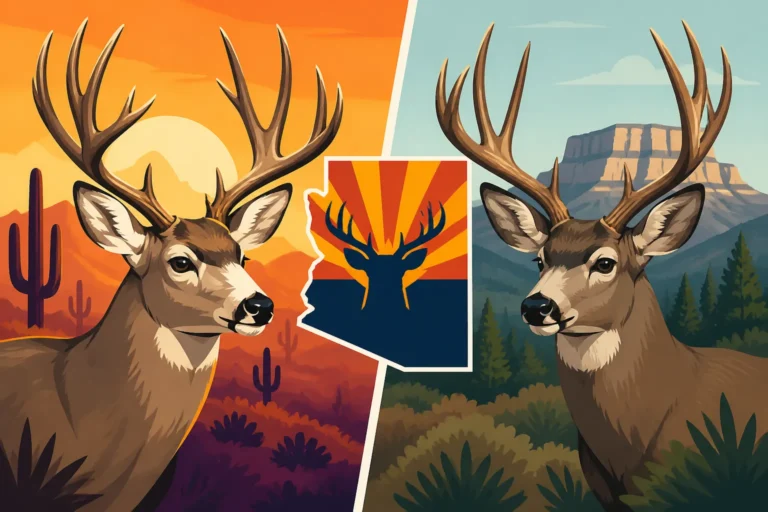
One of the most immediate reasons Coues deer blend so seamlessly into their environment is their size and coat color. Unlike the larger mule deer, which can stand out against many backdrops, Coues deer are notably smaller, often weighing barely over 100 pounds for a mature buck, sometimes even less for a doe. This smaller profile alone makes them harder to detect at the vast distances typical of Arizona hunting. When you're glassing a mountain slope that stretches for miles, a deer that might be the size of a large dog is inherently going to be more difficult to pick out than something the size of a small pony.
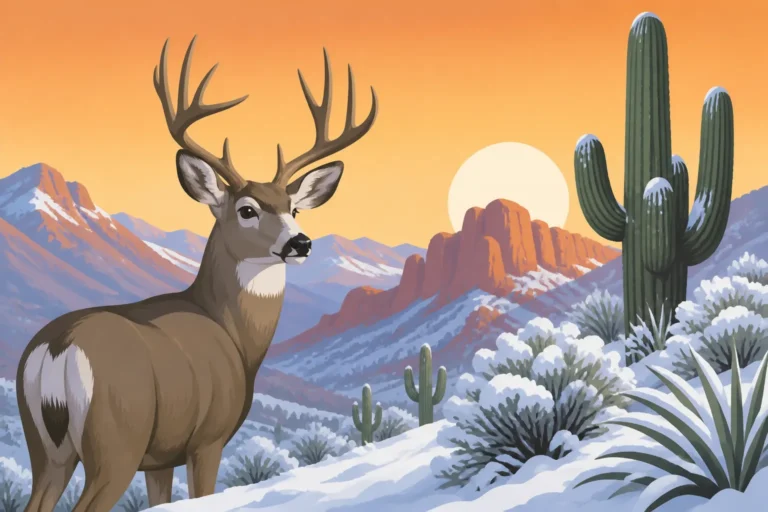
Their coat coloration is the other half of this biological camouflage. Their fur is typically a muted gray-brown, often lighter on the belly and darker along the back, but the overall effect is one of blending with the scrub, rocks, and shadows that characterize their home range. Imagine a light dusting of snow on the peaks or the pale, sun-baked granite of a canyon wall – their coloration mimics these natural tones perfectly. In the shifting light of dawn and dusk, or when tucked into the dappled shade of a mesquite tree, their gray coats seem to absorb the surrounding hues, making them appear to shimmer and fade into nothingness. It's not that they're invisible, but their natural coloring makes them incredibly difficult to differentiate from the background, especially when they are stationary or moving slowly through cover. This is a critical factor when hunters are trying to judge a Coues buck in the field, as they can simply seem to materialize and disappear.
Habitat and Terrain Preference
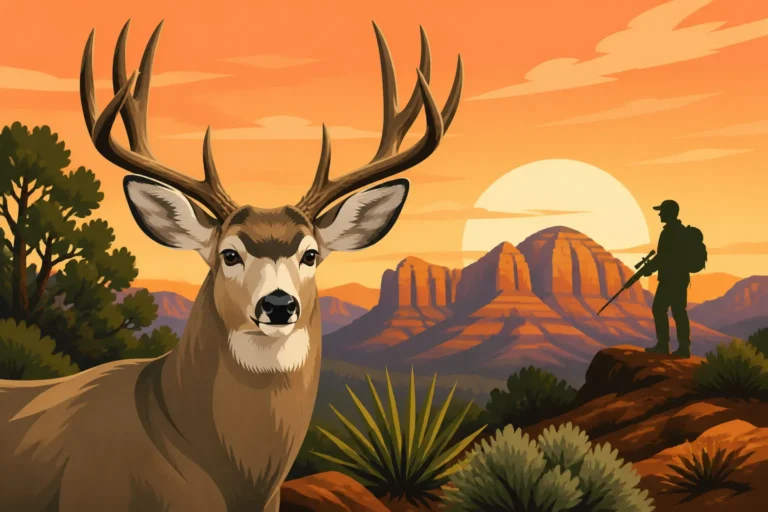
Coues deer aren't found just anywhere in Arizona; they thrive in very specific, rugged, and often isolated terrains that further enhance their elusive nature. Their primary domain includes the "Sky Islands" of southeastern Arizona, a series of mountain ranges that rise dramatically from the desert floor, creating unique ecological zones. These ranges are characterized by incredibly broken country, steep canyons, thick oak brush, juniper, and sparse pines at higher elevations. This kind of habitat provides a natural maze of cover and concealment.
A Coues deer can disappear behind a single prickly pear cactus, a small boulder, or a clump of knee-high grass. They live in country where the terrain itself is a master of illusion, constantly shifting perspectives and offering countless nooks and crannies for a deer to melt into. Picture trying to find a gray rock on a gray hillside peppered with other gray rocks – that's the challenge. The sheer verticality and broken nature of these mountains mean that visibility is often limited, even from a high vantage point. A deer might be only a few hundred yards away, but a series of ravines or a dense patch of chaparral can completely obscure it. This preference for incredibly challenging terrain is a huge part of Why Coues Deer Are Called Gray Ghosts. Hunters often describe seeing a buck, looking away for a moment, and then being completely unable to relocate it, even with high-quality optics. The landscape itself conspires with the deer's biology to make them truly ghostly.
Behavioral Adaptations for Survival
Beyond their physical traits and habitat, the behavior of Coues deer themselves is perhaps the most significant contributor to their "gray ghost" reputation. These animals are incredibly wary, skittish, and possess an almost supernatural ability to detect danger. Their senses are exceptionally keen: they have incredible eyesight, a powerful sense of smell, and acute hearing.
A Coues deer doesn't just rely on camouflage; it uses it actively. They are masters of stillness, often freezing for extended periods when they suspect a threat, allowing their natural coloration to do its work. When they do move, it's often with a stealthy, deliberate pace, picking their way through cover rather than busting through it. If spooked, they don't necessarily run far in the open. Instead, they typically run to the nearest cover, often a thick patch of oak brush or a fold in the terrain, and then freeze again, sometimes watching their backtrail. This "run-and-hide" strategy makes them incredibly difficult to follow or relocate once they’ve been jumped.
Furthermore, they are known for their intelligent use of wind and thermals. In the mountainous terrain they inhabit, thermals often rise in the morning and fall in the evening. A Coues deer will often bed on a hillside in a position where they can detect danger approaching from below by scent (using the rising thermals) while visually scanning for threats from above. This tactical positioning makes it extremely difficult for a hunter to approach undetected, emphasizing the need for Reading Wind on a Sky Island Stalk. Their ability to seemingly evaporate from one moment to the next, often after a hunter thinks they have them pinpointed, is the defining characteristic of the "gray ghost."
The Challenges of Hunting the Gray Ghost
Hunting Coues deer is less about a traditional stalk and more about a strategic game of hide-and-seek played out on a grand, rugged stage. The very attributes that earn them their "gray ghost" title translate directly into significant hurdles for even the most experienced hunter. It's a pursuit that demands specific skills, immense patience, and an understanding of the deer's unique environment.
The Art of Glassing
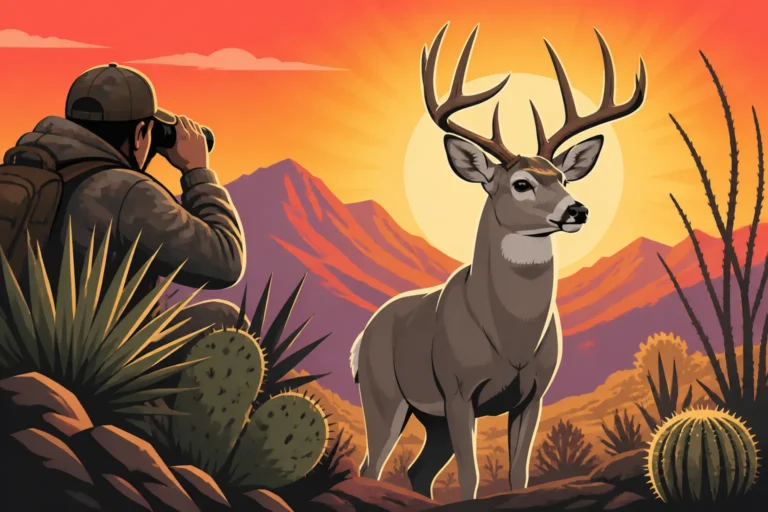
When you're hunting Coues deer, your boots don't do as much work as your eyes and your optics. This isn't a walk-and-stalk hunt in dense timber. The vast, open, yet incredibly broken nature of Coues country means that locating a deer is almost exclusively done through extensive glassing. You'll spend hours, often days, behind binoculars and spotting scopes, systematically picking apart distant hillsides, canyons, and brush patches. The challenge lies in distinguishing a deer from a rock, a shadow, or a scrub oak. The small size and gray coloration of the Coues deer make this an arduous task. It's not about looking for a deer; it's about looking at every single piece of terrain, searching for an antler tip, the flicker of an ear, the horizontal line of a back, or an unnatural shape in an otherwise natural landscape. This painstaking process is what many call "gridding" or "painting" a hillside with your optics.
Many hunters rely heavily on tools and maps to help them identify prime glassing locations and potential deer bedding areas. For instance, platforms like GoHunt provide detailed mapping layers and unit data that can help identify topography, water sources, and vegetation types that Coues deer favor. Being able to access and analyze this information beforehand can save precious time and effort in the field, guiding you to the most productive spots to set up your glass. Without this disciplined approach to glassing, a Coues hunt is often fruitless, as you'll simply walk past more deer than you'll ever see. It’s why optics power for Arizona's long desert sightlines is such a critical consideration.
Stalking in Broken Country
Even once you've successfully located a "gray ghost" with your glass, the battle is far from over. In fact, it's often just beginning. The very broken country that allows Coues deer to disappear also makes stalking incredibly difficult. The terrain is often steep, rocky, and covered in thorny vegetation like catclaw acacia, wait-a-minute bush, and prickly pear cactus. Every step can dislodge loose rock, snap a branch, or create dust, all of which can instantly alert an incredibly wary deer.
The challenge is magnified by the Coues deer's exceptional senses. They are constantly alert, and even the slightest errant sound or whiff of human scent can send them spiraling into cover. You often have to navigate around seemingly impassable ravines, negotiate steep climbs, and move at an excruciatingly slow pace, taking minutes to cover mere yards. It's a chess match where the deer has a home-field advantage. Often, you'll be forced to make significant detours to stay out of sight and downwind, adding miles to your approach and making a direct line to your quarry nearly impossible. This is where hunters truly experience the frustration of a deer that seems to simply melt away, even when you're moving carefully. Mastering Terrain That Hides an Approach in Desert Country is vital for success.
Environmental Factors and Their Impact
The Arizona environment itself plays a significant role in the Coues deer's elusiveness. The glaring sun can create harsh shadows and mirage effects that distort vision, making it even harder to distinguish a deer from its surroundings. Early morning and late evening often provide the best light for glassing, but these are also periods when deer are most active and therefore most likely to be moving and disappearing.
Wind is another critical factor. Consistent wind can make scent control more predictable, but swirling winds in canyon country can betray your presence in an instant. Thermals, as mentioned earlier, are especially tricky. They rise in the morning and fall in the evening, often shifting with the sun's position. Misjudging the thermals can send your scent directly to a bedded buck, ruining a meticulously planned stalk before it even truly begins. The harshness of the desert, with its extreme temperatures, thorny plants, and often limited water sources, adds another layer of difficulty to the hunter's efforts, demanding physical endurance and meticulous planning for heat management on an Arizona early season hunt. All these environmental elements contribute to the mystique of the gray ghost, making every successful hunt feel like a monumental achievement.
Strategies for Unmasking the Gray Ghost
Hunting the gray ghost is a long game, a testament to patience, skill, and an almost obsessive attention to detail. It’s not a hunt for the faint of heart or the impatient. To consistently find and harvest Coues deer, you need to adopt a specific mindset and hone particular techniques that cater to their elusive nature.
Patience and Persistence
The single most important "strategy" for hunting Coues deer isn't a piece of gear or a specific tactic; it's an unwavering commitment to patience and persistence. Many hunters get frustrated after a few hours of glassing without spotting anything, and they start moving too much. With Coues, that's often a recipe for failure. You might spend an entire day, or even several days, methodically glassing the same hillsides from the same vantage points before a deer finally shows itself, or before you finally pick out that elusive flicker of movement. The deer are there; they're just incredibly good at not being seen.
Consider a scenario: You set up at first light on a good glassing knob. The sun rises, warming the slopes. You begin to grid the opposite hillside, a vast expanse of oak brush and scattered rock. For hours, you see nothing but the same old rocks and trees. It’s easy to get discouraged. But a truly persistent Coues hunter understands that deer might be bedded in dense cover, only shifting position slightly, or moving from one shadow to another. They know that a momentary glimpse is often all you get. They'll keep their eyes glued to the glass, breaking up the terrain into manageable sections, and refusing to move until every square foot has been thoroughly scrutinized. This kind of unwavering focus is why Coues Deer Reward Patience Over Movement. It's a mental game as much as a physical one, and the hunter who can out-patient the deer is often the one who ends up with a tag to fill.
Master Your Optics
Because glassing is paramount, mastering your optics is non-negotiable for Coues deer hunting. This means having high-quality binoculars and a spotting scope, understanding their capabilities, and knowing how to use them efficiently and effectively. For many hunters, this might mean investing in top-tier glass with superior light-gathering capabilities and crisp resolution. Beyond the gear itself, it’s about technique.
- Binos First: Start with your binoculars (often 10x or 12x power) to scan broad areas, looking for general shapes or areas of interest. Don't just sweep. Pick a grid pattern and stick to it, slowly overlapping your fields of view. This helps ensure you don't miss anything.
- Spotting Scope Second: Once you spot something suspicious with your binoculars, or when you’re systematically breaking down a prime piece of habitat, transition to your spotting scope (typically 20-60x or even 25-75x power) mounted on a sturdy tripod. This is where you confirm whether that "rock" is actually a bedded deer. You'll spend an incredible amount of time behind this instrument, evaluating size, antler characteristics, and movement. The tripod is crucial, as any wobble will make it impossible to pick out fine details at extreme distances.
- Using Scouting Tools: Modern tools and platforms are incredibly useful here. Many hunters use apps and websites like GoHunt to study topographical maps and satellite imagery of their unit. They’ll pinpoint potential glassing knobs and identify areas of thick cover or pinch points where deer might travel. This pre-scouting informs where to direct your valuable glassing time once in the field. Understanding binocular size that survives an all-day session is important for comfort and effectiveness.
| Aspect of Coues Deer | How It Contributes to "Gray Ghost" | Hunting Implications |
|---|---|---|
| Small Stature | Harder to spot at long distances. | Requires high-power optics and meticulous glassing. |
| Gray-Brown Coat | Blends perfectly with desert scrub and rocks. | Makes distinguishing deer from background extremely difficult. |
| Broken Habitat | Abundant natural cover, constant shifts in perspective. | Locating deer is primary challenge; stalking is complex. |
| Extreme Wariness | Skittish, keen senses, quick to detect threats. | Demands stealthy movement, wind awareness, and patience. |
| Stillness/Freezing | Deer disappear into environment when sensing danger. | Hunt for unnatural shapes or subtle movements, not whole deer. |
| Thermals/Wind Use | Strategically uses air currents to detect scent. | Requires constant attention to wind direction and thermal shifts. |
Reading the Landscape
Coues deer, like all wildlife, are creatures of habit and efficiency. They utilize the landscape in predictable ways, and a seasoned hunter learns to read these patterns. Instead of just randomly scanning, focus your glassing efforts on areas that are most likely to hold deer.
- Bedding Areas: Look for south-facing slopes in winter, or shady, north-facing slopes and steep canyon sides during hotter periods. Deer will often bed in areas that offer them a panoramic view, good thermal regulation, and escape routes. Pay close attention to thick patches of oak brush, juniper, and catclaw; these provide excellent concealment.
- Travel Corridors: Identify saddles, draws, and natural funnels between bedding and feeding areas, or between different patches of cover. Deer will use the path of least resistance or the most concealed route. These are often prime areas to intercept a moving buck, especially during the rut.
- Water Sources: In arid Arizona, water is life. While Coues deer can get a lot of moisture from vegetation, they still need to drink, particularly in hotter months. Identify stock tanks, natural springs, and even temporary rain catchments. Sitting Water for Javelina and Deer can be a viable strategy, particularly early in the season.
- Sign, Not Just Deer: Look for deer sign. While you might not see the deer, fresh tracks in a wash, rubbed bushes, or droppings can tell you that deer are in the area. This can help confirm your intuition about a specific piece of country and keep your motivation up during long glassing sessions.
Ultimately, unmasking the gray ghost is a deeply rewarding experience. It forces hunters to slow down, sharpen their senses, and connect with the landscape in a profound way. It’s a pursuit that strips away the superficial and gets to the core of what makes hunting challenging and utterly captivating in the rugged Arizona wilderness.
Disclaimer
This article is for general informational purposes only and does not constitute professional advice. Laws, prices and regulations vary by location and change over time. Consult a qualified professional for guidance on your specific situation.