Coues Deer Harvest Success Rates
Hunting Coues deer in Arizona is often described as one of the most challenging pursuits in North American big game hunting, and many hunters feel a real pang of frustration when they pore over harvest reports trying to figure out if their odds are truly as slim as they sometimes feel. This guide is here to unravel those numbers, help you understand what "harvest success rates" actually mean, and empower you with knowledge to genuinely improve your chances in the field.
Understanding Coues Deer Harvest Data
When you look at official harvest reports from the Arizona Game and Fish Department (AZGFD), it's easy to get discouraged by what appears to be a low overall success rate for Coues deer. But those raw percentages don't always tell the whole story, and understanding the nuances behind the numbers is crucial for setting realistic expectations and planning your hunt effectively. It's not just about one simple percentage; it's about context.
What the Numbers Actually Represent
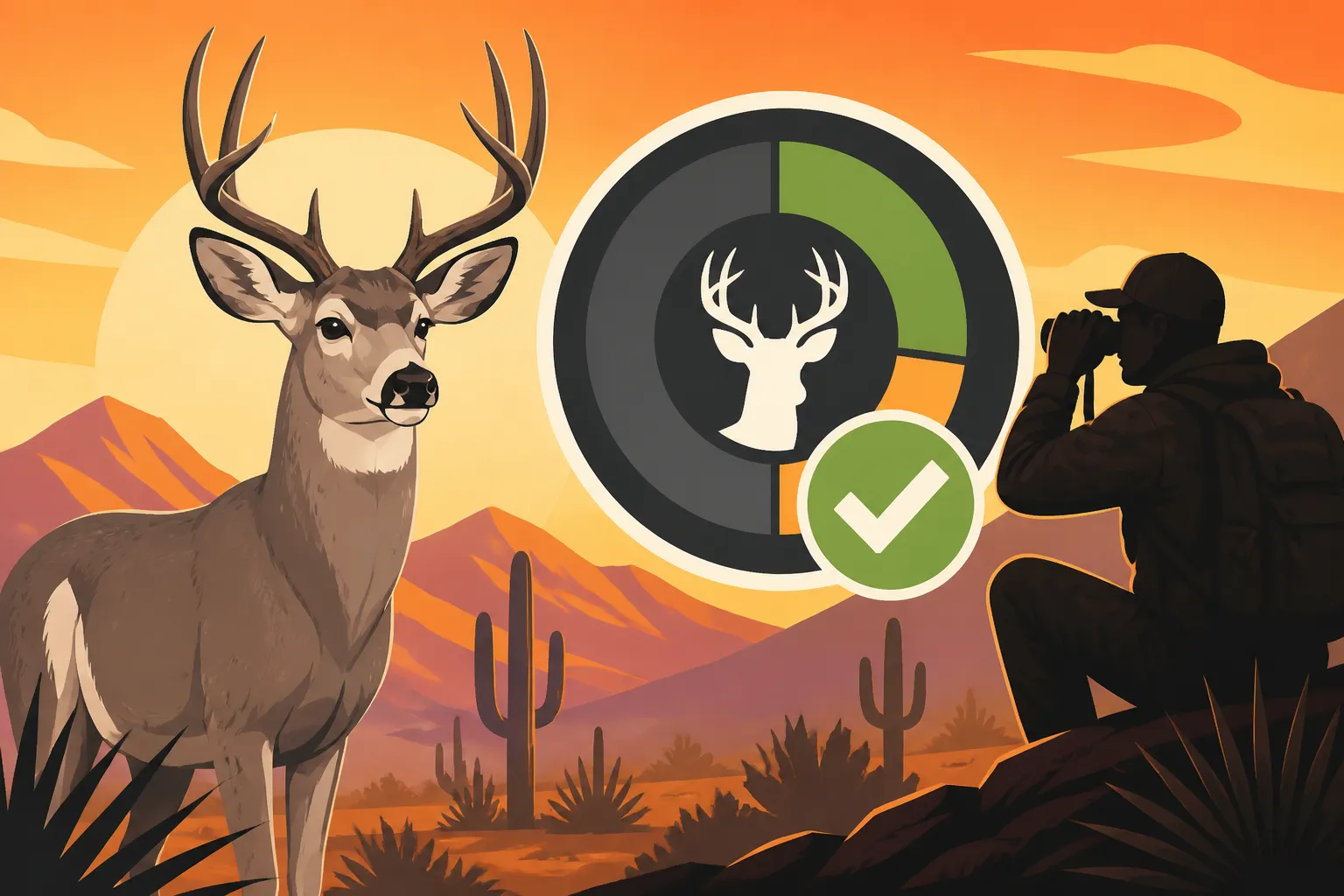
First, let's talk about what those "harvest success" or "hunter success" rates truly reflect. These figures typically represent the percentage of hunters who successfully filled their tag for a specific hunt unit and weapon type, out of the total number of tags issued. For instance, if 100 tags were issued for a rifle hunt in Unit 21 and 20 deer were harvested, the success rate would be 20%. This seems straightforward, but it aggregates a vast range of hunter experiences and skill levels. It doesn't differentiate between the seasoned veteran who spends weeks scouting and the beginner who just goes out for a weekend.
Moreover, these numbers often include hunters who may not have put in maximum effort, those who were physically unable to access prime areas, or even those who simply prioritized the experience over punching a tag. The data is a broad average, and your personal success rate can vary wildly depending on your dedication and preparation. It's less a prophecy and more a statistical snapshot of a diverse group of hunters.
Interpreting Official AZGFD Reports
The AZGFD publishes detailed hunt reports that are goldmines of information, if you know how to read them. These reports break down success rates by unit, weapon type, and sometimes even by specific season dates. You'll often find tables showing the number of permits issued, hunters afield, and actual harvest numbers. When you're looking at these, remember to consider the pressure. A unit with a lower success rate might have a high number of tags, indicating more hunters in the field, which can make it feel more challenging even if the deer population is healthy.
Beyond just the success percentage, look at the number of deer harvested. If a unit consistently produces a good number of animals, even with a moderate success rate, it tells you there are deer there to be found. It just means you might have to work a bit harder or be more skilled than the average hunter to find one. Websites like GoHunt often compile and present this AZGFD data in user-friendly formats, allowing you to filter and compare units more easily and see not just the success rate, but also the number of points required to draw, which speaks volumes about a unit's perceived quality.
Key Factors Influencing Coues Deer Success
Coues deer are affectionately known as "gray ghosts" for a reason. Their elusive nature, combined with the challenging Arizona terrain, means that many factors come into play when it comes to punching a tag. It's never just one thing that makes or breaks a hunt; it's usually a combination. Understanding these elements can help you identify opportunities and mitigate potential challenges.
Terrain, Habitat, and Unit Accessibility
Arizona's Coues deer primarily inhabit the rugged "sky islands" of the southeastern part of the state, as well as similar mountainous terrain elsewhere. These are not flat, open plains. We're talking about steep, rocky, brushy mountainsides with canyons and washes that can conceal deer incredibly well. The sheer difficulty of navigating and effectively hunting this terrain directly impacts success rates. A hunter who can comfortably traverse these steep slopes and glass for extended periods will naturally have better odds. If you're physically prepared for Preparing Physically for a Desert Hunt, you're already ahead of the curve.
Furthermore, access within a unit is critical. Some units have extensive road systems, while others are wilderness areas requiring significant foot travel or pack animals. Units with limited vehicle access often mean less hunter pressure in certain areas, potentially leading to better success for those willing to put in the effort. Conversely, easily accessible areas, even with good deer populations, can see higher pressure, making deer more wary. Consider how Reading an Arizona Unit Boundary Before You Apply can reveal access points and potential pressure zones.
Weather Conditions and Their Impact
Arizona's weather can be extreme and plays a monumental role in deer behavior and, by extension, hunter success. Early archery seasons, for example, often coincide with scorching summer temperatures, making deer largely nocturnal and limiting their movement during legal shooting hours. Heat can make deer bed down early and stay bedded until late, making them incredibly difficult to locate. This can dramatically lower success rates for those hunts.
Drought conditions can also concentrate deer around limited water sources, potentially making them easier to pattern but also more susceptible to hunting pressure. On the flip side, heavy monsoon rains can green up the desert quickly, dispersing deer across a wider area as new forage and temporary water sources become available. This can make them harder to find, but also less stressed. Understanding How Monsoon Rain Affects Antler Growth and How Drought Affects Desert Deer Numbers can give you a better grasp of how these natural cycles impact deer activity and where to focus your efforts.
Hunter Skill, Equipment, and Persistence
It's no secret that some hunters are simply more successful than others, and this often comes down to a blend of skill, appropriate equipment, and sheer persistence. For Coues deer, glassing is paramount. These deer are tiny and blend in perfectly, requiring exceptional optics and the patience to pick apart distant hillsides. A hunter proficient in The Grid Glassing Method, Step by Step with high-quality binoculars and a spotting scope will undoubtedly have an advantage over someone relying on less powerful optics or infrequent glassing.
Your choice of weapon and proficiency with it also matter. Archery success rates are generally lower than rifle success rates, simply because of the increased challenge of getting close enough to a wary animal. If you're pursuing an archery tag, knowing How Close a Bowhunter Needs to Get on Coues is critical. Even with a rifle, being able to make accurate shots at extended ranges often comes into play in the open desert terrain. Persistence is equally vital; giving up after a couple of days can significantly reduce your chances. Those "gray ghosts" demand relentless effort.
Leveraging Information to Improve Your Odds
With a better understanding of what goes into those harvest success rates, you can start to use the available information strategically to give yourself a better chance at tagging a Coues deer. It's about smart planning and focused effort rather than just hoping for luck.
Diving Deep into Unit-Specific Reports
Don't just glance at the overall success rate for a unit. Dig deeper into the AZGFD reports, and use resources like GoHunt to analyze the data further. Look at the specific hunt codes for the seasons you're interested in. For example, an early November rifle hunt might have a different success rate than a late December rifle hunt, even in the same unit. This could be due to rutting activity (When the Coues Rut Peaks), changing weather, or different hunter pressure.
Pay attention to harvest numbers broken down by bucks and does (where applicable) or by antler size if available. While not always detailed for Coues, this can sometimes offer clues about herd health or trophy potential. A unit with a high number of tags and a low success rate might still be worth applying for if you're looking for a challenge and have the skills to out-hunt the average. Conversely, a unit with very few tags and a high success rate often indicates extremely limited opportunity or highly controlled hunts.
Analyzing Success by Weapon Type
As mentioned, weapon choice significantly impacts success. Here's a quick look at how they generally compare:
| Weapon Type | Typical Success Rate (Relative) | Primary Challenges | Advantages |
|---|---|---|---|
| Archery | Lowest | Close proximity needed, wary deer, heat (early season) | Longer season windows, quieter, unique challenge |
| Muzzleloader | Moderate | Single shot, limited range, more primitive | Can hunt specific seasons, less pressure than rifle |
| Rifle | Highest | Higher pressure, deer are warier, shorter seasons | Longer effective range, higher shot confidence |
When considering an archery tag, remember that Arizona Sets Bow Draw at 30 Pounds and Crossbows at 125 and also has specific broadhead requirements like Why Arizona Requires Broadheads Wider Than 7/8 Inch. These regulations ensure ethical hunting, but they also mean you need to be proficient with your equipment. The over-the-counter nature of some archery deer tags, explained in Arizona's Over-the-Counter Archery Deer Tag Explained, offers incredible flexibility but often lower success rates due to the sheer number of hunters and the challenging conditions, especially during the early seasons.
For rifle hunts, while success rates are generally higher, you're often dealing with shorter seasons and more competition. Understanding Rifle Zero Distance for Open Desert is crucial, as shots can be long. Each weapon type offers a unique experience and set of challenges, and your personal proficiency with your chosen weapon will always be a major determinant of your individual success.
Boosting Your Personal Coues Deer Success Rate
While the overall harvest success rates provide a good baseline, your personal success is ultimately in your hands. You can't change the official statistics, but you can absolutely impact your own experience and outcomes. It's about preparedness, skill development, and strategic execution.
Pre-Season Scouting and E-Scouting
The work starts long before you ever set foot in the field with a tag in your pocket. Pre-season scouting, both physically and virtually, is perhaps the single most important factor for improving your success rate. Start with E-Scouting an Arizona Unit Before the Season, using satellite imagery and topographic maps to identify potential bedding areas, travel corridors, water sources, and glassing points. Look for washes, draws, and saddles that deer might use to move between feeding and bedding areas.
If possible, make a physical scouting trip to your chosen unit. This allows you to confirm what you saw on maps, find fresh sign, and get a feel for the terrain. This is where you can locate actual game trails, discover hidden springs, or find prime glassing knobs. Even a short scouting trip can drastically improve your odds by helping you eliminate unproductive areas and focus your efforts. Remember, a Coues hunt is often won by finding the deer before the season even begins.
Mastering the Art of Glassing
For Coues deer, glassing isn't just a technique; it's the technique. These small deer blend seamlessly into the brush and rocks. You won't just stumble upon them; you have to find them with your optics. Invest in the best binoculars and a high-quality spotting scope you can afford. Learn how to use them effectively, spending hours behind the glass. This isn't just looking; it's searching, picking apart every shadow, every rock, every patch of scrub. Familiarize yourself with how to use Spotting Scope Power for Coues Country to pick out details at extreme distances.
Set up on high points early in the morning and late in the evening when deer are most likely to be moving. Utilize a systematic approach, like grid glassing, to ensure you don't miss anything. Look for subtle movements, a flick of an ear, a patch of gray that seems out of place, or the gleam of an antler. Patience here is paramount; it can take hours to find a single deer, but that patience will be rewarded. As we say in Arizona, Why Coues Deer Reward Patience Over Movement is a mantra for a reason.
Physical Conditioning and Mental Toughness
Coues deer hunting is physically demanding. You'll be hiking steep, rocky terrain, often in challenging temperatures. Being in good physical condition will allow you to access better areas, cover more ground, and maintain your energy and focus throughout the day. This isn't just about carrying a heavy pack; it's about being able to sit still for long periods, hike miles to a new glassing spot, and then potentially pack out an animal over rough ground.
Beyond the physical, mental toughness is crucial. There will be days when you see nothing, when the sun beats down, or when you feel like you're climbing an endless hill. It's easy to get discouraged, but the persistent hunter is often the successful one. Keep a positive attitude, stick to your plan, and be ready to adapt. The satisfaction of overcoming these challenges and earning a Coues deer is immense.
Disclaimer
This article is for general informational purposes only and does not constitute professional advice. Laws, prices and regulations vary by location and change over time. Consult a qualified professional for guidance on your specific situation.