Javelina Is Arizona’s Most Accessible Big Game
For many aspiring hunters, or even seasoned veterans looking for a unique challenge without the years of point accumulation, the world of Arizona big game can seem daunting. Drawing an elk or bighorn tag can feel like winning the lottery. But what if I told you there’s an exciting, accessible big game animal roaming the vast landscapes of Arizona, offering year-round opportunities and a truly authentic desert hunting experience? This comprehensive guide will peel back the layers on hunting javelina, making this often-misunderstood creature your next big game pursuit in the Grand Canyon State.
Understanding the Javelina: Arizona's Unique Big Game Resident
Before we dive into hunting strategies, it’s crucial to understand exactly what a javelina is – and perhaps more importantly, what it isn't. Many people mistakenly refer to them as "pigs" or "wild hogs," but this common misconception couldn't be further from the truth.
They're Not Pigs: The Biological Reality
The javelina, scientifically known as Pecari tajacu, is actually a collared peccary. It belongs to the family Tayassuidae, which is distinct from the pig family (Suidae). This isn't just a taxonomic detail; it speaks to their unique biology, behavior, and even the flavor of their meat. Pigs originated in the Old World, while peccaries are native to the Americas. They simply fill a similar ecological niche.
One of the most immediate differences you'll notice is their size. Javelina are relatively small, typically standing about 20 inches tall at the shoulder and weighing between 30 to 60 pounds, though some larger individuals might push 80. Compare that to a wild hog that can easily reach several hundred pounds, and the distinction becomes clear. Their physical characteristics also differ: javelina have shorter, coarser hair, a prominent scent gland on their back, and only two toes on their hind feet, compared to a pig's four. They also have razor-sharp canines that point downwards, unlike the upward-curving tusks of a wild boar. These canines are formidable and used for defense and digging, giving them a distinct, almost prehistoric look. Understanding What Family Javelina Actually Belong To is the first step to truly appreciating this fascinating desert dweller.
Key Characteristics and Identification
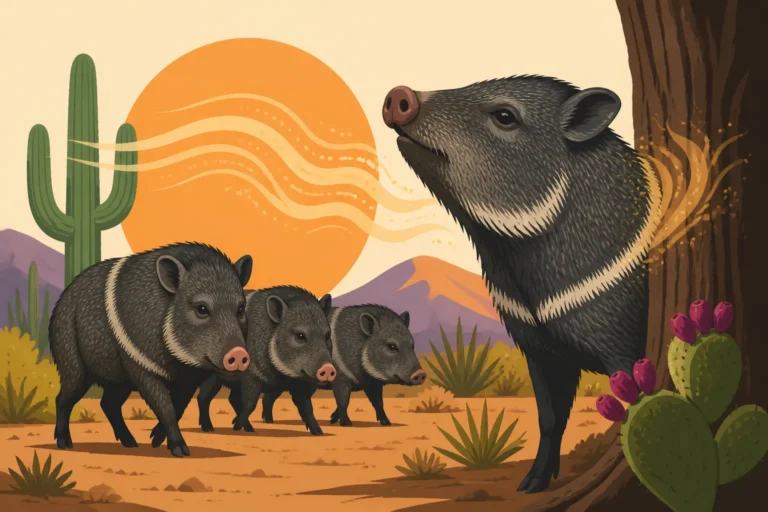
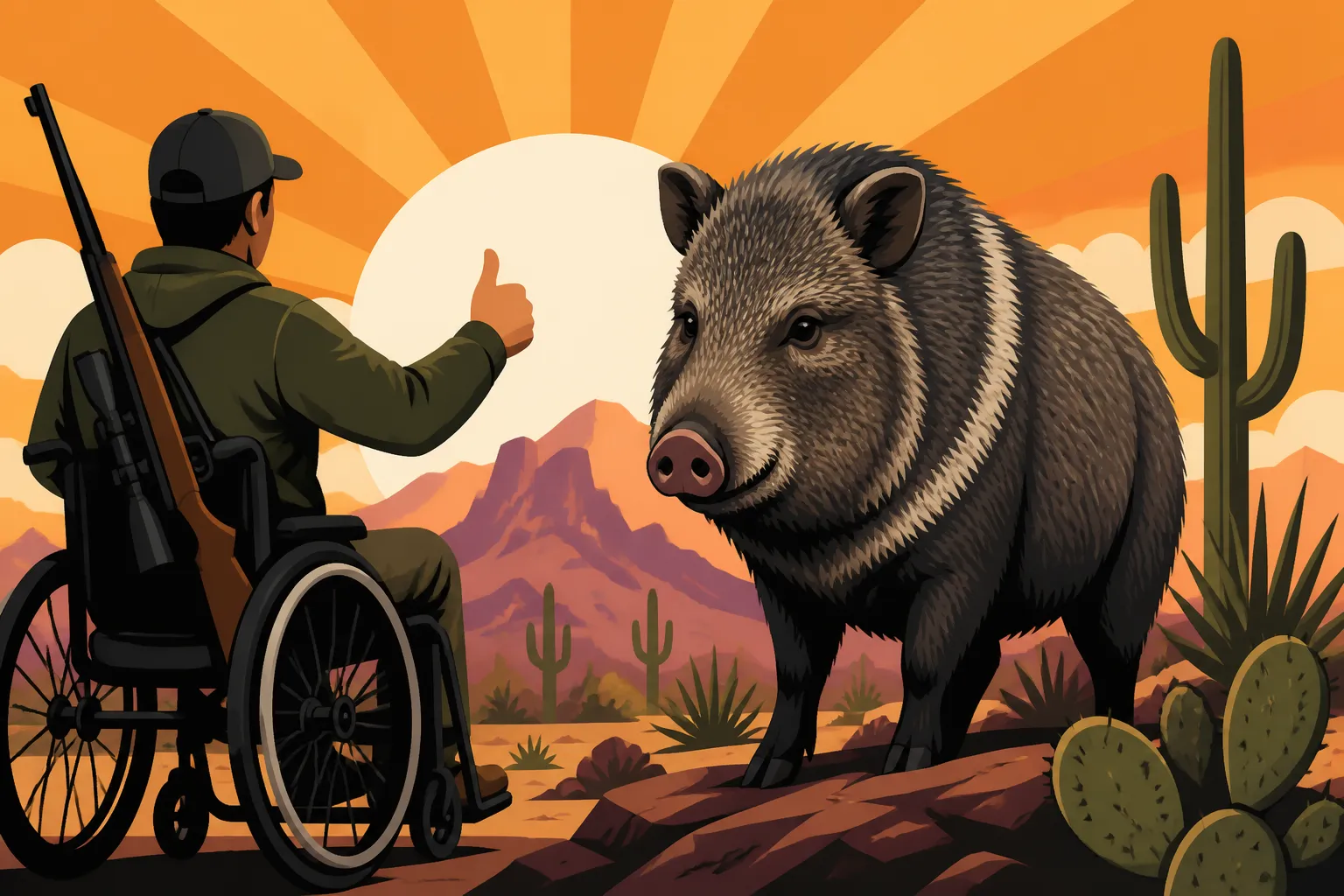
Javelina are often described as stocky, grayish-black animals with a distinctive lighter "collar" of hair around their neck and shoulders, which gives them their "collared peccary" moniker. Their eyesight is notoriously poor, a trait that hunters can often use to their advantage, but their sense of smell and hearing are incredibly acute. This makes them masters of detecting danger long before they see it.
They are highly social animals, typically living in herds ranging from 5 to 20 individuals, though sometimes larger groups are observed. These herds are often family units, and they stick together, moving and feeding as one. This herd mentality is a critical factor in hunting them; if you see one, there are almost always more nearby. They communicate through a variety of grunts, woofs, and teeth-chattering sounds, especially when alarmed or asserting dominance. You can often pinpoint their location in dense brush by listening for these vocalizations. Their prominent dorsal scent gland is another defining characteristic. Each individual has a unique scent signature, and they use this gland to mark territory and each other, reinforcing herd bonds. This powerful musk, often described as skunky or pungent, is unmistakable once you've encountered it, and it plays a significant role in How Javelina Use Scent to Communicate.
Where to Find Javelina: Prime Arizona Habitat
Arizona offers some of the best javelina hunting opportunities anywhere, largely due to its vast tracts of suitable habitat. These hardy animals are perfectly adapted to the arid and semi-arid regions of the state.
Sonoran Desert Strongholds
The heart of javelina country in Arizona lies within the Sonoran Desert. This means you'll find them ranging from the saguaro-dotted lowlands near Phoenix and Tucson, up into the more mountainous foothills and chaparral country. Specific units around Phoenix for Javelina and Tucson are well-known hotspots. Key areas include the mountainous regions of the central and southern parts of the state, such as the Mazatzal Mountains, Superstition Mountains, and the various sky island ranges of southeastern Arizona. They thrive in areas with dense vegetation like prickly pear cactus, mesquite, palo verde, and various thorny shrubs, which provide both food and cover from predators like mountain lions and coyotes.
Their diet consists primarily of succulents like prickly pear pads, agave, and mesquite beans, which also serve as a vital water source in the dry desert environment. This dependence on specific vegetation means they are often found in predictable areas. Look for broken terrain, rocky washes, and canyon systems that offer a mix of cover, food, and escape routes. They often bed down in dense thickets or under large rock outcroppings to escape the midday heat and cold desert nights. Understanding Where Javelina Live in the Sonoran Desert is key to successful scouting. Many hunters use tools like GoHunt's mapping features to pinpoint these types of habitat before ever stepping foot in the field, helping them identify potential bedding areas and travel corridors.
Signs and Scats: Reading the Desert Floor
Becoming proficient at reading javelina sign is paramount to finding these elusive creatures. Because they often move through thick cover, you’re more likely to cut their sign than spot them from a distance, especially in dense brush. Look for fresh tracks in sandy washes or along game trails. Their small, cloven hoof prints are distinctive. While not as large as deer tracks, they are clearly visible when fresh.
Perhaps the most telling sign is their rooting. Javelina are constantly digging for tubers, roots, and insects, leaving tell-tale disturbed patches of earth. These patches can range from small, scattered depressions to larger, extensively turned-over areas, especially under mesquite trees where they forage for beans. They also love to rub their scent glands on trees, rocks, and fence posts, leaving a distinctive musk and sometimes matted hair. Fresh scat, often pellet-like and found in small piles, is another excellent indicator of recent activity. Finding wallows or dusty depressions where they've rolled to cool off or get rid of parasites can also indicate a herd's presence. When Tracking Arizona Javelina Through Prickly Pear, you'll quickly learn to spot the clipped pads and disturbed soil that signal their feeding activity.
The Accessibility Advantage: Why Javelina Stand Out
When it comes to big game hunting in Arizona, javelina are undeniably the most accessible species, offering unmatched opportunities for both resident and non-resident hunters alike.
Year-Round Opportunities and Over-the-Counter Tags
One of the biggest draws for javelina hunting is the sheer volume of opportunity. Unlike highly coveted species like elk or bighorn sheep, which require years, if not decades, of bonus points to draw a tag, javelina tags are remarkably easy to acquire. For archery hunters, Arizona offers a generous Year-Round Archery Javelina in Arizona season in many units, meaning you can literally pick up an over-the-counter (OTC) tag and head into the field almost any time of year, provided you check the specific unit regulations for closures or changes. This incredible flexibility allows hunters to plan trips on their schedule, rather than being dictated by draw results.
While rifle and muzzleloader seasons are draw-only, the odds of drawing a javelina tag are significantly higher than for other big game animals. Often, these tags can be drawn with zero or very few bonus points, making them a fantastic entry point into Arizona's draw system. This means that both the experienced hunter looking for a low-pressure hunt and the new hunter eager to try big game for the first time can find abundant chances to pursue javelina. The Arizona Game and Fish Department simplifies this even further by clearly outlining the various Arizona Javelina Season Dates by Weapon in their annual regulations, making planning straightforward.
Affordability and Flexibility for All Hunters
Beyond the ease of obtaining a tag, javelina hunting is also one of the most affordable big game hunts in Arizona. The cost of an OTC archery javelina tag is minimal, especially when compared to the hundreds or thousands of dollars required for other species. This lower financial barrier makes javelina an excellent option for hunters on a budget or those simply looking for a fun, less financially intensive outdoor adventure.
The flexibility extends beyond just the tag. Javelina hunts often don't require the extensive logistical planning or specialized equipment that elk or sheep hunts demand. While scouting is always beneficial, the localized nature of javelina herds means you can often find success by focusing on smaller, accessible areas. Many hunters opt for day trips, returning home each evening, which saves on camping gear and extended time off work. This accessibility makes it a perfect species for families, new hunters, or anyone who wants to experience the thrill of a big game hunt without the monumental commitment. It’s a fantastic way to learn the ropes of desert hunting, refine your glassing skills, and enjoy the Arizona backcountry without the pressure of a once-in-a-lifetime tag.
Hunting Javelina: Proven Strategies and Techniques
Successfully hunting javelina requires a blend of keen observation, patience, and often, a bit of stealth. Their strong senses and preference for dense cover mean you'll need to adapt your approach.
Spot and Stalk: The Eyes Have It
The most common and often most effective method for hunting javelina, especially in open desert or broken terrain, is spot and stalk. Given their poor eyesight but excellent hearing and smell, you’ll typically be using your optics far more than your feet in the initial stages. The strategy is simple: find a high vantage point that offers expansive views of suitable javelina habitat – washes, mesquite flats, agave fields, and prickly pear patches. Then, settle in with good binoculars or a spotting scope and methodically glass every inch of terrain. Javelina often blend in surprisingly well with the desert background, so look for movement, flashes of grey, or even the subtle glint of sunlight off their coarse hair. GoHunt's community forums often buzz with discussions about optimal glassing strategies for specific units.
Once a herd is spotted, the real challenge begins: closing the distance without being detected. This is where their sharp hearing and powerful sense of smell come into play. Always pay attention to the wind, keeping it in your favor (blowing from the javelina towards you). Use terrain features such as washes, hills, and dense vegetation to hide your approach. Move slowly, deliberately, and be prepared to freeze for extended periods if the animals seem agitated. If they're feeding, they'll often be moving, which can help mask your sound. However, if they're bedded down, they'll be far more alert. Remember, seeing one javelina means there are likely more; aim to get a clear shot on your target animal without disturbing the entire herd, as they will quickly scatter and be difficult to relocate.
Calling and Ambush: Close Encounters
While less common than spot and stalk, calling can be a highly effective tactic, especially for bowhunters or when javelina are in dense cover and difficult to see. Javelina vocalizations include a variety of grunts, chattering, and alarm barks. Specialized javelina calls, which mimic distress cries or herd sounds, can often pique their curiosity. A common strategy involves using a predator distress call, which can draw javelina in, as they sometimes mob perceived predators. A wounded javelina or piglet distress call can also be highly effective, sometimes bringing an entire herd charging in to investigate or defend.
Ambush tactics often involve identifying a primary travel corridor, a watering hole, or a favored feeding area. Javelina are creatures of habit, often using the same trails day after day. Setting up downwind of such an area before daylight, or late in the afternoon, can put you in a prime position for an encounter. This might involve sitting near a stock tank during early archery season or along a well-used trail leading between bedding and feeding areas. Understanding the general Javelina Herd Behavior and Scent helps predict their movements and makes ambushing more successful. You'll need extreme patience for this method, but the reward of a close-range shot can be incredibly satisfying.
Tracking Through the Thicket
In certain situations, particularly in areas with thick brush or after a herd has been spooked, tracking becomes a necessary skill. Javelina, as discussed earlier, leave plenty of sign: tracks, scat, rooted areas, and scent markings. Following these signs can eventually lead you to the herd. This method requires a slow, deliberate pace and meticulous attention to detail.
When tracking, look not only for obvious footprints but also for subtle disturbances like broken twigs, dislodged rocks, or tufts of hair caught on thorns. Pay close attention to the direction of travel and the animals' behavior as indicated by their sign. For example, if tracks suddenly become erratic or widely spaced, it might indicate they were spooked. Always be aware of the wind, even while tracking, as you could inadvertently walk right into the herd's scent cone. Tracking javelina through dense mesquite or prickly pear can be challenging, but it’s a rewarding way to connect with the landscape and develop crucial hunting skills. Remember that these animals can hold incredibly tight in cover; sometimes, you might be within yards of them before they bust out.
Essential Gear for a Successful Javelina Hunt
While javelina hunting doesn't require an arsenal of highly specialized, expensive equipment, having the right gear can significantly increase your chances of success and make your time in the desert more comfortable and safe.
Optics: Your Most Important Tool
Given the vast, open nature of much of Arizona's javelina habitat and their exceptional camouflage, quality optics are arguably your most critical piece of gear. You'll spend far more time glassing than walking, especially with the spot-and-stalk method. A good pair of 10×42 or 12×50 binoculars are indispensable. They should be clear, bright, and comfortable for extended viewing. Investing in a quality binocular harness will keep them secure, easily accessible, and reduce neck fatigue.
For even more detailed long-range scouting, a spotting scope (15-45x or 20-60x) mounted on a sturdy tripod can be a game-changer. This allows you to pick apart distant hillsides and shaded pockets that would be impossible to scrutinize with just binoculars. Many seasoned desert hunters rely heavily on their spotting scopes for identifying javelina, especially when they are bedded down or barely visible. A rangefinder is also essential, allowing you to accurately judge distances for your shot, which can be tricky in the vast desert environment where landmarks are often far away. GoHunt's Gear Shop often highlights recommended optics that stand up to the rigors of desert hunting.
Weapon Choice: Bow, Rifle, or Muzzleloader
Javelina can be successfully hunted with a variety of weapons, and your choice will largely depend on personal preference, the season, and your hunting style.
-
Archery: Bowhunting javelina is incredibly popular, especially given the year-round over-the-counter opportunities. It's a challenging but rewarding pursuit that requires getting in close, often within 20-40 yards. A compound bow, recurve, or longbow can all be effective. Make sure your broadheads are sharp and legal. Arizona requires broadheads wider than 7/8 inch for big game, so ensure yours comply. While small, javelina are tough animals, so a well-placed, ethical shot is crucial.
-
Rifle: During the general rifle seasons, almost any deer-sized caliber will be more than adequate for javelina. Popular choices include .223 Remington, .243 Winchester, 6.5 Creedmoor, and .308 Winchester. Shot placement is key. While you might be tempted to use larger calibers, remember that javelina are small, and excessive caliber can cause significant meat damage. The general rifle seasons for javelina are typically shorter and require drawing a tag, but they offer the advantage of longer-range shot opportunities.
-
Muzzleloader: For hunters who enjoy the challenge and tradition of muzzleloading, these weapons are also legal during designated seasons. The rules for muzzleloaders in Arizona are quite open, allowing for a wide range of sights and powder charges. A .50 caliber muzzleloader with a sabot bullet or patched round ball will be plenty for javelina. Muzzleloader hunts often fall between archery and general rifle seasons, providing additional opportunities.
Regardless of your chosen weapon, practice is essential. Familiarize yourself with your equipment and be confident in your ability to make an ethical shot at various distances. Carry enough ammunition (or arrows), a good knife for field dressing, and plenty of water, as the desert can be unforgiving.
Field to Fork: Processing and Preparing Javelina Meat
One of the most common questions about javelina is whether they are good to eat. The answer is a resounding yes, but there are a few critical steps you need to take to ensure the best possible table fare.
Field Dressing in the Desert Heat
The biggest factor influencing the taste of javelina meat is proper field dressing and cooling, especially when hunting in Arizona's often scorching temperatures. Javelina have a prominent musk gland on their back, located about six to eight inches in front of the tail. Many hunters believe this gland is the source of any "gamey" taste and recommend exercising caution. The consensus is to avoid cutting into this gland or getting its scent on the meat. Some hunters opt to skin the animal by making cuts around the gland and peeling the hide forward and backward, leaving the gland attached to the removed hide.
As soon as the animal is down, get to work. Gut the javelina immediately to allow the carcass to cool. Remove all entrails, and if possible, wipe out the body cavity with a clean cloth or paper towels. If you're deep in the field, carrying a game bag is crucial to protect the meat from flies and dirt. Get the animal skinned and quartered as quickly as possible. The longer the meat retains body heat, the more likely it is to develop an off-flavor. If it's a hot day, consider packing ice in a cooler to get the quarters cooled down rapidly. This rapid cooling process is vital for any big game meat in the desert, but particularly so for javelina. For more detailed advice, check out tips on Field Dressing in Desert Heat.
Cooking Your Harvest: Dispelling Myths
Once properly handled, javelina meat is surprisingly versatile and delicious. It has a flavor often compared to pork, but leaner and with a slightly richer, more savory note. The myth that javelina meat is inherently "gamey" or inedible largely stems from improper field care, specifically allowing the meat to get hot or not avoiding the scent gland during skinning.
Because javelina meat is quite lean, it benefits from slow cooking methods that help break down connective tissue and keep it moist. Think roasts, stews, chili, or pulled javelina. Marinating the meat for several hours or overnight can also enhance flavor and tenderness. Using acidic marinades with ingredients like vinegar, citrus juice, or wine can be particularly effective. Ground javelina makes excellent sausages, tacos, or burger patties when mixed with a bit of pork fat. Some hunters even make javelina jerky. Don't be afraid to experiment with your favorite wild game recipes. The key is to treat it like any other lean wild meat: keep it clean, keep it cool, and cook it slowly. A properly harvested and prepared javelina will provide many delicious meals, proving that Is Javelina Meat Worth Eating? is a question with a very positive answer.
Ethical Considerations and Conservation
Hunting javelina, like any big game, comes with important ethical responsibilities and a role in conservation. Responsible hunting ensures the health of the herd and preserves opportunities for future generations.
Respecting the Resource and Landowners
As hunters, we are stewards of the land and wildlife. This means always prioritizing an ethical kill. Take only clear, high-percentage shots to minimize the risk of wounding an animal. If you do wound an animal, make every effort to track and recover it, even if it means hours of difficult searching through dense brush. Understanding The Ethically Hunting Arizona Course Explained can provide valuable insights into best practices in the field.
Respect for landowners is also paramount, especially when hunting near private property. Even if you're hunting on public land, boundaries can be tricky in Arizona, and it's easy to inadvertently trespass if you're not paying attention. Always know your unit boundaries and use reliable mapping tools like those offered by GoHunt to identify private land. Never pursue game onto private property without explicit permission. Leave gates as you find them, pack out all your trash, and adhere to all posted signs and regulations. Your actions reflect on all hunters, so always strive to be a responsible ambassador for our outdoor heritage.
Harvest Limits and Responsible Practices
Arizona Game and Fish Department sets harvest limits for javelina to ensure sustainable populations. Typically, a hunter may take one javelina per calendar year, though specific tag types and seasons might have different provisions. Always consult the current Arizona Hunting Regulations booklet for the most up-to-date and unit-specific rules regarding bag limits, season dates, and weapon restrictions.
Beyond the legal limits, consider your own ethical limits. While a tag allows you to take an animal, sometimes passing on a small animal, or one in a difficult spot, is the right choice. Javelina populations in Arizona are generally healthy, but their numbers can fluctuate due to drought or other environmental factors. By hunting responsibly, respecting the animals, and adhering to all regulations, you play a vital role in the ongoing conservation success of Arizona's javelina. This ensures that this unique and accessible big game animal will continue to thrive and offer exciting hunting opportunities for years to come.
Disclaimer
Please remember that hunting regulations are subject to change. Always consult the current Arizona Game and Fish Department hunting regulations booklet before planning or undertaking any hunting trip to ensure you are compliant with all laws and rules.