Pronghorn on Arizona’s Grasslands
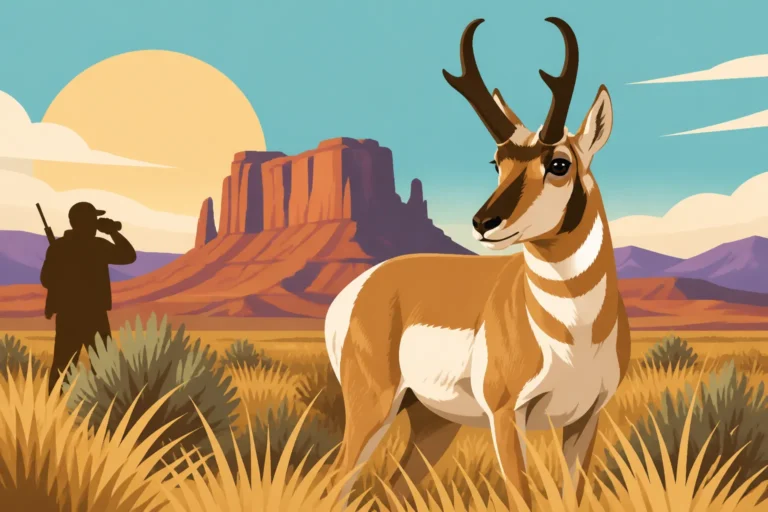
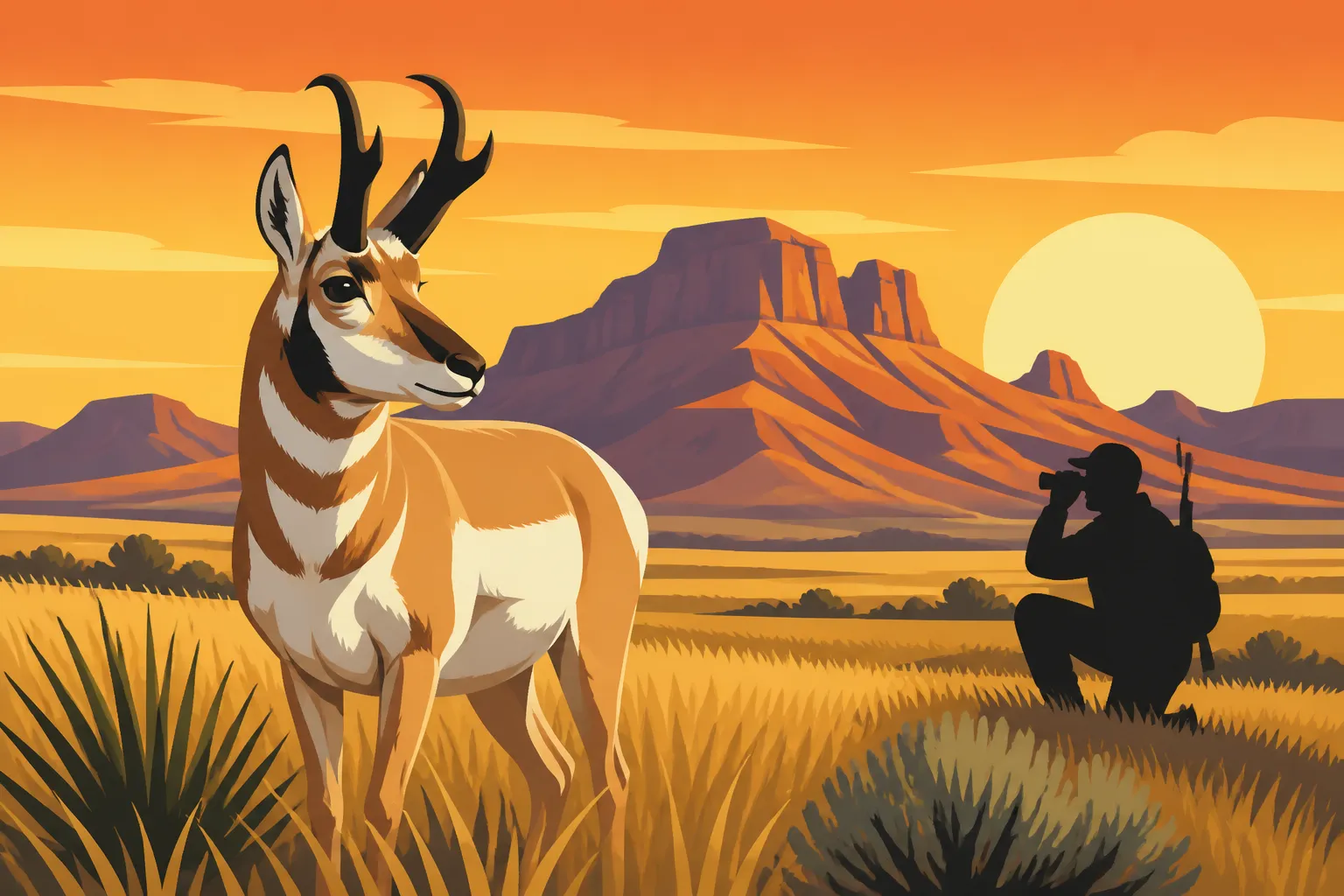
The Arizona grasslands hold a special kind of magic, a vast, sweeping landscape where the horizon seems to stretch on forever, blurring the line between earth and sky. It's a place that calls to a specific type of hunter, one who craves challenge and the thrill of the chase against one of North America's fastest and most visually acute big game animals: the pronghorn. If you've ever stood on a windswept mesa, glassing for hours, only to have a phantom buck disappear into thin air, you know the unique frustration and intense satisfaction that comes with pursuing these incredible creatures. This guide is dedicated to helping you unravel the mysteries of hunting pronghorn on Arizona's storied grasslands, from understanding their behavior to mastering the art of the open-country stalk.
The Unique Appeal of Arizona Pronghorn
There's something inherently captivating about pronghorn, often mistakenly called "antelope," even though they're not true antelope at all. They are a species truly unique to North America, and in Arizona, they hold a special place among big game hunters. Their incredible speed, unmatched eyesight, and the vast, open landscapes they call home combine to create a hunting experience unlike any other. It’s not a hunt for the faint of heart or the impatient; it’s a meticulous game of chess played out across miles of sparse terrain.
Why Arizona Pronghorn Stand Apart
Arizona's pronghorn are truly distinct, adapted perfectly to the semi-arid grasslands and high desert plateaus of the state. Unlike deer or elk that often rely on dense cover, pronghorn thrive in the wide-open spaces, their entire existence seemingly designed for survival in such exposed environments. This makes them incredibly challenging targets. Their speed, which can reach up to 60 miles per hour, is legendary, allowing them to outrun almost any predator. More importantly for hunters, their eyesight is phenomenal—often compared to that of a human equipped with 8x binoculars. They are constantly scanning, detecting the slightest movement or anomaly across incredible distances. This combination of speed and vision means a successful Arizona pronghorn hunt often hinges on superior optics, extreme patience, and an understanding of the subtle nuances of the terrain. When you finally connect with an Arizona pronghorn, it feels like you've truly earned it, having outsmarted one of nature's most vigilant creatures.
The Ghost of the Prairies: A Hunter's Challenge
Hunting pronghorn in Arizona truly embodies the concept of the "ghost of the prairies." They can materialize from seemingly nowhere and just as quickly disappear, blending seamlessly into the expansive landscape. This elusiveness is both their primary defense and the core of the hunting challenge. Imagine crawling for what feels like an eternity, using every fold in the earth, every sparse mesquite bush, every dry wash as cover, only to peek over a rise and find the herd has vanished, having detected your approach from half a mile away. It's enough to make even seasoned hunters question their sanity. The psychological game is intense; doubt can creep in when you've spent hours fruitlessly glassing, or when a perfectly executed stalk falls apart in the final moments. But it's precisely this difficulty, this constant push-and-pull with an animal so finely tuned to its environment, that makes drawing an Arizona pronghorn tag one of the most coveted experiences for many big game enthusiasts. It demands a level of focus and dedication that transforms hunting from a simple pursuit into a deep engagement with the land and its most vigilant inhabitants.
Where Arizona's Pronghorn Roam: Key Grassland Habitats
While Arizona might be famous for its deserts and towering Ponderosa pines, it also boasts significant expanses of grassland and high desert plateaus that are prime pronghorn habitat. Knowing these general regions is the first step in understanding where to focus your attention when applying for a tag and subsequently planning your hunt. The terrain, vegetation, and access points can vary dramatically across these areas, each presenting its own set of opportunities and challenges.
Northern Arizona's Vast Plains
When most people think of Arizona pronghorn, their minds often drift to the vast, open plains of northern Arizona. This region, encompassing areas around Flagstaff, Williams, and stretching towards the Kaibab Plateau fringes, is classic pronghorn country. Here, you'll find expansive grasslands punctuated by scattered juniper and piñon pine, with elevations generally ranging from 5,000 to 7,000 feet. The relatively flat or gently rolling topography allows for those incredibly long sightlines that pronghorn hunters both love and dread. Units like 5A, 5B, 6A, 19A, and 19B are frequently discussed when talking about pronghorn opportunities in this part of the state.
In these northern plains, pronghorn often utilize the subtle undulations of the landscape for bedding and avoiding predators. Water sources, whether they be natural springs, stock tanks, or man-made drinkers, become critical focal points, especially during the hotter parts of the early season. Understanding the lay of the land, identifying drainages, and spotting isolated clumps of brush or old fence lines that might offer cover for a stalk are paramount. The broad, open nature of these units means that vehicle access is often good along graded dirt roads, but once you leave the truck, you're on your own in a world of little concealment. Hunters need to be prepared for long walks and even longer glassing sessions, taking advantage of elevated points to survey the immense landscape.
Central and Eastern Arizona Grasslands
Moving further south and east, Arizona also offers significant pronghorn habitat in areas like the foothills of the White Mountains and certain portions of central Arizona's high country. While perhaps not as vast and flat as the northern plains, these areas often feature more broken terrain, interspersed with pockets of juniper, oak brush, and Ponderosa pine at higher elevations. This can make for different hunting dynamics, as pronghorn here might be found in smaller, more fragmented groups, and the broken country can offer both more cover for hunters and more places for pronghorn to disappear.
Units in regions like the areas surrounding Payson or along the Apache-Sitgreaves National Forests might present opportunities. The challenge in these areas shifts slightly; instead of a mile-long belly crawl over perfectly flat ground, you might be navigating undulating hillsides with more patchy cover. This can sometimes make closing the distance a bit easier, but it also means pronghorn are less visible from afar and might not congregate in the same large herds as their northern counterparts. Scouting these areas involves looking for the transition zones between timber and open grass, and identifying secluded pockets where pronghorn might feel secure. Regardless of the specific region, the core principles of excellent optics and meticulous planning remain the bedrock of any successful Arizona pronghorn hunt.
Understanding Pronghorn Behavior and Ecology
To consistently find success when hunting pronghorn, it’s not enough to simply know where they live; you also need to understand how they live. Their behaviors, particularly around the rut, their daily patterns, and their incredible sensory capabilities, dictate every aspect of a hunter’s strategy. Ignoring these fundamental aspects is akin to playing a game without knowing the rules.
Pronghorn Rut Dynamics and Timing
The pronghorn rut in Arizona typically kicks off in late August and can run through mid-September. This period is often the most exciting time to pursue these animals, as their behavior shifts dramatically, making them slightly more susceptible to certain hunting tactics. During the rut, mature bucks become highly territorial, aggressively herding does and fawns into harems and fiercely defending them against rival bucks. You'll witness intense chases, sometimes even physical confrontations, as bucks vie for breeding rights.
This heightened activity and competitive nature can be a boon for hunters. Bucks are less cautious, more focused on their does and rivals, and their movements become more predictable as they patrol their chosen territory. They may also be more responsive to certain calls or decoys, mistaking them for competing bucks or a lone, receptive doe. However, this also means bucks are constantly on the move, making long-range shots or fast follow-up shots more common. Understanding When Pronghorn Bucks Go Into Rut is paramount, as timing your hunt to coincide with this peak activity can significantly increase your chances of success, provided you adjust your tactics accordingly.
Daily Movements and Seasonal Patterns
Pronghorn have a fairly consistent daily routine that revolves around feeding, watering, and bedding. Typically, they will feed during the cooler parts of the day – early morning and late afternoon – consuming a variety of forbs, grasses, and shrubs found on the grasslands. During the midday heat, especially in Arizona's warmer August and September hunts, they will often bed down in open areas where they can maintain their incredible field of view, chewing their cud and staying vigilant.
Water sources are critical, particularly in the arid Arizona landscape. Even though pronghorn can derive some moisture from their diet, they still need to drink, and during hot periods, they may visit waterholes daily. Identifying these key Water Sources That Concentrate Arizona Desert Game on a map and scouting for fresh tracks around them can be a highly effective strategy. These daily patterns, however, aren't static. They can change based on weather conditions, hunting pressure, and the availability of forage. For instance, after a monsoon rain, pronghorn might be less reliant on specific water sources, or a sudden cold front could alter their feeding schedule. A veteran hunter constantly observes and adapts to these subtle shifts in behavior, using them to anticipate where pronghorn might be at different times of the day.
Their Incredible Senses: Eyesight and Speed
The cornerstone of pronghorn survival is their astounding sensory capability, primarily their eyesight and blistering speed. As mentioned, their eyes are disproportionately large for their head, offering vision equivalent to 8x magnification and an almost 360-degree field of view. This means they can spot the smallest movement or anomaly at distances that would humble a human eye. Their speed, which can reach bursts of 60 miles per hour, is their escape mechanism, allowing them to cover vast distances quickly when threatened.
What does this mean for the hunter? It means a successful pronghorn hunt often becomes a test of stealth and patience. You cannot simply walk up on a pronghorn. Any stalk must be meticulously planned, using every bit of available cover, no matter how small. Crawling for hundreds of yards is not uncommon. Their eyesight also makes decoys effective during the rut, as a buck might spot a rival at a great distance and decide to investigate. Understanding these senses deeply instills a healthy respect for the animal and guides your every move in the field. It transforms the hunt into a genuine challenge of wits and endurance, forcing you to think like the pronghorn to gain an advantage.
Arizona Pronghorn Draw Odds and Application Strategy
Drawing an Arizona pronghorn tag is often considered one of the holy grails for many Western big game hunters. Unlike some over-the-counter opportunities for other species, pronghorn tags are highly coveted and limited, making the application process incredibly competitive. Understanding Arizona's unique draw system and formulating a smart application strategy is absolutely essential for anyone serious about pursuing these magnificent animals.
Navigating Arizona's Draw System for Pronghorn
Arizona operates on a bonus point system, with applications for pronghorn (along with elk) falling into the first draw cycle, which has a February deadline. This means you need to be on top of your game early in the year to even have a chance. The system allocates tags through two passes: the Bonus Point Pass and the Random Pass. The How Arizona's Bonus Point Pass Awards the First Twenty Percent is a critical component, where 20% of the available tags are distributed to applicants with the most bonus points. This pass heavily favors those who have been consistently applying and accumulating points over many years.
After the bonus point pass, the remaining 80% of the tags are allocated in the Random Pass, where every applicant has an equal chance regardless of their point total, though each bonus point still gives you an additional "chance" in this random drawing. This means that even with zero points, there's always a slim chance of drawing a tag, but the odds dramatically improve with more points. The Arizona Elk and Antelope Application Deadline is a hard cutoff, and missing it means you're out of luck for the year. This system, while complex, encourages long-term participation and rewards dedicated applicants, but also keeps a glimmer of hope alive for newcomers.
Analyzing Draw Odds and Unit Choices
When planning your application, the first thing you need to dive into is draw odds. The Arizona Game and Fish Department (AZGFD) publishes draw reports that show the number of applicants at each point level for every unit, as well as how many tags were issued. This data is invaluable for making informed decisions. Platforms like GoHunt also provide excellent tools and analysis, helping you break down these complex numbers and understand your real chances for specific units.
Factors influencing draw odds include the quality of the unit (trophy potential), the number of available tags, and the sheer volume of applicants. Naturally, units with a reputation for producing large bucks will have significantly lower draw odds. Additionally, Arizona has a The Nonresident Tag Cap in Arizona, limiting nonresidents to no more than 10% of the total tags for any species in any given unit. This means nonresidents face even steeper odds, especially in premium units. Looking at the Arizona Pronghorn Draw Odds helps you balance your desire for a high-quality unit with the realistic probability of drawing a tag. Some hunters opt for units with slightly higher odds, even if the trophy potential isn't as high, just to get a tag in hand.
Maximizing Your Application Success
To maximize your success in the Arizona pronghorn draw, a multi-faceted approach is key. The most straightforward way to improve your odds in the long run is to consistently apply and accumulate bonus points, even if you don't draw. You can choose to apply for a tag, or simply purchase a point-only option if you know you can't hunt that year. Earning an Arizona Point by Applying each year, even without drawing, steadily increases your chances in future draws.
Some hunters also consider group applications. While this averages the points of all members in the group, it ensures that if the group draws, everyone gets a tag. This can be beneficial if you have a high-point member in your group. Another consideration is the Arizona Loyalty Point, which you can earn after five consecutive years of applying for a specific species. While not a bonus point in the traditional sense, it signifies dedication. Ultimately, a strategic applicant will research potential units thoroughly, use available tools like those from GoHunt to analyze data, and decide whether to prioritize building points for a dream hunt or aiming for a more attainable tag sooner.
Essential Gear and Hunting Tactics for Arizona Pronghorn
Hunting pronghorn in Arizona is a specialized endeavor that demands specific gear and finely tuned tactics. The open, expansive nature of their habitat dictates that your approach must be different from hunting deer in thick timber or elk in mountainous terrain. Success hinges on being prepared for long distances, intense glassing, and often, a grueling final stalk.
Optics: The Pronghorn Hunter's Best Friend
If there's one piece of gear that stands head and shoulders above all others for pronghorn hunting, it's high-quality optics. Given a pronghorn's phenomenal eyesight and the vast distances involved, your ability to spot animals from afar and evaluate them without alerting them is absolutely critical. A good pair of 10x or 12x binoculars is essential for general glassing, helping you scan large areas for movement or tell-tale white patches. However, to truly pick apart the landscape and judge a buck, a high-power spotting scope (20-60x or even 80x magnification) mounted on a sturdy tripod is non-negotiable.
You'll spend hours, possibly days, behind your glass. Investing in the best glass you can afford will pay dividends in clarity, light gathering, and reduced eye strain. When glassing, don't just randomly scan. Pick apart sections of the terrain slowly, looking for irregularities, color changes, or horizontal lines that don't belong in a vertical world. A good tripod not only stabilizes your spotting scope but also makes your binoculars far more effective, reducing wobble and allowing for longer, more comfortable glassing sessions. Understanding Optics Power for Arizona's Long Desert Sightlines is key, as conditions like heat shimmer can sometimes make higher magnifications less useful during midday.
Stalking the Open Country: Challenges and Techniques
Once you've spotted a buck and decided to pursue, the real challenge begins: the stalk. In open pronghorn country, cover is minimal, often limited to subtle changes in elevation, dry washes, or scattered clumps of brush. This means stalks are frequently long, slow, and physically demanding. Expect to crawl, sometimes for hundreds of yards, making full use of every small dip, rise, or piece of vegetation. Terrain That Hides an Approach in Desert Country becomes your canvas, and you must paint a precise path to your target.
Key techniques include using the "dead ground" – areas below your line of sight from the animal – to your advantage. If a pronghorn is on a slight rise, you might be able to approach from behind the crest without being seen. Always pay attention to the wind direction; pronghorn don't have the same sense of smell as an elk, but any scent can still be a deal-breaker, especially if they are already on edge. Patience is crucial. Rushing a stalk in open country almost always ends in failure. Take your time, assess every potential move, and be prepared to wait out animals that are bedded or feeding. Sometimes, the most effective stalk is simply waiting for the animals to move into a position that offers more cover.
Decoys and Calling: Tools for the Rut
During the rut, pronghorn bucks become intensely focused on does and rivals, and this behavioral shift opens the door for effective use of decoys and calling. A pronghorn decoy, often depicting a buck or a doe, can be incredibly effective when a buck spots it from a distance. A mature buck might interpret a decoy as an intruding rival or a lone doe, prompting him to come closer to investigate or defend his territory. The key is proper setup: deploying the decoy quickly and positioning it to appear natural and visible from the buck's line of sight, often with the wind in your favor to hide your own scent and movement behind the decoy.
Calling can also be very effective, especially during the peak of the rut. Pronghorn calls mimic the sounds of other pronghorn, such as a challenging buck grunt or a doe bleat. These can be used to attract a curious buck, stop a moving animal for a shot, or even draw a buck away from its harem long enough to get into position. Combining decoys with calling can be particularly potent, as the visual of the decoy reinforced by realistic sounds can be irresistible to a rutting buck. However, use them judiciously; over-calling or using them at the wrong time can alert animals to your presence.
Shot Placement and Ballistics in Wide Open Spaces
Given the open nature of pronghorn habitat and their wariness, shots often occur at longer ranges than for many other big game species. This means shot placement and understanding ballistics are paramount for an ethical harvest. Flat-shooting calibers are highly favored, such as the .25-06, 6.5 Creedmoor, .270 Winchester, or .300 Winchester Magnum. These calibers offer a flatter trajectory, minimizing bullet drop over extended distances.
Practicing at extended ranges (200-400 yards, and even further if you're comfortable and ethical) is essential. Know your rifle, your ammunition, and your personal limitations. Furthermore, dealing with wind is a constant factor on the open Arizona grasslands. Even a slight breeze can push a bullet off target significantly at longer ranges. Learning to estimate wind speed and compensate for Holding for Wind Across a Wide Canyon is a skill developed through practice and experience. When it comes to shot placement, aim for the lung/heart vital area, just behind the front shoulder. This offers the largest target and ensures a quick, humane kill. Always wait for a clean, broadside or slightly quartering-away shot, and never take a shot if you have any doubt about making a clean kill.
Field Judging and Ethical Harvest
Successfully drawing an Arizona pronghorn tag is a monumental achievement, and pursuing one of these magnificent animals comes with great responsibility. Beyond the thrill of the chase, understanding how to field judge an animal and ensuring an ethical, clean harvest are crucial aspects of the hunting experience.
Judging a Pronghorn Buck at Distance
Field judging a pronghorn buck can be tricky, especially from long distances under the shimmering desert sun. Unlike deer or elk, whose antlers grow in a more conventional manner, pronghorn horns have unique characteristics that determine their trophy quality. The key features to look for are:
- Height: How tall do the horns stand above the head? Compare them to the length of the ear (typically around 5-6 inches). A buck with horns significantly taller than his ears is a good starting point.
- Mass: How thick are the bases and the main beams? Look for mass that carries up the horn. Thicker horns often indicate an older, more mature buck.
- Cutters: These are the small, forward-pointing prongs on the main beam. Longer, more defined cutters add significant score.
- Prongs: The main prong itself should be long and sweep forward, ideally past the tip of the nose when viewed from the side.
- Shape and Symmetry: While personal preference plays a role, well-defined, symmetrical horns are generally desired.
Spend ample time behind your high-powered spotting scope, carefully analyzing these features. Don't rush to judgment. A good rule of thumb is to look for a buck whose horns are at least twice the length of its ear, with good mass and strong cutters. Utilizing tools like GoHunt's data can sometimes give you an idea of the typical horn sizes coming out of specific units, helping you set realistic expectations. Remember, Field Judging a Pronghorn Buck From Distance requires patience and a trained eye, and it's always better to pass on a buck if you're uncertain of its trophy potential.
Ethical Considerations and Meat Care
Ethical hunting dictates that we strive for the cleanest, quickest kill possible. This means taking responsible shots within your effective range and passing on anything that feels questionable. After the shot, observe the animal carefully. If it runs, mark the exact spot where it was standing and the direction of travel. Give it time if necessary, then begin a systematic search, following tracks, blood, and any disturbances. Recovering your animal swiftly is a testament to your ethics as a hunter.
Arizona's early season pronghorn hunts can often coincide with warm temperatures, making rapid meat care essential. The arid environment and heat can quickly spoil meat if not handled properly. As soon as you recover your animal, begin the Field Dressing in Desert Heat process without delay. Get the hide off quickly, as it acts as an insulator, trapping heat. Quartering the animal and getting the meat into game bags, ideally in a shaded, airy location, is the next step. If you're far from camp or ice, consider carrying a lightweight tarp to create shade. The goal is to cool the meat down as rapidly as possible. Having coolers with ice waiting at your vehicle or camp is critical. Learning effective methods for Getting Meat Cooled on an Early Season Hunt can save your valuable harvest and prevent spoilage.
Planning Your Arizona Pronghorn Adventure
A successful Arizona pronghorn hunt doesn't just happen; it's the culmination of meticulous planning, physical preparation, and a deep understanding of the regulations and the land. From the initial e-scouting to the final recovery, every step contributes to the overall experience and your chances of success.
Scouting Strategies: E-Scouting and Boots on the Ground
The planning for your pronghorn hunt should begin long before you set foot in the unit. E-scouting is an invaluable tool for open country. Using online mapping tools like Google Earth, Arizona Game and Fish Department (AZGFD) interactive maps, or subscription services like GoHunt, you can virtually explore your unit from the comfort of your home. Look for key terrain features such as:
- Water sources: Stock tanks, windmills, natural springs, and man-made drinkers are magnets for pronghorn.
- Topographic breaks: Subtle ridges, drainages, and washes that could offer cover for a stalk.
- Fence lines: Pronghorn often follow fence lines or have established crossing points, which can indicate travel corridors.
- Elevation changes: High points that offer good glassing vantage points.
This initial e-scouting can help you identify potential hot spots, access roads, and camping locations. However, nothing replaces boots-on-the-ground scouting. If possible, visit your unit a few months or weeks before the season. Look for fresh tracks, droppings, and feeding areas. Drive the main roads and glass potential areas. This firsthand knowledge will confirm your e-scouting observations and reveal nuances that satellite imagery can't capture. You'll learn the true extent of cover, the actual condition of roads, and find those hidden pockets of suitable habitat. A well-executed E-Scouting an Arizona Unit Before the Season plan, followed by physical scouting, gives you a significant advantage.
Physical Preparation for Grassland Hunts
Hunting pronghorn might not involve the steep climbs of an elk hunt, but it demands a different kind of physical fitness. You'll likely be doing a lot of walking, often for miles across uneven, sometimes rocky terrain, under the blazing Arizona sun. Furthermore, long, low crawls for hundreds of yards are a common reality of pronghorn hunting. This requires not just cardiovascular endurance but also core strength and mental fortitude.
Your physical preparation should focus on:
- Endurance: Regular walking, jogging, or hiking to build stamina for long days in the field.
- Core Strength: Essential for those long crawls and maintaining stability while glassing or shooting.
- Heat Acclimation: If you're coming from a cooler climate, gradually expose yourself to heat to prepare for Arizona's temperatures. Staying hydrated is paramount.
- Footwear: Invest in comfortable, broken-in hunting boots that provide good ankle support and are suitable for miles of walking.
Neglecting to prepare your body for the unique demands of a pronghorn hunt can lead to exhaustion, reduced focus, and potentially missed opportunities. Remember, Preparing Physically for a Desert Hunt means more than just being able to hike; it means being able to perform mentally and physically when the moment of truth arrives.
Understanding Regulations and Public Access
Before you even think about applying for a tag or heading into the field, you must thoroughly understand Arizona's hunting regulations. These rules are detailed in the Arizona Game and Fish Department's annual hunting regulations booklet, which you should download and read cover to cover. It's not just about season dates and bag limits; it covers everything from legal shooting hours, weapon restrictions, tagging requirements, and public land access rules. Regularly reviewing Reading the Arizona Hunt Regulations Booklet ensures you stay compliant and avoid costly mistakes.
Public land access is another critical component. Arizona offers vast expanses of public land administered by the Bureau of Land Management (BLM) and the U.S. Forest Service, which are generally open to hunting. However, Arizona also has significant acreage of State Trust Land. While your Arizona hunting license typically serves as your permit for most hunting activities on State Trust Land, it's essential to understand the nuances. For certain non-hunting activities or if you are not actively hunting, a separate recreation permit might be required. Always verify your access and be aware of private land boundaries. Using mapping applications with land ownership layers, like those found on GoHunt or onX Hunt, can prevent accidental trespassing. Confirming Does a Hunting License Cover Trust Land Access? for your specific hunt is always a good practice. Respecting private property and tribal land boundaries is not just a legal requirement but an ethical imperative.
Comparing Arizona Pronghorn Units
Choosing the right unit can make or break your pronghorn hunting aspirations. While draw odds are a major factor, consider public land access, terrain, and historical harvest success. Below is a general comparison of some units known for pronghorn in Arizona. Note that conditions and tag numbers can change annually, so always consult the latest AZGFD regulations and draw reports.
| Unit Number | General Location | Primary Terrain Type | Key Characteristics | Typical Draw Odds (Relative) |
|---|---|---|---|---|
| 5A | North Central AZ | Open grasslands, juniper, rolling hills | Known for good pronghorn populations and consistent trophy potential. Good access. | Low to Moderate (still tough) |
| 5B North/South | North Central AZ | Mix of grasslands, Ponderosa, juniper | More mixed habitat, can require more searching. Still produces quality bucks. | Low to Moderate |
| 6A | North Central AZ | High elevation grasslands, open timber | Can be colder; pronghorn found in open parks. Can be challenging to spot in timber edges. | Low to Moderate |
| 19A/19B | Central AZ | High desert grasslands, broken country | Lower density populations but can offer opportunities in more remote areas. | Moderate |
| 20A | Central AZ | Patchy grasslands, chaparral | Less consistent pronghorn numbers, but can be a dark horse unit for those willing to work. | Moderate to High |
Note: "Relative Draw Odds" refers to the general difficulty; all Arizona pronghorn tags are considered highly difficult to draw.
Disclaimer
The information provided in this guide is for general informational purposes only and is subject to change. Hunting regulations, season dates, draw odds, and land access rules are updated annually by the Arizona Game and Fish Department (AZGFD). It is the hunter's sole responsibility to consult the most current official AZGFD hunting regulations booklet and maps before applying for a tag or heading into the field. We strongly recommend verifying all information with official sources to ensure compliance with all state laws and regulations.