Best Units to Draw for Coues Deer
If you've ever dreamt of pursuing Arizona's iconic Coues deer, you know that simply drawing a tag can feel like winning the lottery, let alone finding a mature buck. Many hunters feel overwhelmed trying to decipher the best units amidst complex draw odds, diverse terrain, and the sheer elusiveness of these "gray ghosts." This guide is here to demystify the process, helping you pinpoint the prime units for drawing a Coues deer tag and ultimately, filling your freezer.
Understanding the Elusive Coues Deer Hunt
Chasing Coues deer in Arizona isn't just a hunt; it's an education in patience, optics, and mountain savvy. These miniature whitetails, often no bigger than a large dog, are perfectly camouflaged and incredibly adept at disappearing into their rugged, often unforgiving environment. It's a challenge that draws hunters back year after year, captivated by their charm and the intense satisfaction of a hard-earned harvest.
The "Gray Ghost" Challenge
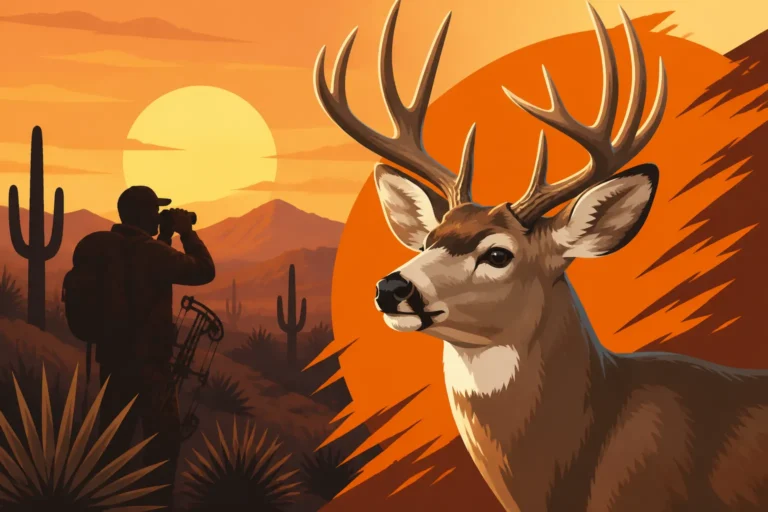
Coues deer are famously dubbed the "gray ghost" for a reason. Their natural coloring blends seamlessly with the desert scrub, oak brush, and rocky canyons they inhabit, making them exceptionally difficult to spot, even at relatively close ranges. They are masters of using broken terrain to their advantage, often moving quickly and quietly through thick cover. This unique characteristic is precisely Why Coues Deer Are Called Gray Ghosts, and it’s a title they wear with well-deserved pride. A successful Coues hunt demands top-tier optics, countless hours of glassing, and an unwavering commitment to the stalk. It’s not uncommon to spend days picking apart hillsides, only to catch a fleeting glimpse of a buck before it vanishes as if into thin air.
What Defines a "Good" Coues Unit?
When we talk about a "good" Coues unit, we're not just looking at a map and hoping for the best. It's a complex blend of factors. High on the list is consistent populations, meaning the unit has healthy numbers of deer, which naturally increases your chances of encountering animals. Equally important is the quality of the habitat; Coues deer thrive in specific elevations and vegetation zones, particularly the "sky island" mountain ranges that are iconic to southern Arizona. Access also plays a significant role; a unit might hold great deer, but if it's largely locked up by private land or incredibly difficult to navigate, your hunting experience can quickly become frustrating. Ultimately, a "good" unit offers a balance between reasonable draw odds and the potential to harvest a mature buck, allowing you to choose if you want a relatively easier tag or are willing to wait years for a shot at a trophy.
Key Factors for Choosing Coues Deer Units
Deciding which unit to apply for often feels like a gamble, but by understanding the key factors, you can make a much more informed decision. It's about aligning your hunting goals with the realities of the Arizona draw system and the specific characteristics of the state's diverse Coues deer habitat.
Habitat and Elevation for Coues Success
Coues deer are creatures of habit when it comes to their preferred homes. They thrive in the vast, rugged "sky island" mountain ranges that punctuate southern and central Arizona. These aren't just pretty peaks; they're ecosystems characterized by a transition from lower desert scrub to higher elevations of oak, juniper, and pine forests. This varied vegetation provides a year-round buffet of food sources and crucial cover from predators and the elements. A unit with strong elevation changes, deep canyons, and expansive oak flats is almost always going to hold more deer than flatter, more open desert. Access to consistent water sources, even small seeps or stock tanks, is also critical, especially during drier periods or in the early archery seasons when temperatures can still be soaring. For a deeper dive, exploring The Sky Island Ranges That Hold Coues will give you a clearer picture of these unique habitats.
Draw Odds Versus Trophy Potential
This is often the central tension for any Coues deer applicant: do you play the long game for a shot at a true giant, or do you prioritize drawing a tag, any tag, to get out in the field? Some units are known as trophy factories, consistently producing bucks with impressive antler growth, but the draw odds for these units are incredibly slim, often requiring years, if not decades, of accumulated bonus points. On the other hand, many units offer much more favorable draw odds, presenting a solid chance to get a tag without a massive wait. While these units might not always yield Boone and Crockett contenders, they offer fantastic opportunities for a respectable buck and an enjoyable hunting experience. Tools like GoHunt become invaluable here, allowing you to meticulously analyze historical draw data, success rates, and trophy potential for each unit and hunt code. This data-driven approach helps you decide if you want to apply for a hunt with 1% odds but incredible potential, or one with 10% odds for a good, solid hunt.
Top Contender Units for Coues Deer in Arizona
Arizona boasts a variety of units that consistently produce Coues deer, from the classic "sky island" ranges to more accessible foothills. Understanding the unique characteristics of each can help you tailor your application strategy.
Iconic Sky Island Units and Their Challenges
When you think of prime Coues deer country, the mind often drifts to Arizona's iconic "sky island" units in the southeastern part of the state. Units like 33, 34A, 34B, 35A, 35B, 36A, 36B, and 36C in the Coronado National Forest are legendary for their rugged beauty and the quality of bucks they produce. However, this reputation comes with significant challenges. The terrain is often incredibly steep, rocky, and covered in thick oak brush and thorny catclaw, demanding peak physical conditioning and durable gear. Hunters must be prepared for long days behind the glass, meticulously picking apart distant hillsides.
A typical day in these units involves hiking well before dawn to a high vantage point, setting up your spotting scope and binoculars, and then methodically scanning every shadow and patch of cover. The sheer scale of the country can be daunting, and it's easy to overlook a bedded buck that blends in perfectly. These are not units for the faint of heart or those new to glassing; they demand patience, persistence, and a keen eye. While the draw odds for these premier units are often very low, they represent the pinnacle of Coues hunting for many, offering the chance at a truly exceptional animal. Successfully hunting here is a badge of honor, a testament to skill and perseverance in some of the most beautiful, yet challenging, landscapes Arizona has to offer.
Here's a brief comparison of some key Coues deer units:
| Unit Number | Reputation / Key Features | Draw Difficulty | Terrain | Trophy Potential | Notes |
|---|---|---|---|---|---|
| Unit 21 | Diverse, good access, solid populations | Moderate | Rolling hills, oak brush, desert foothills | Medium to High | North of Phoenix, popular for its accessibility. |
| Unit 22 | Rugged, high elevation, good numbers | Moderate | Steep canyons, Ponderosa, brush | Medium to High | Mogollon Rim edge, challenging but rewarding. |
| Unit 33 | Sky Island classic, trophy potential | High | Very steep, rocky, thick oak/juniper | High | Demands serious glassing and physical stamina. |
| Unit 36A | Sky Island, remote, quality bucks | High | Steep, dense canyons, high desert | High | Excellent genetics, but very challenging access. |
| Unit 36B | Strong populations, diverse habitat | Moderate-High | Grasslands, oak, desert mountains | Medium-High | A good mix for trophy hunters and general tags. |
More Accessible Units for a Coues Experience
While the sky islands hold undeniable allure, not every Coues hunt needs to be an expedition into the deepest backcountry. Many units offer a fantastic Coues experience with slightly more accessible terrain and often, more favorable draw odds. Units like 21, 22, 23, and parts of the units west of Tucson, while still challenging, generally feature a more varied landscape that can be easier to navigate. You might find a mix of rolling hills, washes, and smaller mountain ranges, rather than the relentless, steep climbs of the true sky islands.
These units are excellent choices for hunters who are either building points, seeking their first Coues deer, or prefer a hunt that doesn't push their physical limits quite as hard. They might have more developed road systems (though often still requiring high-clearance 4×4 vehicles), making it easier to cover ground and access different areas. While the trophy potential might not consistently match the top-tier units, these areas still produce quality bucks and provide an authentic Coues deer hunting experience. The key is to manage your expectations: you're likely to find good deer, but the 110"+ giants might be rarer. However, the satisfaction of patterning a buck in these landscapes and executing a successful stalk is just as profound.
Navigating the Arizona Draw for Coues Deer
Drawing a Coues deer tag in Arizona can be a complex dance of strategy, patience, and a bit of luck. Understanding the system is crucial to improving your odds and eventually putting a tag in your pocket.
Understanding Arizona's Bonus Point System
Arizona operates on a bonus point system for its big game draws, including Coues deer. This system is designed to reward hunters who consistently apply, even if they aren't successful in drawing a tag each year. For every year you apply for a species and don't draw, you earn a bonus point for that specific species. These points essentially increase your odds in future draws. The more points you have, the more entries you get into the bonus point pass of the draw, where a significant portion of tags are allocated. It's a cumulative process; your points keep building until you successfully draw a tag for that species, at which point your points for that species are reset to zero.
Beyond simply applying, you can also earn a permanent bonus point by completing The Ethically Hunting Arizona Course Explained. This is a one-time point that remains with you permanently and provides a valuable boost to your draw odds. It's important to remember that Arizona's points are species-specific; your Coues deer points will not help you draw an elk or javelina tag, as Do Points Carry Across Arizona Species? No, they absolutely do not. Consistency is key, even if you’re applying for a point-only option in years you don’t plan to hunt, just to keep those points accumulating.
Strategic Application for Coues Deer
Once you understand the bonus point system, strategic application becomes paramount. This involves balancing your current point total with your hunting aspirations. If you have few points, you might consider applying for units with higher draw odds to get a tag sooner, even if the trophy potential isn't as high. These are often the "more accessible" units discussed earlier. If you've accumulated several points, you might decide to hold out for a premium unit with better trophy potential, knowing you have a better chance in the bonus point pass.
Another layer of strategy involves weapon choice. Archery-only seasons, particularly the late archery hunts, often have slightly better draw odds than early rifle hunts in the same units. While bowhunting Coues deer is an incredibly demanding pursuit that requires immense skill and preparation for How Close a Bowhunter Needs to Get on Coues, it can be a viable path to drawing a tag sooner. Utilizing platforms like GoHunt is almost essential for this strategic planning. These services compile years of draw data, allowing you to filter by unit, weapon type, and point level, giving you the best possible estimate of your chances. They also help you understand the specific hunt codes, which are crucial for distinguishing between various seasons and weapon types within the same unit.
Timing Your Application and Season Choice
Arizona has two primary draw cycles: one in February for elk and antelope, and another in June for deer, bighorn sheep, and bison. For Coues deer, you'll be focusing on the June draw cycle. It's absolutely critical to pay attention to the application deadlines, as missing them means missing out on a point for the year. Beyond the timing of the application itself, your choice of season can significantly impact your experience. Arizona offers early archery, early rifle, late archery, and late rifle seasons for Coues deer, with specific dates varying by unit and year.
Early archery seasons, often in August and September, can be brutally hot but offer opportunities to catch bucks in their summer patterns. Late archery seasons, typically in December and January, coincide with the rut, providing exciting opportunities but also facing increased hunter pressure and colder weather. Rifle seasons also have their unique advantages and challenges. Before committing to a specific hunt, it's wise to engage in E-Scouting an Arizona Unit Before the Season to familiarize yourself with the terrain, access points, and potential glassing spots, tailoring your season choice to the conditions you're most comfortable hunting. GoHunt also provides valuable insights into how draw odds and success rates fluctuate across these different season dates, allowing you to make the most informed decision.
Disclaimer
This article is for general informational purposes only and does not constitute professional advice. Laws, prices and regulations vary by location and change over time. Consult a qualified professional for guidance on your specific situation.