Strip and Kaibab Mule Deer Reputation
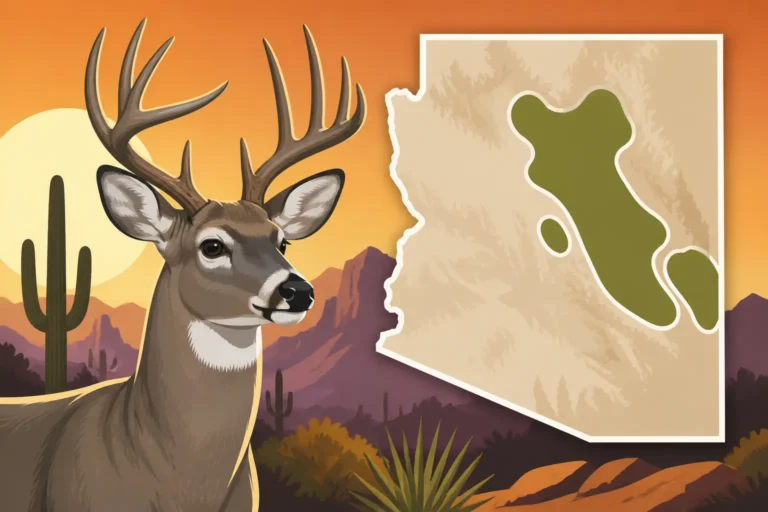
For many hunters, the very mention of "the Arizona Strip" or "the Kaibab Plateau" conjures images of colossal mule deer, bucks with antlers wide and heavy enough to make your jaw drop. It’s a dream, a whispered legend among those who pursue big game, but also a source of intense competition and sometimes, even heartbreak. This guide dives deep into the well-earned reputation of these iconic Arizona hunting grounds, exploring what makes them so special, the unique challenges they present, and what you can realistically expect if you're lucky enough to draw one of these coveted tags.
The Allure of Arizona's Northern Giants: Understanding the Reputation
Arizona's northern reaches, particularly the vast expanse known as the Arizona Strip and the high-elevation forests of the Kaibab Plateau, hold a mystique unparalleled in the world of mule deer hunting. It's not just hype; there's a tangible history and consistent record of producing some of the largest mule deer bucks on the continent. This reputation didn't emerge overnight; it's a culmination of genetics, habitat, and dedicated management, all wrapped up in a challenging, remote landscape that demands respect and serious preparation.
What Makes the Arizona Strip and Kaibab So Legendary?
The legend of these areas is built on a few core pillars. First and foremost are the genetics. Both the Strip and the Kaibab have populations of mule deer known for their robust body size and impressive antler growth, a testament to generations of adaptation to their unique environments. The Kaibab, with its higher elevation, offers rich forage during certain times of the year, contributing to healthy deer. The Strip, while appearing more barren to the uninitiated, harbors diverse desert vegetation that, when combined with strategic water sources, provides essential nutrients.
Secondly, habitat quality plays an enormous role. The Kaibab Plateau, specifically, boasts some prime winter range crucial for deer survival and antler development. While the Strip presents a more arid landscape, it is vast and rugged, offering ample cover and escape routes for mature bucks. Thirdly, the management strategies implemented by the Arizona Game and Fish Department have historically focused on quality over quantity for these trophy units. Low tag numbers and restricted access mean less pressure on the deer, allowing bucks to reach older age classes and, consequently, grow bigger antlers. This approach, while making tags incredibly difficult to draw, ensures the perpetuation of the trophy potential that draws hunters from across the globe.
A Legacy of Giants: Trophy Potential and Hunter Dreams
When hunters talk about "trophy" mule deer, the Arizona Strip and Kaibab often top the list. These areas are consistently producing bucks that not only make the record books but often redefine what’s considered possible for mule deer. The Boone & Crockett Club records are peppered with giants taken from these units, solidifying their status as bucket-list destinations. We're talking about bucks scoring well over 200 inches, not just as a rare anomaly, but as a recurring possibility, albeit a slim one, for those who put in the time, effort, and have a good bit of luck in the draw.
The "once in a lifetime" hunt truly applies here. For many, drawing one of these tags represents the culmination of years, even decades, of applying and accumulating bonus points. This high stakes scenario fuels the dream, motivating hunters to invest heavily in scouting, equipment, and physical conditioning. It's not just about harvesting an animal; it's about the pursuit of a genuinely world-class animal in a wild, untamed landscape. The sheer challenge of the terrain, combined with the low deer densities in some areas, means that success, even with a tag in hand, is far from guaranteed. However, the potential reward of a truly massive mule deer keeps the dream alive for countless applicants.
Unpacking the Habitat: Where These Big Bucks Live
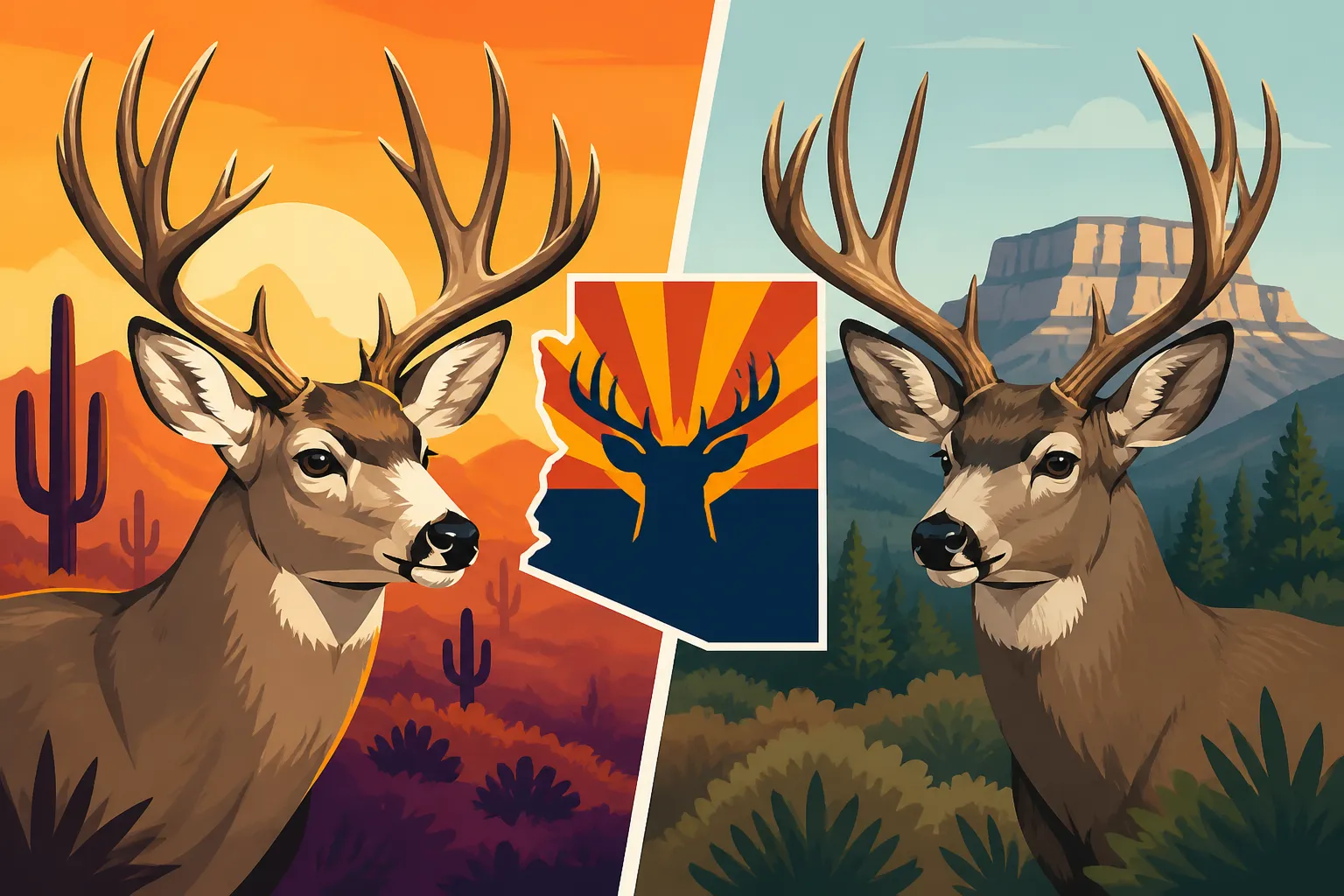
Understanding the unique habitats of the Arizona Strip and the Kaibab Plateau is fundamental to appreciating their reputation and planning a successful hunt. While both are in northern Arizona and known for big mule deer, their landscapes and challenges couldn't be more different. From the deep canyons of the Strip to the high-elevation Ponderosa pine forests of the Kaibab, each area demands a distinct approach from the hunter.
The Arizona Strip: A Land of Canyons and Mesas
The Arizona Strip, a sprawling region north of the Grand Canyon, is a rugged, remote, and often unforgiving landscape. It's characterized by vast, flat-topped mesas, deep, winding canyons, and endless expanses of sagebrush, blackbrush, and Juniper. Water sources are scarce, making them critical focal points for wildlife, particularly in drier years. The sheer scale of the Strip, encompassing multiple game management units, means that hunters face immense challenges in finding deer. Access can be difficult, with many areas requiring high-clearance 4×4 vehicles and extensive navigation skills. You'll often find yourself miles from pavement, relying on detailed maps and GPS, much like you would when Reading an Arizona Unit Boundary Before You Apply.
The Strip's deer often utilize the canyon country for cover and the more open flats for feeding. They are masters of their environment, blending seamlessly into the drab desert backdrop. The diverse forage, though scattered, provides a rich diet when conditions are right, contributing to the health and antler growth of these mule deer. Hunters targeting the Strip must be prepared for long days of glassing, often covering vast tracts of country with powerful optics from high vantage points. It's a game of patience and persistence, where finding a buck often requires as much skill and luck as making the stalk. The remoteness also means that hunters need to be self-sufficient, carrying ample water, food, and emergency supplies.
The Kaibab Plateau: High Forests and Winter Range
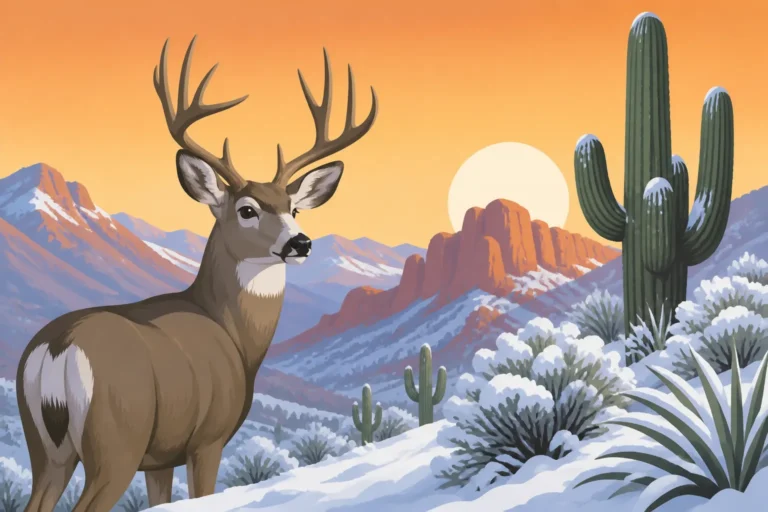
In stark contrast to the desert of the Strip, the Kaibab Plateau rises as a forested island, primarily covered in Ponderosa pine, fir, and aspen. Located north of the Grand Canyon, it's famous for its dramatic mule deer migrations. In the warmer months, deer disperse throughout the high-elevation forests, but as winter approaches and snow begins to fall, they are pushed down into lower elevation winter range. This concentration of deer during certain times of the year has historically made the Kaibab a renowned hunting destination. You'll find yourself hunting in thick timber, navigating steep drainages, and potentially dealing with snow, which can be a double-edged sword: it can make tracking easier but also make travel and glassing more challenging.
The Kaibab's distinct habitat presents different challenges and opportunities. While glassing is still important, still-hunting and tracking through the timber become more viable strategies, especially after a fresh snowfall. Understanding deer migration patterns and knowing where they tend to funnel as they move off the plateau is critical. The "Kaibab" is often associated with the famed Unit 12A, but the entire plateau system offers excellent opportunities. Hunters here need to be proficient at navigating dense forest, recognizing deer sign, and being ready for a close-quarters encounter. The colder temperatures and potential for significant snow mean different gear considerations compared to the warmer, drier Strip. For more specific details on where these deer winter, check out Where Arizona Mule Deer Winter.
The Draw and the Odds: Gaining Access to These Coveted Units
The dream of hunting big Arizona mule deer on the Strip or Kaibab often runs headfirst into the stark reality of the draw. Arizona operates a highly competitive limited-entry draw system for its premium big game species, and these mule deer hunts are at the very top of the demand list. Understanding how this system works and what the actual draw odds entail is crucial for anyone aspiring to chase these legendary bucks.
Understanding Arizona's Limited Entry Draw System
Arizona employs a bonus point system designed to reward loyal applicants while still offering a chance, albeit small, to those with fewer points. Essentially, for every year you apply for a species and are unsuccessful, you earn a bonus point. These points are species-specific, meaning Why Arizona Bonus Points Never Cross Species. When the draw occurs, the first 20% of the tags are allocated to applicants with the most bonus points, through what's known as the "Bonus Point Pass." After this, the remaining 80% of tags are allocated through a "Random Pass" where all applicants, including those with zero points, have a chance, with their bonus points still essentially multiplying their name in the hat.
Nonresidents face an additional hurdle: Arizona Caps Nonresidents at Ten Percent of Every Hunt. This means that no more than 10% of the available tags for any given hunt code can go to nonresident applicants, further intensifying competition for those outside the state. The application process itself is straightforward, but the strategic decision-making around which units to apply for, and whether to go for a "point only" option in years you don't expect to draw, can be complex. Arizona Runs Two Draw Cycles, February and June for its big game, with mule deer falling into the spring (February) cycle. Utilizing resources that analyze draw odds, like those offered by GoHunt, becomes invaluable here, allowing you to make informed choices based on historical data.
The Reality of Draw Odds for Strip and Kaibab
Let's not sugarcoat it: drawing a premium mule deer tag on the Arizona Strip (units like 13A, 13B) or the Kaibab Plateau (units like 12A) is exceptionally difficult. For residents, it can take 15-20+ years of consistently applying and accumulating points to be in contention for a tag through the Bonus Point Pass. For nonresidents, these numbers can easily double, often pushing into the 20-30+ year range for a reasonable chance.
The Kaibab units, especially 12A, and the coveted Strip units are often the hardest to draw in the entire state. Even with a significant number of bonus points, success is never guaranteed; you're still relying on the lottery system of the Random Pass. Many hunters choose to apply for "point only" for years, steadily building their bonus points for that eventual dream draw. Others might apply for slightly "easier" but still very good units, like some of the other Best Units to Draw for a Mature Mule Deer, hoping to draw sooner. The key is realistic expectation management. These are not hunts you apply for hoping to draw next year; they are multi-decade commitments for most. This intense competition is a direct reflection of the reputation these areas hold for producing truly giant mule deer.
Hunting Strategies for Trophy Mule Deer
Once you've beaten the odds and drawn one of these coveted tags, the real work begins. Hunting mule deer on the Arizona Strip or the Kaibab Plateau demands specific strategies tailored to their unique environments. It's not a generic deer hunt; it requires specialized skills, significant preparation, and an understanding of how these big bucks use the diverse terrain.
Glassing and Spot-and-Stalk on the Strip
Hunting the Arizona Strip is predominantly a glassing game. The vast, open nature of the country, interspersed with deep canyons and broken terrain, makes it ideal for covering immense distances with your optics. You'll spend countless hours behind binoculars and spotting scopes, systematically picking apart distant hillsides, washes, and the edges of mesas. High-quality optics are not just recommended, they are absolutely essential. Think 10x or 12x binoculars on a tripod, and a powerful spotting scope (20-60x or even 80x) to confirm antler size from miles away. Many hunters will utilize a technique similar to The Grid Glassing Method, Step by Step to thoroughly search an area.
Once a buck is spotted, the challenge shifts to the spot-and-stalk. This involves navigating the rugged, often steep and broken terrain, while maintaining visual contact (if possible) and keeping the wind in your favor. Long-range shooting proficiency is often a necessity, as closing distances in such open country can be incredibly difficult, and a 400-600 yard shot might be the only opportunity. Stalking often means using the contours of the land, dry washes, and sparse vegetation for cover. Knowing where to find Water Sources That Concentrate Arizona Desert Game can also be a key part of your strategy, as bucks will often be found traveling between these vital points. This type of hunting is physically demanding, requiring excellent conditioning and a keen sense of direction.
Navigating the Kaibab: Tracking and Still-Hunting in Timber
While glassing still plays a role on the Kaibab Plateau, particularly from prominent points overlooking expansive burns or open parks, the denser timber and higher elevations often call for different tactics. Here, still-hunting and tracking become more prominent. Still-hunting involves moving slowly and deliberately through the forest, pausing frequently to scan for movement, horizontal lines that break up the vertical forest, or the tell-tale flick of an ear. It requires an acute awareness of your surroundings, impeccable stealth, and the ability to interpret subtle signs.
If snow is on the ground, tracking can be an incredibly effective method. Fresh tracks can lead you directly to a buck's bedding area or feeding grounds. This requires skill in differentiating buck tracks from doe tracks, understanding track age, and predicting where a deer might be headed. Understanding the migration patterns of Kaibab deer is also paramount. Bucks will move from summer ranges to wintering grounds as the weather dictates, and knowing these corridors can put you in prime position. Dealing with snow means considering appropriate footwear, clothing for colder temperatures, and being prepared for potentially difficult travel conditions. Learning to read the subtle nuances of the forest, from rubs and scrapes to bedding areas, is what separates successful Kaibab hunters from the rest.
Preparation is Paramount: More Than Just a Tag
Drawing a Strip or Kaibab mule deer tag is just the first, albeit most difficult, step. The actual hunt demands an incredible amount of preparation, both physically and mentally. This isn't a casual endeavor; it's an expedition into challenging terrain, often far from immediate help, where your success and safety hinge on your readiness.
Physical and Mental Demands of a Northern Arizona Hunt
These hunts are physically brutal. Whether you're navigating the deep, steep canyons and endless mesas of the Strip or slogging through snow-covered timber on the Kaibab, you'll be covering vast distances over difficult ground. Carrying a heavy pack, binoculars, a rifle, and potentially game meat out of a remote canyon or up a steep ridge demands peak physical conditioning. Think of it less as a casual stroll and more as an endurance event. Many hunters train for months, focusing on cardio, strength, and hiking with a weighted pack. Neglecting your physical fitness is a surefire way to shorten your hunt and diminish your chances of success. It's similar to the kind of readiness required for a Physical Conditioning for a Sky Island Hunt.
Beyond the physical, the mental demands are equally intense. These hunts can be grueling, characterized by long days of no sightings, frustrating stalks, and the constant mental drain of searching vast landscapes. The isolation, especially on the Strip, can be profound. You might not see another person for days. Dealing with potential vehicle breakdowns, unpredictable weather, or navigating difficult terrain requires mental toughness, problem-solving skills, and a positive attitude. Being able to push through fatigue and stay focused, even when success seems distant, is a critical component of a successful hunt.
Essential Gear for Success
Your gear choices can make or break a Strip or Kaibab hunt. High-quality optics are non-negotiable. This includes premium binoculars (10x or 12x, often mounted on a tripod for stability) and a powerful spotting scope (20-60x or even 80x) to assess bucks from extreme distances. Navigation tools like a reliable GPS unit with detailed maps (like those you'd use for E-Scouting an Arizona Unit Before the Season) and a satellite communication device (like an InReach or Garmin Messenger) are vital for safety in remote areas with no cell service.
Footwear is another critical consideration. You'll need sturdy, broken-in hiking boots that provide excellent ankle support and comfort over rocky, uneven terrain. Clothing should be layered to adapt to wide temperature swings, especially on the Kaibab where mornings can be frigid and midday quite warm. A capable 4×4 vehicle with good tires, extra fuel, and a spare is essential for accessing many remote areas. Don't forget ample water (more than you think you'll need!), first-aid supplies, and emergency survival gear. For a closer look at preparing your vehicle, consider how important Glassing From a Vehicle Along a Forest Road can be for initial scouting.
Here's a quick comparison of general characteristics for these two iconic areas:
| Feature | Arizona Strip (Units 13A, 13B) | Kaibab Plateau (Unit 12A) |
|---|---|---|
| Primary Habitat | Desert scrub, open mesas, deep canyons, juniper, sagebrush | Ponderosa pine, fir, aspen forests, open parks, meadows |
| Elevation | Lower to mid-elevation (3,000 – 6,000 ft) | Higher elevation (6,000 – 9,000+ ft) |
| Hunting Style | Primarily long-range glassing, spot-and-stalk, often from vehicle or high points | Still-hunting, tracking, glassing open areas; migration dependent |
| Terrain | Extremely rugged, broken, vast, remote, poor road access | Forested, steep drainages, often snow-covered in late season |
| Water Sources | Scarce; critical focal points for game | More numerous, but can be seasonal |
| Weather | Hot days, cool nights; potentially dusty, strong winds | Cold, snow likely in late season; wide temperature swings |
| Draw Difficulty | Extremely difficult; often requires 20+ years of points | Extremely difficult; often requires 15+ years of points |
| Game Density | Generally lower density, but higher trophy quality potential | Moderate density; trophy quality potential very high |
Conservation and the Future of Arizona's Mule Deer
The reputation of the Arizona Strip and Kaibab Plateau isn't just about the current hunting opportunity; it's built on a foundation of long-term conservation efforts. Protecting these unique habitats and ensuring the health of the mule deer populations is an ongoing challenge, influenced by everything from climate patterns to human activity.
Management Efforts and Population Health
The Arizona Game and Fish Department (AZGFD) plays a crucial role in managing these iconic deer populations. Their strategies often involve balancing trophy potential with overall herd health. This includes conducting population surveys, monitoring fawn-to-doe ratios (which can Why Fawn Ratios Predict Next Season's herd health), and carefully setting tag numbers. Drought is a recurring challenge in Arizona, and it can significantly impact mule deer populations, especially on the more arid Strip. Periods of severe drought can reduce forage quality and availability, stress deer, and lead to lower fawn survival rates. Understanding How Drought Affects Desert Deer Numbers is key to appreciating the fragility of these ecosystems.
Predator management is another aspect that AZGFD considers, though it's often a contentious topic. Mountain lions and coyotes are natural predators of mule deer, and their populations are monitored to ensure a healthy balance within the ecosystem. Habitat improvement projects, such as prescribed burns or water catchment developments, are also undertaken to enhance conditions for deer. For a deeper dive into these strategies, looking at a Reading a Herd Unit Management Plan can provide valuable context for specific units. Ultimately, the goal is to maintain robust, healthy deer herds that can continue to produce the trophy animals these areas are known for, ensuring the legacy continues for future generations of hunters.
Ethical Considerations and Hunter Responsibility
Hunting on the Strip and Kaibab comes with a significant ethical responsibility. Given the rarity of drawing a tag and the trophy potential, there can be immense pressure to harvest a buck. However, maintaining fair chase principles and ethical conduct is paramount. This includes diligent scouting (perhaps using tools like GoHunt to analyze unit data), accurate shot placement to ensure a quick, humane harvest, and proper field dressing and meat care, especially in hot conditions. Respecting the animals and the landscape is fundamental. Leaving no trace, packing out all trash, and being mindful of your impact on these wild places are critical responsibilities.
Additionally, hunters should be aware of and adhere to all Arizona Game and Fish Department regulations, which can change year to year. This includes understanding legal shooting hours, carcass transport rules, and mandatory reporting requirements. The future of hunting in these legendary areas depends on the collective actions of every hunter to act as responsible stewards of the wildlife and their habitat. It's not just about taking a trophy; it's about honoring the animal, the land, and the tradition of hunting.
Disclaimer
Please remember that hunting regulations and season dates are subject to change. Always consult the official Arizona Game and Fish Department regulations booklet for the most current and accurate information before planning any hunt. This guide is for informational purposes only and does not supersede official state regulations.