Where Coues Whitetail Live in Arizona
For many hunters, the elusive Coues whitetail deer is the ultimate challenge in Arizona, often feeling like they've vanished into thin air even when you know they're around. It’s frustrating to spend hours glassing only to spot nothing but rocks and juniper, making you wonder if you’re even looking in the right type of country. This guide is here to unravel the mystery, providing a deep dive into the specific habitats and geographical pockets where these "gray ghosts" of the desert thrive, helping you pinpoint exactly where to focus your efforts.
Understanding the Coues Whitetail Habitat
Hunting Coues whitetail in Arizona isn't like chasing their larger cousins in the Midwest. These deer are uniquely adapted to the harsh, rugged, and often unforgiving landscape of the Southwest. Their habitat choices are a masterclass in survival, favoring areas that offer both ample forage and the immediate security of dense cover or broken terrain. It's about understanding the nuances of their preferred environment, which is far from uniform across the state.
The "Sky Islands" Phenomenon
If you've spent any time researching Coues deer, you've undoubtedly heard the term "Sky Islands." This isn't just a catchy phrase; it's the absolute core of their existence in Arizona. Imagine towering mountain ranges that rise dramatically from the flat, arid Sonoran Desert floor, creating isolated, cooler, and wetter ecosystems at higher elevations. These "islands" are exactly what they sound like: pockets of diverse flora and fauna, completely surrounded by a "sea" of desert.
For Coues deer, these Sky Islands, primarily found in southeastern Arizona, are sanctuaries. They offer the perfect blend of critical resources that simply aren't available down in the saguaro-studded lowlands. You'll find a richer variety of vegetation here, from oak woodlands and juniper forests to stands of ponderosa pine at the very top. This diverse plant life provides both food and security, allowing the deer to thrive in an otherwise challenging environment. The cooler temperatures and increased rainfall in these elevated areas create microclimates that are far more hospitable than the surrounding desert, making them ideal year-round homes for these agile deer.
Elevation and Vegetation Zones
Coues deer are very particular about their elevation, and it's a key factor in where you'll find them. Generally, you'll start seeing consistent Coues populations around 3,000 to 9,000 feet in elevation. This broad range isn't arbitrary; it corresponds directly to specific vegetation zones that provide everything a Coues needs.
Below 3,000 feet, the Sonoran Desert is simply too hot and dry for consistent populations, lacking the dense browse and cover they require. As you ascend into the 3,000 to 5,000-foot range, you enter the desert grassland and chaparral zones. Here, you'll find a mix of scrub oak, mesquite, acacias, and various grasses, offering good forage and decent cover. This is often excellent transition country, especially during cooler months. Climb higher, typically between 5,000 and 7,000 feet, and you're squarely in the oak woodland and juniper-pinyon pine belts. This is prime Coues country, characterized by dense thickets of scrub oak, manzanita, and scattered junipers, providing perfect bedding and escape cover. The abundance of acorns in oak-heavy areas can be a major draw, especially in the fall. Above 7,000 feet, you might find them in ponderosa pine and mixed conifer forests, particularly in areas with good understory or rocky breaks. Understanding these elevation bands and the corresponding vegetation is crucial for anyone hoping to find Where Coues Deer Live and Why.
Geographic Distribution Across Arizona
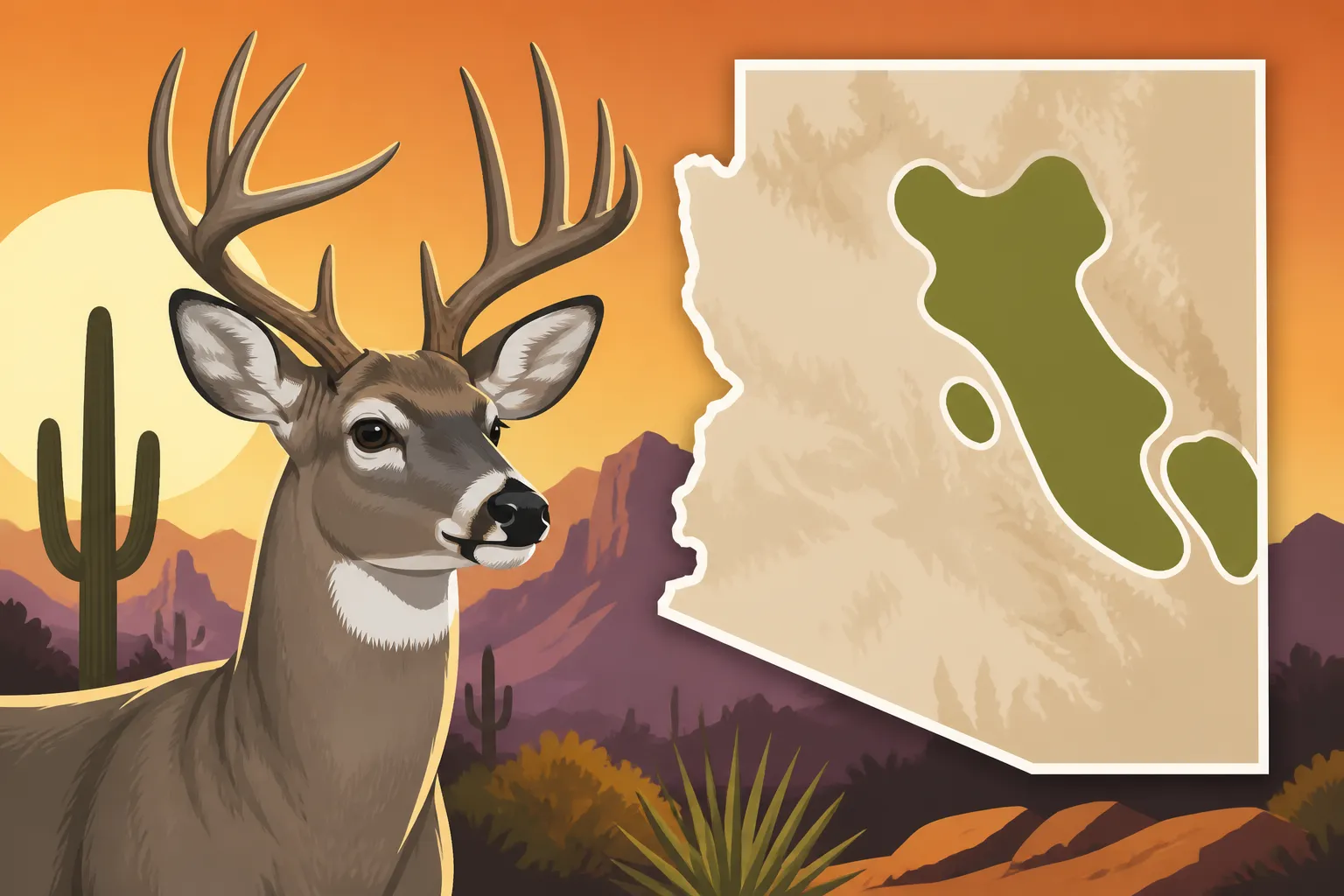
While the Coues whitetail is a statewide species, its distribution isn't even. You'll find concentrations in certain areas, particularly in the mountain ranges that create those critical "Sky Island" habitats. Knowing which units and mountain systems hold the strongest populations is paramount to planning a successful hunt. This isn't a game of guesswork; it's a study in specific geography and ecosystem resilience.
Southeastern Arizona's Prime Coues Country
When most experienced Coues hunters talk about prime real estate, their minds immediately drift to southeastern Arizona. This region is the undisputed heartland of the "gray ghost." The numerous Sky Island ranges here provide the perfect blend of elevation, vegetation, and ruggedness that these deer adore.
The Chiricahua Mountains are a classic example, rising dramatically from the desert floor and boasting diverse habitats. These mountains, along with the Huachuca Mountains and the Santa Rita Mountains, are renowned for their healthy Coues populations and challenging terrain. Here, you’ll find expansive oak woodlands interspersed with deep canyons and rocky outcrops, creating ideal conditions for both feeding and evasive action. Unit 36A, for instance, encompasses a significant portion of the Santa Rita Mountains and is a perennial favorite for many hunters. The Coronado National Forest manages much of this public land, offering vast areas to explore. These areas often require serious glassing efforts and physical stamina, but the reward can be substantial. You'll be spending a lot of time behind your glass, picking apart every patch of brush.
Central Arizona's Scattered Populations
While southeastern Arizona often gets all the glory, central Arizona also holds significant, albeit often more scattered, Coues populations. These areas might not have the continuous "Sky Island" structure of the south, but they still offer suitable habitat in their own right, especially in specific mountain ranges.
Units like the Mazatzal Mountains (Units 22 and 23) and the Superstition Mountains (Unit 24B) are home to healthy Coues herds. These ranges are typically rugged, characterized by steep canyons, dense chaparral, and plenty of rocky escape cover. The Pinaleno Mountains (Unit 31) also stand out as a central Arizona gem, offering high-elevation mixed conifer forests that transition down into oak and juniper. Hunting these central Arizona units can be a bit different; while the deer are present, they might be more dispersed, and the terrain can be even more physically demanding due to extreme steepness and dense vegetation. Success here often comes down to intimate knowledge of specific drainages and patient, methodical glassing. It's not uncommon to find yourself still hunting slowly through thick oak brush, trying to catch a glimpse of a deer before it vanishes.
The Northernmost Reaches
You might be surprised to learn that Coues whitetail extend surprisingly far north in Arizona, though in much smaller, more isolated pockets. These populations are often less dense and more localized, often limited by the availability of suitable habitat in what becomes more mule deer country.
In some of the transition zones between the high desert and the Mogollon Rim, you might find Coues deer sharing territory with mule deer. Units like 21, 22, and 23, while primarily central Arizona, do push towards the northern boundary of Coues range. Here, they'll often be found in the rugged canyons and breaks that offer a mix of pinyon-juniper and scrub oak, usually on south-facing slopes that get more sun. These northern populations can be a real challenge to hunt due to their low density and the vastness of the landscape. They require a dedicated effort to locate, often demanding extensive scouting. While not considered "prime" Coues country in the same vein as the Sky Islands, these areas offer unique hunting experiences for those willing to put in the work. When considering these areas, checking Where Arizona Lists Unit Harvest Statistics can give you a clearer picture of historical success rates.
Key Habitat Components for Coues Deer
Beyond just the geographic location, understanding the specific components that make a habitat ideal for Coues deer is critical. It’s not enough to be in the right mountain range; you need to be looking in the right kind of spot within that range. These smaller details often mean the difference between seeing deer and spending a quiet day admiring the scenery.
Water Sources and Their Importance
In arid Arizona, water is life, and for Coues deer, it's no different. While they are incredibly adapted to dry conditions, requiring less free water than many other deer species, consistent access to reliable water sources is a major factor in their distribution and activity patterns.
You'll often find Coues deer concentrated around natural springs, seeps, stock tanks, and even small, seasonal puddles that persist after rain. During the hotter months, especially during the August archery hunts, these water sources become absolute magnets. Deer will often bed close to water, or move to and from it during the cooler parts of the day, typically dawn and dusk. Learning to identify these spots on a map, and then confirming them on the ground, can be a game-changer. Features like stock tanks, even small ones, can be vital. Keep an eye out for game trails leading directly to water, as these are clear indicators of regular deer activity. Understanding Water Sources That Concentrate Arizona Desert Game is key to finding consistent deer activity.
Food Sources and Seasonal Changes
Coues whitetail are primarily browsers, meaning they prefer to eat the leaves, twigs, and fruits of woody plants rather than grass. Their diet shifts seasonally based on availability, and understanding these shifts can help you predict where they'll be feeding.
During the spring and summer, they’ll consume a variety of forbs, new growth on shrubs, and cactus fruits. In the fall, acorns become a critical food source, especially in the oak woodlands of the Sky Islands. Identifying areas with a high density of oak trees that are producing acorns can be a major draw for deer, causing them to concentrate in specific drainages or on certain slopes. Other important browse species include mountain mahogany, mesquite, various sages, and even some grasses after monsoon rains. Paying attention to what’s green and what's producing fruit or nuts at the time of your hunt will help you narrow down potential feeding areas. This means that Still Hunting Oak Brush for Coues becomes a highly effective tactic during acorn drops.
Cover and Escape Terrain
Coues deer are notoriously shy and use terrain and vegetation to their absolute advantage. Dense cover provides security from predators and hunters, while rugged, broken country offers ideal escape routes.
Look for areas with thick stands of juniper, scrub oak, mountain mahogany, and chaparral. These dense thickets offer excellent bedding sites, where deer can disappear entirely from view, even at close range. They're often found on steep slopes, within deep canyons, or on north-facing aspects that provide shade and cooler temperatures during the day. The broken, rocky terrain of Arizona's mountain ranges is also crucial. Coues deer are incredibly agile and can navigate steep, rocky cliffs and canyon systems with ease, making them incredibly difficult to pursue once they've been spooked. Their ability to seemingly vanish into the landscape is why they've earned the nickname "gray ghosts." Mastering the art of spotting them in this environment often means learning to Glassing Arizona's Sky Islands for Coues Deer effectively.
| Habitat Feature | Typical Location | Why it Attracts Coues | Hunting Strategy Consideration |
|---|---|---|---|
| Sky Islands | Southeastern & Central Mountain Ranges | Cooler, wetter, diverse vegetation | Focus on higher elevations, glassing vast distances. |
| Oak Woodlands | Mid-elevations (5,000-7,000 ft) | Abundant acorns, dense browse/cover | Still hunting, focusing on active acorn drops. |
| Juniper/Pinyon | Mid-to-high elevations | Excellent bedding, escape cover | Identify thickets, plan careful stalks. |
| Steep Canyons | Throughout mountain ranges | Escape routes, thermal pockets, shade | Approach from above, play thermals, use terrain. |
| Natural Springs | Isolated pockets, often hard to access | Primary water source, especially summer | Sit water, check for tracks, focus on dawn/dusk. |
| Stock Tanks | Lower/mid-elevations | Crucial water in dry areas | Glass from a distance, patterns deer movement. |
Scouting and Locating Coues Whitetail
Finding Coues whitetail isn't just about knowing where they could be; it's about actively scouting and narrowing down the vast landscapes to specific areas of opportunity. This involves a combination of modern technology and old-fashioned boots-on-the-ground effort. Without a diligent scouting plan, even the best Coues country can feel empty.
E-Scouting and Map Research
Before you ever set foot in the field, a significant portion of your scouting should happen from your couch. Digital mapping tools have revolutionized how hunters approach new units. Platforms like GoHunt and onX Hunt allow you to pore over satellite imagery, topo maps, and land ownership layers from the comfort of your home.
Start by identifying potential Coues habitat: look for areas with the right elevation, dense cover (visible as darker green patches), and proximity to water sources. You can mark potential glassing knobs, bedding areas, and travel corridors. Pay close attention to north-facing slopes for bedding and south-facing slopes for early morning feeding. Use the contour lines to gauge steepness and accessibility. Identify potential access roads and trails, but also pinpoint areas that require serious hiking to reach, as these often hold less pressured deer. GoHunt's data on draw odds and unit breakdowns can also give you a leg up in selecting a unit, and their filtering tools are invaluable for cross-referencing past harvest data with habitat types. Remember, E-Scouting an Arizona Unit Before the Season is the first, crucial step.
Boots on the Ground Reconnaissance
While e-scouting is powerful, there's absolutely no substitute for putting boots on the ground. A good scouting trip before the season can confirm what your maps show, reveal hidden gems, and help you understand the terrain in a way no satellite image ever could.
When you're out there, look for fresh deer sign: tracks, droppings, rubs (though less common with Coues), and fresh browse. Pay attention to game trails, especially those leading to and from water or bedding areas. Identify key glassing vantage points that give you a commanding view of potential Coues habitat. Spend time simply observing the landscape through your optics; learn how the light changes throughout the day, where shadows fall, and how deer might use thermal currents. Consider setting up trail cameras in key funnels or near water sources, but be aware of Trail Camera Rules on Arizona Public Land which apply. The goal isn't necessarily to spot a specific buck (though that's a bonus), but to understand the patterns of deer movement and the lay of the land.
Timing Your Scouting Trips
Timing is everything, especially in Arizona's diverse climate. The best time to scout for Coues deer depends on what you're hoping to learn. If you're hunting early archery season in August, scouting during the late spring or early summer can give you a good idea of water sources and overall habitat conditions before the intense summer heat sets in.
For fall hunts, a scouting trip in late summer or early fall can be invaluable. This allows you to check for recent acorn crops, observe early rutting activity, and verify water levels. Be mindful of monsoon season, typically July through September, which can make some roads impassable and create temporary water sources. During these times, the deer may be more dispersed. Conversely, during extended dry periods, they will concentrate heavily around permanent water. Consider scouting during cooler times of day or in the very early morning to replicate hunting conditions. Always check local weather and road conditions before heading out, especially in more remote areas. Knowing how Drought Affects Desert Deer Numbers will also influence your scouting priorities.
Challenges and Conservation Efforts
Hunting Coues whitetail is a fantastic challenge, but it's important to recognize the environmental and management challenges that affect these unique deer. Understanding these factors not only broadens your appreciation for the species but also highlights the importance of responsible hunting and conservation efforts.
Drought and Habitat Degradation
Arizona is no stranger to drought, and prolonged dry spells can have a significant impact on Coues deer populations and their habitat. When rainfall is scarce, forage quality declines, and water sources dry up, forcing deer to concentrate in smaller areas or seek out less ideal habitats.
This stress can lead to lower fawn survival rates, reduced body condition in adult deer, and ultimately, a decline in overall population numbers. Habitat degradation, often exacerbated by drought, also plays a role. Wildfires, while natural, can also dramatically alter deer habitat, sometimes for the better by promoting new growth, but often negatively if severe or too frequent. Overgrazing in some areas can also impact forage availability. These environmental pressures make it even more critical for hunters to practice ethical hunting and support conservation initiatives that aim to improve habitat and water availability for wildlife. The impacts of Drought Affects Desert Deer Numbers are an ongoing concern for land managers and hunters alike.
Predator Management and Population Dynamics
Coues deer are part of a complex desert ecosystem, and predators play a natural role in population dynamics. Mountain lions are the primary natural predators of Coues deer, with coyotes often preying on fawns. While these predators are an essential part of a healthy ecosystem, their populations are also managed by the Arizona Game and Fish Department (AZGFD) to maintain balance.
AZGFD continuously monitors deer populations through various surveys and research projects. This data helps them set harvest quotas and season structures that aim to ensure healthy, sustainable deer numbers. In some areas, targeted predator management might be implemented if predator numbers are deemed to be having an excessive impact on deer populations, though this is a complex issue with many variables. As hunters, our role is to participate in the management process by adhering to regulations, reporting harvests, and purchasing licenses and tags, which directly fund these conservation efforts.
Conservation Efforts and Public Involvement
The long-term health of Coues whitetail populations relies heavily on dedicated conservation efforts, often spearheaded by the AZGFD and supported by various conservation organizations and public involvement. These efforts range from habitat restoration to water development projects.
One of the most impactful conservation initiatives involves building and maintaining artificial water catchments, or "guzzlers," in areas where natural water sources are limited. These guzzlers provide crucial water during dry periods, helping deer and other wildlife survive. Habitat improvement projects, such as prescribed burns or brush thinning, can also enhance forage quality and create better cover. As hunters, we have a vital role to play. Beyond purchasing licenses, which directly fund AZGFD's work, we can volunteer for habitat projects, report wildlife observations, and educate others about the importance of conservation. Organizations like the Arizona Deer Association are dedicated to preserving and enhancing deer populations and their habitat, providing avenues for hunters to become directly involved. Your commitment to ethical hunting and conservation ensures that these unique "gray ghosts" will continue to roam the Arizona mountains for generations to come.
Disclaimer
Please remember that hunting regulations and land access rules can change. Always consult the most current Arizona Game and Fish Department regulations before planning any hunt or scouting trip. It's your responsibility to know and follow all applicable laws.