Trail Camera Rules on Arizona Public Land
When you're dedicated to hunting in Arizona, especially for elusive game like Coues deer or big bulls on the Mogollon Rim, the thought of letting technology do some of the heavy lifting with scouting is incredibly appealing. Trail cameras are an invaluable tool, offering a peek into the secret lives of game animals when you can't be there. However, navigating the specific rules and ethical considerations for using these devices on Arizona's vast public lands can feel like a maze, leaving many hunters frustrated and unsure if their setup is even legal. This guide is here to untangle those complexities, explaining exactly what you need to know to deploy your trail cameras responsibly and within the bounds of Arizona law.
The Basics: What Arizona's Regulations Say About Trail Cameras
It’s easy to assume that if you own the camera, you can put it anywhere. But when you’re on public land, things get a little more complicated. The Arizona Game and Fish Department (AZGFD) has specific guidelines, and these are often complemented by the rules of the land management agency overseeing the area you're in, be it the Bureau of Land Management (BLM) or the U.S. Forest Service. Understanding these foundational rules is critical to avoiding fines and ensuring your scouting efforts are legitimate.
General Legality and Placement on Public Lands
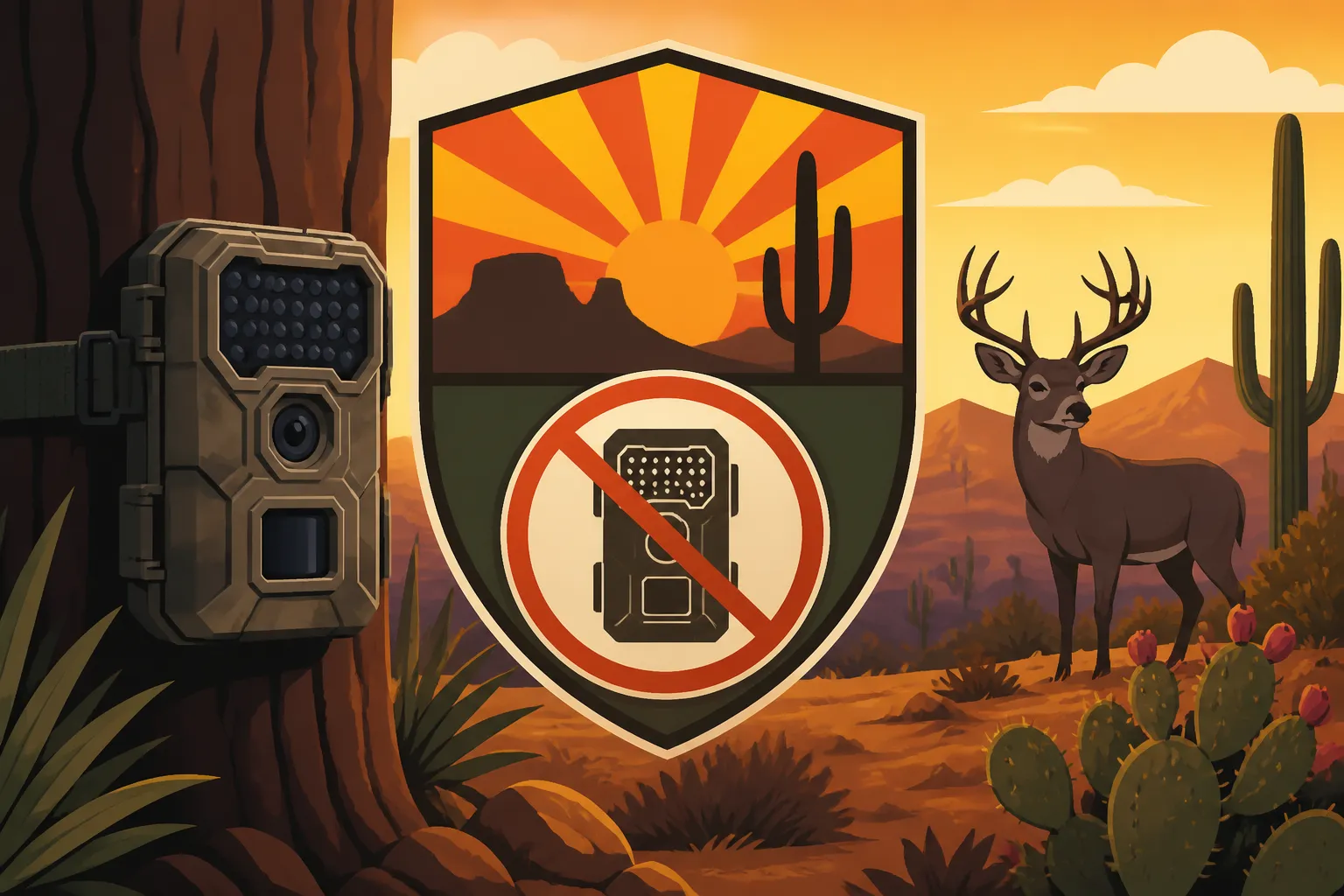
Let’s get straight to it: generally speaking, trail cameras are legal to use on most public lands in Arizona. This means you can deploy them for scouting purposes, capturing images and video of wildlife activity, as long as you adhere to certain principles. The key is that these cameras must not permanently alter the landscape, damage natural resources, or obstruct public access. You can't just nail a camera to a tree with huge lag bolts or clear a path for it by cutting down brush. Most hunters use straps or bungee cords to attach their cameras, which is perfectly acceptable.
However, "public land" isn't a monolithic entity. There are different types, each with its own nuances. For instance, if you're thinking about placing a camera on Arizona State Trust Land, remember that while a valid Arizona hunting license often acts as your general recreation permit, there can be specific restrictions or requirements. It’s always smart to double-check the local land manager's policies. While the state largely permits their use, individual units or wilderness areas might have additional stipulations. This isn't just about what the camera does, but how its presence interacts with the environment and other users.
Prohibited Actions: Avoiding Violations
While trail cameras are broadly allowed, there are very specific actions that are strictly prohibited when using them on public land in Arizona. The most significant one, and a frequent cause for violation, is the use of cameras in conjunction with baiting. Arizona has clear rules against baiting big game animals. This means you cannot place a trail camera within an area that has been baited, nor can you place bait to attract animals to a location where you have a camera set up. The intent here is to prevent hunters from gaining an unfair advantage by artificially concentrating game.
Furthermore, any act that involves harassing wildlife or interfering with their natural movements for the purpose of photography or scouting, whether with a camera or in person, is prohibited. This extends to things like using attractants that aren't considered bait but still alter animal behavior unnaturally. You're meant to observe, not manipulate. Keep in mind that these rules are designed to maintain fair chase principles, which are central to Arizona's hunting heritage. For a deeper dive into what constitutes baiting, you might want to look into Baiting Rules That Apply in Arizona. It’s crucial to understand these distinctions because ignorance of the law is no excuse, and violations can lead to hefty fines and even loss of hunting privileges.
Personal Property and Abandonment Concerns
When you set out an expensive trail camera, you're naturally concerned about its security. On public land, your camera is still your personal property, but leaving it unattended for extended periods can sometimes blur the lines, especially if it's left past the hunting season. While Arizona doesn't have a specific "abandoned property" clause solely for trail cameras, land management agencies generally have rules regarding personal property left on public lands. If a camera is left out for months or years, it could potentially be considered abandoned property and removed by land managers.
It's a good practice to retrieve your cameras promptly after the season or when you're done scouting a particular area. Not only does this protect your investment from theft or damage, but it also minimizes your footprint on the land. Remember, every piece of gear you leave behind eventually becomes litter. Moreover, if a camera is placed in such a way that it could pose a hazard or interfere with official activities, it might be removed by authorities. A little proactive planning on your part can save a lot of headaches later on. Using robust mapping tools, like those offered by GoHunt, can help you precisely mark and track your camera locations, making retrieval much easier and ensuring you don't accidentally leave one behind.
Navigating Specific Land Jurisdictions
Arizona is a mosaic of different land ownerships, from vast tracts of federal land to state-managed properties and even private holdings. While the general rules for trail cameras are a good starting point, specific jurisdictions often layer on additional regulations that are important for hunters to understand. What's perfectly fine on one type of public land might be a no-go on another, and failing to understand these distinctions can quickly turn a scouting trip into a legal headache.
National Forests and BLM Land
The majority of Arizona's public hunting opportunities lie within National Forests and Bureau of Land Management (BLM) lands. For the most part, the AZGFD regulations regarding trail cameras align with federal land policies: no permanent installations, no damage to natural resources, and no baiting. However, it's always a smart move to check with the specific forest or BLM field office governing the unit you plan to hunt. Local forest orders or district-specific rules can sometimes impose additional restrictions you might not find in the general state regulations.
For example, some areas might have rules regarding how long a temporary structure (which a trail camera could be considered) can remain in place, or specific guidelines for attachment methods. These localized rules are often posted on bulletin boards at trailheads or ranger stations, but the most reliable source is always the official website or a direct call to the relevant office. Many hunters rely on technology, like sophisticated trail cameras paired with mapping tools such as GoHunt's platform, to gain an edge, but even with all the intel from your trail cams and a robust e-scouting platform, understanding the underlying rules is paramount. It’s also wise to consult Motor Vehicle Use Maps (MVUMs) for the area; while they primarily deal with vehicle access, they often indicate areas with special restrictions. For general guidance on federal lands, there's also information available on Motor Vehicle Use Maps for Forest Ground, which can sometimes point to restricted areas where even foot traffic, and thus camera placement, might be limited.
State Trust Land and Wilderness Areas
Arizona's State Trust Land comprises millions of acres and offers significant hunting opportunities. As mentioned before, a valid hunting license generally covers your access for recreational activities like hunting and scouting, including trail camera deployment. However, it’s not always as straightforward as federal lands. State Trust Land is managed to generate revenue for specific beneficiaries, and as such, there can be active leases for grazing, agriculture, or other uses. While a general recreation permit is your hunting license, there are times when a separate recreational permit might be required, for activities beyond simple passage or hunting. It's always a good idea to confirm if your activity falls under the umbrella of your hunting license or if a separate permit from the Arizona State Land Department is needed, especially if you plan to leave items unattended. This guide on Arizona State Trust Land Needs a Permit, and Your License Counts can provide more clarity.
Wilderness Areas present a much stricter environment. These areas are designated to preserve their pristine, undeveloped character. This typically means no mechanized equipment and no permanent or semi-permanent installations. In many wilderness areas, this rule is interpreted to include trail cameras. The principle is to leave no trace, and a trail camera, even one strapped to a tree, is considered a man-made intrusion. If you're hunting in a designated wilderness area, it's generally best to assume trail cameras are prohibited unless you can explicitly confirm otherwise with the managing agency. Understanding Wilderness Rules Inside Arizona Forests is absolutely crucial if you plan to hunt or scout in these sensitive regions, as the regulations are designed to maintain the wild character of these unique landscapes.
Ethical Considerations and Best Practices
Beyond the letter of the law, there's a broader discussion to be had about the ethical use of trail cameras. As more and more hunters adopt this technology, it becomes increasingly important to consider the impact our actions have on other users of public land, on the wildlife itself, and on the overall hunting experience. Being a responsible hunter means not just following the rules, but also upholding the values of fair chase, respect, and stewardship.
Respecting Other Hunters and Wildlife
Imagine spending days scouting a prime piece of elk country, only to stumble upon a half-dozen trail cameras plastered to trees near a water source. It can be disheartening, even frustrating, to realize someone else might be collecting data on "your" spot. While it's legal, a saturation of cameras can lead to a feeling of intrusion and overcrowding. As responsible hunters, we should strive to minimize our impact and respect the experience of others. This means being mindful of where you place cameras, considering whether your setup is overly conspicuous, and thinking about the visual clutter it might create.
Furthermore, consider the animals themselves. While a trail camera is generally non-intrusive, a poorly placed camera that spooks an animal or disrupts its natural behavior can undermine your own scouting efforts and potentially impact the animal's patterns. Always try to place cameras discreetly, away from obvious game trails if possible, and with minimal disturbance to the surrounding habitat. Using a powerful tool like GoHunt's mapping capabilities, you can mark your camera locations and also visualize potential bedding areas, travel corridors, and water sources to help you make more informed and less intrusive decisions about camera placement. When you're Reading Terrain Before You Pick a Camp, consider similar principles for your camera locations – blend in, minimize disturbance.
Minimizing Impact and Security Best Practices
When you deploy a trail camera, your goal should be to leave no trace. This means choosing non-damaging attachment methods, such as straps that won't girdle a tree or leave permanent marks. Avoid using nails, screws, or anything that pierces the bark. When you remove your camera, make sure you take everything with you, including any trash or discarded batteries. The goal is that no one should ever know a camera was there after you've packed it out. This commitment to leaving no trace is fundamental to public land ethics.
Security is another practical concern. Unfortunately, camera theft is a reality on public lands. While no method is foolproof, you can take steps to deter thieves. Camouflage your camera effectively, place it off main trails, and consider using a security box or cable lock if permissible. Regularly checking your cameras is also important, not just for data retrieval, but to ensure they haven't been tampered with or fallen down. Timing a Summer Scouting Trip Around Storms isn't just about deer movement; it’s also about checking on your gear after heavy weather. It's a balance between keeping your camera discreet and secure, and being able to access it for maintenance.
Data Analysis and Effective Scouting
The real power of a trail camera isn't just in collecting images, but in how you analyze that data to inform your hunt plan. Don't just scroll through photos; look for patterns. What time of day are animals moving? What routes do they prefer? Are certain animals only showing up at night? Correlate this information with moon phases, weather patterns, and even human activity in the area. This is where advanced e-scouting tools truly shine. For instance, using a platform like GoHunt, you can overlay your camera data points with satellite imagery, topographical maps, and public land ownership layers to develop a comprehensive understanding of animal behavior in relation to the landscape.
Effective use of trail cameras means understanding more than just where game is; it's about understanding why they're there and when. Are you seeing consistent patterns that suggest a bedding-to-feeding routine, or is it more sporadic? This careful approach, combined with advanced scouting tools, truly enhances your chances of success. It allows you to refine your strategy, whether it’s planning a stalk on a bedded Coues buck or identifying a reliable water source during Arizona's hot early seasons. Remember, a camera is a tool, and like any tool, its effectiveness depends on the skill of the user. For more on maximizing your digital scouting efforts, check out E-Scouting an Arizona Unit Before the Season. This careful approach, combined with advanced scouting tools like GoHunt, truly enhances your chances of success in the field.
Ethical Encounters: What to Do If You Find Another Camera
It's almost inevitable when spending time on Arizona's public lands that you'll eventually stumble upon another hunter's trail camera. When this happens, your response says a lot about your character and respect for the hunting community. It's important to react ethically and legally, maintaining good sportsmanship even when faced with the potential for frustration or curiosity.
Respecting Others' Property and Privacy
The golden rule here is simple: leave it alone. Just as you wouldn't want someone tampering with your gear, extend the same courtesy to others. Do not touch, move, or steal another hunter's trail camera. It's not yours, and interfering with it is not only unethical but could be illegal. Curiosity is natural – you might wonder what they're seeing or if it's placed on "your" hot spot – but resist the urge to peek at the SD card or adjust the camera's angle. Everyone has the right to scout legally and privately on public land.
Sometimes, you might find a camera placed in a questionable spot, perhaps too close to a water source or appearing to violate baiting rules. Even in these situations, the appropriate response is not to take matters into your own hands. Instead, document the location and any suspicious activity, and report it to the Arizona Game and Fish Department or the relevant land management agency. They are equipped to investigate and take action if a violation has indeed occurred. Taking matters into your own hands could escalate the situation and potentially put you in legal jeopardy.
Reporting Violations
If you genuinely believe a trail camera is being used in violation of Arizona's hunting regulations—for example, if it's clearly set over bait, in a wilderness area where cameras are prohibited, or is causing damage to public property—you have a responsibility to report it. The AZGFD relies on responsible hunters to help enforce regulations and maintain the integrity of our hunting heritage.
When reporting, provide as much specific detail as possible: the exact location (GPS coordinates are best, which you can get using a mapping app even if you don't use GoHunt), the date and time you observed the camera, a description of the setup, and any evidence of illegal activity (like bait). Do not remove the camera or confront the person who placed it. The AZGFD or the land management agency will conduct the investigation. Your role is simply to provide accurate information to the authorities. This helps ensure fair chase for everyone and protects Arizona's wildlife resources for future generations. Remember, the goal is compliance, not confrontation.
Trail Camera Do's and Don'ts on Arizona Public Land
To help keep things clear, here's a quick reference table summarizing the key points for using trail cameras responsibly and legally in Arizona.
| Action | Do's | Don'ts |
|---|---|---|
| Placement | Use non-damaging straps/bungees. | Nail/screw into trees, damage vegetation. |
| Legality | Generally allowed on most public lands (BLM, National Forests). | Place in designated Wilderness Areas (usually prohibited). |
| Baiting | Observe natural game movement. | Place cameras over any form of bait for big game. |
| Maintenance & Retrieval | Check cameras regularly, retrieve promptly after season/use. | Abandon cameras indefinitely, leave trash/batteries behind. |
| Respecting Others | Place discreetly, minimize visual impact, use mapping tools like GoHunt to track. | Over-saturate areas, interfere with other hunters' experience. |
| Encountering Others' Cameras | Leave them untouched. | Tamper with, move, or steal other hunters' cameras. |
| Reporting Violations | Document and report suspected illegal use to AZGFD. | Take matters into your own hands, confront other hunters. |
| Land-Specific Rules | Verify local rules with specific BLM/Forest Service offices or State Land Department. | Assume rules are uniform across all public land types. |
Final Thoughts on Responsible Trail Camera Use
Using trail cameras can be an incredibly rewarding aspect of hunting in Arizona, offering unprecedented insight into the behavior of the state's amazing wildlife. It’s a tool that can significantly enhance your scouting and ultimately your hunting success, but with that power comes a responsibility to use it wisely, ethically, and legally. By understanding and adhering to Arizona's specific regulations, respecting fellow hunters, and minimizing your impact on the land, you're not just ensuring your own ability to use these tools, but you're also contributing to the preservation of fair chase hunting and the wild places we all cherish.
Disclaimer
Please be aware that hunting regulations, including those pertaining to trail cameras, can change. It is always the hunter's responsibility to consult the most current Arizona Game and Fish Department regulations and any local land management agency rules before deploying trail cameras or engaging in any hunting activities. This article provides general information and should not be considered legal advice.