Why Arizona Splits Its Draw Into Two Cycles
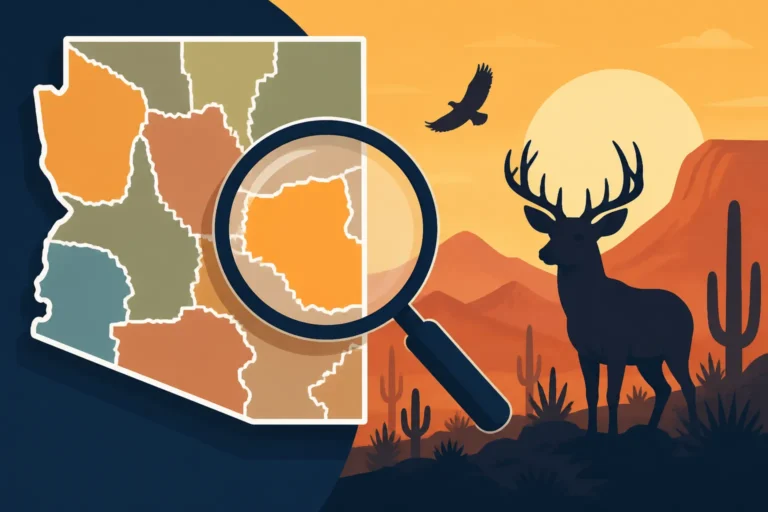
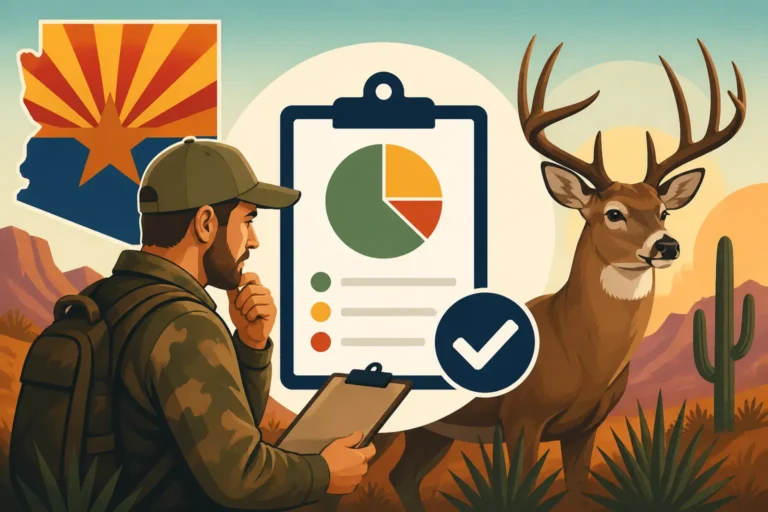
Hunting in Arizona can feel like trying to solve a complex puzzle, especially when you're first diving into the state's unique draw system. Many hunters, myself included, have scratched their heads trying to figure out why Arizona Game and Fish Department (AZGFD) decided to split its highly anticipated big game draw into two distinct cycles each year. It can lead to missed deadlines, confusion about species, and a lot of head-spinning if you're not prepared. This guide is all about unraveling that mystery, explaining the logic behind the two draw cycles, and giving you the strategies you need to navigate them successfully, ensuring you don't miss out on those coveted Arizona tags.
Understanding the Rationale Behind Arizona's Dual Draw System
It's easy to just see "two deadlines" and groan, but there's a method to the madness. The Arizona Game and Fish Department isn't just trying to complicate our lives; the split draw serves several important purposes, from administrative efficiency to biological management and even, believe it or not, easing the burden on hunters themselves. Think of it less as a hurdle and more as a structured approach to managing a highly sought-after resource.
Spreading the Administrative Workload for Arizona Game and Fish
Imagine the sheer volume of applications that flood the AZGFD every year. We're talking tens of thousands of hopeful hunters, each applying for multiple species, listing various unit choices, and often applying in groups. If all of that paperwork, data entry, verification, and processing had to happen within a single, condensed timeframe, it would be an absolute nightmare for the department.
By dividing the draw into two separate cycles, AZGFD effectively halves the immediate workload. This allows their staff to meticulously process applications for elk and antelope in the winter, focusing all their resources on those species, and then shift gears to deer, sheep, and bison applications in the spring. It’s like having two separate assembly lines rather than one massive, bottlenecked system. This staggered approach helps ensure accuracy in drawing results, proper allocation of bonus points, and timely notification to applicants. It's a critical operational strategy that keeps the entire system from grinding to a halt, especially when you consider the complex rules regarding things like "Arizona Caps Nonresidents at Ten Percent of Every Hunt" or "How Arizona's Bonus Point Pass Awards the First Twenty Percent".
Aligning Draw Dates with Species-Specific Research and Management Needs
Beyond the administrative side, the split draw is also deeply rooted in the biological and management needs of Arizona's diverse big game species. Different animals have different breeding cycles, migration patterns, and habitat requirements, all of which influence when and where they can be hunted sustainably. The timing of each draw cycle often correlates with when the most up-to-date data for that species becomes available for game managers.
For instance, elk and antelope research and population surveys might be finalized earlier in the year, allowing for precise tag recommendations and draw allocations to be made for the February cycle. Deer, especially Coues deer in the southern sky islands, might have their data available slightly later, or their seasons might overlap with other species in a way that makes a later draw more sensible. This way, the department can make informed decisions based on the freshest scientific data, ensuring that hunt numbers are appropriate for current population health and conservation goals. This isn't just about giving hunters tags; it's about responsible wildlife stewardship, and the draw timing plays a role in that larger picture.
Accommodating Different Hunter Planning Timelines and Financial Commitments
Let's be honest, hunting can be an expensive passion, and the tag fees for premier Arizona species are no small sum. If every single application, from elk to deer to bighorn sheep, required an upfront financial commitment all at once, it would be a huge barrier for many hunters. The split draw offers a significant advantage in this regard: financial flexibility.
By separating the draws, hunters don't have to tie up thousands of dollars in potential tag fees all at once. You can apply for elk and antelope in February, see if you draw, and then if you're successful (or unsuccessful), you have a few months to regroup, replenish your hunting fund, and plan for the June draw for deer, sheep, or bison. This eases the financial burden and allows for more thoughtful budgeting throughout the year. It also gives hunters a chance to plan their physical and logistical preparations between potential hunts. Drawing an elk tag in February might shift your focus for the year, giving you plenty of time to research and prepare for that expedition before even thinking about a deer tag in June. It’s about managing both your wallet and your calendar effectively.
The February Draw Cycle: Focus on Arizona's Premier Big Game
The February draw cycle is often the one that generates the most buzz and anticipation among Arizona hunters, especially those chasing big bulls or speedy antelope. It's the first major draw of the year, setting the tone for many hunters' seasons. This cycle is dedicated to the truly iconic species that draw hunters from all over the country.
Species Included and Key Deadlines for Elk and Antelope
When February rolls around, get ready to focus on two of Arizona's most coveted big game animals: elk and pronghorn antelope. These are the species that often require years, sometimes decades, of accumulating bonus points to draw a desirable tag. The application period typically opens in late January and usually closes in early to mid-February. It's a critical window, and missing "The Arizona Elk and Antelope Application Deadline" can mean missing an entire year's chance at these incredible animals.
Elk hunting in Arizona is legendary, with the state consistently producing massive bulls from areas like the Kaibab Plateau or the Mogollon Rim. Antelope, with their keen eyesight and incredible speed, offer a unique and challenging hunt across the state's grasslands. Both hunts are highly regulated, with limited tags available to ensure sustainable populations and high-quality hunting experiences. The excitement around this draw is palpable, as it truly represents the dream hunt for many.
The Significance of High-Demand Hunts in This Cycle
The decision to place elk and antelope in the February draw cycle is largely due to their high demand and the significant management effort they require. These hunts are considered premier opportunities, often with very low draw odds, especially for the top-tier units. For many, drawing one of these tags is a once-in-a-lifetime achievement. The units that produce the biggest bulls or bucks are intensely sought after, driving up the bonus point requirements year after year.
Because of this intense competition, hunters often rely on sophisticated tools to analyze their chances. Many avid applicants turn to resources like GoHunt to sift through historical draw data, unit statistics, and success rates. These platforms provide invaluable insights into "Checking Arizona Draw Odds Before You Apply", helping hunters make informed decisions about their unit choices and increase their chances of success, even if it just means drawing a bonus point. This is where strategic application, rather than just wishful thinking, truly comes into play.
Preparing Your Application for the February Draw
Given the high stakes involved in the February draw, preparing your application thoroughly is paramount. It's not just about selecting your desired unit; it's about understanding the nuances of the hunt codes, the season dates, and the specific regulations for the units you're applying for. Start by spending ample time reviewing the current year's hunt regulations booklet, paying close attention to "Reading an Arizona Hunt Code". Each code specifies the weapon type, season dates, and unit boundaries, and a misunderstanding can lead to a forfeited tag or a hunt you weren't expecting.
Beyond the regulations, dedicate time to researching potential units. Websites like GoHunt offer detailed unit profiles, harvest success data, and draw odds that can help you prioritize your choices. Consider "Scouting an Arizona Unit Before the February Deadline" if possible, even if it's just digitally. Look at public land percentages, access points, and historical game concentrations. Finally, be financially prepared. If you're successful in the draw, the full tag fee will be charged to your card. Ensure your payment information is current and that you have sufficient funds available to cover the cost, because you don't want to draw that dream tag only to have your payment decline.
The June Draw Cycle: Expanding Opportunities for Other Species
Once the dust settles on the February draw and elk and antelope tags have been allocated, Arizona hunters get a second opportunity to pursue other fantastic big game animals through the June draw cycle. This period focuses on a different set of species, offering a fresh slate and different planning considerations.
Species Covered and Application Timeline for Deer, Sheep, and Bison
The June draw is where you'll find applications for Arizona's deer species – both the iconic Coues deer and the majestic mule deer – along with the incredibly rare bighorn sheep and the powerful bison. Like the February draw, this cycle has its own specific timeline, typically opening in May and closing around early to mid-June. It's another crucial deadline, so make sure you mark "The Arizona Deer, Sheep and Bison Deadline" on your calendar and set multiple reminders!
Mule deer hunts on Arizona's plateaus and desert ranges offer opportunities for impressive bucks, while Coues deer, often called the "gray ghost of the desert," provide a challenging and rewarding glassing hunt in the southern mountains. Bighorn sheep, both "Arizona Holds Desert and Rocky Mountain Bighorns", and bison are once-in-a-lifetime opportunities that many hunters dream of for years. The sheer diversity in this draw means there's something for almost every big game hunter looking for a unique Arizona experience.
Strategic Considerations for Combining Applications Across Cycles
One of the biggest advantages of Arizona's split draw system is the strategic flexibility it offers hunters. You can apply for your dream elk or antelope tag in February, and if you're unsuccessful, you still have the opportunity to chase a deer, sheep, or bison tag in June. This means you’re not putting all your eggs in one basket at the very beginning of the year.
Even if you do draw an elk tag in February, the June draw allows you to consider adding another species to your hunting calendar, diversifying your experiences for the year. Maybe you'll draw an early archery elk tag, and then you can still apply for an archery Coues deer tag later in the fall. It spreads out the planning, the scouting, and the financial commitment, making it more manageable to pursue multiple big game hunts in a single year without feeling overwhelmed. It’s a chance to extend your hunting season and maximize your time afield, truly appreciating what Arizona's diverse landscapes have to offer.
Understanding the Unique Dynamics of Sheep and Bison Draws
While deer tags in the June draw can be tough to get for prime units, the bighorn sheep and bison draws are on an entirely different level of rarity and competition. These are truly once-in-a-lifetime tags, meaning if you're lucky enough to draw and harvest one, you won't be able to draw another tag for that specific species in Arizona again. This makes the anticipation and dedication surrounding these applications incredibly intense.
The odds of drawing a bighorn sheep or bison tag are astronomically low, often requiring decades of accumulating bonus points or an incredible stroke of beginner's luck. Many hunters consistently apply for a point-only option for these species year after year, patiently building their odds for that one magical draw. It’s a testament to the perseverance of hunters and the allure of these magnificent animals. Understanding this long-game approach is crucial, and it means that for these species, the June draw is often more about investing in future opportunities than expecting an immediate tag.
Navigating Both Draws: A Hunter's Strategic Approach
Successfully navigating Arizona's two draw cycles isn't just about marking deadlines; it's about developing a cohesive strategy that considers your long-term goals, financial realities, and research capabilities. It demands foresight and careful planning to make the most of every application opportunity.
Managing Bonus Points Across Different Species
One of the most critical aspects of Arizona's draw system is understanding how bonus points work, especially across the different cycles. The golden rule in Arizona is that "Why Arizona Bonus Points Never Cross Species". Your hard-earned elk points will only help you draw an elk tag, and your deer points will only contribute to a deer draw. This means you can be building points simultaneously in both the February and June cycles without one impacting the other.
This characteristic is both a blessing and a curse. It's a blessing because you don't have to choose between building points for elk or deer; you can do both. It's a curse because it means you need to be diligent about applying for a point in each species group you're interested in, year after year, even if you don't plan to hunt that species every season. Many hunters use platforms like GoHunt to meticulously track their bonus point totals for each species, as well as to analyze the average points required to draw specific units. This data is indispensable for planning when to apply for a tag versus just applying for a point. Remember, there are "Three Ways to Earn an Arizona Bonus Point", so make sure you're taking advantage of every opportunity.
Financial Planning for Multiple Applications and Potential Tag Fees
Let's talk brass tacks: money. Applying for big game tags in Arizona can be a significant financial undertaking, especially if you're throwing your hat in the ring for multiple species across both draws. Each application typically has a non-refundable fee, and if you draw a tag, the full tag cost will be charged to your account. This is why the split draw can actually be a financial relief, allowing you to spread out your potential expenditures.
My advice? Treat your hunting fund like a separate savings account. After the February draw results are posted and you know if you're holding an elk or antelope tag (and have paid for it), you then have a few months to save up again for the June draw. This prevents that "sticker shock" of seeing a massive charge on your credit card statement all at once. Be realistic about what you can afford, and don't over-apply if it means putting yourself in a difficult financial position. It’s better to apply strategically for one or two species you truly want, rather than stretching yourself thin and potentially having to decline a drawn tag.
Maximizing Your Odds: Research and Application Tactics
Beyond understanding the mechanics of the draw, truly maximizing your odds in Arizona requires a deep dive into research and a tactical approach to your application. The Arizona Game and Fish Department publishes a tremendous amount of data on their website, including past draw odds and harvest reports, which are invaluable resources. However, sifting through raw data can be time-consuming and frankly, a bit overwhelming.
This is where specialized tools shine. Platforms like GoHunt aggregate and analyze this public data, presenting it in an easily digestible format. They can show you not just the overall draw odds for a unit, but also the odds broken down by resident/non-resident, weapon type, and even point levels. This kind of detailed analysis is crucial for understanding "Checking Arizona Draw Odds Before You Apply" and making educated decisions on your unit choices. Whether you're targeting a high-success general deer hunt or patiently building points for a trophy elk unit, using these resources can make the difference between a frustrating application process and a strategic one. Remember to also look into specific hunt types like "What a HAM Hunt Actually Is" to fully understand all your options.
The Pros and Cons for Hunters in Arizona's Split Draw System
Like any complex system, Arizona's two-cycle draw isn't without its advantages and disadvantages. It's important for hunters to understand both sides of the coin to fully leverage its benefits and mitigate its potential drawbacks.
The Advantages: Flexibility and Reduced Pressure
For many seasoned Arizona hunters, the split draw system offers considerable benefits. The most obvious is the added flexibility it provides. You get two distinct windows to apply for tags, rather than a single, all-or-nothing deadline. This means if you miss the February deadline due to life getting in the way (and let's be honest, it happens), you still have a chance to apply for a tag in the June draw. It’s a welcome second chance.
This flexibility also extends to planning. If you draw that dream elk tag in February, you have several months to focus your energy on preparing for that hunt—scouting, training, and dialing in your gear—before the June draw even opens. This reduces the immediate pressure of having to plan for multiple major hunts simultaneously and spreads out your research load. Furthermore, as discussed, the staggered financial commitment is a huge plus, allowing hunters to manage their budgets more effectively throughout the year.
The Disadvantages: Complexity and Potential for Missed Opportunities
Despite the benefits, the split draw can introduce a layer of complexity that can be challenging, especially for new hunters or those less familiar with Arizona's specific regulations. Keeping track of two distinct deadlines, along with the different species associated with each, can be confusing. It's not uncommon for hunters to accidentally miss one of the deadlines, losing out on a year's application or the chance to earn a bonus point.
The separate point systems, while offering flexibility, also mean you have to be diligent about applying for points in each species category if you're playing the long game. If you're focused heavily on elk and forget to apply for a deer point in June, you've essentially lost a year in the race for a deer tag. This complexity can sometimes lead to missed opportunities if not managed carefully. The learning curve for understanding "The Arizona Hunter Education Age Requirement" or "What an Apprentice Hunting License Allows" is already there, and adding a dual draw system can make it feel even steeper.
Adapting Your Hunting Calendar to Arizona's Draw Cycles
To truly succeed in Arizona's two-cycle draw system, you need to become a master of your hunting calendar. This isn't just about jotting down a few dates; it's about building a comprehensive year-long plan that accounts for application deadlines, draw result dates, scouting windows, and potential hunt dates.
Start by marking both the February and June application deadlines prominently. Set digital reminders, sticky notes, whatever it takes. Once draw results are announced (which you can usually find information on through "When Arizona Posts Draw Results"), immediately update your calendar with any tags you've drawn. This will help you identify potential conflicts or areas where you might need to adjust your plans. For example, if you draw an early archery elk tag, your August and September will be dedicated to that, meaning your availability for early fall deer scouting might be limited. Conversely, if you don't draw in February, you can shift all your focus and remaining funds to the June draw, potentially looking at more aggressive unit choices or applying for multiple deer tags if available. A proactive approach to your calendar is your best defense against confusion and missed opportunities in Arizona’s unique hunting landscape.
Arizona Big Game Draw Cycles at a Glance
To help you keep track of the key differences between the two draw cycles, here’s a quick overview. Remember, these are general guidelines, and specific dates can shift slightly each year, so always consult the current Arizona Game and Fish Department regulations.
| Feature | February Draw Cycle | June Draw Cycle |
|---|---|---|
| Primary Species | Elk, Pronghorn Antelope | Mule Deer, Coues Deer, Bighorn Sheep, Bison |
| Typical Deadline | Early to mid-February | Early to mid-June |
| Application Fees | Required for each application | Required for each application |
| Tag Fees | Charged upon successful draw | Charged upon successful draw |
| Bonus Points | Species-specific (Elk, Antelope) | Species-specific (Deer, Sheep, Bison) |
| Anticipation | High-demand trophy hunts | Diverse, including once-in-a-lifetime tags |
| Planning Impact | Sets the stage for the year | Offers secondary opportunities; diversifies hunts |
Disclaimer
The information provided in this article is for general guidance and informational purposes only. Arizona hunting regulations, deadlines, and tag fees are subject to change by the Arizona Game and Fish Department (AZGFD). Always consult the official AZGFD hunting regulations booklet and their website for the most current and accurate information before applying for any tags or heading afield. It is the hunter's responsibility to know and understand all applicable laws and regulations.