Kaibab Plateau Mule Deer Quality
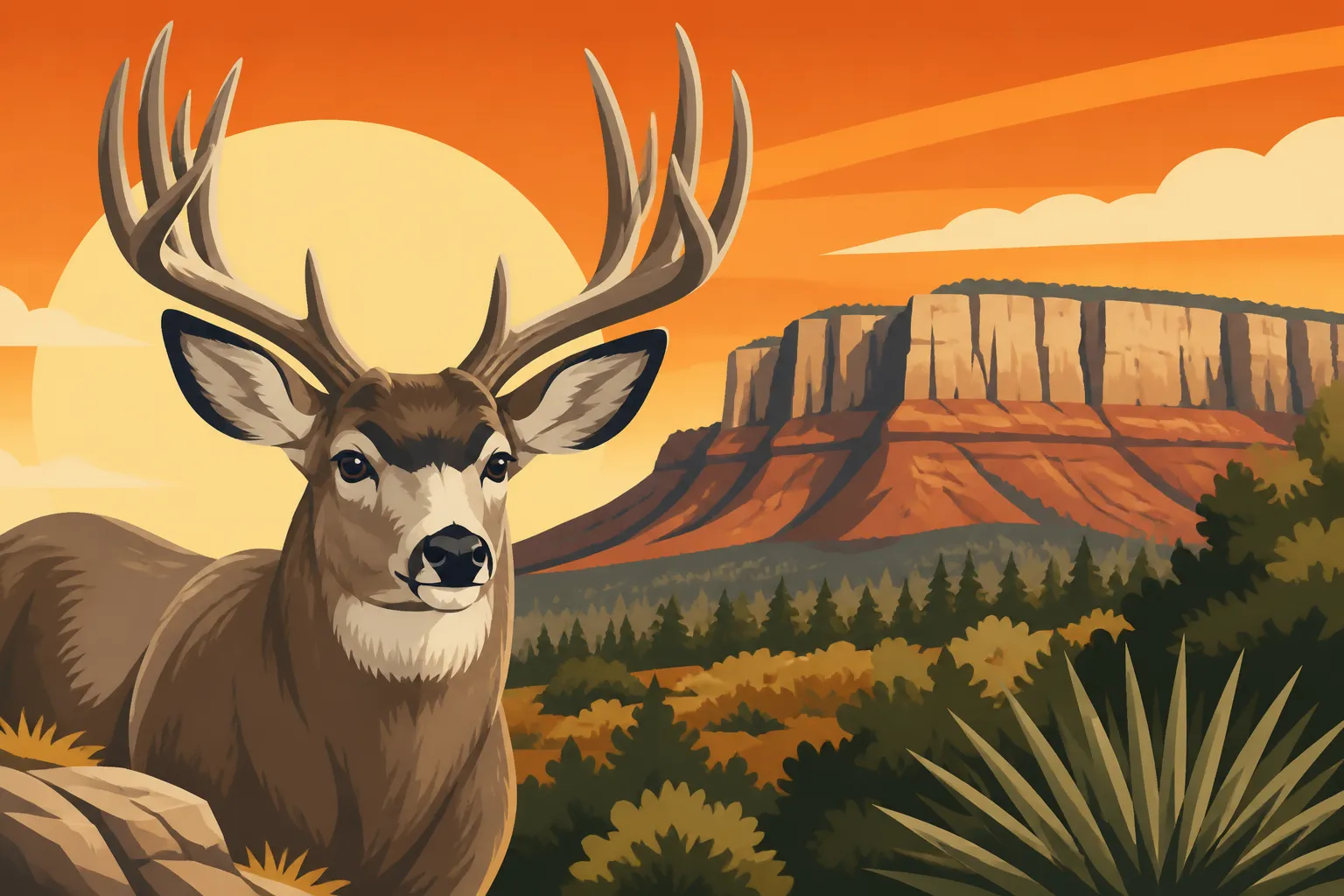
For many hunters, the Kaibab Plateau mule deer represents the pinnacle of Western hunting dreams. The stories of massive bucks and incredible experiences from this legendary Arizona unit have echoed through generations, but what's the reality today when it comes to the quality of these famed mule deer? This guide aims to clear up the mystique, offering a realistic look at the Kaibab's mule deer, their habitat, and what you can truly expect if you're lucky enough to draw a tag.
The Kaibab's Storied Reputation for Mule Deer
The mention of "Kaibab" in hunting circles instantly conjures images of huge mule deer, majestic Ponderosa forests, and a sense of wild, untouched grandeur. This reputation isn't just folklore; it's deeply rooted in the history of wildlife management and the unique ecosystem of this northern Arizona gem. However, like all things legendary, it's essential to separate the historical narrative from the contemporary experience.
A Legacy of Giants and High Expectations
Decades ago, the Kaibab Plateau, often referred to as Unit 12 and Unit 9 depending on which side of the Grand Canyon we're talking about, was indeed a mecca for giant mule deer. The reasons were complex, involving predator control programs in the early 20th century, extensive logging that opened up new forage, and periods of favorable moisture. Photos from that era showcase racks that are truly mind-boggling, setting an expectation for hunters that has lingered to this day. This legacy created a powerful draw, making a Kaibab tag one of the most coveted in the nation, something every serious mule deer hunter dreams of. Even today, the sheer excitement of holding that tag in your hand, knowing the potential that exists, is a huge part of the allure.
While those historical highs may not be the everyday reality anymore, the potential for a truly exceptional buck still exists, keeping the dream alive. It's an interesting dynamic, where the past informs the present expectations, even if the present offers a slightly different picture. The challenge and rarity of drawing a tag only amplify the excitement, making every hunt on the Kaibab feel like an extraordinary privilege.
Unique Habitat and Genetics Driving Quality
The Kaibab Plateau is far more than just "deer country"; it's a diverse and unique ecosystem that directly influences the quality of its mule deer. Situated north of the Grand Canyon, this vast tableland is primarily covered in dense Ponderosa pine forests, intermixed with Pinyon-Juniper woodlands, sagebrush flats, and lush meadows. These varied habitats provide a crucial mix of cover, forage, and water sources essential for mule deer health and antler growth. During periods of good rainfall, the quality and quantity of browse and forbs increase dramatically, providing the rich nutrition bucks need to grow impressive headgear.
Beyond habitat, the genetics of the Kaibab mule deer have long been recognized for their potential to produce large antlers. While environmental factors play a massive role, the underlying genetic blueprint allows these deer, when given optimal conditions, to express impressive antler characteristics. The remoteness of the plateau, combined with dedicated management efforts, has helped maintain a relatively stable gene pool, fostering the growth potential that hunters still seek today. Understanding these foundational elements helps us appreciate why this specific region continues to hold such a special place in the hearts of mule deer enthusiasts, even if it's no longer the "land of giants" on every corner.
Understanding Current Mule Deer Populations and Antler Growth
While the Kaibab's reputation is well-earned, it's important for hunters to approach a hunt there with realistic expectations for today's deer populations and antler quality. Wildlife management is a dynamic process, and deer herds, even in iconic locations, are subject to various environmental and ecological pressures.
Population Dynamics and Management Challenges
Mule deer populations on the Kaibab Plateau, much like in many Western states, have seen their share of fluctuations. Historical highs gave way to periods of decline, influenced by factors such as severe droughts, which impact forage availability and water sources, and changes in predator populations. When you're out there, glassing those big Ponderosa parks, you might not see deer around every corner like in some of the old stories. This doesn't mean the deer aren't there, but rather that their distribution and overall numbers have shifted.
The Arizona Game and Fish Department works tirelessly to manage these units for sustainable populations and quality hunting. Their strategies often involve balancing herd health with hunting opportunities, using science-based approaches to monitor deer numbers, fawn recruitment, and buck-to-doe ratios. They look at habitat condition, disease prevalence, and even how many Mule Deer Across Northern Arizona compare to other regions. It's a constant effort to adapt to changing conditions and ensure the long-term health of the herd. As a hunter, understanding these dynamics helps contextualize your experience and appreciate the efforts behind the scenes to maintain this incredible resource.
Antler Quality in Today's Kaibab
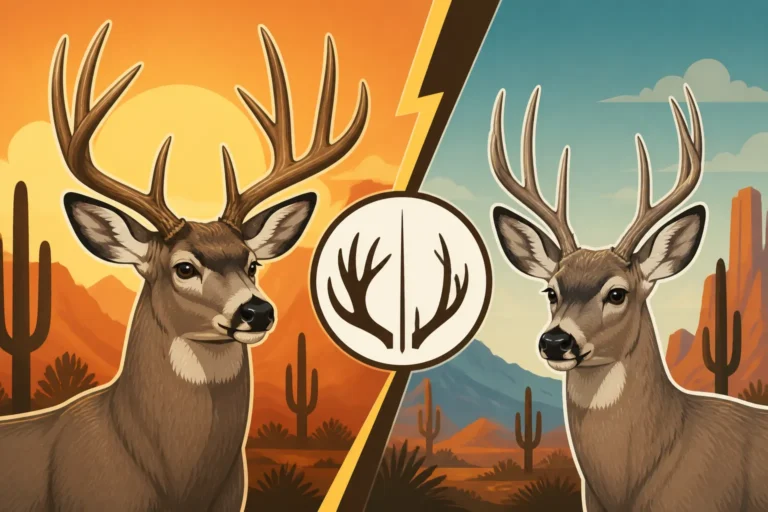
Let's talk brass tacks about antler quality today. While the Kaibab still produces some truly spectacular mule deer, it's generally not the "every-buck-is-a-monster" scenario of yesteryear. You can certainly find impressive 4x4s, heavy-horned 5x5s, and even wider, non-typical bucks. The potential for a record-book animal absolutely remains, but you might have to work harder and be more patient to find it. The key factors influencing antler growth today are still age, nutrition, and environmental conditions. Bucks that survive multiple hunting seasons and have access to abundant, high-quality forage during favorable moisture years are the ones most likely to develop those massive racks.
Think of it this way: while the Kaibab might not consistently yield the 200-inch giants of old in every hunt, it absolutely has the potential for them. A 180-inch buck on the Kaibab is still an incredible accomplishment and a truly magnificent animal. Hunters planning a trip to this renowned area should set realistic goals, aiming for a mature buck that represents the quality of the region, rather than solely fixating on the mythical giants of decades past. Knowing Judging a Mule Deer Buck in the Field will be critical, as you'll want to make the most of the opportunities presented.
Navigating the Kaibab Hunt Experience
The Kaibab Plateau offers an unparalleled hunting experience, but it's one that demands dedication, preparation, and a healthy dose of realism. From the initial application process to the boots-on-the-ground scouting, every step is part of the adventure.
The Challenge of Drawing a Tag and Accessing the Unit
Perhaps the biggest hurdle for most hunters eyeing the Kaibab is simply drawing a tag. These tags are among the hardest to come by in Arizona, especially for non-residents, due to the Arizona's Ten Percent Nonresident Cap on tags and the sheer number of applicants. It often takes many years of accumulating bonus points to have a reasonable chance, making the wait a significant part of the journey. Once you do draw, the real planning begins.
The Kaibab is a vast and wild place. While there are main roads, much of the best hunting requires getting off the beaten path. This means extensive e-scouting, often starting months in advance, using tools like GoHunt's mapping services to identify potential bedding areas, feeding grounds, and water sources. You'll want to layer topographical maps with satellite imagery, looking for subtle changes in vegetation or terrain that might hold deer. Understanding the boundaries is crucial too; knowing Reading an Arizona Unit Boundary Before You Apply is not just a good idea, it's a necessity. Physical scouting trips, if possible, are invaluable to get a feel for the terrain, verify water sources, and identify potential access points. The sheer scale of the units like Getting to Unit 9 North of the Grand Canyon means you need a solid plan for how you'll cover ground and what areas you'll prioritize.
Hunting Strategies and What Works on the Kaibab
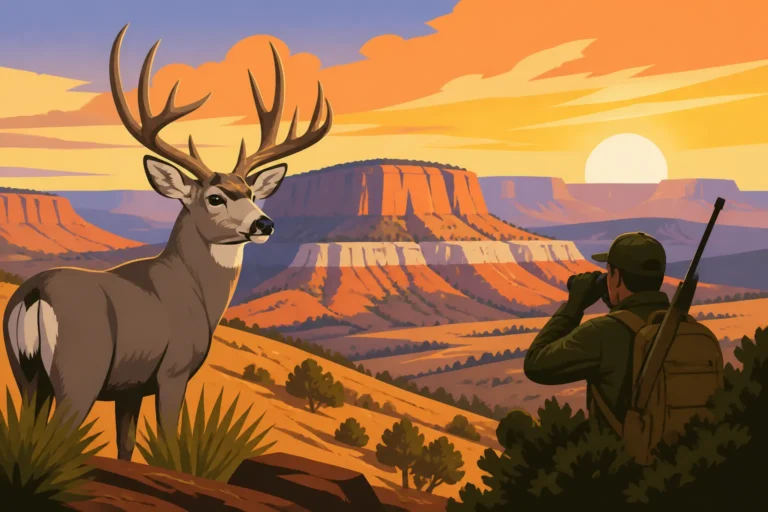
Hunting the Kaibab is an exercise in patience and persistence. The Ponderosa forests can be incredibly thick, making spot-and-stalk challenging in some areas, while the more open parks demand keen glassing skills. Most successful hunters employ a combination of strategies. Early mornings and late evenings often involve glassing large clearings, meadows, and burns, looking for deer moving to and from feed. This is where high-quality optics truly shine, allowing you to pick apart distant dark timber lines and shadows. Many hunters find that Why Coues Deer Reward Patience Over Movement isn't just about Coues, but a philosophy that applies to big Kaibab bucks too.
During the middle of the day, or in thicker cover, still-hunting can be highly effective. This involves moving incredibly slowly, pausing frequently to scan the woods ahead, listening for subtle sounds, and watching for movement. The Kaibab's mule deer are often found at various elevations, so understanding how thermals work and how deer use different terrain features is critical. When the rut peaks, which can often be late in the season, understanding When the Mule Deer Rut Actually Starts and how bucks behave during this time can unlock new opportunities. Access points and road systems are also important, as deer can often be found near these areas, particularly early or late in the day, before pressure pushes them deeper into the forest. Being able to adapt your strategy based on the specific conditions and the behavior of the deer you're seeing is key to success on this legendary plateau.
| Aspect of Kaibab Hunt | Historical Perception (Past) | Current Reality (Present) |
|---|---|---|
| Antler Size | Many 200-inch+ giants | Potential for 180-inch+, but 160-170 is more common for mature bucks |
| Deer Density | Very high, deer everywhere | Healthy, but fluctuates; requires diligent scouting |
| Draw Odds | Still challenging, but slightly easier | Extremely difficult, often requires many bonus points |
| Hunting Pressure | Significant, but manageable | High, especially near roads; requires getting deep |
| Habitat | Abundant forage from fires/logging | Well-managed, but drought impacts forage quality |
| Strategy Focus | Primarily glassing/road hunting | Mix of glassing, still-hunting, and deep penetration |
Disclaimer
This article is for general informational purposes only and does not constitute professional advice. Laws, prices and regulations vary by location and change over time. Consult a qualified professional for guidance on your specific situation.