Mule Deer Across Arizona’s Northern Plateaus
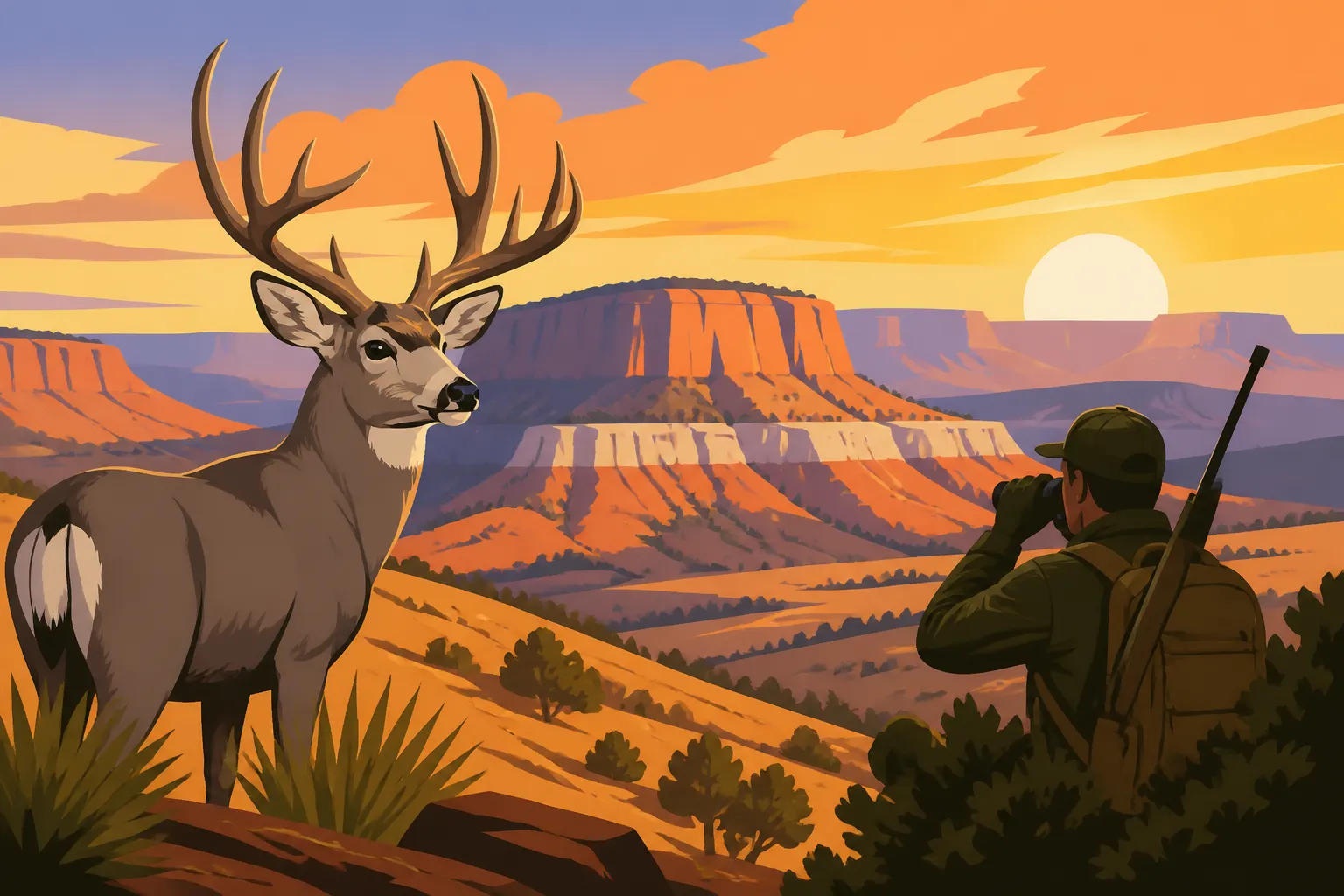
For many hunters, the image of a massive mule deer buck ghosting through towering ponderosa pines or across vast, open sagebrush plains is what defines Western hunting. In Arizona, chasing these magnificent creatures across the expansive northern plateaus presents a unique set of challenges and rewards. It's not always easy to find those big deer, nor is it simple to navigate the rugged, diverse terrain they call home, but this guide will meticulously break down everything you need to know about hunting mule deer in Arizona's northern regions, from habitat to tactics and application strategies.
Understanding Arizona's Mule Deer Habitat
Arizona's northern regions are a stark contrast to the desert landscapes often associated with the state, offering vast and varied habitat perfectly suited for mule deer. These areas, defined by higher elevations and different vegetation zones, are where the state's most sought-after mule deer populations reside. Understanding these unique environments is the first step to unlocking success in the field.
The Expansive Northern Plateaus
When we talk about the "northern plateaus" in Arizona, we're envisioning a grand sweep of country that includes iconic areas like the Kaibab Plateau, the Arizona Strip, and portions of the Mogollon Rim. This isn't just one type of landscape; it's a mosaic of ecological zones. You'll find everything from juniper and pinyon pine woodlands to vast tracts of ponderosa pine forests, interspersed with open grasslands and sagebrush flats. The elevation here can range significantly, from around 4,000 feet in some of the lower plateau areas up to well over 8,000 feet on the higher peaks. This diverse topography provides mule deer with a buffet of food sources and ample cover, allowing them to thrive and often reach impressive sizes.
What truly defines these plateaus is their sheer scale. You can stand on a ridge and glass for miles, the horizon stretching endlessly. This vastness is both a blessing and a curse for hunters. It means deer have endless places to hide, but it also means that when you do locate a buck, you often have a clear, long-range view, allowing for careful stalking and planning. The soils here tend to be rocky and volcanic in origin, contributing to a mix of vegetation that includes cliffrose, mountain mahogany, and various forbs and grasses that are critical forage for deer, especially during times of antler growth. This ecosystem, while appearing harsh to the uninitiated, is a vibrant and productive home for the state's mule deer herds.
Key Environmental Factors and Seasonal Movements
Mule deer movements in Northern Arizona are heavily dictated by environmental factors, primarily precipitation and temperature. Unlike some other deer species, mule deer are classic migrants, often moving between distinct summer and winter ranges. During the warmer months, they typically disperse into higher elevations, utilizing the cooler temperatures and abundant forage of the conifer forests. This is where you'll find them bulking up, and bucks will be growing their impressive racks. These summer ranges provide rich nutrition, often found in aspen groves, mountain meadows, and thick ponderosa stands.
However, as fall deepens and winter approaches, harsh weather forces a migration to lower elevations and more sheltered areas. These wintering grounds are usually characterized by milder temperatures and more accessible forage, often consisting of browse species like juniper and sagebrush, which remain available even under snow. The timing and extent of these migrations can vary year to year, depending on the severity of the winter. A mild winter might mean deer stay higher longer, while early heavy snows will push them down rapidly. Understanding "Where Arizona Mule Deer Winter" is crucial for late-season hunters or for those planning early scouting trips. These seasonal shifts are vital for hunter success, as deer can become concentrated during migration, offering unique opportunities.
Premier Mule Deer Units in Northern Arizona
When it comes to pursuing mule deer in Arizona, the northern part of the state stands out as the undisputed heavyweight division. This is where hunters dream of drawing a tag, where the bucks grow big, and where the landscapes are as wild and challenging as the hunt itself.
The Legendary Arizona Strip
The Arizona Strip, located north of the Grand Canyon, is practically synonymous with trophy mule deer. This vast, remote, and rugged country is revered by hunters across the nation for its potential to produce world-class bucks. Stretching from the Nevada border east towards Utah, it encompasses a diverse range of habitats, from ponderosa and Pinyon-Juniper forests on the higher plateaus like the Kaibab, to more arid, brushy country in the lower elevations. The units within the Arizona Strip (primarily units 13A, 13B, and 12B) are notoriously difficult to draw, often requiring many years, even decades, of accumulating bonus points. But for those who persevere, the reward can be a once-in-a-lifetime animal.
What makes the Arizona Strip so special? It's a combination of low deer densities spread across millions of acres, extremely limited access, and prime habitat that fosters incredible antler growth. The deer here are masters of evasion, utilizing the broken terrain, deep canyons, and vast expanses of public land to stay hidden. Hunting the Strip is a physically demanding endeavor that often requires extensive pre-season scouting, robust glassing techniques, and the mental fortitude to cover endless miles in search of a single, elusive buck. Hunters often use tools like GoHunt's Insider platform to meticulously study draw odds and historical data to even have a chance at these coveted tags, highlighting the extreme level of dedication required. The reputation of "The Arizona Strip Mule Deer Reputation" is well-earned, reflecting the quality of the deer and the challenge of the hunt.
The Iconic Kaibab Plateau
Just south of the Arizona Strip, but still north of the Grand Canyon, lies the Kaibab Plateau, another legendary name in Arizona mule deer hunting. Specifically, Unit 12A and its sub-units (12A East, 12A West) are famous for their consistent production of big mule deer. The Kaibab is characterized by extensive, high-elevation ponderosa pine and mixed conifer forests, offering a completely different hunting experience than the more arid parts of the Strip. Here, deer densities can be higher, and the hunting often involves navigating dense timber and finding pockets of open country.
The Kaibab's fame dates back decades, with periods of incredibly high deer populations and subsequent declines. Today, Arizona Game and Fish Department (AZGFD) manages the Kaibab for quality, focusing on herd health and trophy potential rather than sheer numbers. While still challenging to draw, a Kaibab tag is often considered slightly more attainable than an Arizona Strip tag, but no less coveted. Hunters here need to be proficient in tracking, still-hunting, and adapting to variable weather conditions, which can range from mild to heavy snowstorms during the late season. Success on the Kaibab often hinges on understanding deer movement patterns between thick timber and feeding areas, and identifying those areas of transition or natural funnels where bucks are likely to travel. The "Kaibab Plateau Mule Deer Quality" is legendary for a reason, drawing hunters from across the globe.
Other Productive Northern Units
While the Strip and Kaibab get most of the glory, several other northern Arizona units offer fantastic mule deer hunting opportunities, often with more reasonable draw odds. These units, though less publicized, can still produce impressive bucks for the dedicated hunter. For example, units around Flagstaff and Williams, such as Units 6A, 7E, and 7W, hold healthy mule deer populations in mixed conifer and ponderosa pine forests. These areas are generally more accessible than the Strip or Kaibab and can offer quality experiences for both resident and non-resident hunters willing to put in the work. The terrain can be quite diverse, ranging from rolling hills to steeper canyon country, demanding versatility in hunting techniques.
Further east along the Mogollon Rim, units like 3C, 4A, and 4B also support mule deer populations, often coexisting with elk. While elk might be the primary draw in some of these units, the mule deer hunting can be excellent, particularly for those willing to venture away from roads and into thicker cover. These units often present a mix of open meadows and dense timber, providing ample opportunities for both glassing and still-hunting. For hunters looking for more attainable tags, these "sleeper" units can be fantastic choices, but they still require diligent scouting and persistence. Always research "Best Units to Draw for a Mature Mule Deer" to understand current draw trends and tag availability.
Mule Deer Biology and Behavior in the Grand Canyon State
Understanding the mule deer itself—its physical characteristics, breeding patterns, and dietary habits—is fundamental to becoming a more effective and ethical hunter. These animals are incredibly adapted to their Western environments, and recognizing their natural tendencies can significantly increase your chances of success.
Physical Characteristics and Adaptations
Mule deer, Odocoileus hemionus, are easily distinguishable from their whitetail cousins by several key features. Most notably, their large, mule-like ears, which can be up to 10 inches long, are incredibly adept at detecting sounds from a distance, making them highly alert animals. Their antlers typically fork, rather than having tines stemming from a single main beam like a whitetail, giving them their characteristic "forked horn" appearance. Mature bucks can grow impressive, wide racks, with some on the Arizona Strip and Kaibab reaching truly exceptional sizes. Their coat color generally ranges from a light tan to a reddish-brown in summer, fading to a gray-brown in winter, providing excellent camouflage against the varied northern Arizona landscapes.
A distinctive feature is their tail: relatively short and narrow, usually white with a black tip. When alarmed, mule deer often employ a unique bounding gait called "stotting" or "pronking," where all four feet push off the ground simultaneously. This high, bouncing motion is an adaptation for quickly traversing rugged, rocky, or brushy terrain, allowing them to survey their surroundings while moving. This behavior is also a signal to predators that the deer has been spotted, indicating fitness and potentially deterring a chase. Their powerful legs and compact, muscular bodies are perfectly designed for navigating the steep canyons and dense timber of their northern Arizona strongholds.
Rut Dynamics and Timing
The mule deer rut is a period of intense breeding activity, driven by hormonal changes, and it dramatically alters buck behavior, often making them more vulnerable and active during daylight hours. In northern Arizona, the timing of the rut can vary slightly depending on elevation and local conditions, but generally, it peaks in late November and into December. This timeframe often coincides with Arizona's late-season general and muzzleloader deer hunts, making these tags highly sought after. During the pre-rut phase, bucks begin to rub their antlers on trees and spar with rivals, establishing dominance hierarchies.
As the rut intensifies, bucks become almost entirely focused on finding and breeding does. They will travel extensively, often covering greater distances in search of receptive females, and their caution often decreases. This is a prime time for hunters, as bucks that were once reclusive might be seen chasing does in open areas or moving through transition zones. However, it's also a time of high energy expenditure for bucks, and they can lose significant body mass. Understanding "When the Mule Deer Rut Actually Starts" is critical for planning your hunt, as targeting the peak of the rut can be a game-changer. Observing doe groups for the presence of a trailing buck or looking for fresh rut sign like scrapes and rubs can indicate high activity.
Diet and Foraging Habits
Mule deer are primarily browsers, meaning their diet consists mainly of woody plants, shrubs, and forbs, though they will also consume grasses, especially new growth. This dietary preference allows them to thrive in the diverse habitats of northern Arizona's plateaus. Key forage species include cliffrose, mountain mahogany, serviceberry, various species of sagebrush, and pinyon pine and juniper needles, especially during winter when other options are scarce. They are highly adaptable eaters, adjusting their diet based on seasonal availability and nutritional needs. During spring and summer, lush forbs and new growth provide essential protein for body development and antler growth.
Their digestive system is designed to efficiently process this fibrous browse. In areas with significant oak populations, acorns can become a vital food source in the fall, providing a rich source of fat and carbohydrates before winter. Mule deer are also opportunistic, and will occasionally graze on cultivated crops adjacent to their habitat, although this is less common in the remote northern plateaus. Understanding what mule deer are eating in your specific hunting unit, and when, can help you pinpoint feeding areas. Look for browse lines on shrubs, clipped vegetation, and fresh droppings to identify active feeding zones. These areas are often prime locations for setting up ambushes or starting a still-hunt.
Essential Scouting Strategies for Northern Arizona Mule Deer
Successful mule deer hunting in Arizona, especially on the vast northern plateaus, is rarely a matter of luck. It's the result of meticulous preparation, extensive scouting, and a deep understanding of the landscape and the animals within it. Scouting effectively can mean the difference between seeing a few deer and finding that buck of a lifetime.
E-Scouting Before You Go
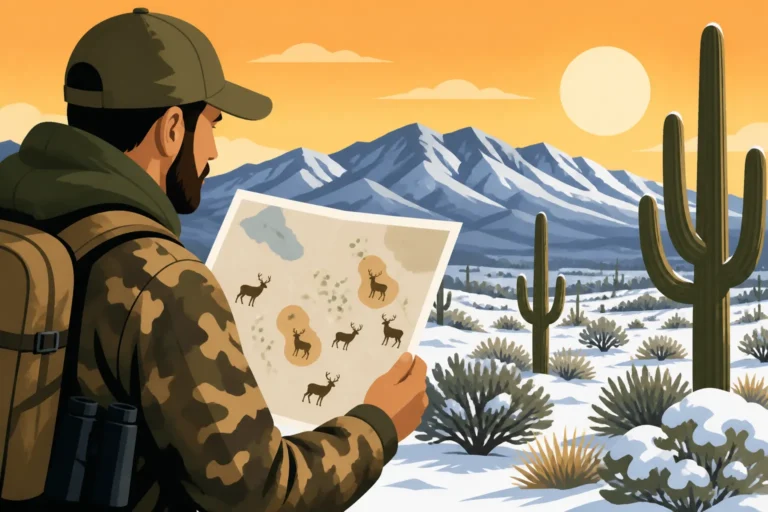
In today's digital age, effective scouting begins long before you ever set foot in the field. E-scouting, using online mapping tools and satellite imagery, is a non-negotiable step for hunting northern Arizona mule deer. Platforms like GoHunt's mapping services or onX Hunt are invaluable for identifying potential hotspots, travel corridors, and bedding areas. Start by examining topographical maps to locate key features such as ridges, saddles, canyons, and mesas that mule deer are likely to use for travel or escape routes. Look for areas with a mix of cover and open feeding grounds, as well as potential water sources, especially during dry periods.
High-resolution satellite imagery allows you to zoom in and identify specific vegetation types, timber edges, and clearings. Pay close attention to north-facing slopes, which often hold thicker cover and cooler temperatures, serving as prime bedding areas during warmer parts of the day. Conversely, south-facing slopes warm up faster in winter, making them attractive feeding grounds. Mark potential access points, glassing knobs, and areas that look "deer-y" on your digital map. This initial phase of "E-Scouting an Arizona Unit Before the Season" saves countless hours of aimless wandering in the field. It allows you to prioritize areas and develop a strategic plan for your boots-on-the-ground efforts, focusing your limited time on the most promising spots.
Boots-on-the-Ground Reconnaissance
While e-scouting provides the blueprint, nothing replaces actual boots-on-the-ground reconnaissance. If possible, multiple scouting trips before the season are highly recommended. During these trips, walk the areas you identified during e-scouting, confirming terrain features and ground cover. Pay attention to game trails, droppings, rubs, and scrapes, which are direct indicators of deer activity. Look for fresh tracks around water sources like stock tanks or seeps, especially in arid units. Early morning and late evening are ideal times to observe deer movement patterns from a distance, using your optics.
Take photos and detailed notes of promising locations. Observe how deer use the terrain, where they feed, where they bed, and their escape routes. Consider the prevailing wind direction and how it might impact your approach during the actual hunt. If you're hunting during the rut, focus on areas where does congregate, as bucks will inevitably be present. Even just a few days of scouting can give you an intimate understanding of a unit that weeks of hunting might not provide. Remember, the goal isn't necessarily to find a specific buck at this stage, but to understand deer behavior within the unit so you can execute an effective hunt plan once the season opens. Utilizing "Using onX Layers for Arizona Public Land" while in the field will help you stay on public land and navigate complex boundaries.
Interpreting Sign and Movement Patterns
Becoming a proficient mule deer hunter means learning to read the subtle clues deer leave behind. Fresh tracks in the dirt, often distinguishable by their blunt, heart-shaped appearance, can tell you if deer are currently using an area and sometimes even their size. Larger, splayed tracks can indicate a heavier animal. Droppings, or scat, provide insight into diet and freshness of activity. Pelleted droppings mean the deer has been eating drier forage, while clumped scat indicates a diet richer in green vegetation. Shiny, moist scat is a sign of very recent activity.
Rubs and scrapes are particularly important indicators of buck activity, especially during the pre-rut and rut. Rubs, where bucks strip bark from small trees or shrubs with their antlers, signal a buck establishing dominance and working his neck muscles. Scrapes are patches of ground pawed bare, often with an overhanging branch that bucks chew on or rub their preorbital glands against, marking their territory. Look for these signs in natural funnels, along ridge lines, or near bedding areas. By connecting these pieces of evidence, you can start to piece together a buck's daily routine and movement patterns, which is invaluable for setting up an ambush or planning a successful stalk. The more you immerse yourself in the landscape, the better you'll become at "thinking like a deer."
Hunting Techniques for Northern Arizona Mule Deer
Hunting mule deer across Arizona's northern plateaus demands a blend of patience, physical endurance, and adaptable strategies. The vast and often rugged terrain, combined with the mule deer's inherent wariness, means that hunters need a diverse toolkit of techniques to consistently find success.
Spot-and-Stalk in Open Country
The spot-and-stalk method is arguably the most effective and popular technique for hunting mule deer in the open, expansive landscapes of northern Arizona. This strategy capitalizes on the ability to glass vast areas from a vantage point, locate deer, and then execute a strategic approach. It's particularly well-suited to the sagebrush flats, pinyon-juniper woodlands, and more open ponderosa parks found on the Arizona Strip and parts of the Kaibab. The process begins by finding a high point that offers an unobstructed view of potential deer habitat. Using high-quality binoculars and a spotting scope is crucial here to pick apart distant hillsides, tree lines, and canyon bottoms.
Once a deer is spotted, the real work begins. The stalk is a chess match against the animal's keen senses. You must meticulously plan your route, considering terrain features for cover, wind direction to mask your scent, and sun position to avoid glare. This can involve covering significant distances, often over challenging terrain, to get within shooting range. Patience is paramount; a hasty approach often ends in a spooked deer. It's often better to wait for a deer to bed down or move into more favorable terrain before initiating the final approach. This method is incredibly rewarding when successful, as it truly tests a hunter's skill in all aspects of the hunt.
Still Hunting Timbered Areas
While spot-and-stalk thrives in open country, northern Arizona also presents extensive timbered areas, particularly on the Kaibab Plateau and along the Mogollon Rim, where still hunting becomes a highly effective tactic. Still hunting is the art of moving slowly, deliberately, and quietly through the woods, pausing frequently to scan your surroundings for deer. This isn't about covering ground quickly; it's about covering ground effectively. The goal is to move at a pace that allows you to see a deer before it sees you, often taking many minutes to cover just a few yards.
Key to successful still hunting is using your optics constantly, even in dense timber. Small breaks in the trees, a flicker of an ear, a horizontal line in a vertical forest, or the subtle shift in color of a deer's coat can give away an animal's presence. Pay close attention to the wind, always moving into it or across it to prevent your scent from reaching deer ahead of you. Focus on transition areas—the edges where dense timber meets more open pockets, or along benches and saddles that deer use for travel. During late season or the rut, timbered bedding areas and thick cover are prime spots for mature bucks, as they offer security and refuge. This method requires intense concentration and discipline, but it can be incredibly productive for finding reclusive bucks that avoid open areas.
Waterhole Ambush in Arid Seasons
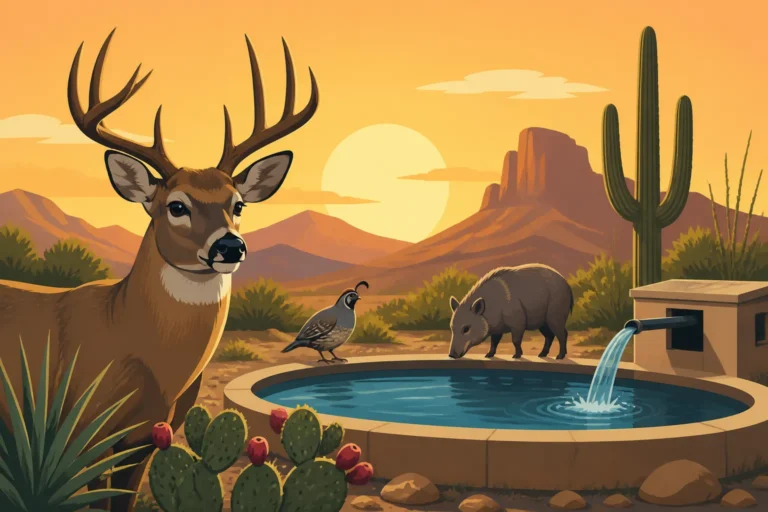
In the often-arid environment of northern Arizona, especially during dry periods or early season hunts, water sources become magnets for all wildlife, including mule deer. This makes waiting in ambush at a waterhole a viable and sometimes highly effective hunting strategy. Identifying natural springs, stock tanks, and even man-made wildlife waters during your scouting phase can pinpoint critical locations. Early archery seasons, for instance, often fall during the hottest months, making water a non-negotiable necessity for deer.
Setting up for a waterhole ambush requires careful planning. First, identify the most likely approach routes deer will use. Position yourself downwind, ideally in natural cover or a ground blind, well before daylight or in the late afternoon. Minimize your silhouette and movement. It's crucial to consider the ethics of hunting over water; while legal in Arizona, hunters must ensure they are not impacting other wildlife or over-pressuring a vital resource. Stay hidden, stay patient, and be prepared for opportunities that might arise at any time. This strategy can be particularly successful during the sweltering August archery deer season when bucks are focused on staying hydrated and might be less wary coming to water in daylight hours.
Gear Considerations for a Northern Arizona Mule Deer Hunt
Equipping yourself properly for a mule deer hunt in Northern Arizona is just as critical as your hunting skills. The diverse terrain, extreme weather fluctuations, and demanding nature of the hunt mean that reliable gear can make or break your experience.
Optics for Vast Landscapes
Given the expansive, open country found across much of northern Arizona's mule deer habitat, high-quality optics are not just recommended, they are absolutely essential. This isn't the kind of country where you can rely solely on walking until you bump into a deer. You need to be able to pick apart distant hillsides and canyon bottoms. A good pair of 10×42 or 12×50 binoculars, preferably mounted on a tripod, will be your primary scouting tool, allowing you to glass for extended periods without fatigue. Binoculars from brands like Vortex, Zeiss, or Swarovski are popular choices among serious Western hunters for their clarity and durability.
For identifying deer at extreme ranges and assessing antler size, a high-power spotting scope is indispensable. A 60-80mm objective lens with a variable magnification from 20x to 60x is ideal. Combine this with a sturdy, lightweight tripod, and you'll be able to effectively scrutinize every rock and tree. The ability to sit and patiently glass for hours from a single vantage point, spotting a mule deer buck from miles away, is often the key to success on the Arizona Strip or the Kaibab. Don't skimp on your optics; they are an investment that directly impacts your success rate.
Footwear and Clothing for Varied Terrain
Your feet will be your most important mode of transportation, so appropriate footwear is paramount. Northern Arizona's terrain can range from rocky, abrasive ground to muddy trails and loose scree slopes. A pair of sturdy, waterproof hiking boots with excellent ankle support and aggressive tread is crucial. Brands like Kenetrek, Crispi, or Schnee's are highly regarded for their comfort and durability in rugged Western environments. Make sure your boots are well-broken in before your hunt to prevent blisters, which can quickly derail a trip. Carry multiple pairs of moisture-wicking socks to keep your feet dry and comfortable.
Clothing needs to be versatile and adaptable to rapidly changing weather conditions. Temperatures can swing wildly from freezing nights to warm afternoons, especially during early and late seasons. A layering system is key:
- Base Layer: Moisture-wicking material to pull sweat away from your skin.
- Mid-Layers: Insulating fleece or puffy jackets for warmth.
- Outer Layer: A waterproof and windproof shell to protect against rain, snow, and biting winds.
Camo patterns should blend with the dominant vegetation of your unit, whether it's the grays and greens of pinyon-juniper or the dark browns of ponderosa. Don't forget a wide-brimmed hat for sun protection and a warm beanie for cold mornings.
Weapon Choices and Ballistics
The choice of weapon for northern Arizona mule deer typically comes down to a high-powered rifle or a compound/recurve bow, depending on the hunt type. For rifle hunts, cartridges capable of flat trajectories and significant energy at extended ranges are preferred, given the potential for long shots in open country. Popular calibers include .270 Win, .30-06, .300 Win Mag, 6.5 Creedmoor, and 7mm Rem Mag. Practice shooting from various field positions and be proficient with your rifle out to 400-500 yards, as those ranges are not uncommon. Understanding "Rifle Zero Distance for Open Desert" is crucial for accurate shot placement across varied ranges.
Bowhunters face the added challenge of getting significantly closer to their quarry. A compound bow with a draw weight of at least 60 pounds, coupled with well-tuned arrows and razor-sharp broadheads, is standard. Traditional archers will also need to be highly skilled and practice extensively for close-range shots. Regardless of weapon, ethical shot placement is paramount. Know your limitations and respect the animal by only taking shots within your effective range. Also, always check Arizona Game and Fish Department regulations for specific weapon requirements for your chosen hunt.
Draw Odds and Application Strategy
Arizona's draw system for big game tags, especially for highly coveted species like mule deer on the northern plateaus, is known for its competitiveness. Navigating this system effectively requires a solid understanding of how it works and a strategic approach to applications.
Understanding Arizona's Draw System
Arizona uses a bonus point system designed to reward consistent applicants. For trophy hunts, like those on the Kaibab or Arizona Strip, it can take many years, even decades, to accumulate enough points for a draw. The system splits the tag allocation into two passes: the "Bonus Point Pass" and the "Random Pass." The Bonus Point Pass allocates 20% of the tags, giving preference to applicants with the most bonus points. If you apply consistently and accumulate points, your chances in this pass increase over time. This is where hunters with 20+ points will likely see success for top-tier units. Read more about "How Arizona's Bonus Point Pass Awards the First Twenty Percent".
The remaining 80% of tags are allocated in the Random Pass, where every applicant has an equal chance, regardless of their points, as long as they have at least one bonus point for that species. Your bonus points essentially give you "tickets" in the draw. So, if you have 10 points, you get 10 chances in the Random Pass, plus your shot in the Bonus Point Pass. This system means that even new applicants have a slim chance of drawing a desirable tag, but consistent application dramatically improves long-term odds. The draw cycle for deer, sheep, and bison typically runs with an application deadline in early June, so be mindful of "The Arizona Deer, Sheep and Bison Deadline".
Maximizing Your Chances
Maximizing your chances in the Arizona draw requires a strategic mindset. First and foremost, apply every year for your chosen species, even if you don't plan to hunt that year. You can apply for "points-only" to continue accumulating bonus points without committing to a hunt. This keeps your point accumulation steady, which is crucial for drawing those premium tags eventually. Consider applying for units that are highly competitive if your goal is a trophy animal, understanding that it will be a long game. For example, Unit 13B on the Arizona Strip consistently requires the most points for a rifle tag.
Alternatively, if you're looking for a more attainable hunt in the near future, research units with lower demand but still offer quality hunting. These often include units along the Mogollon Rim or other northern units outside the immediate Kaibab/Strip fame. Utilizing resources like GoHunt's Insider data can provide invaluable insights into draw odds, harvest success rates, and points required for every unit and hunt code. This data-driven approach allows you to make informed decisions about where to spend your application each year, whether you're playing the long game for a dream tag or trying to draw sooner. Remember that Arizona runs "Arizona Runs Two Draw Cycles, February and June", so ensure you're aware of the correct deadlines for mule deer.
Ethical Hunting and Conservation
Hunting in Arizona, especially for a prized species like the mule deer, comes with a profound responsibility. Ethical conduct and a commitment to conservation are not just legal requirements but moral obligations that ensure the future of hunting and healthy wildlife populations.
Responsible Hunting Practices
Ethical hunting begins with preparation and respect for the animal and the landscape. This means knowing your weapon and its limitations, and practicing regularly to ensure a clean, humane kill. Take only ethical shots within your effective range, and always err on the side of caution. After a shot, make every reasonable effort to recover your animal, even if it means searching late into the night or returning at first light. Field dressing promptly, especially in warmer conditions, is critical for meat preservation. Additionally, adhering to all Arizona Game and Fish Department regulations, including tagging requirements and legal shooting hours, is fundamental.
Respecting public and private land boundaries is another key component of responsible hunting. Be aware of where you are at all times, especially when hunting close to private property or designated wilderness areas. Leave no trace; pack out everything you pack in, and perhaps even a little more. Treat the land as if it were your own, preserving its pristine nature for future generations of hunters and outdoor enthusiasts. Engaging in responsible practices helps maintain a positive public image of hunting and ensures continued access to our shared wildlife resources.
The Role of Conservation in Arizona
Hunters have historically been, and continue to be, the strongest advocates and funders for wildlife conservation in North America. In Arizona, hunting license and tag fees directly support the Arizona Game and Fish Department's efforts in wildlife management, habitat restoration, and research. These funds are crucial for mule deer populations, contributing to projects that improve forage, develop water sources, and conduct population surveys. Without hunters' financial contributions and active participation, many wildlife populations would struggle to thrive.
Furthermore, ethical hunters contribute to conservation by promoting responsible harvest levels, which help maintain balanced herd sizes and prevent overpopulation or habitat degradation. By reporting poaching, participating in volunteer conservation projects, and educating others about wildlife, hunters play an active role in safeguarding Arizona's natural heritage. Understanding and upholding these principles is vital for any hunter who wishes to enjoy the tradition of pursuing mule deer in the Grand Canyon State for years to come. For instance, younger hunters should understand that "Hunter Education Is Required Under 14 in Arizona", instilling these values from a young age.
Disclaimer
Please remember that hunting regulations, season dates, and unit boundaries can change. Always consult the most current Arizona Game and Fish Department (AZGFD) hunting regulations booklet and official website before planning and executing any hunt. This guide is for informational purposes only and should not replace official state documentation.