Do You Need a Permit to Hunt BLM Ground?
Navigating the labyrinth of public land regulations in Arizona can feel like trying to track a Coues deer through thick mesquite – confusing, frustrating, and easy to get lost if you don't know the lay of the land. One of the most common questions I hear from hunters, especially those new to the state or coming from areas with different land ownership rules, is about permits for hunting Bureau of Land Management (BLM) ground. This guide is here to untangle that confusion and give you a clear understanding of what you need, and what you don't, when planning your Arizona adventure on BLM land.
Understanding Public Land Access in Arizona: BLM vs. State Trust Land
Arizona is a vast state, and a huge chunk of it is public land, ripe for hunting and recreation. However, not all public land is created equal when it comes to access rules. Many hunters get tripped up on the distinctions, especially between BLM land and State Trust Land. It's a critical difference to grasp, because one requires an additional permit beyond your hunting license, and the other generally does not.
What is BLM Land, Anyway?
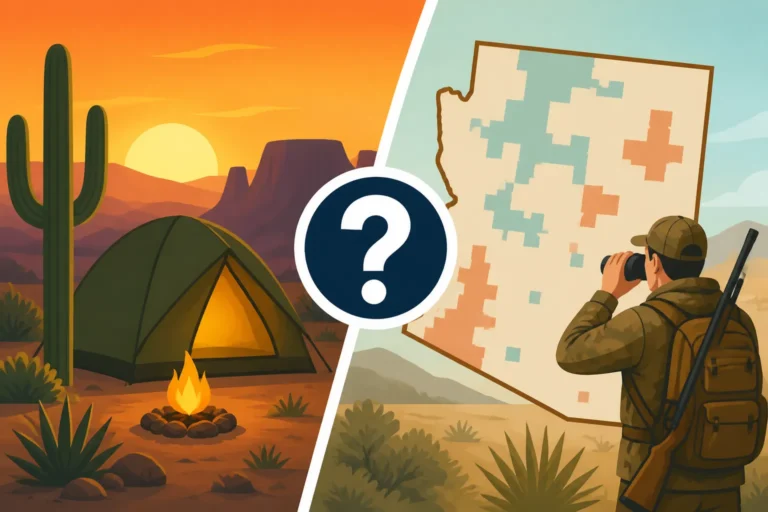
The Bureau of Land Management (BLM) is a federal agency that manages over 12 million acres in Arizona, making it one of the largest land managers in the state. Much of this land is characterized by its wide-open, arid landscapes – rolling deserts, deep canyons, and scattered mountains. Think vast expanses of saguaro cactus, palo verde trees, and rugged arroyos. The BLM's mandate is multiple-use management, meaning these lands are open for a variety of activities, including recreation, grazing, mining, and, importantly for us, hunting and fishing.
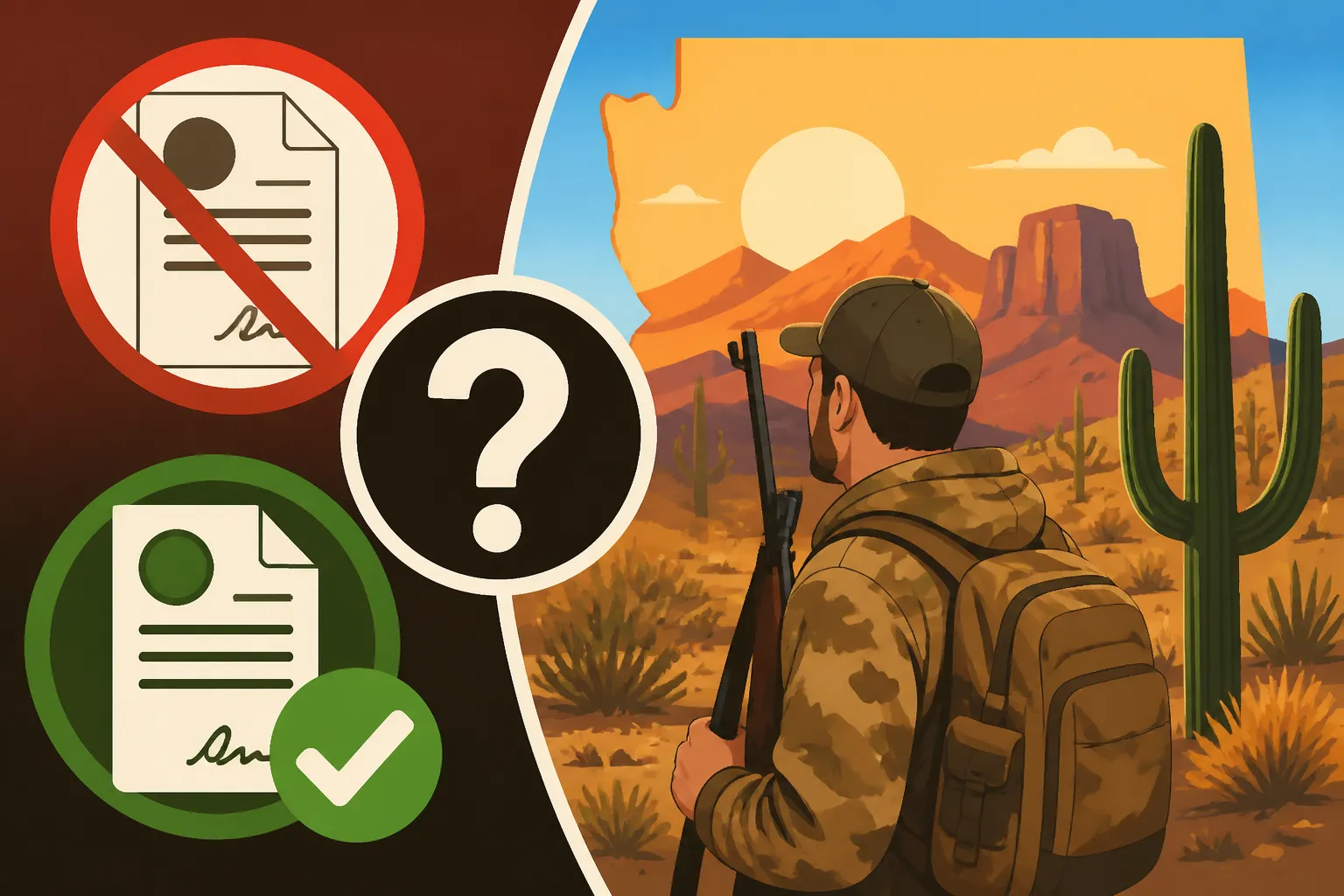
Because it's federal land, generally speaking, your valid Arizona hunting license and any species-specific tags you've acquired are your primary "permit" for hunting on BLM. You won't typically need to purchase an additional access permit specifically for hunting on BLM land itself, beyond what's required to legally hunt in the state. This is a huge relief for many, as it simplifies planning and reduces costs. The intention behind BLM's multiple-use designation is to provide broad public access, which is why it's such a popular hunting destination for deer, javelina, and even some elk in certain areas. It's truly a hunter's paradise for those willing to explore.
The Key Difference: State Trust Land Permits
Now, here's where the confusion often comes in, and it's vital to differentiate. Arizona also has a substantial amount of State Trust Land – over 9.2 million acres, in fact. These lands are managed by the Arizona State Land Department (ASLD) with a very different purpose than BLM land. State Trust Land exists to generate revenue for specific beneficiaries, primarily public education. Because of this, public access is generally restricted unless you have permission or purchase a specific permit.
For hunters, this means that while your Arizona hunting license is still absolutely necessary, it doesn't automatically grant you access to hunt on State Trust Land. For recreational activities, including hunting, you need to obtain a separate "Recreational Permit" from the ASLD. Failing to do so can result in hefty fines and trespassing charges, which is a headache no one wants to deal with when they're simply trying to enjoy the outdoors. This distinction is crucial, and it's where many well-intentioned hunters inadvertently run into trouble. Always remember that Does a Hunting License Cover Trust Land Access? is a question with a nuanced answer depending on the type of public land. Understanding What Arizona State Trust Land Is can save you a lot of grief.
Your Hunting License: The Only "Permit" You Need for BLM
Let's cut right to the chase for BLM land: your standard Arizona hunting license, combined with any necessary big game tags or small game stamps, is generally all you need for hunting access. This is fantastic news for anyone looking to do a DIY hunt, giving you immense freedom to roam and explore.
Valid License and Tags Are Non-Negotiable
While you don't need a separate BLM-specific permit, the absolute foundation of legal hunting on any public land in Arizona, including BLM, is your valid Arizona hunting license. This isn't just a formality; it's your entry ticket to the privilege of hunting in the state. Make sure it's current for the season you're hunting in and that you have it on your person, either physically or digitally on your phone, whenever you're afield. Game and Fish officers can, and will, ask to see it.
Beyond the general hunting license, you must possess the correct, species-specific tag for whatever animal you're pursuing. If you're chasing mule deer, you need a mule deer tag valid for the specific unit and season you're hunting. Same goes for elk, javelina, or anything else. These tags are obtained either through the draw system or, for some species like javelina or OTC archery deer, purchased over the counter. This might seem obvious, but it's the most basic requirement, and overlooking it can instantly turn a legal hunt into a serious violation. This foundational requirement ensures that wildlife populations are managed sustainably, which is something every ethical hunter cares deeply about.
Navigating Motorized Travel and Camping Rules
Okay, so you've got your license and tags, and you're ready to hit the BLM. While general hunting access doesn't require a separate permit, you still need to be aware of other rules governing how you use the land, especially regarding vehicles and camping. BLM lands are often crisscrossed with dirt roads, but not all of them are open to motorized travel.
The BLM, like the Forest Service, uses Motor Vehicle Use Maps (MVUMs) to designate which roads and trails are open to motorized vehicles. These maps are absolutely essential for preventing accidental trespass or violations. Driving off-road where it's not explicitly permitted, even to retrieve game, can result in fines and damage to sensitive ecosystems. It's your responsibility to know the rules for the specific area you're in. Many hunters find digital mapping tools invaluable for this, as they often overlay MVUM data directly onto their maps, allowing for real-time navigation. Knowing Motor Vehicle Use Maps for Forest Ground is a good starting point, and the same principles apply to BLM.
When it comes to camping, BLM lands generally allow for "dispersed camping," meaning you can set up camp pretty much anywhere, as long as you're a certain distance from developed areas, water sources, or established trails. However, there are usually limits on how long you can stay in one spot – typically around 14 days within a 30-day period. This is to prevent squatting and ensure fair access for everyone. Always check for fire restrictions, especially during the hotter, drier months, as these can be unit-specific and change rapidly. Understanding Dispersed Camping Limits on BLM Land will keep you on the right side of the rules and ensure you leave your campsite better than you found it.
| Feature | BLM Land (Federal) | Arizona State Trust Land (State) |
|---|---|---|
| Hunting Permit | Valid AZ Hunting License + Tags (No extra permit) | Valid AZ Hunting License + Tags AND ASLD Recreational Permit |
| Purpose | Multiple-use (Recreation, Grazing, Mining, etc.) | Generate revenue for state beneficiaries (primarily schools) |
| Access | Generally open for public access and recreation | Restricted; requires permit for recreational use |
| Primary Agency | Bureau of Land Management (BLM) | Arizona State Land Department (ASLD) |
| Motorized Travel | Regulated by MVUMs; typically restricted to roads | Subject to ASLD rules; often less developed access |
| Camping | Dispersed camping generally allowed (with limits) | Often restricted, may require specific permit |
Identifying and Respecting BLM Boundaries in the Field
One of the biggest challenges for hunters, especially in Arizona's checkerboard land ownership patterns, is knowing exactly where they are and whose land they're on. You can't just assume an unposted area is BLM; it could be State Trust, private, or even tribal land. Making a mistake here can ruin your hunt and lead to serious legal repercussions.
Leveraging Digital Mapping Tools
In this day and age, relying solely on paper maps is like trying to glass for Coues deer with binoculars from the 1970s. While traditional maps still have their place as a backup, digital mapping apps have become indispensable for identifying land ownership boundaries in real-time. Brands like onX Hunt and GoHunt are absolute game-changers for Arizona hunters. They overlay land ownership data, along with game management unit boundaries, roads, trails, water sources, and even historical burn scars, directly onto a satellite or topographic map on your phone or GPS device.
Before you even leave home for your hunt, spend significant time E-Scouting an Arizona Unit Before the Season using these tools. You can download maps for offline use, which is critical because cell service is often nonexistent in remote BLM areas. When you're in the field, these apps use your device's GPS to show you exactly where you are relative to land ownership lines. This is invaluable for avoiding accidental trespass onto private property or State Trust Land that requires a permit. Using onX Layers for Arizona Public Land effectively is a skill every Arizona hunter should develop. It can literally make or break your hunt, ensuring you stay legal and ethical.
Knowing Your Unit Boundaries
Beyond land ownership, understanding your game management unit (GMU) boundaries is equally crucial. Your hunting tag is typically valid for a specific unit (or units) during a specific season. Mistakenly crossing into an adjacent unit where your tag isn't valid is a violation, even if you're still on legal public land. Arizona's unit boundaries can follow everything from major highways to faint washes, power lines, or even imaginary survey lines across open desert.
Again, digital mapping tools excel here, clearly outlining GMU boundaries. Before heading out, always take the time to study Reading a Game Management Unit Boundary for your chosen hunt area. Understand the physical features that delineate the unit. Sometimes, a unit boundary might bisect a large tract of BLM land. Just because you're on BLM doesn't mean you're in the right unit for your tag. This meticulous attention to detail is part of responsible hunting and ensures you're playing by all the rules. Pay particular attention to units that share long, vague boundaries with other units, as these are common spots for accidental boundary crossings.
Ethical Considerations and Responsible Use of BLM Land
Hunting on BLM land is a privilege, not a right, and it comes with a deep responsibility to be an ethical and respectful user of the resource. Because these lands are multi-use, you'll likely encounter other recreationists – hikers, mountain bikers, off-road vehicle enthusiasts, and even ranchers working their cattle. Your actions reflect on the entire hunting community.
Respecting the Resource and Other Users
Beyond simply following the law, ethical hunting on BLM land means conducting yourself with courtesy and mindfulness. This includes being aware of your surroundings, especially during peak seasons. If you arrive at a promising spot and another hunter is already set up, move on. There's plenty of ground to cover in Arizona, and respecting another hunter's space is paramount. This also extends to other users; if you see hikers, give them a wide berth and make yourself known. Good interactions between hunters and non-hunters are vital for maintaining public support for hunting.
It also means prioritizing the well-being of the animal. This includes proper shot placement, quick and humane dispatch of downed game, and diligent tracking. The desert can be unforgiving, and losing a wounded animal is every hunter's worst nightmare and an ethical failure. Preparing Physically for a Desert Hunt is a part of this responsibility; being in good enough shape to track an animal for miles across rugged terrain is often necessary.
Leave No Trace Principles
BLM lands are wild, and they should stay that way. Practicing Leave No Trace principles is fundamental to responsible hunting. This means packing out everything you pack in – spent shell casings, food wrappers, flagging tape, even your gut pile if regulations require (though often, for big game, gut piles are left in place away from water sources and roads).
It also means being mindful of your impact on the landscape. Stick to established roads and trails when driving. Avoid unnecessary off-road travel. If you're building a fire, make sure it's legal, safe, and completely extinguished before you leave. When camping, aim for low-impact sites. Bury human waste properly and pack out all toilet paper. The goal is for the next person who comes along to have no idea you were ever there. Our presence as hunters should be nearly invisible, preserving the wild character of these landscapes for everyone, for generations to come. And always, always make sure you carry enough Water You Must Carry on a Day Hunt, not just for yourself, but potentially for an extended pack-out or unforeseen circumstances in the arid environment.
Hunting on BLM land in Arizona offers some incredible opportunities for adventure and solitude. While the lack of a specific "BLM permit" beyond your state hunting license and tags is a welcome simplicity, it's crucial to understand the nuances of land ownership, travel, and ethical conduct. Arm yourself with digital mapping tools, study your regulations, and embrace the responsibility that comes with hunting these magnificent landscapes. Happy hunting out there!
Disclaimer
This article is for general informational purposes only and does not constitute professional advice. Laws, prices and regulations vary by location and change over time. Consult a qualified professional for guidance on your specific situation.