Penalties for Entering Trust Land Without a Permit
It can be incredibly frustrating to head out for a day in Arizona's beautiful wild spaces, only to realize you might be on the wrong side of a land access rule. Many folks, especially those new to hunting or exploring the state, get confused about Arizona State Trust Land. They might assume it's all public, like national forests or BLM ground, and accidentally wander into a situation where they're not legally permitted. This guide aims to clear up that confusion and explain exactly what kind of penalties you could face for entering Trust Land without the proper authorization, and more importantly, how to avoid them in the first place.
Understanding Arizona State Trust Land Access
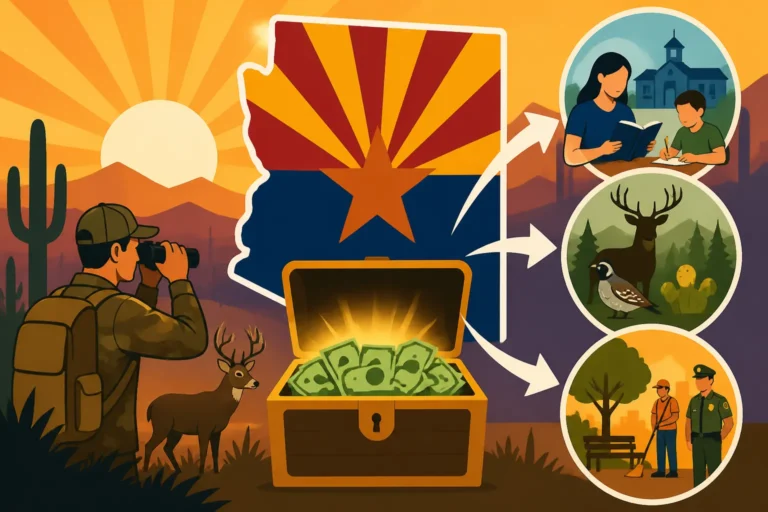
Arizona is a vast state with millions of acres of wild lands, and it's easy to get lost in the sheer scale of it all. But not all "open" land is the same. State Trust Land is a unique category, set apart from federal lands like national forests or Bureau of Land Management (BLM) property. It's not public land in the traditional sense, even though it often looks exactly like it to the untrained eye. The purpose of these lands is to generate revenue for 13 specific beneficiaries, primarily public education, which means access is regulated and often requires a permit.
The Core Requirement: A Permit or Hunting License
At its heart, access to Arizona State Trust Land boils down to one thing: authorization. You simply cannot be on Trust Land without some form of permission. For most general recreational users, this means purchasing an Arizona State Trust Land Recreational Permit. This permit covers activities like hiking, bird watching, photography, and even just driving on designated roads for scenic viewing. However, if you're a hunter or angler, your valid Arizona hunting or fishing license often acts as your recreational permit for those specific activities. This is a crucial distinction that many people miss, thinking they need both. Arizona State Trust Land Needs a Permit, and Your License Counts explains this in more detail.
It's a common point of confusion, and frankly, it can feel like a bureaucratic hurdle when all you want to do is enjoy the outdoors. But understanding that your hunting license serves this dual purpose for hunting activities on Trust Land is key. Without it, or the general recreational permit, you are technically trespassing, even if your intentions are entirely innocent. Think of it like needing a ticket to enter a park; your hunting license is your ticket when you're there to hunt.
Why Trust Land Exists and Who It Serves
The very existence of Arizona State Trust Land and its unique access rules stems from a historical land grant given to Arizona at statehood. The federal government endowed the state with these lands, not for general public access, but specifically for generating income to support public institutions. This is a different model than the federal public lands we often associate with hunting and recreation, which are managed for multiple uses, including recreation, timber, and grazing, with public access generally assumed.
Because the primary objective of Trust Land is to produce revenue, all uses, including recreational ones, are carefully managed to ensure they contribute to this goal or, at the very least, don't interfere with revenue-generating activities like ranching or mining. This revenue benefits schools, universities, and other state beneficiaries. So, when you purchase a permit or your hunting license, a portion of those funds directly or indirectly supports these vital state programs. Understanding this purpose helps to demystify why these rules are in place, even if they can feel cumbersome at times. What Arizona State Trust Land Is goes deeper into the historical context.
The Consequences of Unauthorized Entry: Penalties Explained
Nobody wants to find themselves in trouble with the law, especially when they're just trying to enjoy the outdoors. But ignorance of the rules isn't usually an acceptable defense. Unauthorized entry onto Arizona State Trust Land carries real consequences, ranging from civil penalties to potentially more serious criminal charges, depending on the circumstances. It's vital for every outdoor enthusiast, especially hunters, to understand these potential repercussions.
Civil Penalties and Fines
The most common penalty for unauthorized entry onto Arizona State Trust Land is a civil fine. This is typically treated much like a traffic ticket, though the amounts can be significantly higher than a minor moving violation. The Arizona State Land Department, which manages these lands, has the authority to issue citations for trespassing. These fines are designed to deter unauthorized use and recoup some of the costs associated with monitoring and enforcing Trust Land regulations.
Imagine you're out scouting for deer, relying on a paper map that doesn't clearly delineate Trust Land boundaries, and you inadvertently cross a fence line or a less obvious marker. A Land Department officer or even a private lessee with proper authority could issue you a citation. While these fines don't typically involve jail time, they can be substantial, often running into several hundred dollars. Additionally, you might be required to pay administrative fees. The specific amount can vary based on the nature of the trespass and whether it's a first offense. This is where a simple mistake can quickly become an expensive lesson, impacting your wallet and your enjoyment of future outdoor pursuits.
Potential Criminal Charges and Enhanced Penalties
While most unauthorized entries start as civil infractions, certain actions can escalate the situation into a criminal matter. For example, if you damage Trust Land property—such as fences, gates, or historical markers—or if you engage in activities explicitly prohibited on Trust Land, you could face criminal charges. This might include anything from reckless driving off-road to littering or defacing natural features. If the trespass involves intent to commit another crime, such as poaching or theft, the penalties become much more severe, potentially including felony charges, significant jail time, and massive fines.
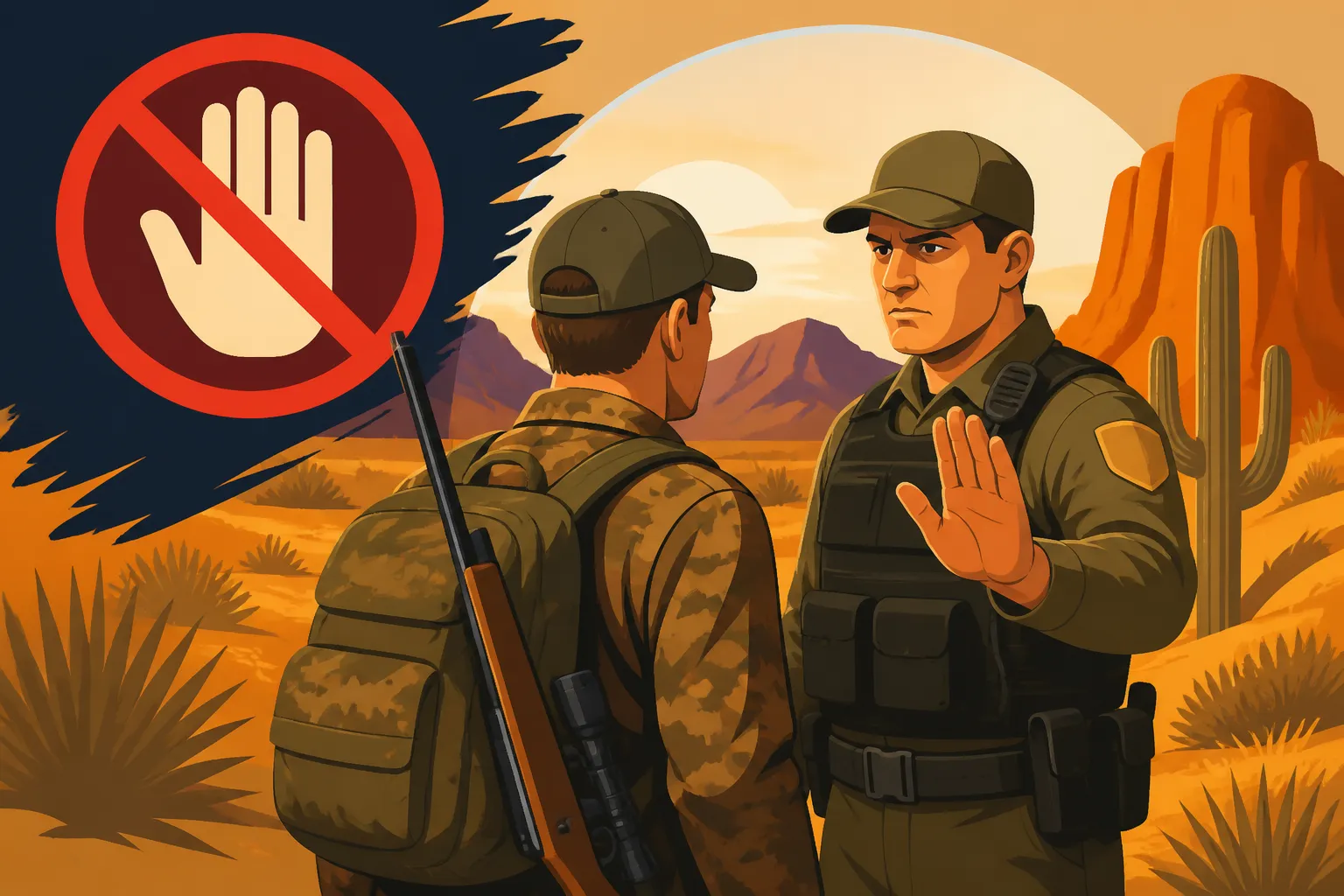
Furthermore, refusing to comply with a legitimate order from a Land Department officer or a law enforcement official to leave Trust Land can also lead to criminal charges, such as resisting arrest or obstruction. Repeat offenses for civil trespass, especially after previous warnings or citations, can also be elevated to criminal misdemeanor charges. This means that simply ignoring a previous fine or continuing to enter without permission could land you in front of a judge with far more serious consequences than a simple civil penalty. These scenarios underscore the importance of understanding and respecting these boundaries.
Avoiding Unintended Trespass: Best Practices for Hunters
The last thing any responsible hunter wants is to accidentally trespass. Not only does it carry legal penalties, but it also reflects poorly on the hunting community and can damage relationships with landowners and lessees. Thankfully, with modern tools and a little due diligence, avoiding unintended trespass on Arizona State Trust Land is entirely manageable. It simply requires a proactive approach before you ever step foot in the field.
Verifying Land Ownership Before You Go
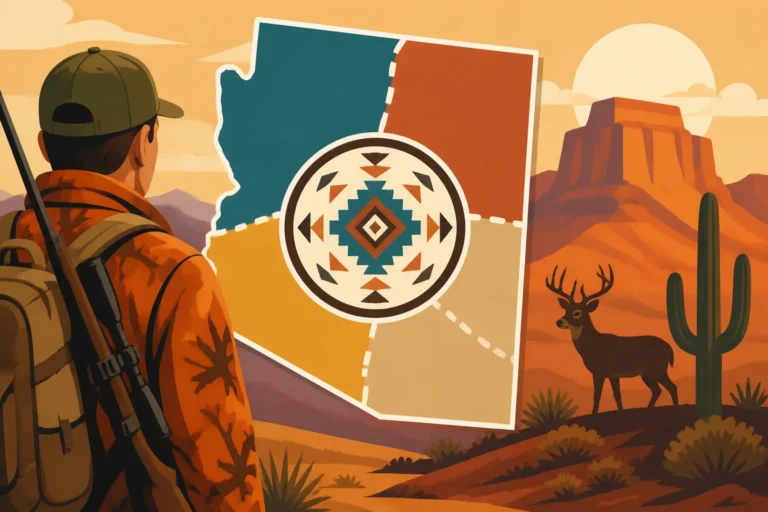
The single most effective way to avoid trespassing is to verify land ownership before you even leave your driveway. Gone are the days when a blurry, photocopied map was your only resource. Today, digital mapping applications are incredibly powerful tools for identifying land ownership boundaries with precision. Platforms like onX Hunt are invaluable for this purpose. You can pull up detailed satellite imagery and see color-coded overlays that clearly indicate federal public land (BLM, National Forest), private land, state land, and tribal lands. Using onX Layers for Arizona Public Land offers more insights into how these tools work.
Before your hunt, spend time "e-scouting" your chosen unit. Zoom in on areas where you plan to hunt, walk, or drive. Identify any Trust Land parcels that might border or lie within your intended hunting grounds. Understand that even small, isolated sections of Trust Land require the proper permit, even if they're surrounded by federal land. Don't assume that a cattle guard or a worn-out fence line automatically means you're entering public land. Always cross-reference with your mapping app, and if in doubt, choose another route or area. When you're Reading a Land Ownership Layer Correctly, you'll see how critical this step is.
Navigating Access with Respect for Lessees
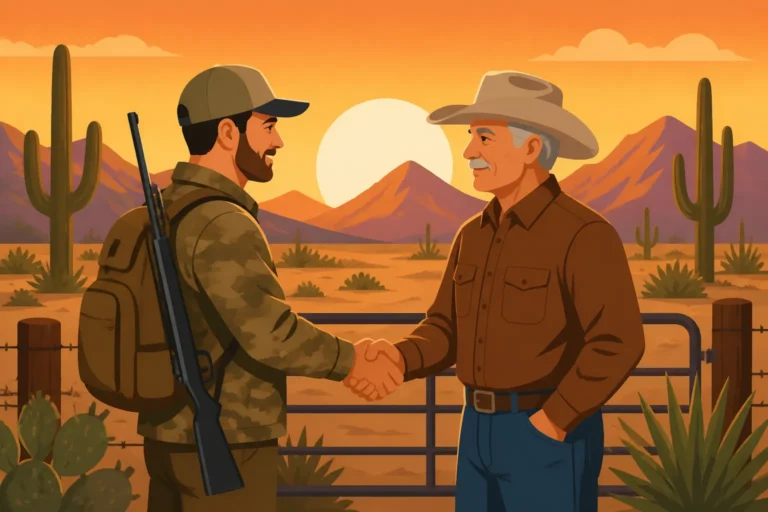
Even with the right permit, accessing State Trust Land often means you're in an area leased for other purposes, most commonly cattle grazing. These lessees, often ranchers, have a right to operate their businesses on these lands, and sometimes they have legitimate reasons to restrict certain types of access or activity. For instance, they might have fences, gates, or even actively grazing herds that require careful navigation. Why Arizona Lessees Can Restrict Trust Land Access explains why their operations take priority.
| Activity | Permit/License Required | Notes |
|---|---|---|
| Hunting | Valid Arizona Hunting License | Acts as your recreational permit for hunting purposes. |
| Fishing | Valid Arizona Fishing License | Acts as your recreational permit for fishing purposes. |
| General Recreation | Arizona State Trust Land Recreational Permit | Required for activities like hiking, photography, horseback riding. |
| OHV Use | OHV Decal & potentially Recreational Permit | Decal mandatory, permit required for non-hunting/fishing. |
| Commercial/Specific Use | Specific Lease or Commercial Permit Required | For activities beyond general recreation, like grazing or mining. |
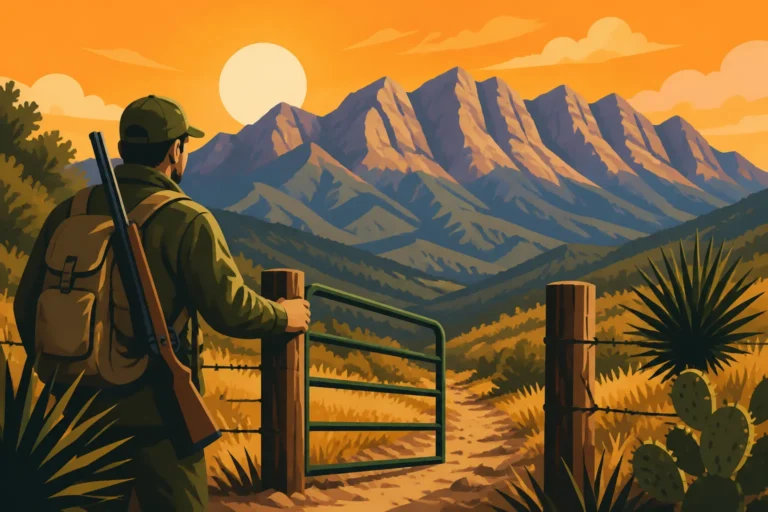
Always practice courtesy and respect. If you encounter a closed gate, assume it's closed for a reason and leave it as you found it. If it's a "buck-and-rail" gate, re-secure it. Don't block access roads or gates, even temporarily. Drive slowly on dirt roads to minimize dust and avoid spooking livestock. If you see signs indicating private property or specific restrictions within Trust Land boundaries (which can happen if a private landowner has an easement or similar arrangement), always heed them. This respectful approach helps maintain positive relationships and ensures continued access for all responsible users. Remember, your permit allows you to be on the land, but it doesn't grant you carte blanche to disrupt existing operations or damage property. For broader context on how much land is available, check out Arizona Holds 9.2 Million Acres of State Trust Land. If you plan to camp, even with a permit, it's wise to review Can You Camp on Arizona Trust Land?.
Using Your Resources Wisely in the Field
Even with thorough e-scouting, things can look different on the ground. Weather, changing signage, or even new construction might alter the landscape. Always carry your mapping device (with downloaded offline maps!) and keep an eye on your location. Don't rely solely on cell service, which can be spotty or nonexistent in many Arizona hunting units. If you're using a device like GoHunt, make sure your maps are up-to-date. Physical maps, especially Forest Service maps or those from the Arizona Game and Fish Department, are also excellent backups. Where Arizona Publishes Unit Access Maps can point you to official resources.
Another critical point: understand that not all "roads" or "trails" on Trust Land are public access routes, even if they appear on some maps. Some might be private ranch roads or routes that are closed to the public. If you see signs indicating "No Trespassing" or "Private Road," obey them, even if your map shows a passage. When in doubt, err on the side of caution. It's better to backtrack or find an alternative route than to risk a citation or worse. Being prepared and aware in the field is just as important as your pre-hunt planning.
Disclaimer
This article is for general informational purposes only and does not constitute professional advice. Laws, prices and regulations vary by location and change over time. Consult a qualified professional for guidance on your specific situation.