Camping Limits on Arizona Wildlife Areas
There's nothing quite like packing up your truck, heading into Arizona's vast and beautiful backcountry, and setting up a temporary camp under the stars. It's part of the whole experience, whether you're hunting, fishing, or just escaping the city lights. But if you're planning to pitch your tent or park your RV within one of Arizona's dedicated Wildlife Areas, you might be surprised to learn that the "just go" mentality won't always fly. These aren't always your standard Bureau of Land Management or Forest Service lands when it comes to camping freedom, and understanding the specific limits here is crucial to avoiding a headache, or worse, a citation. This guide will walk you through why these areas are different and exactly what you need to know about camping within them, so you can enjoy your time responsibly and legally.
Understanding Arizona Wildlife Areas and Their Purpose
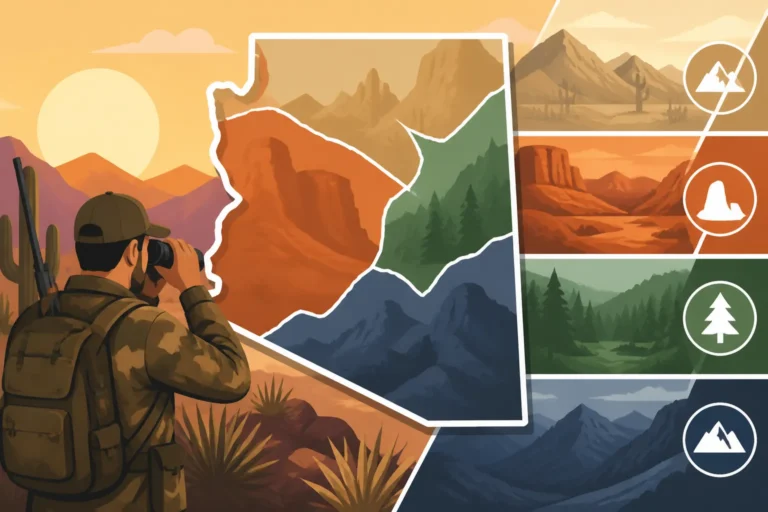
Arizona is a state rich in diverse ecosystems, from the low desert to the high mountains, and these unique environments support an incredible array of wildlife. To protect these habitats and the species that call them home, the state has established a network of Wildlife Areas. These aren't just random stretches of land; they are specifically managed for conservation, public recreation, and, often, as prime hunting and fishing grounds.
What are Arizona Wildlife Areas?
Think of Arizona Wildlife Areas as dedicated conservation parcels, managed primarily by the Arizona Game and Fish Department (AZGFD). Unlike vast tracts of National Forest or Bureau of Land Management (BLM) land, which have broader multi-use mandates, Wildlife Areas have a more focused purpose. Their existence is centered on preserving critical habitats, ensuring wildlife populations thrive, and providing accessible public opportunities for wildlife-related recreation, like hunting and birdwatching.
For example, a Wildlife Area might be specifically established to protect crucial wintering grounds for deer, a sensitive riparian corridor vital for migratory birds, or a unique desert ecosystem home to a variety of small game. The management decisions for these areas, including camping regulations, are made with the primary goal of minimizing human impact on these sensitive environments while still allowing for public enjoyment. You'll find a wide range of these areas across the state, from small, secluded spots along a river to larger parcels of desert or mountain terrain. Each one serves a specific ecological purpose, and that purpose often dictates the rules for how we can use them. If you're looking for more general information about these special places, you can often find it by researching Arizona Game and Fish Wildlife Areas.
Why Specific Rules Apply Here
It's easy to assume that if land is "public," it all operates under the same set of rules. However, that's just not the case, especially in Arizona. Wildlife Areas are managed with a much finer brush than, say, a huge swath of Coconino National Forest. The difference isn't arbitrary; it's rooted in the very reason these areas exist.
When you're in a National Forest or on BLM land, dispersed camping is often allowed almost anywhere, as long as you're a certain distance from water or developed areas, and adhere to general "Leave No Trace" principles. But in a Wildlife Area, the focus on sensitive habitat means that unrestricted camping could easily damage fragile ecosystems, disturb wildlife during critical times (like breeding or wintering), or degrade the very resources the area was created to protect. Imagine if everyone could set up camp right next to a crucial water source during a hot desert summer; it would quickly push animals away and stress already limited resources. These specific rules are a proactive measure, designed to concentrate human activity in less sensitive zones, or limit it entirely, to give wildlife the space and protection they need. It’s a trade-off, really: a little less freedom for us, for a lot more protection for the animals and their homes.
Deciphering Arizona's Camping Regulations for Wildlife Areas
Okay, so we know why the rules are different. Now, let's get into the nitty-gritty of what those rules typically look like. This is where most folks get tripped up because the regulations aren't always immediately obvious and can vary from one Wildlife Area to another.
Duration and Frequency Restrictions
One of the most common types of camping limits you'll encounter in Arizona Wildlife Areas relates to how long you can stay and how often you can return. Unlike some federal lands where you might be able to hunker down for 14 days or more, many Wildlife Areas impose much shorter limits. You might find a three-day limit, a five-day limit, or in some cases, even just a day-use only designation with no overnight camping allowed at all.
These duration limits are put in place to prevent long-term occupation, reduce impact on localized areas, and ensure that the resource is available for a greater number of users throughout the season. They're also a way to prevent situations where someone essentially "moves in," which can lead to sanitation issues, resource degradation, and a decrease in the overall quality of the experience for everyone else. It's not uncommon to see rules that also dictate a "re-entry" period, meaning once you've camped for the maximum duration, you might have to leave the area entirely for a set number of days (e.g., 7 or 14 days) before you can return to camp again. This prevents people from simply moving their camp a few hundred yards down the road and restarting their stay. Always check for both the maximum stay and any re-entry clauses.
Designated Camping Areas vs. Dispersed Camping
This is perhaps the biggest difference between Wildlife Areas and other public lands. While vast stretches of BLM or Forest Service ground often allow for "dispersed camping" (meaning you can camp almost anywhere not explicitly forbidden), many Arizona Wildlife Areas restrict camping to designated sites only.
What does this mean for you? It means you can't just pull off any dirt road and set up camp wherever you please. Instead, you'll need to look for specific signs, established campgrounds, or marked camping areas within the Wildlife Area boundary. These designated sites are usually chosen because they are less ecologically sensitive, have better access, or are already somewhat developed to handle human use. In some cases, a Wildlife Area might not have any designated camping, meaning it's strictly for day use. This is a crucial distinction that can save you from a major violation. If you don't see clear signs indicating where camping is allowed, or if the regulations booklet doesn't specify, assume it's not permitted for overnight stays.
| Camping Type | Common on BLM/Forest Service | Common on AZ Wildlife Areas | What to Look For |
|---|---|---|---|
| Dispersed Camping | Often Allowed | Often Restricted | No signs needed, just follow general rules |
| Designated Sites | Sometimes Available | Frequently Required | Kiosks, picnic tables, fire rings, specific signage |
| No Overnight Use | Rare | More Common | "Day Use Only" signs, explicit regulation statements |
Prohibited Activities and Features
Beyond just where and how long you can camp, Wildlife Areas often have specific prohibitions that go above and beyond general public land rules. These are designed to protect both the natural resources and other users.
- Fire Restrictions: While general public lands often have seasonal fire restrictions, Wildlife Areas might have outright bans on campfires, or require them only within established fire rings at designated sites, even when fire danger is low. This is especially true in areas with dry vegetation or sensitive biological communities. It's always a good idea to bring a portable propane stove for cooking, regardless of fire restrictions. You'll want to be familiar with broader policies, as rules like Fire Restrictions During Hunting Season can override even specific area allowances.
- Vehicle Use: Motorized vehicle access is frequently highly regulated. You might find "motorized vehicle use maps" (MVUMs) that dictate exactly which roads are open to vehicles, and where you can or cannot drive off-road, even for camp setup. The goal is to prevent habitat degradation from off-road travel. If you're used to driving right to your perfect spot on other public lands, you might have to adapt to packing your gear in on foot in a Wildlife Area. For a broader understanding of how vehicle rules apply elsewhere, you might look at Motor Vehicle Use Maps for Forest Ground.
- Waste Disposal: While "pack it in, pack it out" is standard practice everywhere, some Wildlife Areas might have even stricter rules, especially concerning human waste or grey water, due to the sensitive nature of the environment and potentially high visitor numbers in certain spots. Always be prepared to properly pack out all your trash, and be mindful of how you dispose of waste.
- Noise and Disturbances: Some areas might have quiet hours or regulations against excessive noise, particularly during wildlife breeding seasons or in areas where animals are easily stressed by human presence. This is less common but worth checking, especially if you're planning on a group trip.
These prohibitions reinforce the idea that Wildlife Areas are special places managed for specific purposes. They demand a higher level of awareness and respect from visitors.
Finding and Interpreting Wildlife Area Camping Rules
So, you're ready to head out, but you need to pin down the exact rules for the specific Wildlife Area you're eyeing. This isn't always as straightforward as you'd hope, but there are reliable sources you can turn to. Getting this information ahead of time is absolutely key to a smooth, legal, and enjoyable trip.
The Arizona Game and Fish Department as Your Primary Source
When it comes to Arizona Wildlife Areas, the Arizona Game and Fish Department (AZGFD) is your definitive authority. They manage these lands, and therefore, they set the rules. Their website is typically the best place to start. Each Wildlife Area usually has its own dedicated page or section within the AZGFD site, detailing its purpose, what species it supports, and, crucially, any specific regulations for public use, including camping.
Don't just skim these pages; read them carefully. You're looking for sections specifically titled "Camping," "Recreation," or "Public Use Regulations." Sometimes the rules are woven into the general description of the area, so pay close attention to all the details. In addition to their website, the AZGFD publishes various regulation booklets, which are essential reading for any hunter or outdoor enthusiast in Arizona. While hunt regulations focus on season dates and bag limits, they often contain general land use rules as well. If you're having trouble finding the specific camping rules online, don't hesitate to call the nearest AZGFD regional office. They are there to help and can clarify any ambiguities. Remember, ignorance of the rules is never a valid excuse for a violation. Staying informed is the first step to being a responsible visitor. A good general practice is always to consult Reading the Arizona Hunt Regulations Booklet for overarching rules.
Leveraging Mapping Tools for Informed Decisions
In today's digital age, mapping applications have become invaluable tools for outdoor enthusiasts, and they can be particularly helpful for understanding camping limits in Wildlife Areas. Brands like onX Hunt and GoHunt offer detailed land ownership maps that often delineate the boundaries of specific Arizona Wildlife Areas. This is your first line of defense against accidental trespass or unknowingly setting up camp in a restricted zone.
Here's how these tools can assist:
- Boundary Identification: Use the map layers in onX Hunt or GoHunt to clearly see the exact perimeter of the Wildlife Area. This helps you confirm whether your intended camping spot is even inside the area.
- Public Land Distinctions: These apps differentiate between various types of public land (BLM, National Forest, State Trust Land, Wildlife Areas, etc.), which is critical because, as we've discussed, each type can have different rules. If you're using layers in a mapping application, you can dive deeper into Using onX Layers for Arizona Public Land to understand how to maximize its benefits.
- Identifying Access Points and Roads: While these apps might not always have every specific camping regulation overlaid, they will show roads, trails, and potential access points. This can help you scout for areas that might have designated camping, or at least help you understand the terrain you'll be navigating.
- Pre-Scouting: Before you even leave home, you can "e-scout" an area using these tools. Look for potential camping spots, consider their proximity to water, and think about how vehicle access restrictions might affect your plans. This kind of E-Scouting an Arizona Unit Before the Season can save you a lot of time and frustration.
While these apps are incredibly useful for visualizing the landscape and land ownership, always remember that the most current and specific camping regulations for a Wildlife Area will still come from the AZGFD directly. Use the mapping tools as a powerful aid for planning, but always cross-reference with official state documentation.
On-Site Signage and Local Information
Even after you've done your homework online and checked your mapping apps, there's no substitute for paying attention once you're on the ground. Wildlife Areas, especially at their main entry points or popular access areas, will often have kiosks, bulletin boards, or signs posted that reiterate or clarify key regulations.
These signs are put there for a reason, and they are often the most immediate and up-to-date source of information you'll find when you arrive. They might include:
- Camping Limits: Specific duration limits, "Day Use Only" designations, or directions to designated camping areas.
- Fire Restrictions: Current fire conditions or bans.
- Vehicle Restrictions: Which roads are open, or if certain areas are closed to motorized travel.
- Sensitive Habitat Warnings: Information about critical wildlife areas or seasonal closures that might impact your plans.
It's also a good idea to observe what other people are doing. If you see numerous camps set up in a specific area, and signs confirm camping is allowed, that’s a good indication. Conversely, if an area looks perfect for camping but is completely empty of other campers and has no signage, that should raise a red flag. If you happen to encounter an AZGFD Game Warden or other agency personnel in the field, don't be afraid to politely ask for clarification on camping rules. They are the ultimate authority on the ground and can provide precise information for that particular area.
Ethical Camping and Avoiding Violations
Adhering to camping limits in Arizona Wildlife Areas isn't just about avoiding a ticket; it's about being a responsible outdoor recreationist and respecting the invaluable natural resources these areas protect. Our actions, even seemingly small ones, can have a cumulative impact on wildlife and habitat.
Leave No Trace Principles in Sensitive Habitats
The "Leave No Trace" philosophy is paramount when you're recreating in any natural area, but it takes on even greater importance in the sensitive habitats that define Arizona Wildlife Areas. These principles aren't just suggestions; they are the bedrock of responsible outdoor ethics.
- Plan Ahead and Prepare: Knowing the regulations before you go, as we've discussed, is the first step. This includes understanding the specific camping limits, fire restrictions, and waste disposal requirements for the particular Wildlife Area you're visiting. Pack appropriate gear to minimize your impact, like a small trowel for catholes or a way to pack out all trash.
- Travel and Camp on Durable Surfaces: Stick to existing trails, roads, and designated camping areas. Avoid trampling vegetation, especially fragile desert plants, and never create new fire rings or camp spots. If you're in a dispersed camping area (where permitted), choose a spot that's already visibly used or on bare mineral soil.
- Dispose of Waste Properly: This means all waste. Pack out everything you pack in, including food scraps, toilet paper, and even greywater from washing dishes if regulations require. Human waste should be buried in catholes 6-8 inches deep and at least 200 feet from water, trails, and campsites.
- Minimize Campfire Impacts: If fires are allowed, use existing fire rings. Keep fires small and burn all wood and coals to ash. Make sure fires are completely out and cold to the touch before leaving. In many Wildlife Areas, campfires might be prohibited entirely, so a portable stove is a must-have.
- Respect Wildlife: Observe animals from a distance. Never approach, feed, or harass wildlife. Store food securely to prevent animals from getting into it, which can habituate them to human presence and create dangerous situations. This is especially true in areas that Water Sources That Concentrate Arizona Desert Game where animals are already stressed in dry periods.
- Be Considerate of Other Visitors: Camp away from others when possible, keep noise levels down, and respect everyone's right to enjoy the outdoors.
By diligently practicing Leave No Trace, you ensure that these precious Wildlife Areas remain pristine and functional for both the animals and future generations of outdoor enthusiasts.
Potential Penalties for Non-Compliance
Let's be blunt: ignoring the rules in a Wildlife Area can lead to some unpleasant consequences. These aren't just polite suggestions; they are enforceable regulations. The specific penalties can vary depending on the severity of the violation, but they often include:
- Fines: The most common outcome for infractions like camping outside designated areas, overstaying limits, or having an illegal campfire is a monetary fine. These fines can range from relatively small amounts to hundreds of dollars, and they can quickly turn an enjoyable trip into a costly mistake.
- Citations and Court Appearances: For more serious or repeated offenses, you might receive a citation that requires a mandatory court appearance. This means not only a potential fine but also the loss of your time and the hassle of legal proceedings.
- Revocation of Privileges: In some cases, severe or repeated violations can lead to the temporary or permanent revocation of your hunting or fishing license, or even a ban from specific public lands. This is a serious consequence for anyone who values their outdoor access.
- Cleanup and Restitution: If your actions caused damage to the environment—like an escaped campfire or significant littering—you might be ordered to pay for the cleanup or restitution for the damage.
Enforcement in Wildlife Areas is often conducted by AZGFD Game Wardens, who are fully commissioned law enforcement officers. They take their role as stewards of Arizona's wildlife and habitats very seriously. It's far easier and more pleasant to simply know and follow the rules than to face these potential penalties.
Being a Responsible Hunter/Recreator
Ultimately, understanding and respecting camping limits in Arizona Wildlife Areas boils down to being a responsible hunter and outdoor recreationist. These areas exist because of a collective conservation effort, often funded by hunters and anglers, to ensure healthy wildlife populations and accessible public lands. When we disregard the rules, we undermine that effort.
- Protecting Our Access: Every time a rule is broken, it strengthens the argument for more restrictive regulations, or even closures. By demonstrating that we can be trusted to use these areas respectfully, we help ensure continued access for everyone.
- Preserving the Experience: Imagine you've drawn a coveted tag for an early season deer hunt, and you arrive at your favorite spot in a Wildlife Area only to find it trashed by irresponsible campers, or worse, that the area has been closed to camping due to past abuses. Your experience is diminished, and the future of that area is jeopardized.
- Setting an Example: For those of us who bring new hunters or younger generations into the field, our behavior sets an example. Teaching them about responsible camping and land stewardship is just as important as teaching them about firearm safety or ethical shot placement.
In essence, these rules are not designed to hinder our enjoyment but to safeguard the very resources that make outdoor recreation in Arizona so special. By doing our part, we contribute to a legacy of conservation and ensure that the beauty and opportunity of Arizona's Wildlife Areas will be there for generations to come.
Disclaimer
This article is for general informational purposes only and does not constitute professional advice. Laws, prices and regulations vary by location and change over time. Consult a qualified professional for guidance on your specific situation.