Why Lessees Can Close Trust Land Temporarily
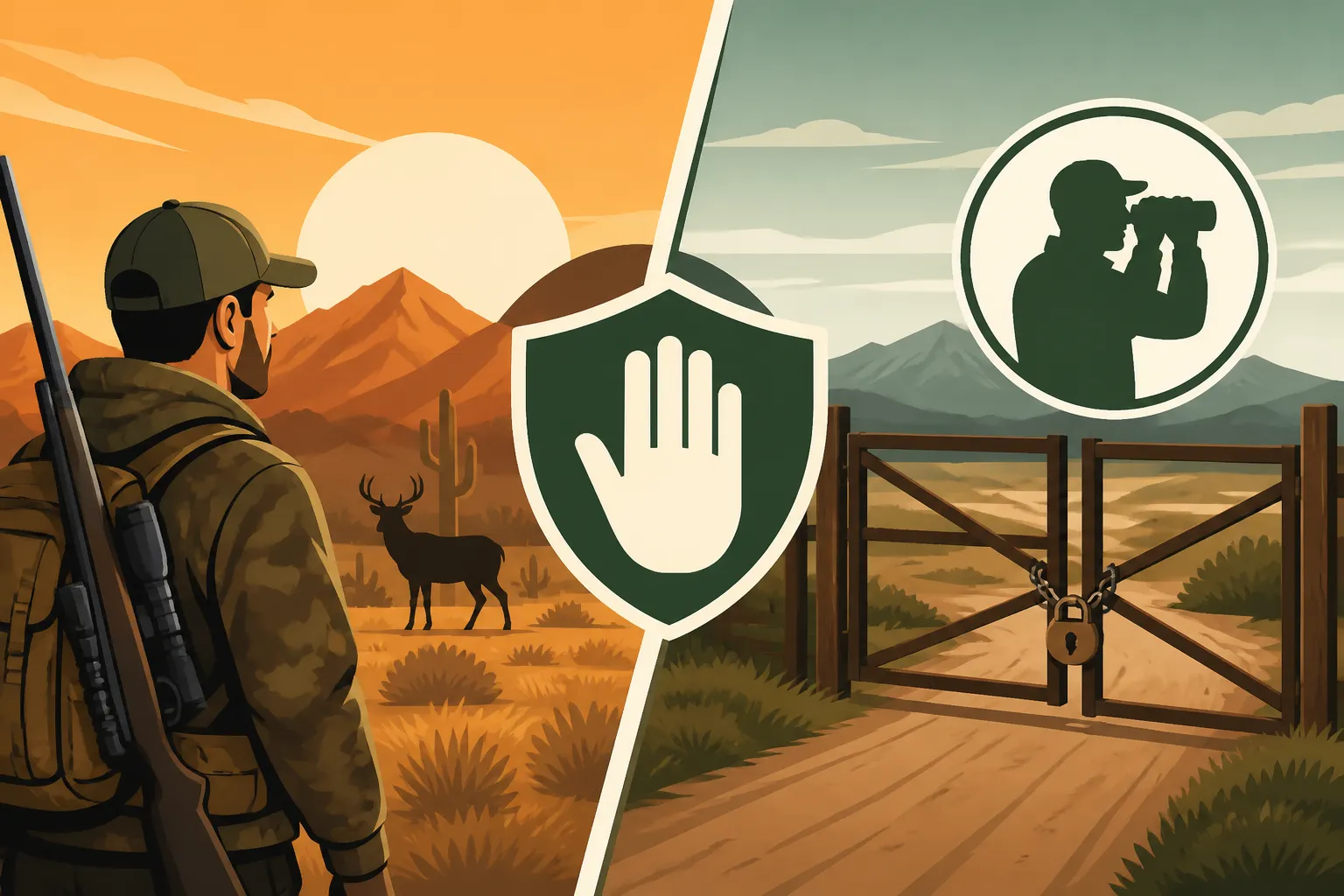
It’s incredibly frustrating to plan a hunting trip to what you believe is public access land, only to arrive and find a gate locked, a chain across a dirt road, or a sign that effectively tells you to turn around. This often happens on Arizona State Trust Land, leaving hunters confused about their rights and what exactly constitutes "public access" here. This guide will help clarify why lessees on Arizona State Trust Land have the authority to temporarily restrict access and how you, as a hunter, can navigate these complex land use rules without losing your cool or getting into trouble.
Understanding Arizona State Trust Land and Its Purpose
Arizona is unique in its land ownership structure, and a big part of that is the extensive system of State Trust Land. Unlike typical federal public lands like National Forests or BLM areas, which are generally open for public recreation by default, State Trust Land operates under a different mandate. It’s not primarily managed for recreation, but rather to generate revenue for specific beneficiaries, mainly public schools. This fundamental difference is key to understanding why access can sometimes be restricted.
What is Arizona State Trust Land?
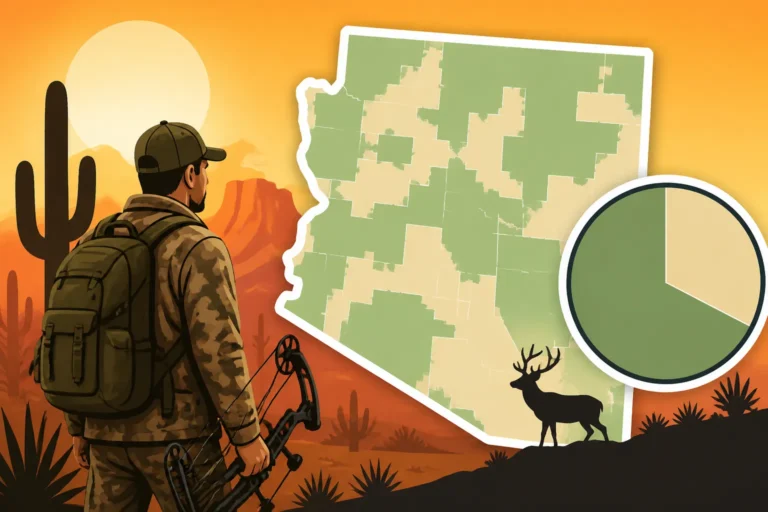
Imagine a vast patchwork across the state, almost 9.2 million acres of land, set aside over a century ago with a very specific financial purpose. This is Arizona State Trust Land. It's not "public land" in the way many people think of it – like national parks or national forests where recreation is often a primary use. Instead, these lands are held in trust, much like a financial investment, with the goal of producing income. This income comes from various activities such as leasing the land for grazing, agriculture, mineral extraction, commercial development, and even recreational permits. For hunters, this distinction is absolutely critical to grasp, because it means the land's primary purpose isn't necessarily your hunting access. You might have heard that Arizona Holds 9.2 Million Acres of State Trust Land, and that's a lot of ground, but its use is carefully managed.
The Beneficiaries and Revenue Generation
The money generated from State Trust Land leases and permits goes to a long list of specific beneficiaries, with public education being the largest and most well-known. Every dollar raised, whether from a rancher’s grazing lease or a developer’s land purchase, is funneled into these educational and institutional funds. This system ensures that the land is managed in a way that maximizes its financial output, which can sometimes put recreational access in a secondary position. It's a constant balancing act between generating income and allowing other uses, including hunting. This focus on revenue is why you often need specific permits or licenses that contribute to that fund, even for activities like hunting. You might wonder Who Arizona Trust Land Revenue Serves, and the answer is broad but always rooted in public good, primarily education.
The Role of Lessees and Permits on Trust Land
This brings us to the lessees – the individuals or entities who lease parcels of State Trust Land for various commercial purposes. These leases grant them certain rights and responsibilities over the land, which often include managing access to protect their operations. Your hunting license often doubles as a recreational permit for general access, but it doesn't always supersede the rights of a working lessee.
What a Lease Means for Access
When a rancher leases State Trust Land for grazing, for instance, they are essentially renting that piece of ground to run their cattle. They invest in fences, water tanks, and other infrastructure. Their livelihood depends on the success of their operation. This lease gives them legal control over that specific parcel for the duration of their agreement, and this control includes the ability to manage how others access or use the land, particularly if it interferes with their business. They’re not simply using "public land"; they have a legal contract to operate on it. While your hunting license generally allows you to be on State Trust Land for hunting purposes, which is often described as Arizona State Trust Land Needs a Permit, and Your License Counts, this general access can sometimes conflict with a lessee’s specific contractual rights.
Why Lessees Can Temporarily Restrict Entry
The crux of the matter is that a lessee's operations are considered paramount under the State Trust Land mandate for revenue generation. If a rancher has cattle on a pasture, they might need to temporarily restrict vehicle access to prevent spooking the herd during calving season, or to protect water sources. If a farmer is actively cultivating crops, public entry could damage their yield. Construction projects, mining operations, or even timber harvesting can all necessitate temporary closures for safety or to prevent interference with heavy machinery. These aren't arbitrary closures; they are often based on a lessee's contractual right to protect their investment and ensure their operation is not jeopardized. It’s a delicate balance, and the state prioritizes the revenue-generating activities. This is distinct from federal land where the primary manager is usually the government agency itself, not a private entity with a lease.
Common Reasons for Temporary Closures
Understanding the "why" behind these closures can help hunters anticipate potential access issues and plan accordingly. It's rarely about preventing hunting specifically, but rather about protecting active commercial operations or ensuring public safety.
Grazing and Agricultural Operations
One of the most frequent reasons for temporary closures on State Trust Land is active grazing or agricultural use. Imagine a rancher moving hundreds of cattle through a specific pasture, or a farmer planting a new crop. Public vehicle traffic, or even foot traffic in some areas, could disturb livestock, damage crops, or compromise sensitive operations. For example, during the spring calving season, a rancher might temporarily close off certain pastures to vehicle access to minimize stress on cows and newborn calves. While your hunting license acts as your recreational permit on trust land, Why a Hunting License Is Your Trust Land Permit, the rights granted to a lessee for their agricultural operations can often take precedence in specific circumstances.
Infrastructure Protection and Development
State Trust Land isn't static; it's often home to active infrastructure projects, whether it's new utility lines being laid, mineral extraction sites, or even residential development in areas closer to expanding towns. These activities involve heavy equipment, blasting, and other hazardous work that simply isn't safe for the public to be around. A temporary closure ensures the safety of both workers and the public, and protects the significant investment in these projects. This is a clear case where the revenue-generating purpose of the land directly necessitates restricting public movement.
Fire Restrictions and Environmental Concerns
Arizona faces significant wildfire risks, especially during dry seasons. Lessees, like the State Land Department, are often proactive in implementing fire restrictions or even temporary closures during periods of extreme fire danger. A careless spark from a vehicle, a campfire, or even certain equipment could ignite a devastating blaze, destroying both the natural resources and the commercial assets on the land. In these instances, closures are less about protecting a lessee's direct operation and more about broader public safety and environmental protection, but the lessee still has a role in implementing and enforcing them. This is often the case across all land types, but lessees can act quickly on their leased areas.
| Reason for Temporary Closure | Typical Impact on Hunter Access | Hunter Responsibility |
|---|---|---|
| Active Grazing/Cattle Movement | Vehicle access restricted, some foot traffic may be allowed cautiously | Respect signs, close gates, avoid disturbing livestock |
| Agricultural Planting/Harvest | Entry to cultivated fields often prohibited | Stay out of crops, use designated access points |
| Active Development/Construction | Full closure of specific work areas, potential road closures | Heed all safety warnings and detour signs |
| Extreme Fire Danger | Varies from fire restrictions to full area closure | Check fire conditions, follow all bans, no open flames |
| Water Source Protection | Access near tanks/ponds restricted for livestock health | Do not tamper with water infrastructure, give animals space |
Navigating Access and Avoiding Conflict on Trust Land
The key to a successful hunt on Arizona State Trust Land is proactive research and respectful conduct. Don't assume anything, and always prioritize caution and communication.
Researching Unit Boundaries and Access Points
Before you even leave your driveway, thorough research is your best friend. Start by identifying the Game Management Unit you plan to hunt and overlay that with land ownership maps. Tools like onX Hunt or GoHunt are absolutely invaluable here. They provide clear visual data on State Trust Land boundaries, often with specific lease information, and can show you designated access roads versus private driveways. These mapping apps are a game-changer for understanding where you can legally be and what to expect regarding access. I always recommend using a robust mapping app, like onX Hunt, to avoid any surprises. You can find detailed information on Reading a Land Ownership Layer Correctly within these apps.
Once you’ve identified State Trust Land parcels, look for official Arizona State Land Department resources. Their website often has maps or alerts regarding specific closures. If there's a particular gate you're worried about, sometimes a quick phone call to the local Game and Fish Department office, or even the State Land Department, can provide clarity. Remember, simply because a road appears on a map doesn't mean it's open for public vehicular access, especially on leased land.
Respecting Lessees and Posted Information
When you are actually in the field, assume that any posted sign or closed gate is there for a legitimate reason. A locked gate across a road on State Trust Land isn't an invitation to trespass or cut a lock. These actions can lead to hefty fines, permit revocations, and seriously damage the relationship between hunters and lessees. Remember, Penalties for Entering Trust Land Without a Permit can be severe, even if you thought you had the right to be there.
If you encounter a working ranch or agricultural operation, try to give them a wide berth. If you absolutely need to cross a working area, and you are certain it’s State Trust Land where your license allows access, consider seeking out the lessee for a brief, respectful conversation. Often, a polite inquiry can open a gate that a forceful approach would keep locked. Always leave gates as you find them – if it's closed, close it behind you. If it's open, leave it open. This simple courtesy goes a long way in fostering good relationships.
Leveraging Mapping Tools and Local Resources
Modern technology has made navigating land ownership significantly easier than in years past. Beyond simply showing boundaries, apps like onX Hunt often integrate information about recreational permits, specific restrictions, and even potential contact information for land managers. Investing in a premium membership for one of these services can save you immense headaches and ensure you’re always on the right side of the law.
Additionally, don't underestimate the power of local knowledge. Chatting with people at a local gas station, a small-town diner, or the regional Game and Fish office can often provide invaluable, real-time insights into current access conditions or recent closures. While the online tools are fantastic, a conversation with someone who lives and works in the area can sometimes provide context that no map can. Knowing When Arizona Requires a Recreational Permit Instead of just your hunting license is another piece of vital local knowledge you might pick up. Always cross-reference multiple sources to ensure you have the most complete and accurate picture of access.
Disclaimer
This article is for general informational purposes only and does not constitute professional advice. Laws, prices and regulations vary by location and change over time. Consult a qualified professional for guidance on your specific situation.