Who Benefits From Arizona Trust Land Revenue
Navigating Arizona's vast and diverse landscapes for hunting can sometimes feel like trying to solve a complex puzzle, especially when it comes to understanding land ownership and access. One of the biggest points of confusion often revolves around State Trust Land – who owns it, who can use it, and perhaps most importantly, where does all the revenue generated from its use actually go? It's a common frustration to contribute to something without fully understanding its purpose, but this guide is here to shed light on precisely who benefits from the revenue generated by Arizona State Trust Land, so you can hunt with confidence, knowing your contributions support vital state services.
Understanding Arizona State Trust Land: More Than Just Hunting Ground
Arizona is a state with an incredible amount of public land, but not all "public" land is created equal in terms of management and purpose. State Trust Land often sits in a category all its own, distinct from the Bureau of Land Management (BLM) acreage or National Forests that many hunters are accustomed to. It's not land set aside for general public recreation in the same way, and understanding its unique mission is key to appreciating its role in the state.
What is Arizona State Trust Land and Why Does it Exist?
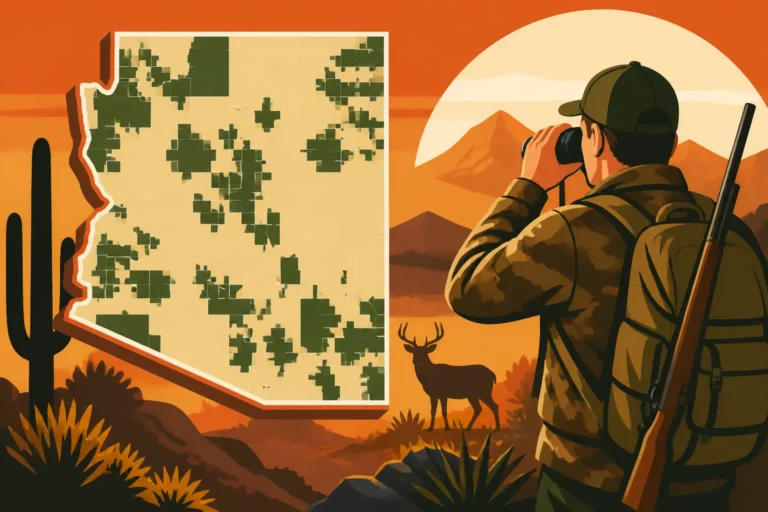
Back in the day, when Arizona was working towards statehood, the federal government provided land grants. This wasn't just a friendly gesture; it was a strategic move to help the nascent state establish itself and fund crucial public services. The land, totaling roughly Arizona Holds 9.2 Million Acres of State Trust Land, was designated as "Trust Land" with a very specific, legally binding mandate: to generate revenue for a set of beneficiaries, primarily public education. It's managed by the Arizona State Land Department, and their job is essentially to act as a fiduciary, maximizing income from these lands for the benefit of those trusts. It's a commercial endeavor, not a recreational one by its primary design, though recreational use, including hunting, does contribute to its revenue stream.
The key takeaway here is that State Trust Land isn't "public land" in the sense of open-access national parks or forests where recreation is often the primary use. Instead, its existence is rooted in a constitutional obligation to support specific institutions through its commercial exploitation. This is why you often see cattle grazing, mining operations, and even urban development projects on Trust Land, all designed to generate income.
How Revenue is Generated from Trust Land
The Arizona State Land Department employs a variety of methods to generate revenue from its vast holdings. It’s not just one big pot; it comes from diverse sources, all contributing to the ultimate goal of supporting the beneficiaries. Think of it like a carefully managed portfolio, with each income stream playing a role.
One major source is through leases for various activities. This includes agricultural leases for grazing cattle, which you'll frequently encounter when Hunting a Stock Tank During Early Archery or just driving through vast stretches of Arizona. There are also commercial leases for urban development, industrial sites, and even telecommunication towers. Mineral extraction, such as sand, gravel, and hard rock mining, also contributes a significant amount. Rights-of-way for utilities like power lines and pipelines are another common income generator. For hunters, our interaction often comes in the form of permits and licenses. A hunting or fishing license, for example, typically serves as your permit for most recreational activities on these lands, directly contributing to the revenue that flows into the trust. Arizona State Trust Land Needs a Permit, and Your License Counts is a good read if you want to know more about that.
The Beneficiaries: Where the Money Goes
So, you've paid your license fee, maybe bought a separate recreational permit for camping, or perhaps you're just enjoying the fact that a cattle rancher on Trust Land is paying for their grazing rights. The big question is: who are these "beneficiaries" that all this money is actually going to? It's not a secret, but it's not always widely publicized to the average hunter or outdoor enthusiast.
The Primary Recipients of Trust Land Funds
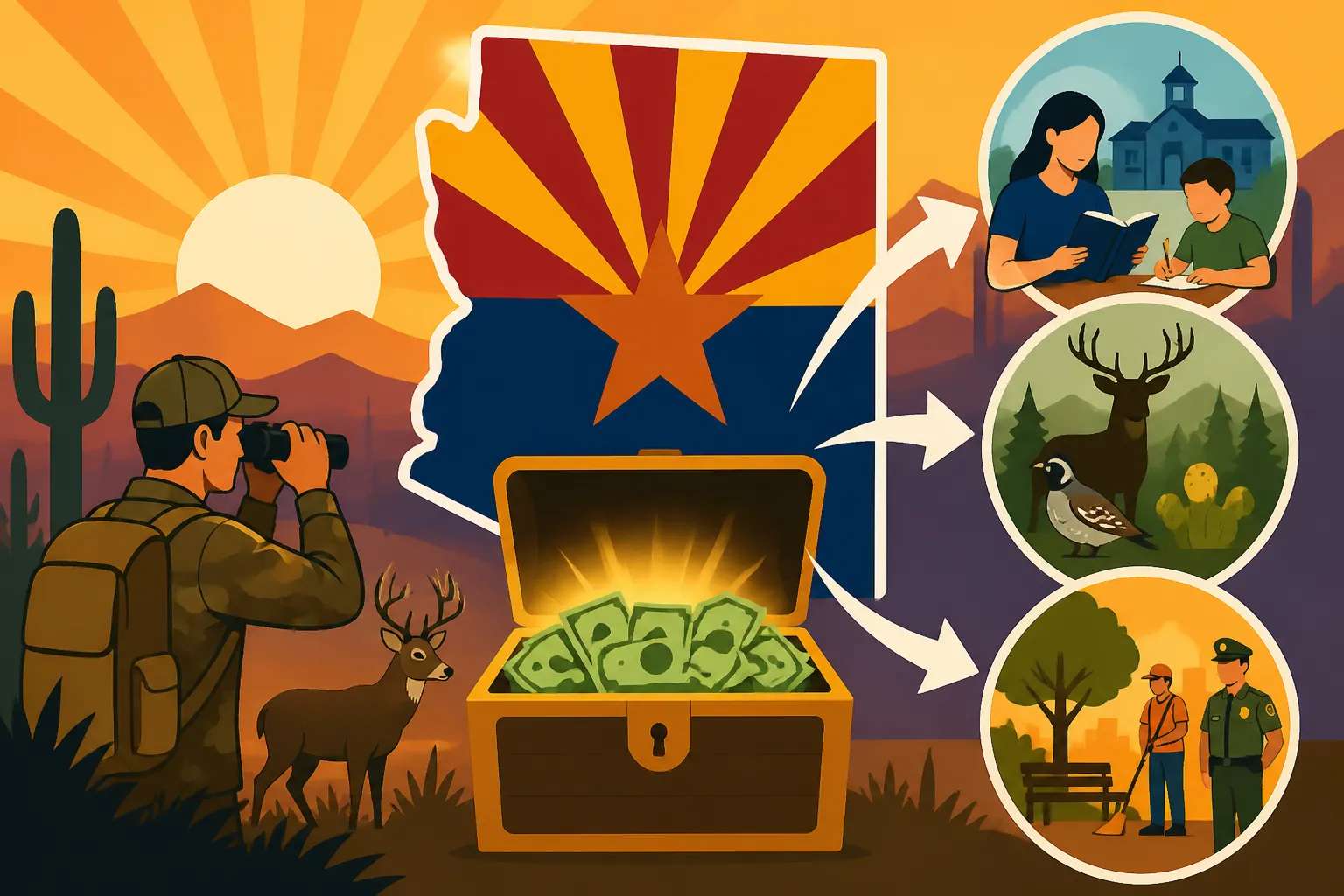
The vast majority of the revenue generated from Arizona State Trust Land is earmarked for educational institutions. We're talking about everything from our public common schools (kindergarten through 12th grade) to our state universities. Imagine that your hunting license fee, in part, helps fund textbooks for a first-grader in Phoenix, or supports a research program at the University of Arizona. It's a direct, tangible contribution to the future of the state's residents. Other beneficiaries include state hospitals, prisons, and other critical public services that keep Arizona running smoothly. These allocations are enshrined in the state's constitution, making them a foundational part of Arizona's financial structure.
It's a system designed to ensure long-term, stable funding for public services, leveraging the state's land assets rather than relying solely on fluctuating tax revenues. The concept is that the land itself is a permanent endowment, and the revenue it generates helps to continually fund these essential services. This historical setup means that when you're trekking across State Trust Land with your Binocular Size That Survives an All-Day Session looking for Coues Deer Are Arizona's Signature Whitetail, you're participating in a system that ultimately supports generations of Arizonans.
Indirect Benefits for Arizona Residents and Wildlife
While the direct beneficiaries are clearly defined public institutions, the impact of State Trust Land revenue ripples out to benefit Arizona residents and even wildlife in less direct, but equally important, ways. When public education, healthcare, and other state services are well-funded, it creates a more stable and prosperous environment for everyone. This stability means better infrastructure, improved public safety, and a stronger economy, all of which contribute to the overall quality of life in the state.
A robust state budget, supported in part by Trust Land revenue, also ensures that departments like the Arizona Game and Fish Department (AZGFD) can receive necessary funding to carry out their crucial work. While AZGFD primarily relies on hunting and fishing license fees and federal excise taxes on gear, a healthy state economy and government indirectly support their ability to manage wildlife, conduct research, and maintain access for hunters. For example, if the state is in good financial standing, there might be more resources available for collaborative projects or to address urgent wildlife management needs. So, while the money doesn't directly go from Trust Land sales to a new wildlife water development, a stronger state budget provides a better foundation for such initiatives.
The Role of Hunters in Generating Trust Land Revenue
For many hunters, State Trust Land is simply another landscape to explore, a place to pursue game. But our presence and participation are actually quite significant to the Trust Land's revenue generation model, making us an active part of this unique system.
Your Hunting License as a Permit for Trust Land Access
This is probably one of the most common questions I get asked as a veteran blogger: "Do I need a separate permit to hunt on Arizona State Trust Land?" And the answer, for most hunting and fishing activities, is often no, because your valid Arizona hunting or fishing license already serves as the required recreational permit. This is a crucial distinction and a streamlined process that benefits both hunters and the Trust. When you purchase that license, a portion of that fee contributes to the general fund, and by association, you've fulfilled the requirement to access Trust Land for your licensed activity. This makes it incredibly convenient for hunters, as you don't need to juggle multiple permits for a single outing.
It’s a win-win: hunters get extensive access to millions of acres of prime habitat for species like Javelina Is Arizona's Most Accessible Big Game or Coues Deer Are Arizona's Signature Whitetail, and the Trust Land system receives revenue. It simplifies the process for us and ensures that our contributions are continually flowing into the state's coffers to support those essential public services. So, next time you're out there, remember that your license does more than just give you permission to hunt; it connects you to a broader system of public support.
Distinguishing Hunting License Fees from Direct Trust Land Permits
While your hunting license typically covers most recreational uses of State Trust Land, it's important to understand that there are exceptions where a separate permit is required. This distinction often trips people up, leading to confusion or accidental non-compliance. Generally, if you're engaging in non-hunting or non-fishing recreational activities—like off-roading, camping for an extended period outside of a designated hunting camp, or target shooting outside of a licensed range—you might need to purchase a separate "Recreational Permit" directly from the Arizona State Land Department.
These additional permits are explicitly for activities beyond what a standard hunting or fishing license covers. They ensure that even broader recreational uses contribute to the Trust's revenue. It's not meant to be punitive but rather to ensure all types of usage, especially those that might involve more intensive or specialized activities, generate fair compensation for the Trust's beneficiaries. Always check the current regulations if you're planning activities beyond standard hunting or fishing on State Trust Land. Knowing When Arizona Requires a Recreational Permit Instead can save you a headache and ensure you're always on the right side of the rules.
Navigating Trust Land and Ensuring Compliance
Hunting on State Trust Land comes with great opportunity, but also a responsibility to understand and respect its unique status. Unlike the more open-ended access of a typical National Forest or BLM parcel, Trust Land is actively managed for revenue, which means other activities might be taking place, and you need to be aware of your surroundings.
Identifying Trust Land in the Field
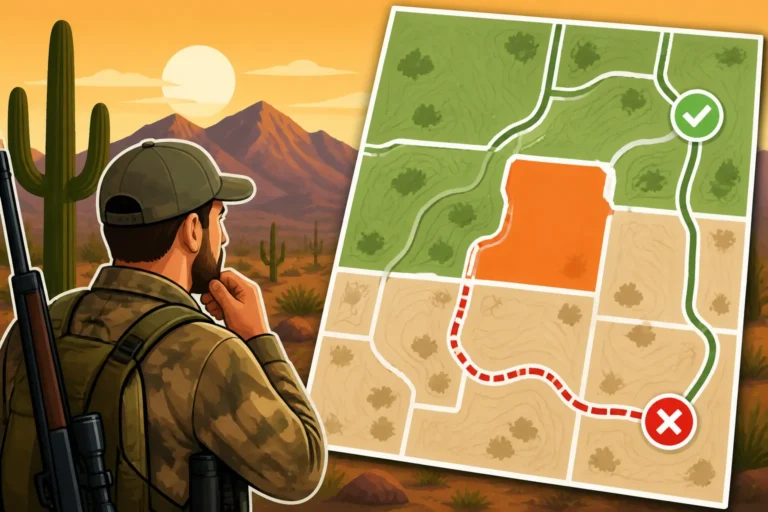
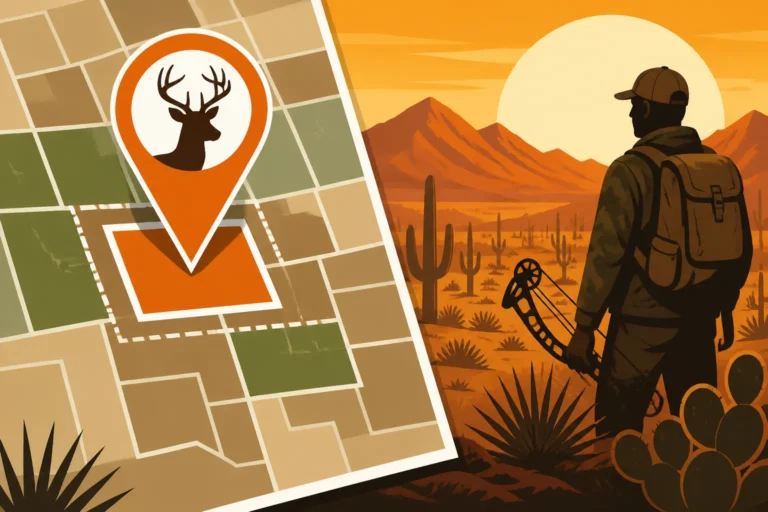
Knowing exactly where you are and what type of land you're on is paramount, especially when boundaries can be less than clear on the ground. This is where modern mapping technologies become indispensable for any Arizona hunter. Tools like onX Hunt and GoHunt have revolutionized how we interact with land ownership maps, making it incredibly easy to identify State Trust Land boundaries, private parcels, BLM land, and National Forest ground. I've often leaned on these apps when Scouting an Arizona Unit Before the February Deadline to make sure I'm not planning a hunt in an area I can't legally access or traverse without additional permits.
Before you even step foot out the door, take the time to study your intended hunting unit on these apps. Look for the distinct color coding that differentiates Trust Land from other public and private holdings. Understand the roads and access points. It’s far better to identify potential issues from the comfort of your home than to find yourself miles deep in an unfamiliar area wondering if you're legally there. Reading a Land Ownership Layer Correctly is a skill every hunter needs to master in Arizona, and these apps are the best way to do it.
Respecting Lessees and Land Management Practices
Because State Trust Land is managed for revenue, it's often leased out for various commercial activities, with cattle grazing being one of the most common. This means you will frequently encounter fences, gates, and livestock while hunting. It is absolutely crucial to respect these ongoing operations. Always close gates behind you, avoid disturbing livestock, and be mindful of any equipment or infrastructure related to the lease. The lessees, whether they are ranchers, farmers, or developers, have legal rights to use that land according to their lease agreements, and their operations have priority.
In some cases, a lessee might have a legitimate reason to restrict access temporarily or permanently to certain areas if it interferes with their commercial activities, even if it's Trust Land. While your hunting license generally grants access, these situations require your understanding and cooperation. Remember, they are contributing to the same revenue stream that benefits the state, so mutual respect is key. Getting familiar with Why Arizona Trust Land Lessees Have Priority can give you a deeper insight into these dynamics and help you navigate encounters respectfully.
Here's a quick overview of Arizona State Trust Land revenue:
| Revenue Source | Examples | Primary Beneficiaries | Indirect Benefits |
|---|---|---|---|
| Leases | Agricultural (grazing), Commercial (development), Industrial, Rights-of-way | Public Schools, Universities, State Hospitals, Prisons | Stronger state economy, improved infrastructure |
| Resource Sales | Mineral extraction (sand, gravel, rock), Timber | Public Schools, Universities, State Hospitals, Prisons | General state budget stability, community development |
| Recreational Permits | Hunting/fishing licenses, OHV decals, specific recreational permits | Public Schools, Universities, State Hospitals, Prisons | Wildlife management funding (indirectly), public access for recreation |
When you consider the vastness of Arizona's State Trust Land and the multiple ways it generates income, it's clear that it plays a monumental role in funding crucial public services across the state. Every time you buy a hunting license and step onto these lands, you're not just pursuing game; you're actively contributing to the educational future and general well-being of Arizona's communities.
Disclaimer
This article is for general informational purposes only and does not constitute professional advice. Laws, prices and regulations vary by location and change over time. Consult a qualified professional for guidance on your specific situation.