Arizona Unit 9 on the Kaibab Plateau
Alright, fellow hunters, let's talk about one of Arizona's most storied and sometimes intimidating hunting grounds: Unit 9, nestled right there on the magnificent Kaibab Plateau. It's a place steeped in legend, often whispered about in reverent tones, but understanding what makes it tick – from its challenging terrain to its coveted tags – can feel like deciphering an ancient map. This guide is here to break down the realities of hunting this iconic unit, giving you the inside scoop on what to expect, how to prepare, and why it draws so many determined hunters year after year.
Understanding Arizona's Kaibab Plateau and Unit 9
When you hear "Kaibab," images of massive mule deer bucks often flood the mind, and for good reason. But the Kaibab Plateau, and specifically Unit 9, is so much more than just a place to chase big antlers; it's a unique ecosystem that demands respect and a solid understanding of its dynamics.
Geographic Overview of the Kaibab
The Kaibab Plateau is a distinct, elevated landform in northern Arizona, famously situated north of the Grand Canyon. It's truly a world apart from the desert landscapes many associate with Arizona. Here, you'll find sprawling forests of ponderosa pine, interspersed with stands of aspen, oak brush, and open meadows. Elevations typically range from 6,000 to over 9,000 feet, which means it experiences true four-season weather, including significant snowfall in winter. This higher elevation and cooler climate create an entirely different hunting experience compared to the sky islands of the south or the vast deserts. It's a place where timber is thick, visibility can be limited, and the air is crisp and thin.
The plateau itself acts almost like an island, geographically isolated by the canyons of the Colorado River and its tributaries. This isolation has played a crucial role in shaping the genetics and behavior of its wildlife, contributing to its famed big game. While you're on the Kaibab, it's easy to forget you're still in Arizona; the towering pines and cool breezes feel more like the Rockies than the Sonoran Desert.
The Allure of Unit 9 and Its Reputation
Unit 9 holds a legendary status among hunters, particularly for its mule deer. For decades, it has been synonymous with trophy-class bucks, boasting incredible antler growth that makes it a top destination for those seeking a buck of a lifetime. The sheer size and quality of the deer that come out of this unit are unparalleled in many parts of the West. This reputation isn't just folklore; it's backed by historical harvest data and the consistent production of animals that make the record books. The allure is palpable, drawing hunters from across the nation who dream of drawing one of its precious tags.
However, with such a reputation comes intense competition. Drawing a tag for Unit 9, especially for mule deer, is incredibly difficult. It requires years, often a decade or more, of accumulating bonus points. This can be a source of frustration for many, as the dream of hunting the Kaibab feels perpetually out of reach without a substantial investment of time and patience in the Arizona draw system. It's a commitment, not a spontaneous decision.
How Unit 9 Fits into Arizona's Game Management Units
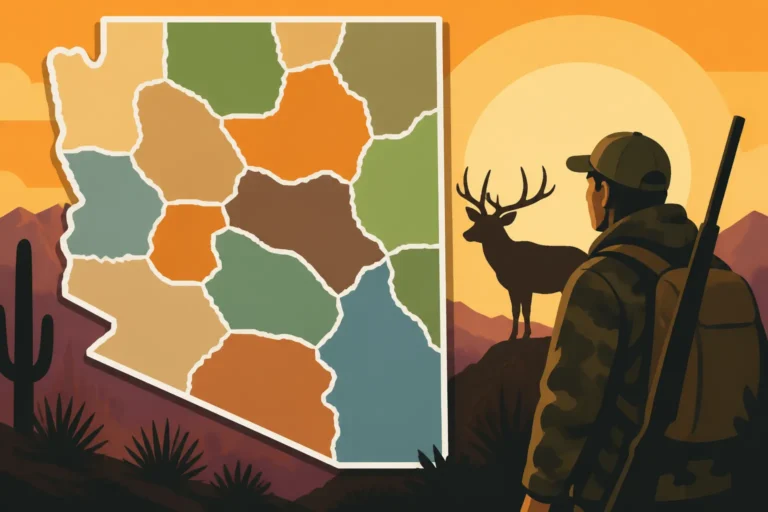
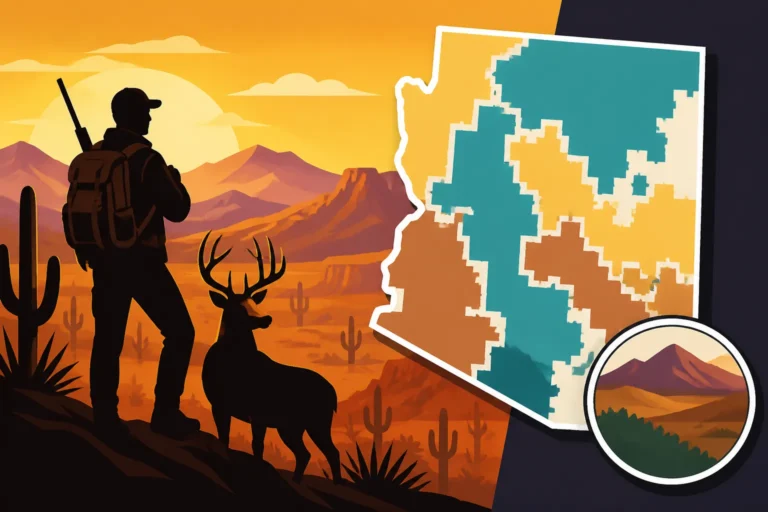
Arizona's Game Management Unit (GMU) system is how the state breaks down its vast and varied landscapes for wildlife management and hunting purposes. Unit 9 is just one piece of this puzzle, but a very significant one. It encompasses a large portion of the Kaibab Plateau, specifically the western part. When you look at a map of Arizona's hunting units, Unit 9 is prominently displayed north of the Grand Canyon, bordered by other units like Unit 12A and Unit 12B to its east and west, respectively.
Understanding these boundaries is crucial for any hunter. The unit lines are not just arbitrary divisions; they often reflect geographical features, habitat types, and management strategies unique to that area. The Arizona Game and Fish Department uses these units to manage herd health, set harvest quotas, and regulate hunting seasons. For anyone planning to hunt the Kaibab, knowing your specific unit, its boundaries, and the regulations tied to it is the first step to a legal and successful hunt. You really need to spend some time Reading an Arizona Unit Boundary Before You Apply to fully grasp where you can and cannot be.
Mule Deer on the Kaibab: The Legendary Bucks of Unit 9
If you ask any serious western mule deer hunter about their dream hunt, Unit 9 on the Kaibab Plateau will likely be at the top of their list. This unit consistently produces some of the largest mule deer in North America, making it a highly coveted and intensely sought-after destination.
Unique Genetics and Habitat Factors
The mule deer of Unit 9 owe their legendary status to a combination of factors, including unique genetics and exceptional habitat. The plateau's isolated nature has allowed a distinct gene pool to develop, favoring large body size and impressive antler growth. These deer are often characterized by their heavy main beams, deep forks, and impressive width. But genetics alone aren't enough; the habitat plays an equally vital role. The Kaibab's diverse forest environment, with its mix of old-growth ponderosa pine, dense aspen groves, oak brush, and interspersed meadows, provides an ideal ecosystem.
During spring and summer, the abundant browse, forbs, and grasses offer a nutrient-rich diet that fuels antler development. The consistent rainfall (for Arizona standards, anyway) and snowmelt ensure crucial water sources and lush vegetation through the growing season. This dense cover also provides security from predators and thermal regulation, allowing bucks to grow old and reach their full potential. While other areas might produce big deer, the consistency and average size on the Kaibab are what truly set it apart.
Draw Odds and Application Strategy for Mule Deer
Let's not sugarcoat it: drawing a Unit 9 mule deer tag is incredibly tough. It's often referred to as one of the hardest tags to draw in the entire West. Nonresidents face even steeper odds due to the Arizona Caps Nonresidents at Ten Percent of Every Hunt, meaning a very small percentage of the already limited tags go to out-of-state hunters. Residents also need significant patience, often accumulating 15-25+ bonus points before having a realistic shot. This is where strategic application becomes paramount.
Most serious applicants utilize the bonus point system, prioritizing earning a point each year to slowly improve their odds. Services like GoHunt are invaluable here, as they provide detailed draw odds analysis, allowing hunters to see precisely what it takes to draw in different seasons and with varying numbers of points. The application strategy typically involves applying for the highest-demand hunts (like the early rifle season) year after year, fully expecting not to draw, but knowing each application earns another valuable bonus point. It's a long game, a marathon, not a sprint. The Arizona Deer, Sheep and Bison Deadline is a critical date to mark on your calendar if you're committed to this journey.
Hunting Tactics for Kaibab Mule Deer
Once you're fortunate enough to draw a Unit 9 mule deer tag, the real work begins. Hunting these legendary bucks is physically and mentally demanding. The Kaibab is not open country like many parts of the desert; it's heavily timbered, which means traditional long-range glassing strategies can be challenging. Instead, hunters often rely on a combination of patient still-hunting, glassing smaller openings and drainages, and meticulous tracking. Early mornings and late evenings are prime times when deer are most active, moving between bedding areas and feeding grounds.
Snow can be a game-changer. If an early season hunt coincides with a fresh snowfall, tracking becomes much more feasible, and deer movement patterns can shift dramatically. Without snow, the dry pine needles and fallen leaves make for noisy walking, making a quiet approach difficult. Hunters spend countless hours behind high-powered binoculars and spotting scopes, picking apart every shadow and patch of timber, looking for a flick of an ear or the gleam of an antler. Patience is a virtue here, as these mature bucks are masters of eluding detection in their dense forest home. Understanding the terrain and how deer use it to their advantage is key; Reading Terrain Before You Pick a Camp and plan your hunt is crucial.
Elk Hunting Opportunities in Unit 9
While Unit 9's reputation often centers around its monster mule deer, it also harbors a robust and healthy elk population, offering another incredible big game hunting experience. Elk on the Kaibab can be just as challenging and rewarding as the deer, requiring different tactics and an understanding of their behavior in this unique environment.
Elk Populations and Preferred Habitats
The Kaibab Plateau, including Unit 9, supports a significant population of Rocky Mountain elk. These are not just scattered herds; you'll find healthy numbers of elk throughout the unit. Unlike the mule deer which might prefer the thicker, more secluded timber, elk often utilize a broader range of habitats. They thrive in the vast ponderosa forests, but will frequently be found grazing in the numerous meadows and clearings, especially during early morning and late evening hours. Aspen groves are particularly important for elk, providing both food and cover, and can be hotspots during the rut.
Water sources are also critical for elk, and they will gravitate towards stock tanks, natural springs, and even the larger drainages that hold moisture. During hotter periods, they will seek out the cooler, denser timbered canyons and north-facing slopes to bed. Identifying these key habitat types and understanding how elk move between them based on time of day, weather, and hunting pressure is essential for success.
Draw Odds and Season Timing for Elk
Drawing an elk tag for Unit 9, while still challenging, is generally less difficult than drawing a coveted mule deer tag. However, "less difficult" is a relative term in Arizona's draw system. You'll still need a good number of bonus points, especially for the prime early archery and rifle seasons. The Arizona Elk and Antelope Application Deadline is the one to remember for these opportunities. The various elk seasons in Unit 9 span from late August for early archery, through September for the peak rut archery and rifle hunts, and into late fall for later rifle hunts.
Early archery hunts offer the chance to pursue bugling bulls during the rut, an experience many hunters dream of. The rifle hunts are highly sought after but also have stricter timing, often falling just after the peak of the rut or later in the season. Muzzleloader hunts also occur, providing a different challenge and often slightly better odds than the high-demand rifle seasons. Researching the specific hunt codes and their associated draw odds, perhaps with tools from GoHunt, is vital for strategizing your application.
Elk Hunting Strategies on the Plateau
Hunting elk in Unit 9 demands a combination of scouting, calling, and still-hunting. During the early archery seasons, particularly in September when the rut is in full swing, calling is a primary tactic. Locating bugling bulls at dawn or dusk, then attempting to close the distance and call them in, is an exhilarating experience. Being able to read the land and predict how a bull will approach a call is a skill honed over many hours in the field.
For rifle seasons, or if calling isn't working, still-hunting through thick timber, focusing on areas with fresh sign – tracks, rubs, and droppings – can be productive. Hunters also spend significant time glassing open meadows and clear-cuts at first and last light, hoping to spot elk moving to and from feeding areas. Finding water sources during dry periods can be a golden ticket, as elk will often visit these consistently. The Kaibab's steep canyons and thick timber mean physical conditioning is paramount. Packing out an elk from the depths of a canyon is a monumental task, so Preparing Physically for a Desert Hunt (or in this case, a high-country plateau hunt) is not just advised, it's mandatory.
Navigating Access and Terrain in Unit 9
Hunting Unit 9 isn't just about finding game; it's about understanding and effectively navigating the sprawling, often rugged terrain of the Kaibab Plateau. Access can be a blessing and a curse, and knowing the rules and realities on the ground is paramount.
Road Systems and Motorized Vehicle Use
Unit 9 is crisscrossed by an extensive network of Forest Service roads, which generally provide excellent access throughout much of the unit. These roads range from well-maintained gravel paths to rough, two-track trails that require a high-clearance 4×4 vehicle. This extensive road system allows hunters to cover a lot of ground quickly, accessing different areas to glass or begin a hike. However, it's not a free-for-all. Forest Service regulations govern motorized vehicle use, and it's absolutely crucial to stay on designated roads. Many areas have seasonal closures, especially during late fall and winter when heavy snow renders roads impassable. You'll often see "Motor Vehicle Use Maps" (MVUMs) that delineate precisely where you can and cannot drive.
Using a mapping application like onX Hunt is incredibly helpful for navigating these roads. It allows you to see the entire road network, identify legal routes, and avoid venturing onto closed or restricted paths. Ignoring these rules can not only lead to fines but also damage sensitive habitat and create access issues for other hunters down the line. Always double-check current conditions and closures before heading out. For more on general rules, you might want to review Motor Vehicle Use Maps for Forest Ground.
Wilderness Areas and Foot Traffic Considerations
While much of Unit 9 is accessible by vehicle on designated roads, portions of the Kaibab Plateau fall within designated wilderness areas. In these areas, motorized and mechanized travel (including mountain bikes) is strictly prohibited. Hunting in wilderness areas means you're going in on foot or horseback. This demands a higher level of physical fitness, meticulous planning, and self-sufficiency. Wilderness areas are often less pressured and can hold older, larger animals that avoid areas with easier access. However, they also present greater logistical challenges for packing in gear and packing out game.
Planning for wilderness hunting involves studying topographic maps to identify suitable routes, potential camping spots, and reliable water sources. The solitude and challenge of a wilderness hunt are incredibly rewarding, but they are not for the unprepared. Be honest with yourself about your physical capabilities and wilderness survival skills before venturing deep into these remote sections.
Water Sources, Stock Tanks, and Their Importance
Even on a forested plateau like the Kaibab, water is life, especially for wildlife. Unit 9, like much of Arizona, has periods of dryness, and reliable water sources become magnets for game. The Kaibab is dotted with numerous stock tanks – man-made impoundments designed to collect rainwater for livestock and wildlife. These tanks, along with natural springs and seeps, are invaluable for concentrating deer and elk.
Hunters often spend significant time scouting and observing these water sources, particularly during drier conditions or hotter parts of the season. Game trails converging on a tank can indicate heavy use. While hunting directly over a water hole is legal in Arizona, ethical considerations and fair chase principles should always guide your approach. These tanks are vital resources, and understanding their locations and how animals use them can be a key component of a successful hunt. Always carry more Water You Must Carry on a Day Hunt than you think you'll need, as the Kaibab can be deceivingly dry away from these vital points.
Planning Your Unit 9 Hunt: Logistics and Preparation
Successfully hunting Unit 9 is less about luck and more about meticulous planning and thorough preparation. Given the effort required to draw a tag, you want to ensure you're as ready as possible when your number finally comes up.
Necessary Gear for Kaibab Conditions
The Kaibab Plateau, with its significant elevation and distinct seasons, demands a well-thought-out gear list. Unlike the desert, you'll experience wide temperature swings, from frosty mornings to warm afternoons, and even sudden thunderstorms or early snowfalls. Layering is crucial. Think synthetic or wool base layers, a good insulating mid-layer, and a waterproof/windproof outer shell. Sturdy, broken-in hiking boots with good ankle support are essential for navigating uneven and sometimes steep terrain. Don't forget quality rain gear, even if the forecast looks clear; mountain weather can change in an instant.
Optics are paramount for Kaibab hunting. You'll want high-quality binoculars (10x or 12x are common) for scanning the timbered hillsides and open parks. A good spotting scope (20-60x or similar) on a solid tripod is invaluable for evaluating animals at a distance, especially given the difficulty of getting close in the thick cover. GPS devices or a reliable phone app like onX Hunt, along with backup paper maps and a compass, are non-negotiable for navigation. Headlamps, first-aid kits, survival essentials, and plenty of water or a reliable filtration system round out the critical items. Optics Power for Arizona's Long Desert Sightlines might apply more generally, but for the Kaibab, the quality and clarity of your glass are what truly matter in those darker timber pockets.
E-Scouting and Pre-Season Preparation
Your Unit 9 hunt begins long before you set foot on the plateau. E-scouting is an indispensable tool for familiarizing yourself with the unit's topography, road systems, and potential hunting areas. Using satellite imagery on platforms like onX Hunt, you can identify open parks, dense timber stands, bedding areas, water sources, and access points. Pay attention to changes in vegetation, north-facing slopes where deer might bed during warmer days, and saddles or funnels that could concentrate animal movement. GoHunt's data, which provides harvest statistics, population estimates, and draw odds, can help you hone in on specific areas or seasons.
Overlaying topographic maps with satellite views helps visualize the terrain's steepness and difficulty. Identify potential camping locations, escape routes, and areas that might hold less pressure. While e-scouting can't replace boots on the ground, it significantly reduces the amount of time you spend looking at a map once you arrive, allowing you to focus on hunting. If you can make a physical scouting trip, even better, but a thorough e-scout is the next best thing. Read up on E-Scouting an Arizona Unit Before the Season to maximize your digital preparation.
Physical Demands and Conditioning
The Kaibab Plateau, with its high elevation and rugged terrain, is not a place for the out-of-shape hunter. Whether you're chasing mule deer in the thick timber or bugling elk in the canyons, you'll be covering miles on foot, often at elevations where the air is noticeably thinner. Steep climbs, uneven ground, and the potential for deep snow or mud can quickly exhaust even fit individuals. Being able to hike comfortably with a loaded pack is essential, as packing out a deer or elk can be one of the most physically demanding aspects of the hunt.
Start a comprehensive fitness regimen months before your hunt. Focus on cardiovascular endurance, leg strength, and core stability. Incorporate hiking with a weighted pack on varied terrain into your routine. The better your physical condition, the more enjoyable and successful your hunt will be. Don't underestimate the Kaibab; it demands respect and preparation. Think about Preparing Physically for a Desert Hunt as a baseline, but know the Kaibab's challenges can be even greater due to elevation and forest density.
Disclaimer
This article is for general informational purposes only and does not constitute professional advice. Laws, prices and regulations vary by location and change over time. Consult a qualified professional for guidance on your specific situation.