Camping on Forest Ground During Hunting Season
Heading into Arizona's vast national forests for a hunting trip can feel like stepping into another world, especially when you're planning to make camp right there in the wilderness. It’s not always as simple as throwing a tent down wherever you please, though. You’ve got to navigate specific rules, understand different camping styles, and prepare for the unique challenges of the Arizona landscape, all while keeping your hunting goals in mind. This guide will walk you through the ins and outs of camping on forest ground during hunting season, ensuring you're set up for a successful and legal stay.
Understanding Arizona's National Forest Camping Regulations
When you're dreaming of a peaceful hunting camp under the stars in Arizona's national forests, it's easy to overlook the practicalities and, more importantly, the regulations. These aren't arbitrary rules; they're in place to protect the incredible landscapes we love to hunt and to ensure everyone has a safe and enjoyable experience. Ignoring them can lead to fines, frustrating interruptions, or even damage to the very resources we depend on for our hunting adventures.
Dispersed Camping Rules and Limitations
Dispersed camping is often the holy grail for hunters: getting away from the crowds, setting up right in your hunting unit, and waking up to the sounds of the forest, not your neighbor’s generator. Arizona’s national forests, like the Coconino, Tonto, Apache-Sitgreaves, and Kaibab, generally allow dispersed camping, meaning you can pitch your tent or park your rig almost anywhere outside of developed campgrounds. However, "almost anywhere" comes with some important caveats.
Typically, you need to be a certain distance from developed recreation sites, water sources, and paved roads—often 1/4 mile or more. This isn't just about privacy; it's about minimizing impact on sensitive areas and ensuring water sources remain clean for wildlife and other users. You also need to pay close attention to the length of your stay. Most forests have a 14-day limit within a 30-day period in any one area, or sometimes even stricter limits, to prevent long-term impacts and ensure public access. These regulations are designed to keep the land wild and accessible for everyone, so make sure your hunt duration aligns with these limits. You might find yourself having to move camp if your hunt stretches longer than planned, which is a hassle you don't need mid-season.
Motor Vehicle and Fire Restrictions
Accessing your dispersed camp means understanding where you can drive. This is absolutely critical, as off-road travel has strict rules in Arizona's national forests. You must consult Motor Vehicle Use Maps for Forest Ground (MVUMs) for the specific forest and unit you plan to hunt. These maps clearly designate which roads are open to motorized vehicles and which are closed, showing seasonal closures, wilderness boundaries, and restricted areas. Driving on a closed road, even just to get to a "perfect" camp spot, can result in hefty fines and damage to the very trails and habitats you're trying to enjoy.
Fire restrictions are another non-negotiable aspect of forest camping, especially during hunting season, which often falls during dry periods. Arizona is no stranger to wildfires, and the forests are incredibly diligent about preventing them. During periods of high fire danger, open fires, charcoal grills, and even propane stoves might be restricted or completely banned. Always check the local forest service website or call the ranger district before your trip. Getting caught with an illegal campfire can lead to significant penalties, not to mention the potential devastation of a forest fire. It’s better to plan for cold meals or a portable propane stove if open fires are prohibited. Knowing what to expect regarding Fire Restrictions During Hunting Season can save your trip and the forest itself.
Choosing Your Camp Style: Dispersed or Developed for Hunters
Deciding where to lay your head after a long day of hunting in Arizona's vast forests often boils down to two main choices: the solitude of dispersed camping or the amenities of a developed campground. Both have their unique appeal and drawbacks, and the best choice really depends on your hunting style, comfort level, and the specific unit you're targeting.
Advantages of Dispersed Camping for Hunters
For many seasoned Arizona hunters, dispersed camping is the only way to go. The most obvious advantage is the ability to set up your camp directly within, or at least very close to, your hunting area. Imagine waking up, stepping out of your tent, and being only a short walk from your glassing knob or elk calling setup. This minimizes travel time in the mornings and evenings, giving you more precious hunting hours. If you're chasing Coues deer in the Sky Islands or elk in Rim Country, reducing the commute to and from camp can be a huge benefit when every minute of legal shooting light counts.
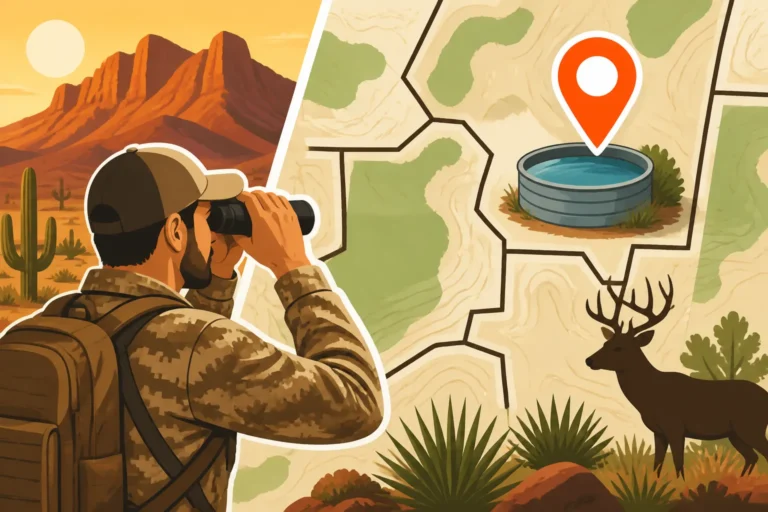
Dispersed camping also offers unparalleled privacy and a true wilderness experience. You won't hear your neighbor's generator, worry about barking dogs, or compete for space at the communal water spigot. This solitude can be incredibly beneficial for mental focus during a hunt. It also allows for more flexibility in camp setup, allowing you to tailor your gear and layout precisely to your needs, whether that means a minimalist spike camp or a more comfortable base camp for a longer stay. Using tools like onX Hunt can be incredibly helpful here, allowing you to scout potential dispersed camping spots from home, check land ownership, and pinpoint hidden access roads that might lead to a perfect, secluded site. You can overlay MVUMs directly on your map, ensuring you're sticking to legal access points and avoiding any private land.
Benefits and Drawbacks of Developed Campgrounds
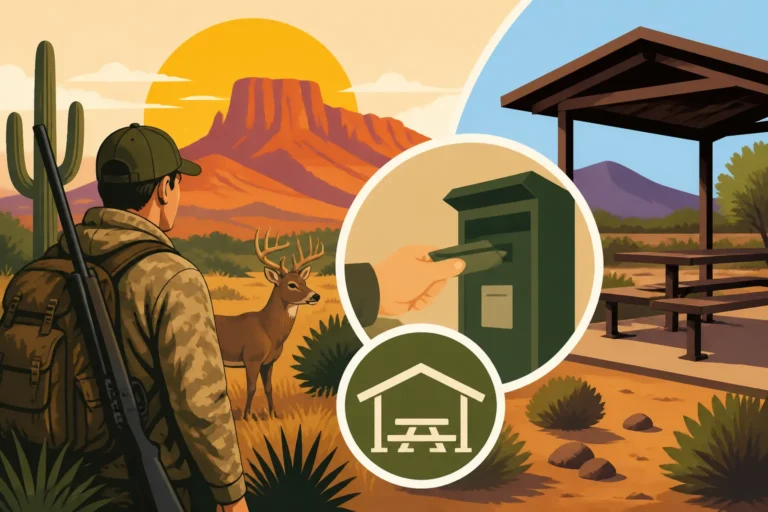
Developed campgrounds, on the other hand, offer a different kind of convenience, one that might appeal to hunters with families, those who prefer more creature comforts, or simply those new to hunting in Arizona's wild lands. These campgrounds often provide amenities like potable water, vault toilets, picnic tables, and designated fire rings (when not under severe restrictions). This means less gear to pack, no need to worry about digging a cathole, and a generally more comfortable camp experience, especially if you're bringing kids along or dealing with less-than-ideal weather.
The biggest drawback, of course, is the lack of solitude and the potential for crowds, especially during popular hunting seasons. You’ll be sharing your space with other campers, not all of whom are hunters, and some may not understand or appreciate the early morning departures or late-night returns that hunting often entails. Developed campgrounds are also typically located in more accessible, often busier, areas of the forest, which might mean a longer drive to your specific hunting grounds. While convenient, the distance from prime hunting spots can negate some of the time savings a developed camp offers. However, if you're hunting a unit with limited dispersed camping opportunities, or if you simply prefer a guaranteed water source and a bit more security, a developed campground can be a solid choice. Sometimes, it's about balancing convenience with the level of "roughing it" you're comfortable with.
Essential Camp Logistics for an Arizona Forest Hunt
Setting up a successful hunting camp in Arizona's national forests goes beyond just finding a spot; it's about thoughtful preparation and understanding the unique demands of the environment. From water management to food storage, these logistical considerations can make or break your comfort, safety, and ultimately, your hunting success.
Water Management and Supply
Water is life, especially in Arizona. Even in the high country, reliable water sources can be few and far between, and what might look like a perennial stream on a map could be a dry wash when you arrive. You absolutely cannot underestimate your water needs. For a multi-day hunt, you'll need water for drinking, cooking, basic hygiene, and potentially for field dressing your animal. The general rule of thumb is at least one gallon per person per day, plus extra for unforeseen circumstances or if you plan on extended hydration for physical exertion.
If you're dispersed camping, don't assume you'll find water near your camp. It's often best to bring all the water you need, either in large jugs or a water bladder system. If you plan to filter water from natural sources, always have a reliable filter and backup purification tablets. Remember, even seemingly clean water can harbor pathogens. When considering your hunting area, think about how accessible water is. Some units are notoriously dry, requiring serious planning for Water You Must Carry on a Day Hunt not just for your camp, but for your daily excursions too. This might influence your camp location or even your chosen unit.
| Camping Style | Water Source | Fire Source (if allowed) | Waste Disposal | Proximity to Hunt Area | Amenities |
|---|---|---|---|---|---|
| Dispersed | Carry-in / Filter | Self-supplied wood | Pack it out | High (choose your spot) | Minimal (nature's finest) |
| Developed | Potable Spigot | Fire ring (supplied) | Designated bins | Variable | Toilets, tables, sometimes showers |
Food Storage and Bear Safety
Arizona's national forests are home to black bears, and while generally shy, they are opportunists. Leaving food out or improperly stored is an open invitation that can lead to habituated bears and, sadly, dangerous encounters. It's not just about losing your dinner; it's about protecting yourself and the bears. Proper food storage is non-negotiable.
Always store all food, scented items (like toothpaste, deodorant, and bug spray), and garbage in bear-resistant containers, a hard-sided vehicle, or by hanging it from a tree at least 10-12 feet off the ground and 4 feet from the trunk. Never keep food inside your tent. Cook away from your sleeping area, and clean up thoroughly immediately after eating. Dispose of all wastewater away from camp. These practices minimize odors that can attract bears and other wildlife, ensuring a peaceful camp. You'll find specific information on wildlife interactions and safety in your forest's regulations, often available online or at ranger stations.
Camp Setup and Leave No Trace Principles
Setting up your camp, whether it's a simple tent or a full RV, requires adherence to Leave No Trace principles. This means packing out everything you pack in, including all garbage, food scraps, and even microtrash. If dispersed camping, choose a durable surface for your camp, like dry grass or bare dirt, avoiding sensitive areas like meadows or stream banks. Avoid creating new fire rings; if a fire is permitted, use existing ones.
When it comes to human waste, away from developed campgrounds, you'll need to dig a cathole at least 6-8 inches deep and 200 feet from water sources, camp, and trails. Pack out all toilet paper. Minimizing your impact ensures that the next hunter, hiker, or camper finds the same pristine wilderness you enjoyed. These principles are especially important in popular hunting units where pressure is higher; doing your part keeps these areas open and healthy for future generations.
Navigating Seasonal Challenges and Unit-Specific Considerations
Arizona is a state of incredible diversity, and what you encounter while camping on forest ground during an early archery elk hunt near Flagstaff will be vastly different from a late-season rifle deer hunt in the Coronado National Forest near Tucson. Understanding these seasonal and unit-specific nuances is crucial for a comfortable and safe camp.
Weather Extremes and Layering Strategies
Arizona's weather can be unpredictable and extreme, often within the same day. Early season hunts, especially for archery deer or bear, can mean scorching daytime temperatures in lower elevations, even in September. Nights, however, can still drop significantly, especially at higher altitudes. A hunt in October or November in the higher elevation units of the Mogollon Rim or White Mountains can bring frosty mornings, warm afternoons, and sudden, intense thunderstorms or even early snow.
This variability means layering is your best friend, both for your personal attire and for your sleeping system. You'll need gear that can handle significant temperature swings. A sleeping bag rated for 20-30 degrees colder than you anticipate the coldest night to be is a good starting point. Have a tarp or rainfly that is robust and reliable, as sudden monsoon storms can turn a comfortable camp into a soggy mess in minutes. Remember, even if the forecast looks clear, mountain weather can change on a dime. Preparing for Layering for Rim Country Temperature Swings is critical, even when you're just at camp.
Road Closures and Access Issues
Forest roads, particularly in the northern and eastern parts of Arizona, are often subject to Seasonal Road Closures Across Arizona Forests. These closures are typically in place during the winter months to protect roads from damage due to snowmelt and mud, but they can extend well into spring or even start early in fall with heavy rains or snow. Always check the specific forest and unit’s road status before you head out, especially if your hunt falls on the shoulder seasons. What looks like a perfect access road to a remote camp on your GoHunt map might be barricaded or impassable when you arrive.
Beyond seasonal closures, some roads require high-clearance 4×4 vehicles, and conditions can change rapidly with rain. Getting stuck far from civilization is a serious issue, so always assess the road conditions carefully. Utilizing detailed mapping apps like onX Hunt can help you visualize the terrain and road network, giving you a better understanding of potential access challenges before you even leave home. This pre-scouting is vital for knowing if your chosen camp spot is truly accessible.
High-Pressure Areas and Finding Solitude
Some Arizona hunt units are consistently popular, drawing large numbers of hunters, especially on opening weekends. Units known for trophy elk or easy-to-access deer can see significant hunting pressure. If you're hoping for a quiet, secluded camp, you'll need to be strategic. Researching Units That Get the Heaviest Hunting Pressure can give you an idea of where to expect crowds.
To find solitude, consider pushing further off the main roads, utilizing foot or horseback access if possible, or researching less popular units. Sometimes, simply hunting a less-desired part of a popular unit can yield incredible experiences and quiet camp. This might mean packing your camp in on your back or utilizing a smaller, more mobile setup. When you are Scouting a Unit From Satellite Imagery, look for areas that are difficult to access by vehicle, or areas with dense timber that might discourage some hunters. These spots often hold both animals and the peace and quiet you're looking for. Understanding Elevation Bands Worth Understanding in Arizona can also help you find pockets of less pressured ground, as animals (and hunters) often concentrate at specific altitudes depending on the time of year and weather patterns.
Disclaimer
This article is for general informational purposes only and does not constitute professional advice. Laws, prices and regulations vary by location and change over time. Consult a qualified professional for guidance on your specific situation.