Pack Stock Rules Inside Wilderness
There's nothing quite like the raw, untamed allure of Arizona's wilderness areas. The call of remote canyons and untouched mountains is strong for many hunters, promising an experience far removed from the everyday grind. But getting deep into these pristine landscapes, especially with pack stock, comes with its own set of challenges and, crucially, a very specific rulebook. This guide will walk you through the essential regulations and best practices for using horses, mules, or llamas to access Arizona's wild backcountry, ensuring your adventure respects these special places.
Understanding Arizona's Wilderness Areas and Their Purpose
Arizona is blessed with an incredible amount of public land, and a significant portion of that is designated as wilderness. These aren't just any old public lands; wilderness areas are specifically set aside by Congress to preserve their natural character, offering opportunities for solitude and primitive recreation. This designation means they're managed differently than, say, a national forest that allows motorized vehicles on designated roads. The very essence of wilderness is to remain untrammeled by human hand, which naturally extends to how we and our animals interact with it.
What Defines an Arizona Wilderness Area?
When you step into a designated wilderness area, you're entering a place where the primary goal is to keep it wild. This means no roads, no mechanized equipment, and no permanent structures. For a hunter, this translates to a profound commitment to self-reliance and low-impact travel. It's about experiencing the land on its own terms, much like the early explorers did. The landscapes might range from the rugged peaks of the Blue Range Primitive Area to the iconic canyons of the Mazatzal Wilderness, but the overarching management philosophy remains consistent: wildness first. This dedication to preserving primeval conditions is why federal agencies, like the Forest Service and the Bureau of Land Management, enforce strict rules, especially when it comes to animals that can have a significant impact on the terrain and vegetation.
The purpose isn't to make access impossible, but to ensure that the wilderness experience is sustained for generations. Imagine packing into a remote basin for an elk hunt, only to find the pristine meadows trampled and eroded by irresponsible stock use. The rules are designed to prevent exactly that. They protect the fragile ecosystems, the water sources, and the sense of solitude that draws people to these places in the first place. When you're planning your trip, think of these rules not as obstacles, but as a shared responsibility to maintain the integrity of the wild.
Why Pack Stock Rules Are So Specific
The impact of pack stock, if not managed carefully, can be substantial. Horses and mules, with their weight and hard hooves, can contribute to trail erosion, particularly in sensitive riparian areas or on steep slopes. They can also introduce invasive species through their feed, consuming native forage and altering the delicate balance of the ecosystem. Their waste can contaminate water sources and change soil composition. These aren't just minor inconveniences; they can have long-term, detrimental effects on the very "wildness" these areas are meant to protect.
Because of these potential impacts, specific rules regarding pack stock are a necessary component of wilderness management. These regulations aim to minimize the footprint of your animals, from what they eat to where they rest. For instance, the requirement for certified weed-free feed is a direct response to the threat of non-native plant species. Limiting party sizes and specifying setback distances from water are measures to prevent overuse and maintain the quality of critical resources. Understanding the why behind these rules makes it much easier to adhere to them responsibly and ensures you're contributing to the preservation of these incredible hunting grounds.
Specific Rules for Pack Stock in Arizona Wilderness
Navigating Arizona's wilderness areas with pack stock requires a deep understanding of, and commitment to, specific regulations. These rules are non-negotiable and are in place to preserve the delicate balance of these wild places. Before you even load up your trailer, you need to be intimately familiar with what's expected of you and your animals.
Certified Weed-Free Feed Requirements
One of the most critical and often misunderstood rules for pack stock in Arizona wilderness areas is the requirement for certified weed-free feed. This isn't just a suggestion; it's a mandatory regulation enforced by federal land agencies. The reason is simple: conventional hay and feed can be packed with seeds from invasive plant species. When your animals consume this feed and then deposit waste, or when uneaten feed drops to the ground, those seeds can germinate, establishing non-native plants that outcompete native vegetation. This can decimate critical forage for wildlife, alter fire regimes, and fundamentally change the ecosystem.
So, what does "certified weed-free" mean? It refers to hay, pellets, or cubes that have been inspected and certified by a state agency (like the Arizona Department of Agriculture) or an equivalent authority in another state, to be free of noxious weed seeds. You'll typically find a colored twine or tag on the bales indicating their certified status. Loose feed, like grain, should also be certified or, if not possible, transported and fed in a way that absolutely prevents spillage and germination. It’s not just about what you feed your animals, but how you handle it. Always carry enough certified feed for the entire duration of your trip, as finding it in remote areas is virtually impossible, and using uncertified feed is a violation.
Minimum Distances from Water and Campsites
Another key set of rules revolves around where you can tie up your stock and establish camp. Pack animals, with their natural habits, can heavily impact riparian areas and contaminate water sources if not managed properly. Most wilderness regulations require you to keep your stock a certain minimum distance from streams, rivers, springs, and even designated trails. This often means tying them at least 100 or 200 feet away from water sources, preventing direct contamination, bank erosion, and overgrazing of sensitive vegetation along waterways.
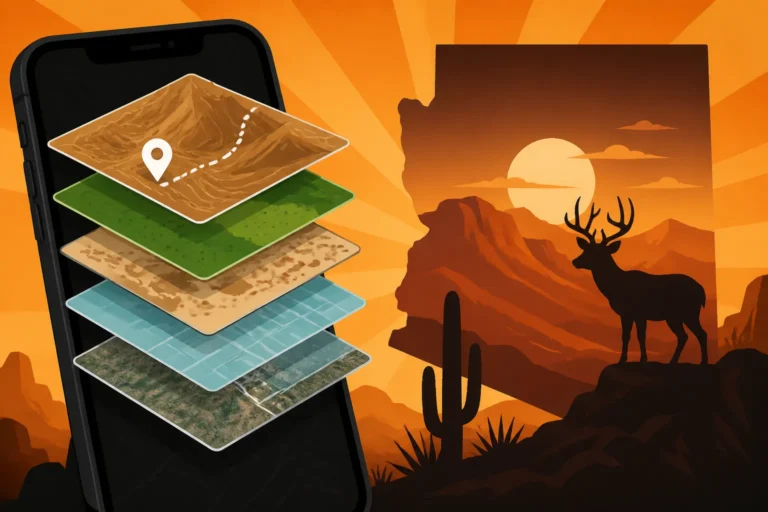
Similarly, your campsites, and where you hold your animals, need to be set far enough away from trails and other established areas to preserve the solitude and primitive character of the wilderness. This helps prevent the accumulation of waste, reduces visual impact, and ensures that other users can experience the wilderness without stumbling upon your camp. When you're scouting out a potential campsite, think about where your animals will be held, how their waste will be managed, and how you can minimize their footprint on the landscape. Using a mapping tool like onX Hunt can be incredibly helpful here, as you can mark water sources and trails to ensure you're setting up legally and ethically. Remember, the goal is to leave no trace that you and your animals were ever there.
Party Size and Stock Number Limits
Wilderness areas also often impose limits on party size and the number of pack animals you can bring. These restrictions are in place to reduce the overall impact on trails, campsites, and forage, and to maintain the sense of solitude. A large group with many animals can quickly degrade a trail, overgraze a small meadow, and make it difficult for other wilderness users to find peace and quiet. The specific numbers can vary by wilderness area and managing agency, so it’s absolutely critical to check the regulations for the particular unit you plan to visit.
For example, some wilderness areas might cap group size at 10 people and 15 head of stock, while others could be more restrictive. These limits are not arbitrary; they are based on the carrying capacity of the land and the management objectives for that specific area. Exceeding these limits can result in fines and, more importantly, detract from the wilderness experience for everyone. If you're planning a group hunt, it's essential to coordinate carefully and ensure everyone understands and adheres to these limitations. Splitting into smaller, staggered groups might be necessary to comply with the rules and minimize your collective impact.
Designated Trails and Areas for Stock Use
While wilderness areas are vast and open, there might be specific regulations concerning where pack stock can and cannot go. Some areas may have designated stock trails, while others might restrict stock use in certain sensitive ecological zones or popular hiking areas. It’s not uncommon to find areas where stock use is prohibited altogether, perhaps due to extremely fragile soils, critical wildlife habitat, or a desire to maintain a "foot-travel only" experience.
Before embarking on your trip, thoroughly research the specific wilderness area you intend to enter. This often means consulting detailed maps and the managing agency's website. Websites like GoHunt can sometimes provide unit-specific information, and official Forest Service or BLM sites will have the most current regulations. Getting a clear understanding of Motor Vehicle Use Maps for Forest Ground is important, as these often show trails and roads but remember wilderness means no motorized use. While they don't apply directly to stock, the principles of designated travel often carry over to pack animals. Knowing which trails are appropriate for stock and which areas are off-limits is key to a smooth and legal trip.
Planning Your Pack Stock Trip into Arizona Wilderness
Successfully packing into an Arizona wilderness area with stock is a significant undertaking that demands meticulous planning. It's not just about having a strong horse or a well-behaved mule; it's about understanding the terrain, the regulations, and how to operate safely and ethically far from any roads.
Route Selection and Terrain Considerations
Choosing your route is paramount. Arizona's wilderness areas can be incredibly rugged, featuring steep climbs, rocky descents, and dense brush. What looks like a viable path on a topographical map might be an impassable boulder field or a thick stand of prickly pear in reality. You need to consider the physical capabilities of your stock, their footing, and their ability to navigate challenging terrain while carrying a load. Over-stressing your animals not only puts them at risk but can also leave you stranded in a remote area.
Prioritize trails that are known to be stock-friendly, if they exist. Use satellite imagery and topographic maps from resources like onX Hunt to identify potential obstacles like cliff bands, dense riparian corridors, or areas with little to no water. Consider the elevation changes, potential stream crossings, and the overall distance. A five-mile hike on flat ground is vastly different from a five-mile climb with 2,000 feet of elevation gain. Always have a backup plan, and be prepared to turn back if the terrain proves too difficult or unsafe for your animals. Remember that Choosing Boots for Rocky Desert Ground is just as important for your stock as it is for you, though their "boots" are their hooves.
Water Sources for Stock and Humans
Water is life in Arizona's desert and mountain wilderness, and it's doubly critical when you have pack stock. Your animals will require significant amounts of water daily, far more than a human. Before you commit to a route, you must identify reliable water sources. This might include perennial streams, springs, or established stock tanks. However, "reliable" in Arizona can be a relative term, especially during dry seasons. What appears on a map as a spring might be a dry trickle or a boggy seep depending on recent rainfall.
Always carry sufficient water for yourself and your animals, and have a plan for purification. Even if a water source is mapped, always verify its status if possible before relying on it. Consider how your stock will access the water without damaging the source or surrounding vegetation, adhering to the minimum distance rules. It's often smart to carry collapsible water buckets for this purpose. Don't assume a source will be there; prepare for the worst-case scenario. This kind of diligent E-Scouting an Arizona Unit Before the Season and real-world confirmation can make or break a wilderness trip. You should also make sure to consider Water You Must Carry on a Day Hunt for yourself, on top of what your animals will need.
Emergency Planning and Safety Considerations
Going deep into the wilderness with pack stock means you are operating in a remote environment where self-sufficiency is key. Emergency planning is non-negotiable. What if an animal throws a shoe, goes lame, or gets injured? What if a rider falls, or someone in your party gets sick or hurt? Cell service is non-existent in most Arizona wilderness areas, so relying on a phone call is not an option.
Carry a satellite communication device (like a Garmin inReach or a Zoleo) for emergency contact. Have a robust first-aid kit for both humans and animals, and know how to use it. Carry farrier tools and supplies if you're using shod animals. Always let someone responsible know your detailed itinerary, including your entry and exit points, expected routes, and return date. Have a clear plan for what to do in case of a serious injury to a person or animal, including potential evacuation strategies. The physical demands of these hunts require that you've been Preparing Physically for a Desert Hunt, but even the fittest can face unexpected challenges. Being prepared for anything will allow you to enjoy the unparalleled experience of hunting in Arizona's wildest places.
| Aspect | Key Consideration | Wilderness Rule Impact |
|---|---|---|
| Feed | What will your stock eat? | Must be certified weed-free. This prevents invasive plant introduction. No uncertified hay, pellets, or grain allowed. |
| Watering | How will stock drink? | Minimum distance from water sources (e.g., 100-200 ft). Prevents contamination and riparian damage. Use collapsible buckets. |
| Tethering/Grazing | Where will stock be held? | Minimum distance from trails/camps. Limited grazing allowed. Avoids erosion and overgrazing. Picketing, high-lines, or hobbling preferred to free-grazing. |
| Party Size | How many people and animals? | Strict limits (e.g., 10 people, 15 stock). Reduces impact on trails, campsites, and sense of solitude. Check specific unit regulations. |
| Waste Management | What about manure? | Scatter or remove manure. Prevents accumulation, impacts on soil, and aesthetic issues. Pack out all human waste. |
| Trail Use | Which paths can stock use? | Stick to designated stock trails if applicable. Avoids sensitive areas or foot-traffic-only zones. Be aware of Wilderness Rules Inside Arizona Forests for your specific area. |
| Campsites | Where will you camp with stock? | Dispersed camping, minimum distance from water/trails. Select durable surfaces. Consider impact on vegetation when setting up camp. Remember Camping on Forest Ground During Hunting Season principles often apply to wilderness, but with added restrictions. |
Minimizing Your Impact and Ethical Considerations
Hunting in a wilderness area with pack stock is an incredible privilege, and with that privilege comes a significant responsibility. It’s not just about following the letter of the law, but embracing the spirit of wilderness preservation and leaving no trace. This commitment ensures that these wild places remain wild for future generations of hunters and outdoor enthusiasts.
Leave No Trace Principles for Stock Users
The core of ethical wilderness use, especially with stock, revolves around the "Leave No Trace" principles. For pack stock users, this means:
- Plan Ahead and Prepare: This includes everything we've discussed – knowing the regulations, planning your route, carrying certified feed, and having emergency plans. It also means conditioning your stock so they are fit for the trip, reducing the chance of injury or undue stress.
- Travel and Camp on Durable Surfaces: Keep your stock on established trails whenever possible. When setting up camp or resting, choose hard-packed soil, rock, or dry grass rather than fragile meadows or wet areas. Avoid tying stock directly to trees, which can girdle and kill them; instead, use high-lines or picket systems where available and legal.
- Dispose of Waste Properly: Pack out all your trash, and that includes any remnants of feed bags, broken gear, or food scraps. When it comes to stock manure, the general rule is to scatter it widely and away from water sources and trails. This helps it break down naturally and prevents unsightly piles. For human waste, dig catholes far from water, camp, and trails, or better yet, pack it out using waste bags.
- Leave What You Find: Resist the urge to build structures, cut live trees for firewood (even small branches, unless specified as legal by local rules), or move natural objects. The wilderness should look untouched.
- Minimize Campfire Impacts: While campfires might be allowed in some wilderness areas, they are often restricted or prohibited, especially during fire season. If fires are permitted, use existing fire rings, keep them small, and always ensure they are dead out before leaving. When using stock, the risk of a stray spark igniting dry forage is very real.
- Respect Wildlife: Keep your distance, never feed wild animals, and secure your food and stock feed to prevent attracting critters. Your pack animals should be managed in a way that doesn't harass or displace native wildlife.
- Be Considerate of Other Visitors: The wilderness is for everyone. Keep noise levels down, yield to other trail users, and keep your stock under control. Encountering a large group of horses or mules can be intimidating for hikers or other solitary users, so a little courtesy goes a long way. This is particularly important in areas like Superstition Wilderness Hunting Access or Access Into Mazatzal Wilderness which can see a good deal of use.
Responsible Stock Management Practices
Beyond the rules, responsible stock management is about anticipating impacts and mitigating them proactively. This means constantly assessing the condition of your animals, the terrain, and the environment. Don't push tired animals or force them over terrain that's clearly unsafe. Regularly check their hooves and gear for rubs or injuries.
When traveling, spread out your string to avoid single-file erosion on trails. At camp, rotate where your stock is held if you're staying for multiple days to prevent overgrazing a single spot. If you're using high-lines, ensure they are set up properly to protect trees and allow your animals to move freely without tangling. Always monitor your animals closely, ensuring they don't wander into sensitive areas or conflict with wildlife. This attention to detail isn't just about compliance; it's about being a true steward of the land and embodying the ethos of Hunting the Blue Range Primitive Area and other pristine areas.
Ultimately, using pack stock to access Arizona's wilderness areas for hunting offers an unparalleled experience, connecting you to the land in a truly profound way. But this connection comes with a deep responsibility. By understanding and diligently following the specific regulations, embracing Leave No Trace principles, and practicing responsible stock management, you contribute to the longevity and wildness of these incredible landscapes, ensuring they remain a challenging, rewarding, and ethical hunting ground for generations to come.
Disclaimer
This article is for general informational purposes only and does not constitute professional advice. Laws, prices and regulations vary by location and change over time. Consult a qualified professional for guidance on your specific situation.