The Arizona Bighorn Sheep Application Deadline
Hunting Arizona's desert bighorn sheep is, for many, the ultimate dream hunt, a true once-in-a-lifetime opportunity that requires years of dedication and, above all, perfect timing. Missing the application deadline for these highly coveted tags isn't just a minor setback; it's a crushing blow that means waiting another entire year, often prolonging a pursuit that already spans decades for many hopeful hunters. This comprehensive guide will walk you through every critical detail of the Arizona bighorn sheep application deadline, ensuring you have all the information you need to submit a successful application and keep your dream alive.
Navigating the Arizona Bighorn Sheep Application Deadline
The application process for Arizona's premier big game species, including bighorn sheep, is a meticulous dance with dates and details. Missing a single step can mean missing out on an opportunity that comes around perhaps once or twice in a lifetime, if you're truly lucky.
Understanding the Critical Deadline
Arizona operates on two main draw cycles throughout the year, each with its own specific species and deadlines. For bighorn sheep, alongside deer and bison, the application period typically closes in mid-June. Specifically, the deadline for Arizona deer, sheep, and bison is usually the second Tuesday in June, by 11:59 PM Arizona Time. This date is absolutely non-negotiable. The Arizona Game and Fish Department (AZGFD) is very firm on this; there are no grace periods or late submissions allowed, regardless of the reason.
Imagine dedicating years to accumulating bonus points, pouring over draw odds, and planning your ideal hunt, only to realize on June 13th that the deadline was June 11th. It's a gut-wrenching feeling, and one that is entirely avoidable with proper planning. The sheer rarity of these tags, and the minimal number available each year, means that every single application counts, and missing the window means forfeiting your chance for that year and the opportunity to add another bonus point. This strict deadline is a crucial part of the overall application system. If you're also considering elk or antelope, remember that those species have an earlier deadline, typically in February. For more on that, you might find our guide on The Arizona Elk and Antelope Application Deadline helpful.
The Online Application Process
All applications for Arizona's big game draw, including bighorn sheep, must be submitted online through the AZGFD's portal. This isn't a simple form you fill out in five minutes. It requires a proper account setup, accurate hunter information, and careful selection of hunt numbers.
First, if you haven't already, you'll need to create an AZGFD customer portal account. This is where all your hunting license purchases, draw applications, and bonus point history are stored. Ensure all your personal information – name, address, date of birth, and especially your hunter education number if applicable – is up-to-date and accurate. Any discrepancies can cause major headaches down the line.
Once logged in, you'll navigate to the "Draw Application" section. Here, you'll select the species you're applying for (bighorn sheep) and then choose your desired hunt numbers. Arizona's system allows you to select up to five choices, ranking them in order of preference. This is where your research comes into play, as you'll want to select units and hunt codes that align with your bonus point total and desired experience. For those looking to dive deep into unit choices and draw odds, platforms like GoHunt provide invaluable data and insights that can help inform these critical decisions. They analyze past draw results, unit statistics, and hunter success rates, giving you a strategic edge.
Finally, you'll pay the application fee and the total tag fee for your first choice. Don't worry, if you don't draw your first choice, or any choice, the tag fee will be refunded. However, the application fee itself is non-refundable.
Time Zone and Submission Tips
Arizona observes Mountain Standard Time (MST) year-round and does not switch to Daylight Saving Time. This can be a point of confusion for hunters in other time zones who are used to the spring forward/fall back routine. Always ensure you are submitting your application by 11:59 PM Arizona Time on the deadline day. It sounds obvious, but you'd be surprised how many people miss out because they miscalculated the time zone difference.
To avoid last-minute stress and potential technical glitches, I strongly recommend submitting your application at least a few days, if not a week, before the actual deadline. The AZGFD system can experience heavy traffic as the deadline approaches, leading to slow load times, errors, or even temporary outages. Don't let a server overload be the reason your bighorn dream is deferred. Double-check everything before you hit submit: your personal details, your hunt choice codes, and your payment information. A confirmation email should arrive shortly after a successful submission; save this for your records. Consider setting multiple reminders on your calendar for weeks leading up to the deadline to ensure you don't miss it.
The Rarity and Value of an Arizona Bighorn Sheep Tag
Drawing an Arizona bighorn sheep tag is akin to winning a lottery, but one where your odds improve significantly with consistent participation over many years. The experience of hunting these magnificent animals in their rugged, beautiful habitat is unparalleled, making these tags some of the most sought-after in North America.
Arizona's Two Distinct Bighorn Species
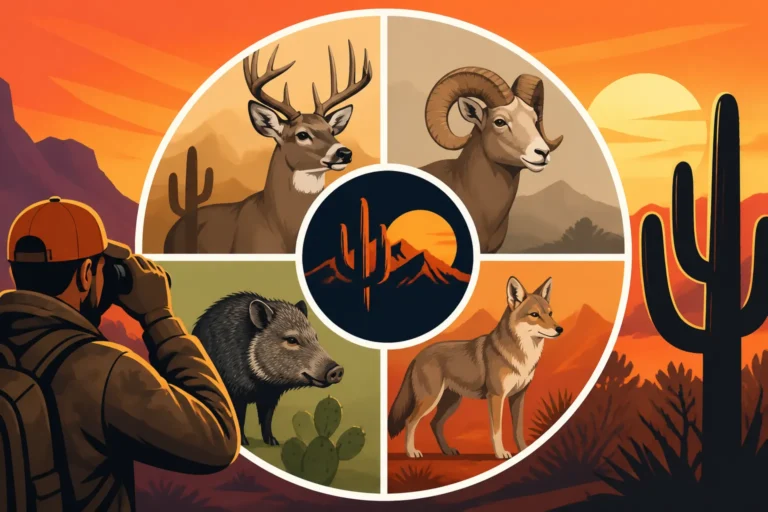
Arizona is unique in that it offers hunting opportunities for two distinct species of bighorn sheep: the Desert Bighorn (Ovis canadensis nelsoni) and the Rocky Mountain Bighorn (Ovis canadensis canadensis). While both are incredible animals, they inhabit different terrains and are managed as entirely separate populations, meaning you can technically draw a tag for each species over your lifetime. For a deeper dive into these unique animals, check out Arizona Holds Desert and Rocky Mountain Bighorns.
Desert Bighorns are found in the arid mountain ranges across the southern and western parts of the state, perfectly adapted to scorching temperatures and steep, rocky canyons. Rocky Mountain Bighorns, on the other hand, typically inhabit the more temperate, higher-elevation riparian areas along rivers like the Salt and Verde. Due to their distinct habitats and genetics, AZGFD issues separate tags for each. This means that if you are fortunate enough to draw and harvest a Desert Bighorn, you can still apply and eventually draw a Rocky Mountain Bighorn tag in the future, providing another "once-in-a-lifetime" opportunity. Our post, Can You Draw Both Bighorn Species in Arizona?, provides more clarity on this fascinating aspect.
Why Bighorn Tags Are So Coveted
The allure of a bighorn sheep hunt is deeply rooted in several factors: the breathtaking landscapes they inhabit, the extreme physical challenge of pursuing them, and their incredible rarity. Annually, Arizona typically offers a very limited number of bighorn sheep tags, often fewer than 100 for both species combined across the entire state. This scarcity, coupled with thousands of eager applicants, creates incredibly long odds.
For many hunters, pursuing a bighorn sheep isn't just about the harvest; it's about the journey, the physical and mental test, and the immersion in some of the most wild and remote country Arizona has to offer. The hunt itself often involves extensive glassing with high-quality optics, navigating treacherous terrain, and enduring extreme conditions. These factors elevate the bighorn sheep to a legendary status among big game hunters, making any tag a highly prized possession.
Impact of Bonus Points on Draw Odds
Given the extreme odds, bonus points are absolutely critical for anyone hoping to draw an Arizona bighorn sheep tag. The Arizona draw system heavily favors applicants with more points, particularly through the "Bonus Point Pass" system. This system awards a significant percentage of the tags to the applicants with the most bonus points, effectively making it a loyalty program for persistent applicants.
Every year you apply for a species and are unsuccessful, you earn one bonus point for that species. These points accumulate over time and are species-specific, meaning your elk points won't help you draw a bighorn tag, and vice-versa. Our guide on Why Arizona Bonus Points Never Cross Species explains this in detail. Furthermore, you can purchase a bonus point for a species even if you don't intend to hunt that year, ensuring you keep building your points total. This "point-only" option is a strategic move for many, particularly for species with very long draw odds like bighorn sheep. The more points you have, the higher your chances become in the bonus point pass. GoHunt, for instance, provides detailed breakdowns of draw odds by point levels, helping you understand just how many points you might need to realistically contend for a bighorn tag in specific units. Understanding How the Arizona Bonus Point Pass Works is fundamental to applying strategically.
Strategic Application and Post-Submission Steps
Submitting your application is just one piece of the puzzle. Strategic planning before and diligent follow-up after are equally important for maximizing your chances and preparing for the outcome.
Researching Hunt Units and Odds
Before you even think about hitting that submit button, rigorous research into hunt units and draw odds is paramount. Arizona publishes draw results and harvest statistics from previous years, which are an absolute goldmine of information. These reports will show you how many tags were issued for each unit, how many applicants there were, and the range of bonus points that were successful.
This is where detailed platforms like GoHunt really shine. They compile and analyze all this data, often presenting it in user-friendly formats that allow you to compare units, predict point creep, and gauge your realistic chances. For example, some units might consistently require 25+ points for a bighorn tag, while others, if any, might be drawn with fewer. Understanding these trends helps you make informed decisions about your five hunt choices. You might decide to put in for a highly sought-after unit as your first choice, knowing it's a long shot, but then include units with slightly better (though still incredibly tough) odds in your lower choices. Our post on Reading Arizona Hunt Permit Application Data can offer a walkthrough of this process.
Group Applications and Point Averaging
Arizona does allow for group applications, which can be a double-edged sword, especially for species like bighorn sheep. When applying as a group, the AZGFD averages the bonus points of all members in the group to determine the group's standing in the draw. So, if one member has 20 points and another has 10, the group applies with 15 points.
This can be beneficial if you have a lower point applicant who wants to hunt with a high point applicant, as it effectively gives the lower point hunter a better chance. However, it also means that the higher point applicant's chances are diluted by the lower point members. For extremely rare tags like bighorn, where every point truly matters, many experienced applicants choose to apply individually to maximize their personal odds. It’s a strategy that requires careful consideration of your hunting partners' point totals and your collective goals.
What Happens After You Apply
Once you've submitted your application and the deadline has passed, the waiting game begins. Arizona typically posts draw results approximately one month after the June deadline. You'll be notified via email that results are available, and you can then log into your AZGFD portal account to check your status.
If you are one of the incredibly fortunate few to draw a bighorn sheep tag, congratulations! The full tag fee (which you paid upfront) will be processed, and your tag will be mailed to you. Remember, drawing a bighorn tag also comes with specific responsibilities, including mandatory reporting of your harvest. If you draw a bighorn sheep tag and harvest an animal, your bonus points for that species will be reset to zero. This ensures that everyone has an equitable chance over the long run and aligns with the concept of it being a once-in-a-lifetime hunt per species. There's also a waiting period after drawing certain trophy tags, which is covered in Arizona Waiting Period After a Trophy Draw. For those who didn't draw, your bonus point total will increase by one, bringing you one step closer to that dream tag. You'll want to keep an eye on your email for notifications about Where Arizona Posts Draw Results. And if you did draw, it's worth knowing What Happens to Arizona Points When You Draw.
Essential Considerations for Non-Resident Applicants
Applying for a bighorn sheep tag as a non-resident in Arizona adds another layer of complexity and expense. While the dream of a bighorn hunt is universal, non-residents face slightly different hurdles.
Non-Resident License and Tag Costs
For non-residents, the costs associated with applying for and, hopefully, drawing an Arizona bighorn sheep tag are considerably higher than for residents. First, you must purchase a non-resident Arizona hunting license, which is significantly more expensive. As of recent regulations, this license can run you over $160. This license is a prerequisite for applying to the draw.
Beyond the license, the bighorn sheep tag itself carries a hefty price tag for non-residents, often in the thousands of dollars, which you typically pay upfront when you submit your application. While this tag fee is refundable if you are unsuccessful in the draw, the application fee is not. These costs highlight the serious commitment required for non-resident bighorn sheep hopefuls. For more detailed information on associated fees, refer to The Nonresident Arizona Hunting License Fee.
Understanding the Non-Resident Quota
Arizona, like many western states, implements a quota system that caps the percentage of tags allocated to non-residents. For most big game species, non-residents are limited to a maximum of 10% of the total tags issued for any given hunt. This means that out of the already minuscule number of bighorn sheep tags available, only a fraction will be awarded to non-residents.
This quota significantly tightens the draw odds for non-residents. While the bonus point system still works the same way for non-residents, the fewer tags available mean that accumulating a very high number of points becomes even more critical to have a realistic chance. It's a tough pill to swallow, but it's part of the reality of hunting in highly sought-after Western states.
The Role of Bonus Points for Non-Residents
Given the non-resident quota and the high demand, accumulating as many bonus points as possible is not just recommended, it's absolutely essential for non-residents hoping to draw an Arizona bighorn sheep tag. Many non-residents will apply for a bonus point year after year, sometimes for decades, without expecting to draw until their point total is exceptionally high.
Strategic use of the "point-only" option, discussed earlier, is a common tactic. Even if you can't commit to a hunt every year, buying that bonus point ensures you keep progressing towards that ultimate goal. Patience and persistence are the non-resident's most valuable assets in the Arizona bighorn sheep draw. It's a marathon, not a sprint, and every point you earn keeps you in the race.
Key Arizona Bighorn Sheep Application Information
Here's a quick summary of the crucial dates and details you'll need for your Arizona bighorn sheep application. Always double-check the current year's AZGFD regulations, as dates and fees can occasionally change.
| Category | Detail |
|---|---|
| Application Deadline | Mid-June (2nd Tuesday in June) by 11:59 PM Arizona Time |
| Draw Results Posted | Mid-July (approx. one month after deadline) |
| Application Fee | Non-refundable (approx. $15 per species) |
| Resident License | Required for application (approx. $37) |
| Non-Resident License | Required for application (approx. $160+) |
| Resident Tag Fee | Refundable if unsuccessful (approx. $185) |
| Non-Resident Tag Fee | Refundable if unsuccessful (approx. $1850+) |
| Application Method | Online via AZGFD Customer Portal only |
| Bonus Points | Earned for unsuccessful applications, species-specific |
| Non-Resident Quota | Max 10% of tags per hunt |
Disclaimer
Please note: The information provided in this guide is based on general Arizona hunting regulations and practices. Hunting regulations, dates, and fees are subject to change by the Arizona Game and Fish Department. It is the hunter's responsibility to consult the most current official Arizona Hunting Regulations booklet and the AZGFD website before applying or heading afield.