Tribal Land Boundaries Arizona Hunters Must Respect
One of the most unsettling feelings a hunter can experience is the gnawing doubt that they might be in the wrong place. Arizona, with its vast and varied landscapes, presents a unique challenge in this regard, especially when it comes to understanding and respecting tribal land boundaries. Many hunters, especially those new to the state or venturing into less familiar units, worry about inadvertently crossing onto sovereign tribal lands where their state license holds no sway, potentially leading to serious legal trouble. This guide is here to untangle that knot of confusion, providing clear, actionable information so you can hunt Arizona's stunning wild spaces with confidence and respect for all land jurisdictions.
Arizona's Complex Land Ownership: A Hunter's Maze
Arizona is a tapestry of different land ownerships, each with its own set of rules and access requirements. For hunters, navigating this mosaic is paramount, and overlooking any part of it can turn an exciting outing into a stressful legal predicament. Understanding the distinctions between these land types is the first step in responsible hunting in the Grand Canyon State.
Public, State Trust, and Private Lands: The Usual Suspects
Most Arizona hunting occurs on public lands administered by federal agencies like the Bureau of Land Management (BLM) and the U.S. Forest Service. These vast tracts are generally open to hunters, though specific rules apply regarding vehicle use, camping, and fire restrictions. You'll often find yourself on BLM and Forest Ground Across Arizona Needs No Permit if you're pursuing elk on the Mogollon Rim or glassing for mule deer on the northern plateaus.
Then there's Arizona State Trust Land, which makes up a significant portion of the state's huntable ground. While it feels like public land, it's actually managed to generate revenue for specific state beneficiaries, primarily public schools. The good news for hunters is that your valid Arizona hunting license typically serves as your permit to access Arizona State Trust Land Needs a Permit, and Your License Counts for hunting purposes. However, it's crucial to understand that recreational activities beyond hunting often require a separate State Trust Land recreational permit, and lessees of these lands can have priority or even restrict access temporarily, especially around active ranching operations.
Finally, private lands are, as the name suggests, privately owned, and accessing them for hunting always requires explicit permission from the landowner. Trespassing on private property, even inadvertently, can lead to charges, and often, less-than-friendly encounters with property owners. The challenge in Arizona often lies in the checkerboard nature of these lands, where public and private parcels are intertwined, creating a confusing patchwork for hunters trying to stay legal.
Understanding Tribal Sovereignty in Arizona
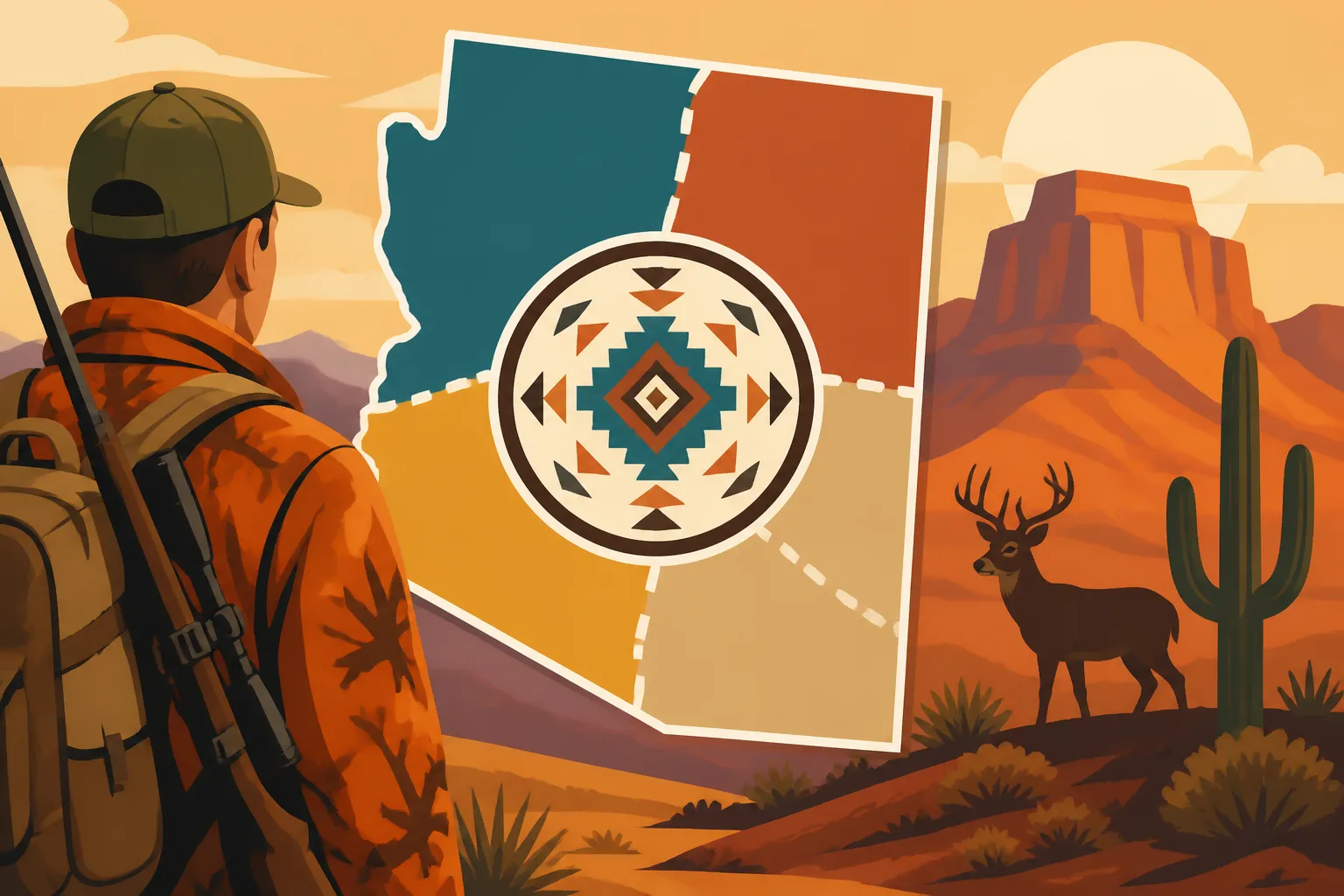
Beyond these common land types, Arizona is home to 22 federally recognized Native American tribes, each with its own sovereign government and jurisdiction over its reservation lands. This is where many hunters, particularly those unfamiliar with the Western states, can get into trouble. Tribal lands are not "public" lands in the sense that your state hunting license grants you access. Instead, they are sovereign nations with their own laws, regulations, and hunting permit systems.
The concept of sovereignty means that tribal governments have the inherent authority to govern themselves and their lands, including regulating hunting and fishing within their borders. This jurisdiction predates state and federal governments and is a fundamental aspect of tribal identity and rights. Therefore, if you hold an Arizona state hunting tag, it is generally not valid on tribal lands. To hunt on tribal land, you would need to acquire a separate hunting permit issued directly by the respective tribal game and fish department, and these permits are often limited, species-specific, and come with their own set of rules and fees. Ignoring this fundamental difference is not just a regulatory oversight; it's a profound disrespect for tribal sovereignty and law.
Why Tribal Boundaries Are Non-Negotiable for Hunters
The lines marking tribal lands on a map might seem arbitrary, but in reality, they represent distinct legal and cultural boundaries that hunters must respect without exception. Failing to do so can lead to severe consequences that go far beyond a simple warning.
State Licenses Are Not Valid on Tribal Lands
This cannot be stressed enough: your Arizona hunting license and any state-issued big game tags (like an Arizona elk tag or an Arizona Over-the-Counter Archery Deer Pricing) are not valid for hunting on any tribal reservation in Arizona. Each tribe manages its own wildlife resources, sets its own seasons, bag limits, and issues its own permits. These permits are typically expensive, highly sought-after, and often require an application process separate from the state's draw.
For instance, if you draw a coveted Unit 9 Kaibab mule deer tag, that tag is only valid on the public and state trust lands within Unit 9 that are under state jurisdiction. It does not grant you access to any adjacent tribal lands, even if they appear to be part of the same contiguous habitat. The wildlife on tribal lands, while often the same species found on neighboring state lands, are managed as a tribal resource, not a state one. Hunters must understand that jurisdiction is geographic and legal, not based on animal migration patterns. This is why thorough Reading an Arizona Unit Boundary Before You Apply is so critical.
The Legal Consequences of Unintended Trespass
The penalties for trespassing on tribal lands while hunting can be severe and multifaceted. It's not just a polite request to leave; it's a violation of sovereign law. Depending on the tribe and the specific circumstances, you could face:
- Fines: These can range from hundreds to thousands of dollars.
- Confiscation of Equipment: Your firearms, bows, optics, vehicles, and even harvested game can be seized.
- Jail Time: In some cases, particularly with repeat offenses or egregious violations, arrests and jail sentences are possible.
- Banning: You could be permanently banned from the reservation, even for non-hunting activities.
- Loss of State Hunting Privileges: Tribal authorities often coordinate with state game and fish departments, and a violation on tribal land could lead to the revocation or suspension of your Arizona state hunting license and privileges. This means losing your ability to apply for future state draws or hunt anywhere else in Arizona.
- Federal Charges: In certain situations, federal law enforcement agencies may also become involved, leading to even more serious charges, especially if the trespass involves other illegal activities.
Consider a hypothetical scenario: A hunter is tracking a wounded elk near a well-known reservation boundary. In the heat of the moment, focused solely on the animal, they cross an unmarked line onto tribal land. Even if they recover the animal and immediately realize their mistake, they've committed a serious offense. That state elk tag they worked so hard to draw, their rifle, and the elk itself could all be confiscated, and they could face substantial fines and a hunting ban. The intent might not have been malicious, but the legal consequences are the same. This is why vigilance and preparation are your best defense.
Key Tribal Nations and Their Hunting Jurisdictions in Arizona
While all tribal lands operate under their own sovereignty, some are more commonly encountered by state hunters due to their size, location, or reputation for quality wildlife. Knowing these major players can help you plan your hunts responsibly.
Navajo Nation: A Vast and Distinct Hunting Landscape
The Navajo Nation is the largest Native American reservation in the United States, covering vast tracts of northeastern Arizona, northwestern New Mexico, and southeastern Utah. Its sheer size means that hunters pursuing mule deer, elk, or even desert bighorn in adjacent state units might find themselves in close proximity to its borders. The Navajo Nation has a well-established Game and Fish Department that manages its wildlife and offers a range of hunting opportunities, but these are entirely separate from state programs.
If you wish to hunt on the Navajo Nation, you must apply for and receive a Navajo Nation hunting permit directly from their department. These hunts are often highly sought after, especially for trophy mule deer and elk, and can come with significant fees. Access is strictly controlled, and traditional Navajo values often inform their hunting regulations and practices. It is absolutely critical that anyone hunting in units bordering the Navajo Nation, such as those in Units 1, 2, 3, or others, uses reliable mapping tools to be certain of their location at all times. Simply having an Arizona state tag for a neighboring unit does not give you any rights or access to hunt on Navajo land.
White Mountain Apache and San Carlos Apache Reservations
The White Mountain Apache Tribe and the San Carlos Apache Tribe both hold significant land bases in east-central Arizona, areas renowned for their incredible elk populations. The White Mountain Apache Reservation, in particular, is famous for producing some truly enormous bull elk, often drawing national attention. Both tribes offer trophy hunting opportunities, typically through a sealed bid system or direct purchases of specific permits.
Like the Navajo Nation, these tribes have their own sophisticated game management programs. White Mountain Apache Guided Elk Hunts are a dream for many, but they are entirely separate from the state draw and demand a significant investment. Similarly, San Carlos Apache Trophy Hunts are exclusive and managed by the tribe. If you draw an Arizona state elk tag for an adjacent unit, say Unit 27 or Unit 1, you must be extremely diligent about knowing where the reservation boundary lies. Wildlife, especially elk, frequently move across these lines, but your state tag stops dead at the reservation border. Pursuing an animal that crosses onto tribal land with only a state permit constitutes a trespass and illegal take.
Other Tribal Lands Across Arizona
Beyond these larger and more prominent reservations, numerous other tribes hold land throughout Arizona, often in the southern and western parts of the state. These include, but are not limited to, the Hopi, Tohono O'odham, Ak-Chin Indian Community, Hualapai, Havasupai, Quechan, and numerous others. While some of these smaller reservations might not offer public hunting opportunities, their boundaries are still crucial to recognize.
For example, if you are hunting Coues deer in the "Sky Island" mountain ranges of southeastern Arizona, you might find yourself near the borders of the Tohono O'odham Nation or other smaller tribal communities. Similarly, hunting waterfowl along the Colorado River could bring you close to lands of the Fort Mojave, Colorado River Indian Tribes, or Quechan Nation. Each of these communities maintains sovereignty over their lands, and a state hunting license is not valid within their borders. Always check your maps carefully, and if there's any doubt about an area's jurisdiction, err on the side of caution and find another spot.
| Tribal Nation | Approximate Location in Arizona | General Hunting Access for Non-Tribal Members | Key Species Often Hunted (with Tribal Permit) |
|---|---|---|---|
| Navajo Nation | Northeast Arizona | Yes, via tribal permits (separate draw/purchase) | Mule Deer, Elk, Desert Bighorn, Antelope |
| White Mountain Apache | East-Central Arizona | Yes, via tribal permits (often high-demand/bid) | Elk (trophy), Mule Deer, Bear, Turkey |
| San Carlos Apache | East-Central Arizona | Yes, via tribal permits (specific programs) | Elk (trophy), Mule Deer, Bear, Javelina |
| Hualapai Nation | Northwest Arizona | Limited, often through guided services | Elk, Desert Bighorn, Deer |
| Tohono O'odham Nation | South-Central Arizona | Limited, specific permits/programs | Mule Deer, Coues Deer, Javelina |
| Ak-Chin Indian Community | South-Central Arizona | Generally no public hunting access | (Managed for tribal members) |
| Hopi Nation | Northeast Arizona | Generally no public hunting access | (Managed for tribal members) |
| Quechan Nation | Southwest Arizona (near Yuma) | Limited, specific programs | Waterfowl, Small Game |
Note: This table provides general information. Specific hunting opportunities, rules, and permit availability vary greatly by tribe and can change frequently. Always consult the official tribal game and fish department for the most current and accurate information.
Leveraging Technology to Stay on the Right Side of the Line
In today's digital age, hunters have powerful tools at their disposal to help navigate the complex land ownership patterns of Arizona. These tools are indispensable for respecting tribal boundaries and ensuring you stay legal.
Digital Mapping Applications: Your Best Friend in the Field
Modern GPS-enabled mapping applications are arguably the single most important piece of gear for any hunter in Arizona. Brands like onX Hunt and GoHunt have revolutionized how hunters understand the landscape by overlaying detailed property ownership data directly onto satellite imagery and topographic maps.
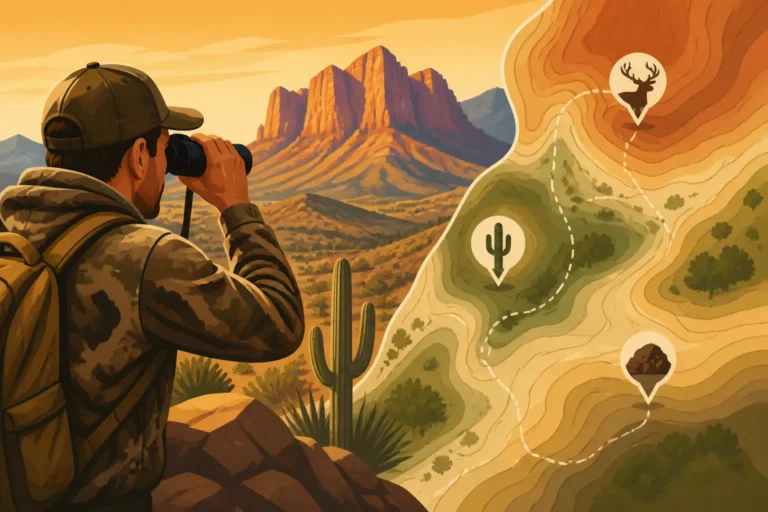
With an app like onX Hunt on your phone or GPS device, you can see not only public land boundaries (BLM, National Forest) but also State Trust Land, private property, and critically, tribal reservation boundaries, clearly marked and color-coded. As you move, your exact location is shown on the map, allowing you to see in real-time whether you are approaching a boundary. This feature is a game-changer when you're deep in the brush or stalking an animal where visible landmarks are scarce. You can easily identify Hunting Boundaries Around National Parks or reservations and set waypoints or alerts to notify you if you get too close. Before any hunt, especially in a new unit, take the time to E-Scouting an Arizona Unit Before the Season using these apps, paying particular attention to all adjacent tribal lands. Download offline maps for your hunting area, as cell service is often nonexistent in remote regions. This way, you always have your property data with you, even without a signal.
Reading Physical Maps and Topographical Features
While digital maps are incredible, they aren't foolproof. Batteries die, screens crack, and technology can fail. This is why coupling your digital tools with traditional physical maps is a robust strategy. Forest Service maps, BLM maps, and detailed topographical maps can show land ownership boundaries, often with specific designations for tribal lands. These paper maps serve as an excellent backup and can provide a different perspective, especially when trying to understand the lay of the land, elevation changes, and natural features that might serve as boundary markers.
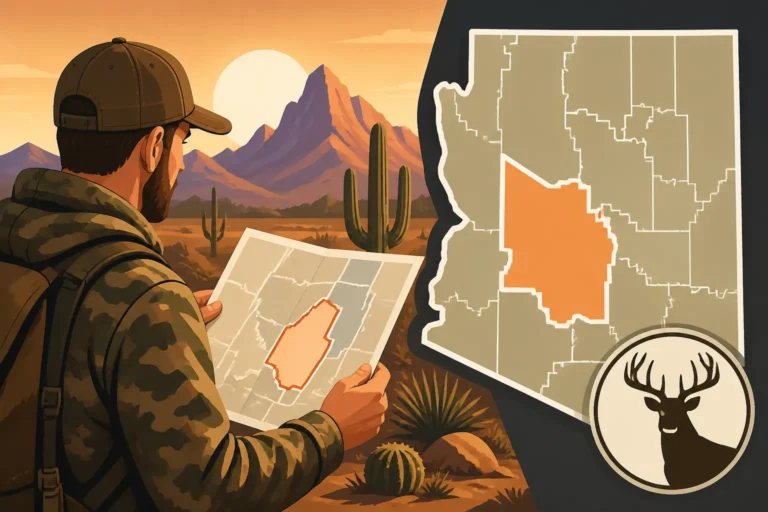
Learning to Reading an Arizona Unit Boundary Before You Apply on a paper map, understanding contour lines, and identifying natural features like washes, ridges, or specific road systems can give you a better sense of where you are in relation to a tribal border. Sometimes, tribal lands are fenced, but often, the only "boundary" is an imaginary line on a map, or perhaps a subtle change in vegetation or road maintenance. Relying on both digital and physical maps ensures you have multiple layers of information and redundancy, significantly reducing your risk of accidental trespass. Always cross-reference what you see on your digital map with what's marked on your physical map before you ever set foot in a new area.
Best Practices for Respecting Tribal Sovereignty and Avoiding Trouble
Staying on the right side of the law and maintaining ethical conduct is paramount for all hunters. When it comes to tribal lands, a proactive and respectful approach is always the best strategy.
Researching Your Unit Thoroughly Before You Go
Preparation is your most powerful tool. Before you ever leave home, immerse yourself in research about your chosen Arizona hunt unit. This means poring over the official Arizona Game and Fish Department regulations booklet, looking at online maps, and reading scouting reports. Pay very close attention to any unit descriptions that mention proximity to tribal lands. Many units, particularly those in eastern and southeastern Arizona, share long borders with reservations.
Identify all tribal lands bordering your unit using digital mapping tools and mark them clearly on any physical maps you carry. Understand the geography of these borders. Are they defined by major roads, rivers, fence lines, or simply a survey line running through featureless terrain? Knowing this beforehand will help you be more vigilant in the field. Websites like GoHunt often provide detailed unit analyses that can highlight these boundary considerations, giving you a head start on your research. Don't assume anything; verify every inch of your intended hunting area. If you're unsure about the exact location of a tribal boundary, call the Arizona Game and Fish Department or, if possible, the tribal game department for clarification.
When in Doubt: Stay Out and Verify
This is perhaps the most crucial piece of advice for hunting in Arizona's complex landscape. If you are ever in doubt about whether you are on public, state trust, or tribal land, the safest and most ethical course of action is to stay out or immediately retreat to a known, legal location. It is far better to miss out on a potential shot opportunity or to change your hunting plans than to risk trespassing on sovereign tribal land.
Physical features can sometimes indicate a boundary. You might notice a change in fencing, road maintenance, signage (though this isn't always present), or even land use practices. However, never rely solely on these cues. Always verify your position with a GPS device and a map. If your digital map shows you near a boundary, stop, re-evaluate, and if necessary, back away until you are clearly on land where your state license is valid. This commitment to avoiding trespass shows respect for tribal sovereignty, ensures you don't face legal repercussions, and upholds the reputation of all ethical hunters. Responsible hunting means understanding and honoring every boundary, visible or not.
Disclaimer
This article is for general informational purposes only and does not constitute professional advice. Laws, prices and regulations vary by location and change over time. Consult a qualified professional for guidance on your specific situation.