Day-Use Fees at Developed Recreation Sites
It’s a common frustration for us Arizona hunters: you’ve meticulously planned your trip, loaded up the truck, and driven hours out to a prime hunting spot, only to pull into a trailhead or a seemingly convenient parking area and be greeted by a sign demanding a day-use fee. It feels like an unexpected toll, a speed bump on your way to wild country. You just want to hunt on public land, which often feels like it should be free public land, right? This guide will clear up the confusion, explaining why these fees exist at certain developed recreation sites in Arizona, where you're most likely to encounter them, and how you can plan your hunt to either avoid them or budget for them without a last-minute surprise.
The Difference Between Public Land and Developed Recreation Sites
First, let's untangle a common misconception. Arizona boasts an incredible amount of public land—millions of acres managed by federal agencies like the U.S. Forest Service (USFS) and the Bureau of Land Management (BLM), plus State Trust Land. The vast majority of this land is open for hunting with the proper license and tags, and generally, you won't pay a specific fee just to enter it to hunt. Your hunting license covers your access to State Trust Land, for example, eliminating the need for a separate recreational permit. Does a Hunting License Cover Trust Land Access?
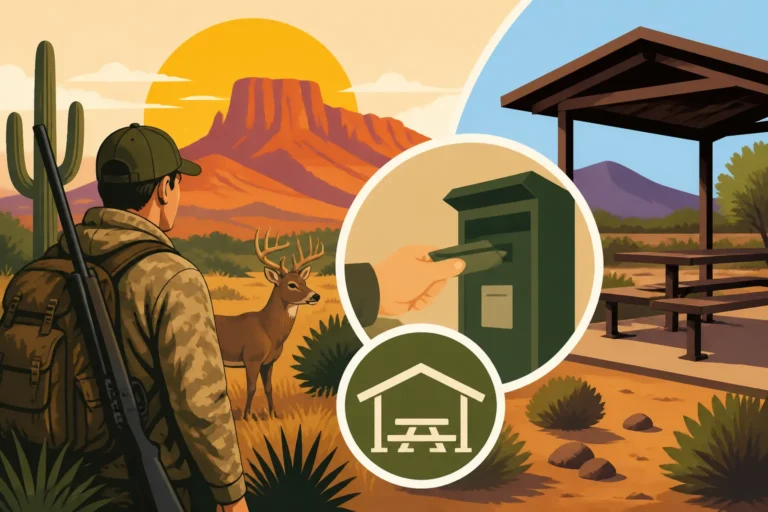
However, "developed recreation sites" are a different beast. These aren't just stretches of open desert or timber. They are specific areas that have received investment in infrastructure for public use. Think paved parking lots, restrooms, picnic tables, designated campsites, boat ramps, visitor centers, or interpretive trails. These amenities cost money to build, maintain, and manage. The agencies responsible for these sites, whether it's the USFS, BLM, or Arizona State Parks, often charge a fee to help cover those operational costs. It’s not about restricting your access to hunt; it's about funding the facilities that make certain recreational experiences more comfortable or accessible for everyone.
The key distinction is that while you can hunt on the general public land surrounding a developed site, if you choose to use the facilities of that developed site—like parking in a designated fee area, launching a boat, or using a picnic area—you might be expected to pay. This is why knowing where these developed sites are is so crucial for hunters, especially when you're focusing on specific units you've researched through resources like GoHunt, which helps you analyze draw odds and general unit characteristics. You might find that some of the most accessible points into a coveted unit are actually developed recreation sites with associated fees.
Common Places You'll Encounter Day-Use Fees in Arizona
Arizona's diverse landscape means you might run into developed recreation sites in all sorts of environments, from high-country forests to low desert washes. Being aware of these common culprits can save you a headache when you're out scouting or on opening morning.
National Forest Campgrounds and Trailheads
Many of Arizona's prime hunting units, particularly in the high country like the Mogollon Rim or the White Mountains, are within National Forests. These forests are crisscrossed with roads and trails, but certain popular areas are designated as developed campgrounds or trailheads. If you pull into a campground, even just to park for the day and hike into the woods, you might find a fee station. Similarly, some very popular trailheads, especially those leading to scenic areas or wilderness boundaries, require a day-use fee. These fees typically contribute to maintaining the facilities like pit toilets, trash services, and trailhead signage.
Imagine you're targeting elk in the Coconino National Forest, specifically scouting for good sign. You find a great looking ridge accessible from a well-maintained parking lot near a lake. You might assume it's just public parking, but if that parking lot is part of a developed recreation area or an official boat launch, there could be a day-use fee or even an entrance fee to the area. This is where tools like onX Hunt become invaluable. By checking the land ownership and recreation site layers, you can often see these designated areas before you even leave home. This allows you to either plan to pay, or find an alternative, undeveloped access point further down the road where dispersed camping and parking are typically allowed without a fee. Camping on Forest Ground During Hunting Season
BLM Developed Sites
The Bureau of Land Management also manages a significant amount of land in Arizona, particularly in the lower desert regions. While much of BLM land is open for dispersed camping and minimal-impact use without fees, they do have designated recreation sites. These might include campgrounds with vault toilets and picnic tables, or specific access points to popular river stretches. If you're hunting javelina in the Sonoran Desert, for instance, and plan to access a remote wash via a well-marked dirt road that leads to a small, developed recreation area, be prepared for the possibility of a fee. These are less common than in National Forests but certainly exist, especially near popular scenic areas or waterways.
For example, some of the access points along the Lower Colorado River Corridor, which can offer waterfowl hunting opportunities, might have developed boat launches or day-use areas managed by the BLM or other entities, and these often come with a fee. It’s always best to check maps and local regulations before you go. Hunting the Lower Colorado River Corridor
Arizona State Parks and Wildlife Areas
Arizona State Parks are managed specifically for recreation and almost always require an entrance fee, which typically covers day use for your vehicle. While hunting is generally not allowed within the boundaries of most Arizona State Parks, some parks might be adjacent to hunting areas, or offer access to larger tracts of public land. If your planned access point involves driving through or parking in a State Park, you will likely need to pay their standard entrance fee. Similarly, some Arizona Game and Fish Department (AZGFD) Wildlife Areas, particularly those with developed amenities like boat ramps or bird-watching platforms, might also have associated fees, though this is less common for general hunting access. Arizona Game and Fish Wildlife Areas
Here's a quick overview of typical scenarios:
| Site Type | Common Amenities | Typical Fee Structure | Relevant Passes/Permits |
|---|---|---|---|
| National Forest Campgrounds | Designated sites, fire rings, vault toilets | Per night, per vehicle | Day-use pass (sometimes), America the Beautiful Pass |
| National Forest Trailheads | Paved parking, restrooms, info kiosks | Per vehicle, per day | Day-use pass, America the Beautiful Pass |
| BLM Developed Campgrounds | Designated sites, fire rings, vault toilets | Per night, per vehicle | Sometimes day-use pass, America the Beautiful Pass |
| BLM Boat Launches/Access | Concrete ramps, parking | Per vehicle, per day | America the Beautiful Pass (sometimes) |
| Arizona State Parks | Visitor centers, paved roads, picnic areas | Per vehicle entrance fee | Arizona State Parks Pass |
| AZGFD Wildlife Areas (developed) | Boat ramps, specific amenities | Variable (less common for hunting) | Check specific area regulations |
Note: Fee amounts, specific passes, and requirements can vary widely, so always check the managing agency's website for the most current information.
How to Identify and Prepare for Day-Use Fees
Getting caught off guard by a day-use fee can be annoying, especially when you're trying to make the most of every minute of your hunt. The best defense is a good offense: proactive research and preparation.
Utilizing Online Mapping Tools
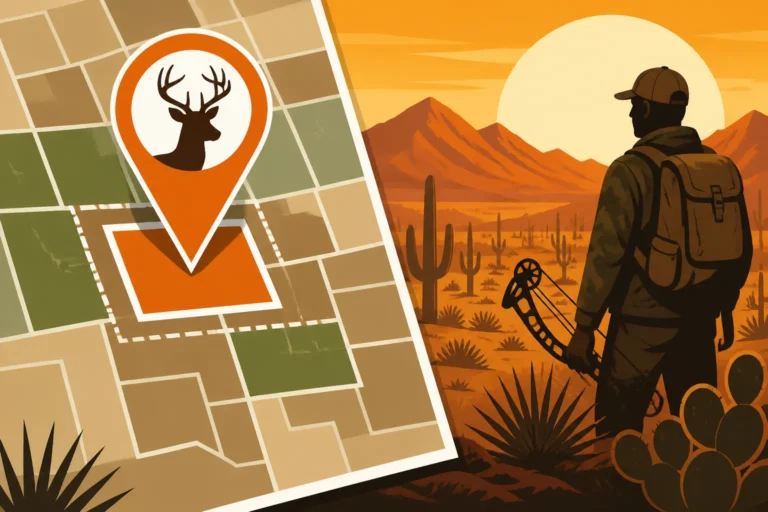
Modern hunting requires modern tools, and digital mapping apps are your best friend here. Platforms like onX Hunt are incredibly effective at showing you land ownership layers, which include federal lands (USFS, BLM) and State Trust Lands. More importantly, these apps often have layers that pinpoint designated recreation sites, campgrounds, and sometimes even specific trailheads. You can identify potential fee areas long before you leave your couch.
When you're scouting a unit virtually, zoom in on your planned access points. If you see icons for campgrounds, picnic areas, or specific recreation sites, it's a good indication that fees might apply. A quick cross-reference with the managing agency's website (e.g., US Forest Service website for the specific National Forest) can confirm the fee structure. This step is just as important as reading the Arizona Hunt Regulations Booklet to ensure you're compliant with all rules.
Understanding Federal and State Passes
To avoid paying daily fees repeatedly, especially if you plan multiple trips or prolonged stays in a specific area, consider purchasing an annual pass.
- America the Beautiful – The National Parks and Federal Recreational Lands Pass: This pass is a fantastic option for hunters who frequent National Forests and BLM lands. It covers entrance fees at National Parks and standard amenity fees (like day-use fees at many developed trailheads and campgrounds) at sites managed by the Forest Service, BLM, National Wildlife Refuges, and other federal agencies. If you're hunting in areas like the Kaibab National Forest or along the Mogollon Rim, this pass can quickly pay for itself. There are also specific versions for seniors, active military, and those with permanent disabilities, which offer reduced or free access.
- Arizona State Parks Pass: If your access strategy involves going through an Arizona State Park, an annual State Parks Pass might be a worthwhile investment. Remember, while most parks don't allow hunting within their boundaries, they can sometimes be key entry points or offer specific amenities adjacent to public hunting lands.
Always verify which pass is accepted at a particular site. Not all federal passes are valid at every recreation site, especially if the site is managed by a local county or a specific concessionaire. A quick search on the managing agency's website or a phone call to the local ranger district office will give you the most accurate information.
Strategies for Avoiding or Budgeting for Day-Use Fees While Hunting
No one wants to pay an unexpected fee, especially when your mind is already on the hunt. Here are some strategies to ensure day-use fees don't derail your Arizona adventure.
Prioritize Dispersed Access and Camping
The easiest way to avoid day-use fees is to simply avoid developed recreation sites. Much of Arizona's public land, especially BLM and National Forest ground, allows for dispersed camping and parking without fees. This means setting up your camp outside of designated campgrounds, often right off a forest road, or parking your vehicle at an undeveloped pull-off.
When scouting with tools like onX Hunt, look for areas marked as National Forest or BLM land, then identify unpaved forest roads or two-track trails that lead away from designated recreation sites. Often, a few miles down one of these roads will put you in prime hunting territory with plenty of space to park or set up a rudimentary camp without incurring any fees. Just be mindful of Motorized Travel Rules on Arizona Public Land and seasonal road closures, which can impact access. Camping on Forest Ground During Hunting Season is generally allowed for up to 14 days in a 30-day period in many areas, as long as you're not in a developed site.
Budget for Fees as Part of Your Hunt Planning
Sometimes, avoiding developed sites simply isn't practical or desirable. A particular trailhead might offer the absolute best access to your hunting area, or a developed campground might be the safest and most convenient place to set up a base camp, especially if you're bringing family or a larger group. In these cases, it's best to budget for the fees upfront.
When you're in the planning stages, using resources like GoHunt to research units, draw odds, and general terrain, make it a point to also look up potential access points. If the most efficient access involves a developed site, factor in the cost of a daily pass or an annual pass. Think of it as just another line item in your hunting budget, right alongside your license, tag, fuel, and food. This proactive approach removes the surprise and lets you enjoy the convenience without the sting of an unexpected expense.
Seek Out Alternative Access Points
Even if a particular unit has a popular developed access point, there's almost always an alternative. This might mean driving an extra few miles on a rougher road, hiking a bit further, or even approaching the area from a different direction entirely. Again, onX Hunt is your invaluable partner here. Use its topographic and satellite layers to identify less-traveled roads, washes, or ridgelines that offer access away from the crowds and the fee stations.
For example, if the primary access to a popular elk hunting area on the Mogollon Rim is via a large Forest Service campground that charges a day-use fee, look for a smaller, less-maintained forest road further away. These often lead to equally good hunting ground, albeit with a bit more work to get there. It’s a trade-off: pay a fee for convenience, or invest a bit more time and effort to save money and potentially find more solitude. Access Along the Mogollon Rim
By understanding the distinction between general public land and developed recreation sites, you can better navigate Arizona's vast and varied hunting grounds. Whether you choose to invest in an annual pass or opt for more remote, dispersed access, a little planning goes a long way in ensuring your Arizona hunt is as smooth and enjoyable as possible.
Disclaimer
This article is for general informational purposes only and does not constitute professional advice. Laws, prices and regulations vary by location and change over time. Consult a qualified professional for guidance on your specific situation.